Why Buon Ma Thuot Matters
Buon Ma Thuot is the capital of Dak Lak Province in Vietnam's Central Highlands (중부 고원 / 中部高原 / 中部高原), about 1,300 km northeast of Hanoi, 500 km from Da Nang, and 350 km from Ho Chi Minh City. The name comes from the E De language — originally referring to the village of Ama Y Thuot, a prominent village head in the late 19th century.
What matters to travelers: the city sits at 536 meters elevation in terrain ideal for coffee. Dak Lak province officially has over 175,000 hectares under coffee cultivation, though actual figures likely exceed 200,000. That makes it Vietnam (베트남 / 越南 / ベトナム)'s dominant coffee-growing region and one of the world's highest-yielding coffee areas. Buon Ma Thuot itself has roughly 434,000 residents (2023) and serves as the economic and administrative spine of the province.
To put it in perspective, Dak Lak alone produces more coffee than most entire countries. The province's output rivals that of Colombia. If you drink robusta — and statistically you do, since it's in most instant and espresso blends worldwide — there's a real chance the beans passed through this city.
Coffee: The Real Story
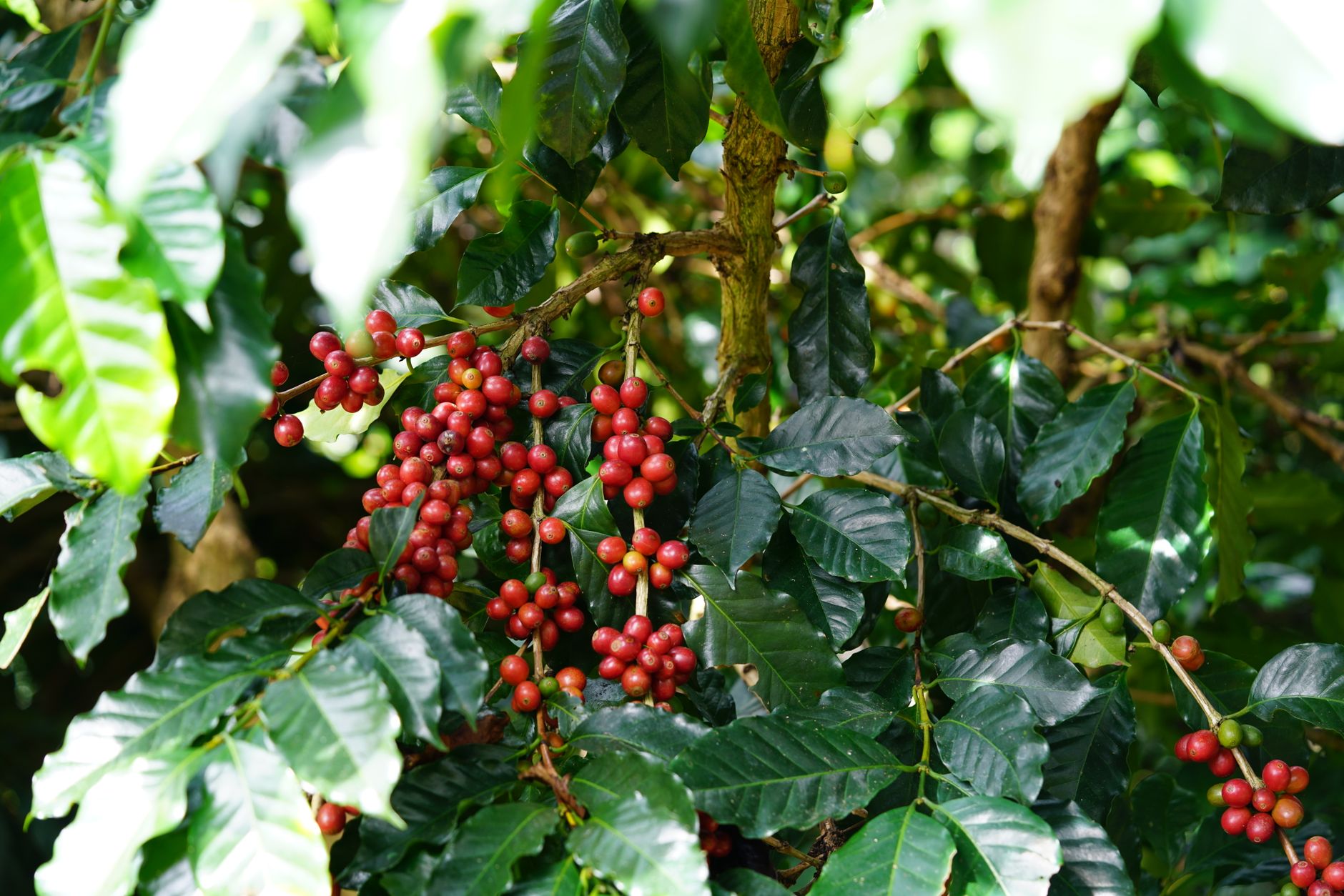
Coffee arrived in Vietnam in 1870, but serious cultivation in Dak Lak didn't begin until the 1930s, under French colonial influence. The region's basalt soil and cool highland climate proved ideal. By now, coffee defines the local economy, culture, and what draws most visitors here.
About 90% of what grows here is robusta, the hardy, high-caffeine species that thrives at lower altitudes than arabica. But don't write it off — well-processed Dak Lak robusta has a chocolatey, nutty depth that surprises people who associate the word "robusta" with cheap instant powder. Smaller farms in the hills west of town also grow arabica, and a handful of estates experiment with liberica and excelsa varieties.
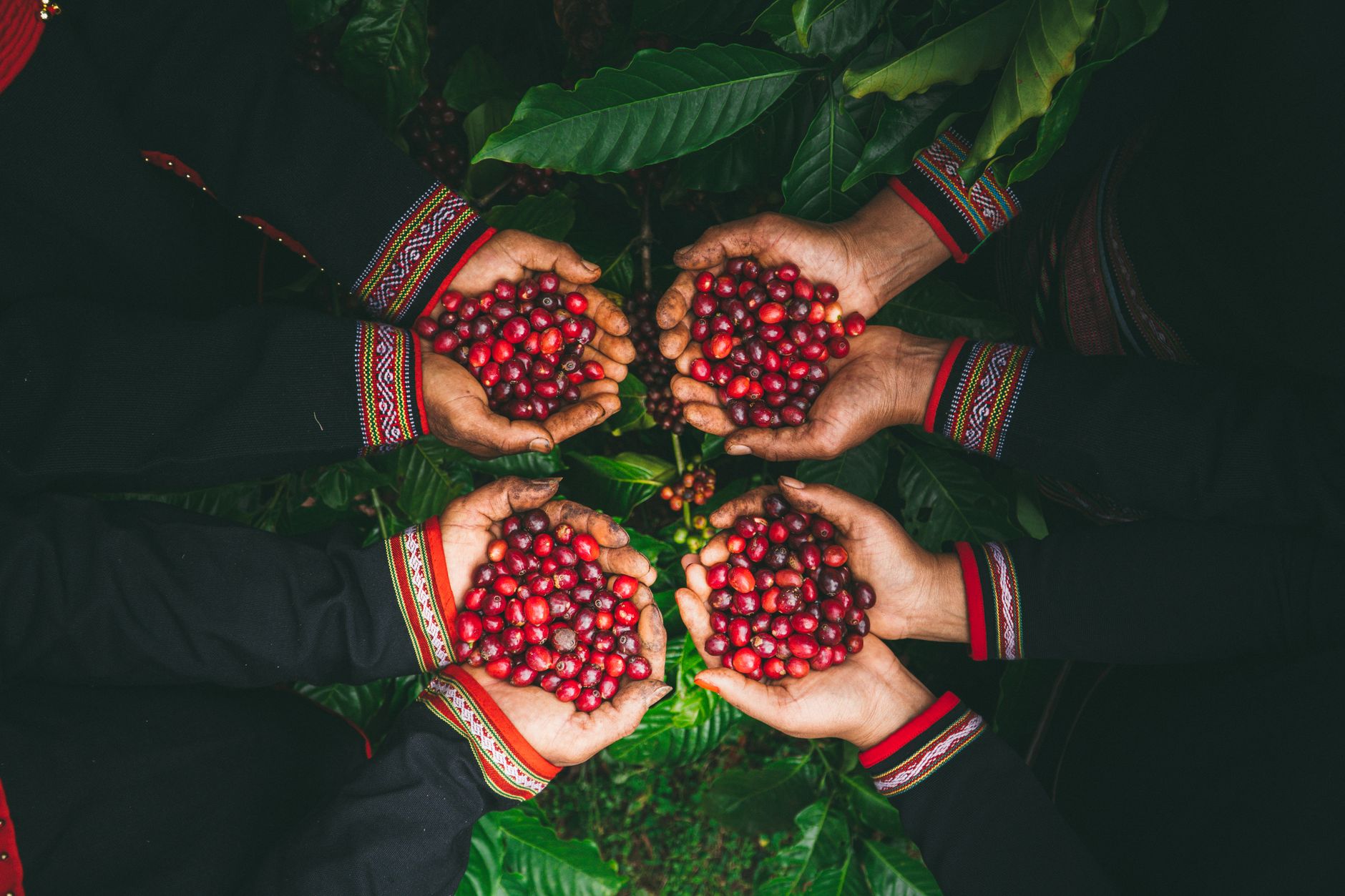
If you come to Buon Ma Thuot, expect to visit plantations, cup samples at local roasters, and eat food built around coffee (coffee-rubbed meat, coffee-infused desserts). The city hosts the annual Buon Ma Thuot Coffee Festival (usually October), which pulls in farmers, buyers, exporters, and coffee enthusiasts from across Vietnam and abroad.
Local roasters and cafes do proper cupping — not tourist theater, but real Q-grading and single-origin tasting. Prices are lower than Hanoi or Saigon because you're at source. A "ca phe sua da" (iced milk coffee) at a street-side shop runs 15,000–20,000 VND. A full cupping session at a specialty roaster might cost 50,000–80,000 VND, sometimes free if you buy a bag.
For context on how the Vietnamese drink their coffee elsewhere, see our guides to egg coffee and Vietnamese coffee culture — but know that Buon Ma Thuot is where the raw material originates before it reaches the drip filters of Hanoi's Old Quarter or the iced cups of Saigon's District 1.

Image by [Tycho] via Wikimedia Commons (CC BY-SA)
Coffee Farms and Cafes Worth Visiting
You don't need to book a formal tour. Most farms welcome drop-ins, though calling ahead helps. A few starting points:
-
Trung Nguyen Coffee Village — about 3 km south of the city center on Nguyen Dinh Chieu street. This is the flagship campus of Vietnam's largest domestic coffee brand. Free entry. You can walk through a small museum, sample different blends, and buy beans at factory prices (a 500g bag of whole bean runs 80,000–150,000 VND depending on grade). It's commercial and polished, but the grounds are pleasant and it's an easy first stop.
-
Ede Coffee — a smaller operation run by an E De family, about 12 km west of town toward Lak Lake. They walk you through the harvest-to-cup process and let you roast a small batch yourself. Expect to pay around 100,000 VND for the experience. Call ahead; they don't always have English-speaking staff.
-
Tam Giang Coffee — in Krong Pak district, roughly 20 km east. This farm grows both robusta and a limited amount of arabica. They offer overnight stays in a basic guesthouse on the property (300,000–400,000 VND/night) so you can see the early-morning picking.
In the city itself, skip the chains and head to local cafes on Ly Thuong Kiet, Hai Ba Trung, or Phan Chu Trinh streets. A reliable order: "ca phe den" (black coffee) or "ca phe sua" (with condensed milk). If the owner is around, ask what's freshly roasted — they'll usually pour you a sample for free.
Getting There and Around
Buon Ma Thuot Airport (BMV) sits about 8 km southeast of the city center and handles domestic flights via Vietnam Airlines, VietJet Air, Pacific Airlines, and Bamboo Airways. Daily routes connect to Hanoi and Ho Chi Minh City. Flight time from Saigon is about 50 minutes; from Hanoi, roughly 1 hour 40 minutes. Expect to pay 800,000–1,800,000 VND one way depending on how far ahead you book.
From the airport to the city center, a taxi costs around 100,000–120,000 VND (use Mai Linh or the local Grab app). There's no airport bus.
Overland, long-distance buses run from Ho Chi Minh City's Mien Dong station (7–8 hours, around 250,000–350,000 VND for a sleeper seat). From Da Lat, the bus takes about 4 hours via National Highway 27 — a scenic ride through pine forests and coffee terraces. From Nha Trang, it's roughly 4–5 hours westward on Highway 26.
Once in the city, taxis and motorbike rental are standard. Many travelers rent a motorbike (250,000–400,000 VND/day) to visit plantations in the surrounding province, which gives you freedom to stop at roadside cafes and smaller estates. The roads in Dak Lak are generally in good condition, though rural tracks to remote farms can be muddy during the wet season.
A Layered History
Buon Ma Thuot became an administrative center in 1904 when the French established Dak Lak Province. It was briefly merged into Kon Tum in 1913, then restored as the capital in 1923. The French period (1930s–1954) brought infrastructure, roads, and the coffee industry itself.
On March 10, 1975, the city became the focal point of the Central Highlands Campaign — a decisive military operation that reshaped the region's political status. After 1975, Buon Ma Thuot remained the provincial hub. It was officially upgraded to a city under provincial administration in August 1995.
For visitors interested in recent history, the Victory Museum on Le Duan street documents this period through photographs, military equipment, and personal artifacts. Entry is around 20,000 VND. The nearby Dak Lak Museum on Nguyen Du street covers broader regional history, including E De culture, highland ecology, and the colonial-era coffee trade. Both are worth an hour.

Image by [Tycho] talk , http://shansov.net via Wikimedia Commons (CC BY-SA)
What to Expect (Practical)
Buon Ma Thuot is neither a beach town nor a tourist carnival. It's a working highland city with decent hotels, restaurants, and services, but it's not Hanoi or Ho Chi Minh City. You come for coffee, highland scenery, E De ethnic culture, and a slower pace.
Weather: cool and dry most of the year. Monsoon season (May–October) brings rain. Best time to visit is November–April, when it's crisp and clear. Daytime temperatures hover around 22–28°C year-round; evenings can drop to 15–18°C in December and January, so bring a light jacket.
Eating: local cuisine centers on grilled meats, sticky rice, and surprisingly good vegetable dishes. Coffee is in everything. Try "com tam" (broken rice) at the market stalls near Nguyen Cong Tru street — plates run 25,000–40,000 VND. For something local, look for "ga nuong" (grilled chicken) seasoned with lemongrass and chili, often served with bamboo-tube rice. A full meal at a local restaurant rarely exceeds 80,000 VND per person. If you're heading onward to Hoi An or Hue, the food here is simpler but honest — don't expect the variety of "banh mi" stalls or "bun bo Hue" shops you'd find in those cities, but the grilled meats are some of the best in the country.
Staying: small but adequate hotel options. Budget hotels in the center (Ly Thuong Kiet or Nguyen Tat Thanh streets) run 250,000–450,000 VND/night. Mid-range places with air conditioning and breakfast go for 500,000–900,000 VND. Guesthouses cluster near the city center. Booking ahead is smart during the Coffee Festival, when rooms fill up fast and prices jump.
Day Trips from Buon Ma Thuot
The city works best as a base for exploring Dak Lak Province. A few options within easy reach:
-
Lak Lake — 50 km south on Highway 27. The second-largest natural freshwater lake in Vietnam, surrounded by M'Nong ethnic villages. You can take a dugout canoe ride (around 100,000 VND), visit a M'Nong longhouse, and eat lunch at a lakeside restaurant. The drive takes about 1 hour each way. The lake is best visited in the dry season; during monsoon months the road can flood in patches.
-
Dray Nur and Dray Sap Waterfalls — about 25 km southwest of the city. Two waterfalls connected by a trail. Entry tickets are 30,000–40,000 VND per person. During the wet season (June–September) the falls are powerful; in the dry months they thin out but the surrounding forest stays green. Budget 2–3 hours for both.
-
Yok Don National Park — 40 km northwest. Vietnam's largest national park by area, home to wild elephants (rarely seen), deer, and over 300 bird species. The park offers guided treks and an ethical elephant observation program. Entry is around 40,000 VND; guided treks cost more depending on duration. It's a full-day trip if you want to go deep into the park.
-
Buon Don — a small town 45 km west, historically known for elephant domestication. Today the focus has shifted toward conservation. Worth combining with Yok Don for a day out.
If you have more time in the highlands, consider continuing south to Da Lat or north to Kon Tum — both are connected by good highways.
What Surprises Foreigners
-
Coffee here tastes different. If you only know Vietnamese coffee from Hanoi's "ca phe trung" (egg coffee) or Saigon's sidewalk drip sets, Buon Ma Thuot's version is rawer. Many cafes serve it stronger and less sweet. Ask for "it duong" (less sugar) if you want to taste the bean itself.
-
There aren't many tourists. Even during the Coffee Festival, foreign visitors are a minority. This is mostly a domestic travel destination and a working agricultural city. Don't expect English menus or hostel pub crawls.
-
The elevation matters. At 536 meters, nights are genuinely cool. People coming from the coast or Saigon often underpack. You'll want long pants and a hoodie for evenings.
-
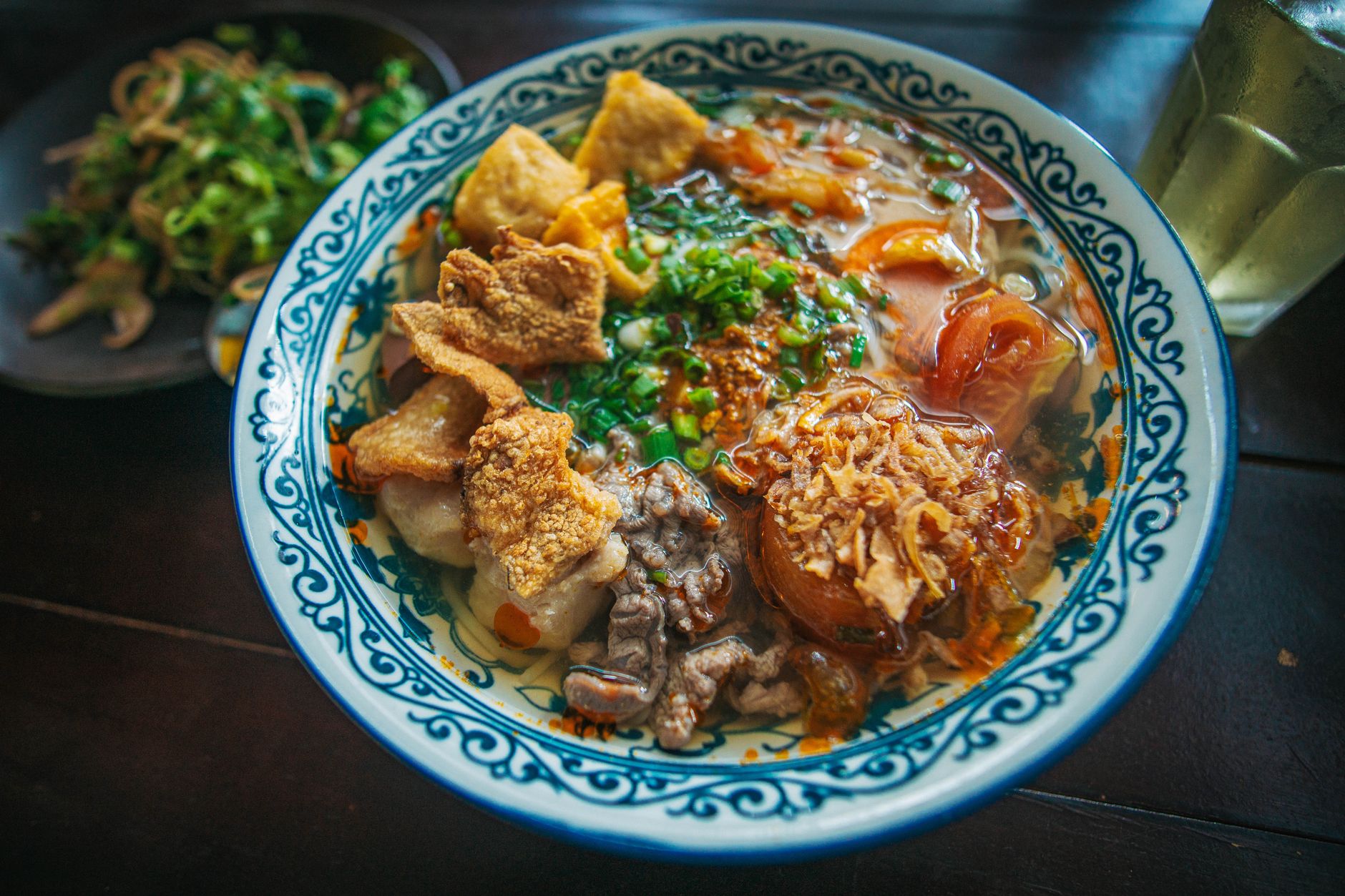
"Pho" is not the default breakfast. In the Central Highlands, you're more likely to see "bun" (rice vermicelli) soups or "banh cuon" (steamed rice rolls) in the morning. Pho exists, but it's not the automatic first choice the way it is in the north.
-
The coffee supply chain is visible. During harvest season (October–January), you'll see trucks loaded with red coffee cherries on every road, drying beds spread across courtyards, and the smell of roasting beans in the air. It's not staged — this is what the local economy looks like.
-
Prices are genuinely low. A solid meal, a coffee, and a motorbike rental for the day can run under 400,000 VND total. Travelers coming from Phu Quoc or Ha Long Bay will notice the difference immediately.
The Broader Picture
Dak Lak's economy grew 8.94% in 2022, driven by agriculture, manufacturing, and trade. Coffee exports hit 1.5 billion USD that year (up 30% from 2021). The province is investing in infrastructure and positioning itself as a hub for agriculture, tourism, and light industry — which means roads are improving and new cafes and hotels are opening.
The region's E De ethnic minority population and traditional longhouse settlements add cultural texture. You'll see this reflected in markets, local craft, and the food. The E De longhouses — built on stilts with curved rooflines — are still lived in, not museum pieces. If you visit villages near Lak Lake or Buon Don, you can sometimes stay overnight in a longhouse with a local family (expect to pay around 150,000–200,000 VND per person, meals included).
Quick Reference
- Elevation: 536 meters
- Population: ~434,000 (2023)
- Province: Dak Lak
- Airport code: BMV City)
- Distance from Ho Chi Minh City: ~350 km (7–8 hours by bus)
- Distance from Da Lat: ~200 km (4 hours by bus)
- Distance from Da Nang: ~500 km
- Best months: November–April (dry, cool)
- Rainy season: May–October
- Average coffee price (street cafe): 15,000–25,000 VND
- Motorbike rental: 250,000–400,000 VND/day
- Budget hotel: 250,000–450,000 VND/night
- Key festival: Buon Ma Thuot Coffee Festival (usually October)
- Useful phrase: "Cho toi mot ca phe den" (Give me a black coffee)
Bottom Line
Buon Ma Thuot isn't trying to impress you with nightlife or Instagram backdrops. It's a real coffee city — the kind of place where the economy, the culture, and the morning routine all revolve around the same crop. If you care about where your coffee comes from, or you just want a few days in a highland town that hasn't been reshaped for tourism, it's worth the detour.
Last updated · May 29, 2026 · independently researched, never sponsored.