— FIM —
Última atualização · May 30, 2026 · pesquisa independente, sem patrocínio.
We use minimal analytics + ads (no personal tracking). See our privacy policy.
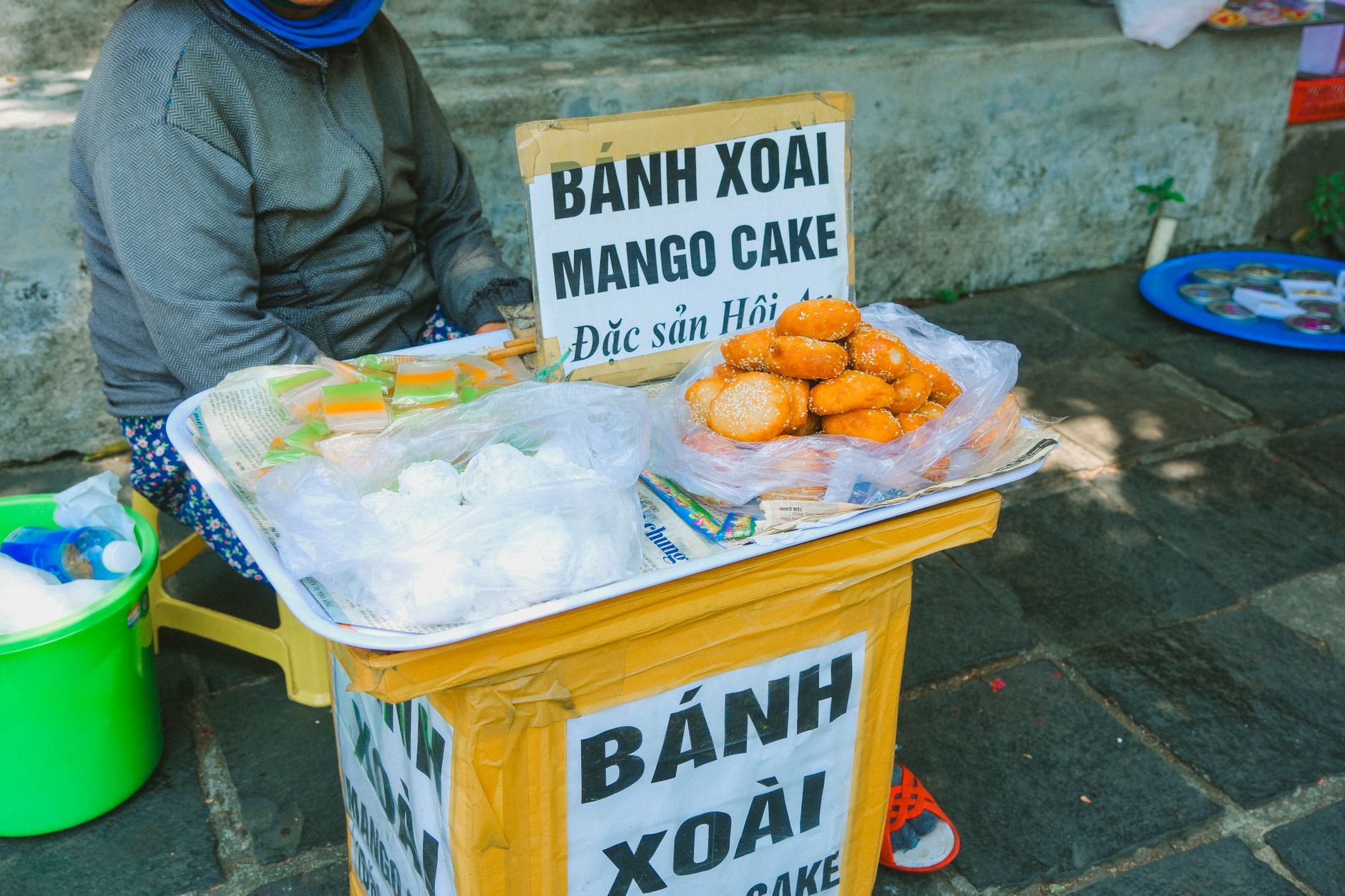
Skip the generic hotel buffet and head to the village markets for authentic Thai ethnic snacks. Here is what you need to find in Mai Chau.
Última atualização · May 30, 2026 · pesquisa independente, sem patrocínio.
Outros artigos sobre esta cidade.

Most travel insurance policies have gaps that matter specifically in Vietnam — motorbike coverage, medical evacuation, and hospital payment methods. Here is what to check before you buy.

…
Hotels, homestays, hostels — strongest inventory in Vietnam.
Spring in Vietnam is not one season — it's three different climates running simultaneously. Here's what the north, central, and south each deliver from March through May.
Tap water in Vietnam won't kill you for brushing your teeth, but the full picture is more nuanced than 'never drink it.' Here's what actually matters.
Outros artigos nesta região.
Winter in the north is damp, grey, and surprisingly chilly. Forget the tropical gear and pack for layering to survive the humidity.
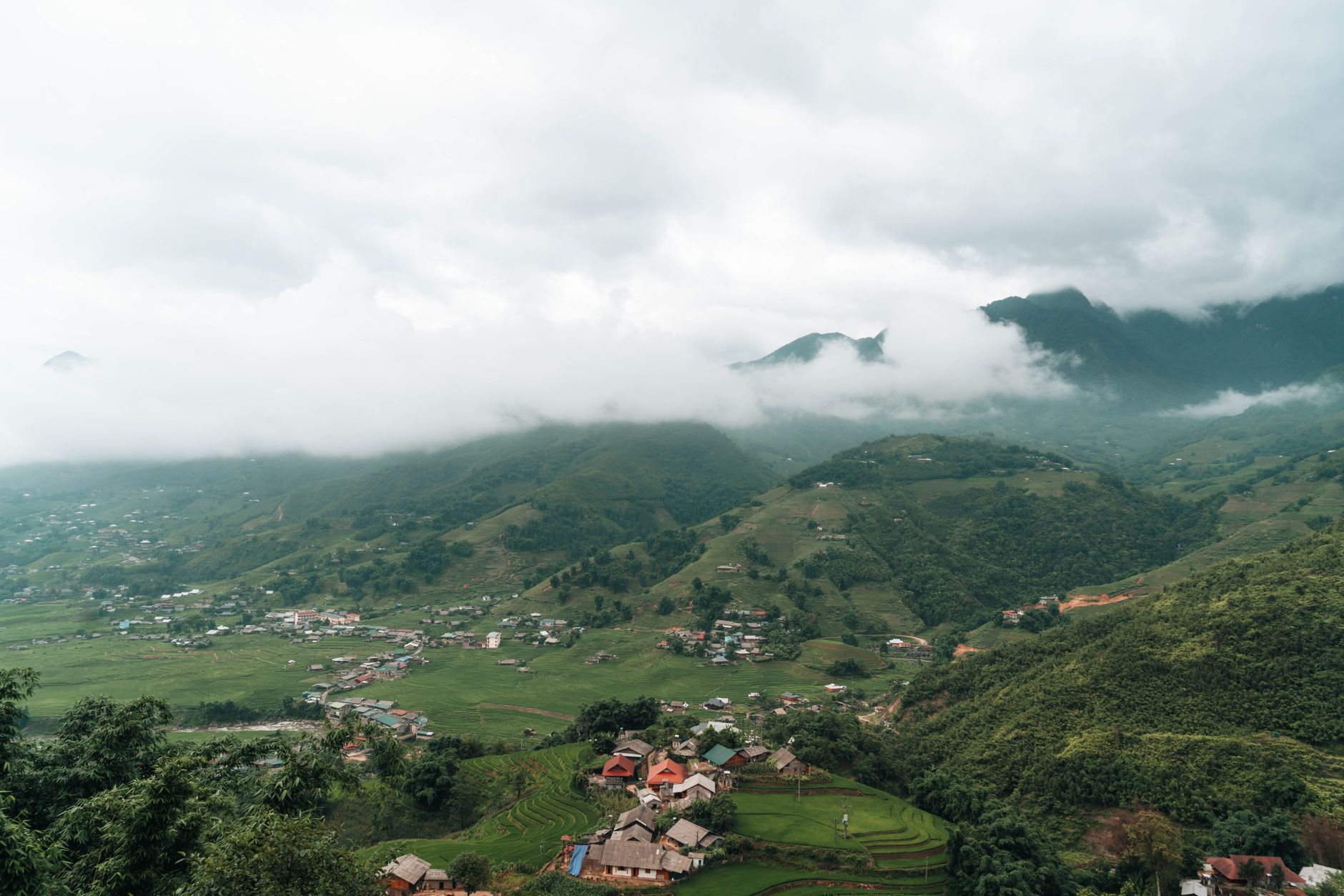
Y Ty is a Ha Nhi ethnic commune in Lao Cai province where sea-of-cloud mornings run from September to March — and almost nobody shows up compared to Sa Pa.

Y Ty's sea of fog is not a rumor — but it only appears reliably for a few weeks a year. Here's when to go, where to stand, and how to sleep close enough to catch it.
More articles from the same category.
Forget everything you know about standard noodle soup. In the Central Highlands city of Pleiku, the local obsession is 'pho kho', a two-bowl ritual that defines the region's breakfast culture.

Quy Nhon is often overlooked for its neighbors, but its rice-based specialties, particularly the local take on vermicelli, define the city's culinary identity.
Phu Yen is often overshadowed by its neighbors, but its rice-based specialties and deep-sea ingredients offer a distinct flavor profile worth the detour.

Discover the best spots to enjoy a steaming bowl of bun rieu in the cool mountain city of Pleiku, featuring local favorites, pricing, and what makes this highland version unique.

Skip the tourist packages and eat your way through My Tho. Here is a curated, morning-to-night food trail featuring the best local spots, from iconic noodle soups to hidden market sweets.

Vietnam's herbal tea tradition goes well beyond lotus tea. Artichoke, chrysanthemum, and voi leaf each have a devoted following — here's what they taste like and where to find them.
Most travelers arrive in Mai Chau for the quiet, green valley views, but the real reward is found in the local markets and small, family-run kitchens tucked into the stilt houses of Lac and Poom Coong villages. While many guesthouses serve a standard "set menu" of stir-fried vegetables and pork, the true soul of the region is found in the snacks that define the White Thai culture.
If you see a vendor standing over a charcoal fire with dozens of bamboo tubes, you have found "com lam". This is not just rice; it is a ritual. Sticky rice is packed into young bamboo stalks, seasoned with a pinch of salt, and roasted over an open flame until the exterior of the bamboo chars and the rice inside steams into a fragrant, slightly smoky log.
To eat it properly, you peel away the charred bamboo layer like a banana. The rice inside has a thin, translucent membrane from the bamboo that adds a subtle, earthy flavor. It is often served with "muoi vung" (a mix of crushed peanuts and salt) or grilled pork. You can find these at the entrance of any village market for about 10,000 to 15,000 VND per tube. It is the perfect portable fuel for a morning cycle through the rice paddies.
While you might have had pork elsewhere, the "thit lon man" (free-range pig) here is distinct. These pigs are raised by local families in the hills, often foraging for their own food, which results in a leaner, firmer meat. The most popular way to enjoy this is grilled over charcoal, often marinated with "mac khen"—a wild forest pepper that is similar to Sichuan peppercorn but with a more citrusy, floral punch.
When you order this in a village eatery, look for the pieces that have been skewered and grilled until the fat is rendered and crispy. A plate typically costs between 150,000 and 200,000 VND and is meant to be shared. It pairs exceptionally well with a glass of local rice wine, which is often brewed in the house where you are eating.
Do not rely on the main road restaurants that cater to large tour buses. Instead, walk deep into the smaller lanes of Lac Village. Look for houses that have a small fire going in the front yard or a sign that says "Com Thai". If you see locals sitting on low plastic stools eating, that is your cue.
Another great spot is the morning market in Mai Chau town. It starts early—around 6:00 AM—and is the best place to see the variety of produce, including wild forest greens and local herbs that you won't find in Hanoi. This is where you will find the freshest "com lam" and occasionally "banh chung" made with a distinct purple hue from local forest leaves.
When dining in a village home, it is common to sit on a floor mat. If you are offered rice wine, it is polite to accept at least one small cup. The food here is communal; don't be surprised if your host brings out extra dishes of "goi" (salads) made from banana flowers or forest ferns. These are seasonal and represent the best of what the valley offers at that moment.

Photo by Toàn Đỗ Công on Pexels
Carry small denominations of VND, as village vendors rarely have change for large bills. If you are sensitive to spice, ask about the "mac khen" levels, though it is generally numbing rather than fiery hot. Always try to eat before 7:30 PM, as village life in Mai Chau winds down early and kitchens often close shortly after sunset.