— HẾT —
Cập nhật lần cuối · May 29, 2026 · nghiên cứu độc lập, không tài trợ.
We use minimal analytics + ads (no personal tracking). See our privacy policy.
Spring in Vietnam is not one season — it's three different climates running simultaneously. Here's what the north, central, and south each deliver from March through May.

Cập nhật lần cuối · May 29, 2026 · nghiên cứu độc lập, không tài trợ.
Bài viết khác về thành phố này.

Locals live on Zalo, tourists default to WhatsApp — here's why that gap matters and how to bridge it before your trip.
…
Hotels, homestays, hostels — strongest inventory in Vietnam.
Winter in the north is damp, grey, and surprisingly chilly. Forget the tropical gear and pack for layering to survive the humidity.

Thousands of foreigners teach English or freelance in Vietnam on tourist visas. Here is what Vietnamese law actually says, when it gets enforced, and how to do it properly.
Bài viết khác trong vùng này.

The Wise debit card works well in Vietnam if you set it up right. Here's how to avoid fees, use the VND balance, and when it beats alternatives.

The Wise debit card works well in Vietnam if you know the fee structure. Here's how to use it at ATMs and merchants without losing money on bad rates.
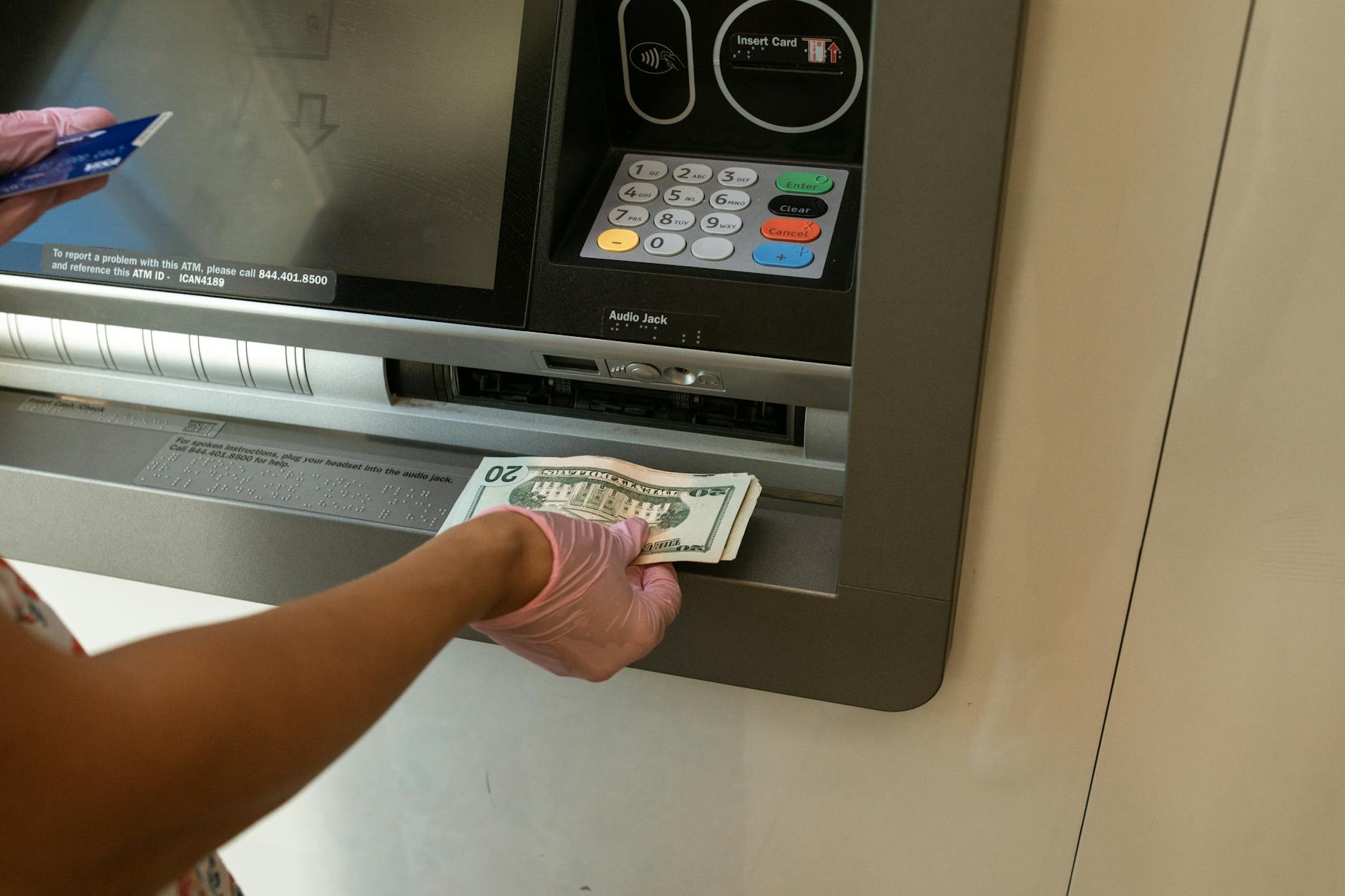
Vietnam runs on dong, but there are real situations where USD cash matters. Here is where you can actually pull USD from an ATM or bank counter.
More articles from the same category.

Forget the heavy gear. Packing for the Mekong Delta is about managing humidity, protecting your skin, and staying mobile on the water.

Wise works for sending VND to Vietnamese banks, but the process has quirks. Here's what fees to expect, which banks receive fastest, and why transfers get rejected.
Fees, speeds, and bank coverage compared for the three most-used international transfer services into Vietnam — so you pick the right one before you send.
Forget the resort-brochure packing lists. Here is the gear you actually need for Vietnam's coast, from the sands of Da Nang to the islands of Phu Quoc.
Mastering basic time and day markers in Vietnamese will save you from missed buses and confused taxi drivers. Here is the essential cheat sheet for your trip.

Most travel insurance policies have gaps that matter specifically in Vietnam — motorbike coverage, medical evacuation, and hospital payment methods. Here is what to check before you buy.
Spring in Vietnam (베트남 / 越南 / ベトナム) gets oversimplified. Travel sites call it "shoulder season" and leave it there. What actually happens is more interesting: three distinct weather patterns unfolding at the same time, each rewarding a different kind of trip.
March in the north is probably the best-kept open secret in Vietnamese travel. Hanoi shakes off the grey drizzle that defines January and February, temperatures sit between 18–24°C, and the city feels genuinely alive. The old quarters around Hoan Kiem are pleasant to walk without sweating through your shirt by 9am.
Up in the highlands, the payoff is bigger. Ha Giang's buckwheat flowers are gone by March, but the terraced fields around Sapa and Mai Chau start greening up as farmers prep for the wet-season planting. It's not the gold of October harvests, but the landscape is lush and the trekking trails are far less crowded than in autumn.
April nudges temperatures higher. Hanoi (하노이 / 河内 / ハノイ) hits 28–30°C by late April, and humidity builds. It's still manageable — nothing like August — but if you're planning a walking-heavy Hanoi itinerary, mornings are your ally. Early risers can catch the old market energy at Dong Xuan Market before the heat settles in.
May is where you make a decision. The north starts feeling properly hot and occasional downpours begin. It's not monsoon yet, but the writing is on the wall. If your trip extends into May, either be comfortable with heat or start weighting your time toward the central coast or south.
March through May is arguably the best window the central coast gets all year. Hue, Da Nang, and Hoi An all sit in the dry season right now — the monsoon that soaks this region from October to January is gone, and the intense heat of June–August hasn't arrived.
Daytime temperatures in Hoi An run 26–32°C by May, which is warm but nothing extreme if you take the midday hours slowly. Hue is slightly hotter and more humid, but for visiting the imperial tombs — the Tomb of Tu Duc, the Tomb of Khai Dinh — early morning visits in spring are genuinely comfortable rather than punishing.
Beach-wise, the stretch from Da Nang down through Lang Co is in good condition. The sea is calm, water clarity is decent, and you're not competing with the peak-summer domestic crowd that descends in July. Accommodation prices at Da Nang beachfront hotels reflect this — expect 20–30% lower rates than July–August.
Hoi An in spring is worth the cliché. The Ancient Town gets busy on weekends with domestic tourists, but weekday mornings are quiet enough to actually appreciate the architecture. If you're heading out to Cu Lao Cham for snorkeling, May gives you the best sea conditions before the weather turns unpredictable.
For history-focused travelers, the drive along the central corridor — Hue to My Son — is genuinely rewarding in spring. The Cham ruins at My Son are surrounded by vegetation that looks its best when it's had some rain but isn't waterlogged.

Photo by Nguyen Ngoc Tien on Pexels
Saigon and the Mekong Delta are deep in dry season through April, then the rains arrive in May. This is important to understand: the south's dry season runs November through April, so by March you're toward the tail end of the best weather rather than the beginning.
Saigon in March and April is hot — 33–36°C is normal — but consistently dry, which matters. Outdoor eating is comfortable in the evenings, and the street food scene is as reliable as ever year-round. "Com tam", "banh mi", "goi cuon" — none of it cares what month it is, and neither do the vendors.
The Mekong Delta benefits from March–April as the last gasp of dry season. Can Tho's floating markets are accessible, the river roads are navigable, and the fruit orchards around the delta are heavy with produce. It's a good time to travel here before May's rains make some rural routes muddy and slow.
Phu Quoc sits just offshore and follows a similar pattern. Dry through April, transitional in May. The west coast beaches are at their best condition right now — flat water, long stretches of sand without the rain-season chop.
May in the south changes the calculation. Saigon gets afternoon downpours that are intense but usually brief — the city doesn't flood the way it does in peak wet season (August–October), but travel gets less predictable. Budget extra time between things.
Photo by Nguyen Ngoc Tien on Pexels
Spring's real strength is the central coast — March through April especially, when Hoi An and Da Nang hit a sweet spot most of the year doesn't offer. The north is excellent through April if you go before the heat builds. The south rewards the traveler who arrives early in spring rather than late. If you're building a multi-region itinerary across March–April, a logical flow is Hanoi north → central coast south → Saigon, chasing the seasonal advantages rather than fighting them.