— HẾT —
Cập nhật lần cuối · May 30, 2026 · nghiên cứu độc lập, không tài trợ.
We use minimal analytics + ads (no personal tracking). See our privacy policy.
Vietnam's wellness scene has matured fast. Here's how to spend 7 days across four retreats — Hoi An, Da Lat, Phu Quoc, and Mai Chau — depending on your pace and budget.
Bài viết khác về thành phố này.

Da Lat has quietly become Vietnam's most liveable remote-work base — cool air, cheap rent, and more cafes than you can reasonably test in a month.
…
Hotels, homestays, hostels — strongest inventory in Vietnam.
Thousands of foreigners teach English or freelance in Vietnam on tourist visas. Here is what Vietnamese law actually says, when it gets enforced, and how to do it properly.
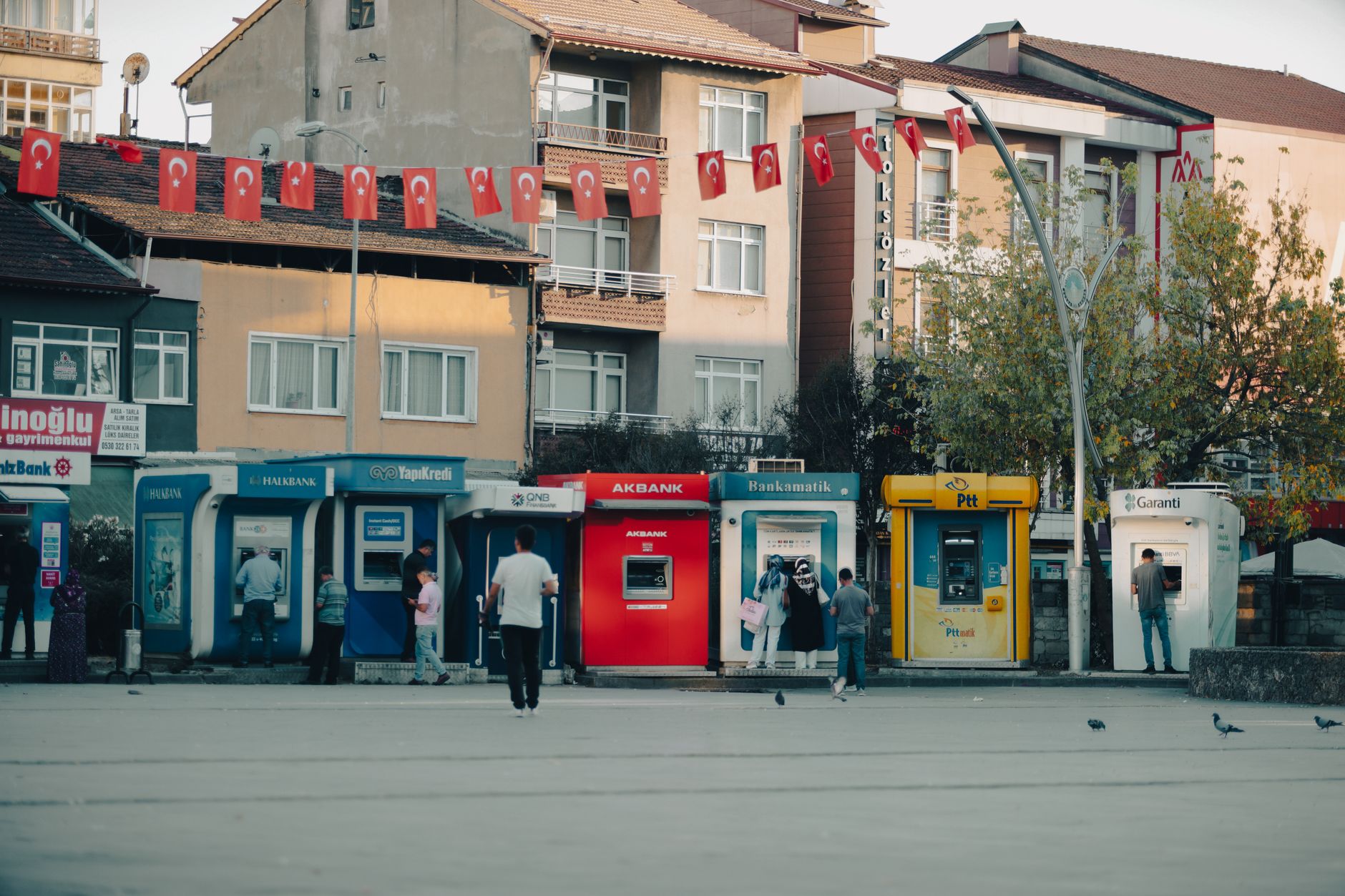
The Wise debit card works well in Vietnam if you know the fee structure. Here's how to use it at ATMs and merchants without losing money on bad rates.
Bài viết khác trong vùng này.

The Wise debit card works well in Vietnam if you set it up right. Here's how to avoid fees, use the VND balance, and when it beats alternatives.
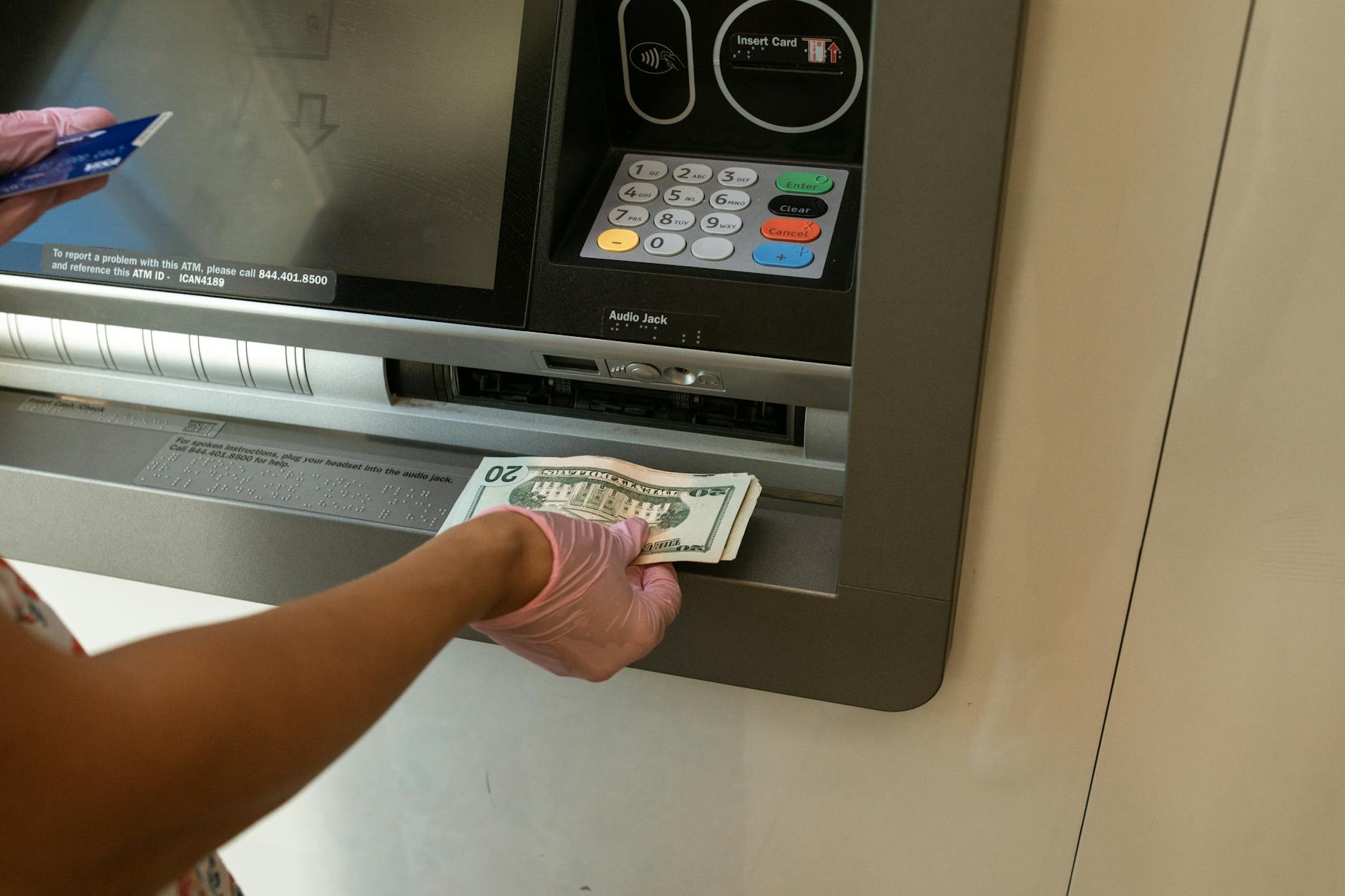
Vietnam runs on dong, but there are real situations where USD cash matters. Here is where you can actually pull USD from an ATM or bank counter.

Wise works for sending VND to Vietnamese banks, but the process has quirks. Here's what fees to expect, which banks receive fastest, and why transfers get rejected.
More articles from the same category.

Hoi An is slow, cheap, and surprisingly well-connected. Here is what a working month actually looks like — costs, internet, and where to sit with a laptop.

Hoi An works better as a slow-living base than most people expect — if you know where to sleep, where to plug in, and how far your budget actually stretches.

Da Lat has quietly become Vietnam's most livable remote-work base — cool air, cheap rent, and a cafe scene dense enough to keep you caffeinated for months.

Skip the crowded highways and ride this 4-day motorbike loop from Quy Nhon through the dramatic cliffs of Phu Yen and the quiet valleys of the Central Highlands.

From Da Lat's hillside wineries to Hanoi's old-quarter street food, this 8-day itinerary connects Vietnam's most distinctive food cultures in one focused trip.
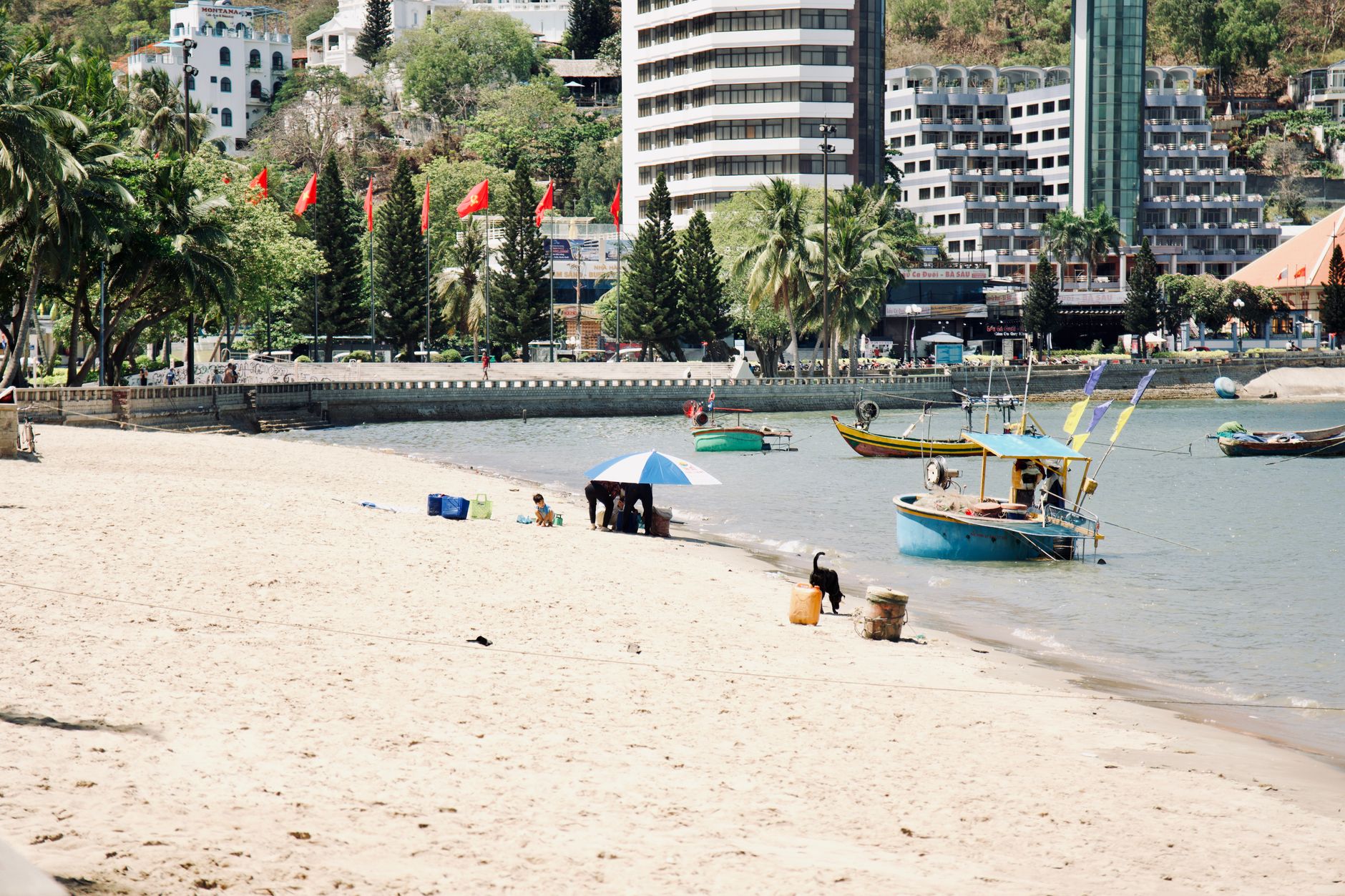
Escape the weekend crowds with this slow-paced, five-day family itinerary to Vung Tau, featuring kid-friendly seafood spots, shaded walks, and quiet coastal day trips.
Vietnam (베트남 / 越南 / ベトナム) is not the first country that comes to mind for yoga retreats, but it probably should be. The range here — from mist-wrapped highlands to white-sand islands — gives you settings that purpose-built retreat destinations like Bali or Chiang Mai can't replicate in one trip. This itinerary maps a 7-day circuit across four of the country's strongest wellness properties, with honest notes on what each actually delivers.
This isn't a resort review loop for its own sake. Each stop has a genuinely different character — climate, landscape, energy. You can do all four if you have the logistics tolerance, or pull out one or two as standalone escapes. Flights between Hoi An (Da Nang airport), Da Lat, and Phu Quoc are short and cheap on Vietjet or Bamboo Airways; Mai Chau is a 3.5-hour drive from Hanoi.
Hoi An (호이안 / 会安 / ホイアン) is the easiest entry point for a wellness trip because the town itself does half the work. Traffic is light, the streets are walkable, and the general pace is slower than Saigon or Hanoi by several gears.
The Anam Hoi An sits on Cua Dai Beach, about 4 km from the old town. It runs daily yoga classes — typically Hatha in the morning, Yin in the evenings — in an open-air sala facing the garden. The instruction level is competent rather than specialist; this is a hotel with a wellness program, not a dedicated ashram. That's fine if you want flexibility: skip a session, rent a bicycle, ride into Hoi An for a bowl of "cao lau" at Trung Bac on Tran Phu Street (around 40,000 VND), and be back for a 90-minute massage before dinner.
The beach itself is quieter than it used to be after erosion took some of the sandbar, but mornings before 8am are genuinely peaceful for personal practice. Bring your own mat if you're particular about grip.
Best for: First-timers to Vietnam wellness travel who want culture access alongside retreat time.
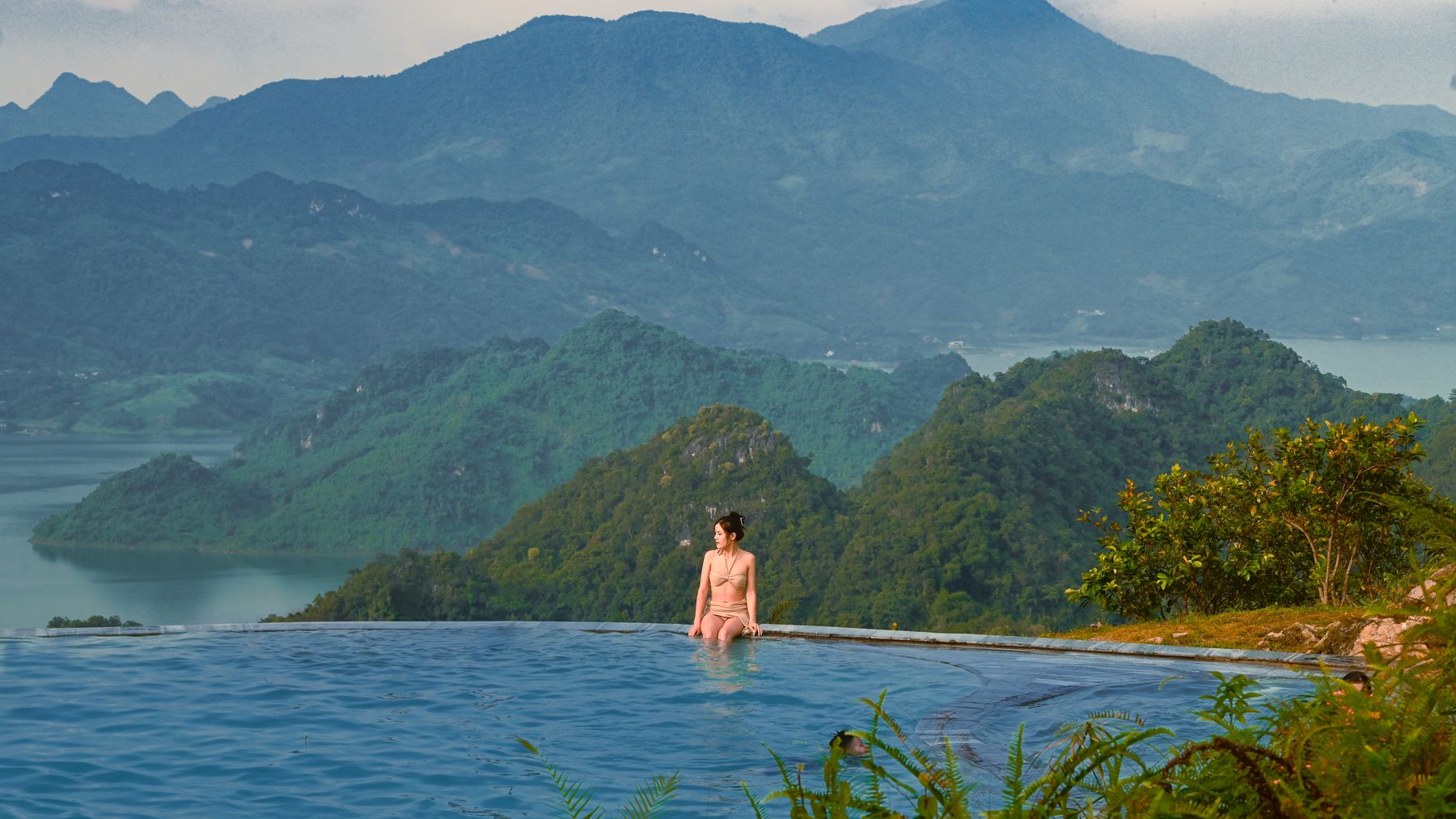
Photo by Nguyen Ngoc Tien on Pexels
Fly or drive to Da Lat (1,500m elevation, average temperature 18–22°C year-round) and the climate shift alone feels like a detox. The Anam Da Lat occupies a French colonial-era building in the pine hills above the city — heritage architecture, fireplaces in some rooms, and a wellness center that leans into the mountain setting with forest walks and cold-mist therapies.
Yoga here is practiced in a high-ceilinged studio rather than an outdoor pavilion, which is the right call given Da Lat's unpredictable afternoon rain. Morning sessions often incorporate breathwork suited to the altitude. If you have time between sessions, the city rewards wandering: the Xuan Huong Lake circuit is a 5 km loop that takes about an hour on foot, and the covered market on Nguyen Thi Minh Khai sells fresh strawberries and artichoke tea that locals drink the way Hanoians drink "lotus tea" — habitually and seriously.
Da Lat also has a small but real community of independent yoga studios (Saola Yoga, Yoga Tree) if you want a class outside the hotel bubble. Drop-in rates run around 120,000–150,000 VND.
Best for: Anyone who finds beach resorts overstimulating. The cool air and pine-forest setting shift the nervous system in a way that flat coastal locations don't.
Phu Quoc has developed fast — too fast in some corners — but the southwest coast near Ong Lang Beach still holds quieter pockets. The Salinda Resort sits on a private stretch of beach here, and it's the most refined of the four stops on this itinerary in terms of physical design: infinity pool at the cliff edge, good lighting, staff that anticipates rather than reacts.
The yoga program runs twice daily (6:30am and 5pm) in a beachfront pavilion. Instruction quality is a step above average resort yoga — the property has invested in instructors who can run proper flow sequences, not just lead stretching sessions labeled as yoga. The spa menu includes traditional Vietnamese massage techniques alongside Balinese and hot-stone options; book the "dam bong" (Vietnamese pressure-point massage) if they have availability, it differs from what you'd find at a Thai-influenced spa.
Use the midday hours for open water. The snorkeling off the southern tip of the island around An Thoi is still decent if you go with a reputable operator — ask the resort to arrange rather than booking independently at the pier, where quality varies.
Best for: Wind-down days. After Da Lat's pace and Hoi An's cultural pull, Phu Quoc is where you stop making plans.
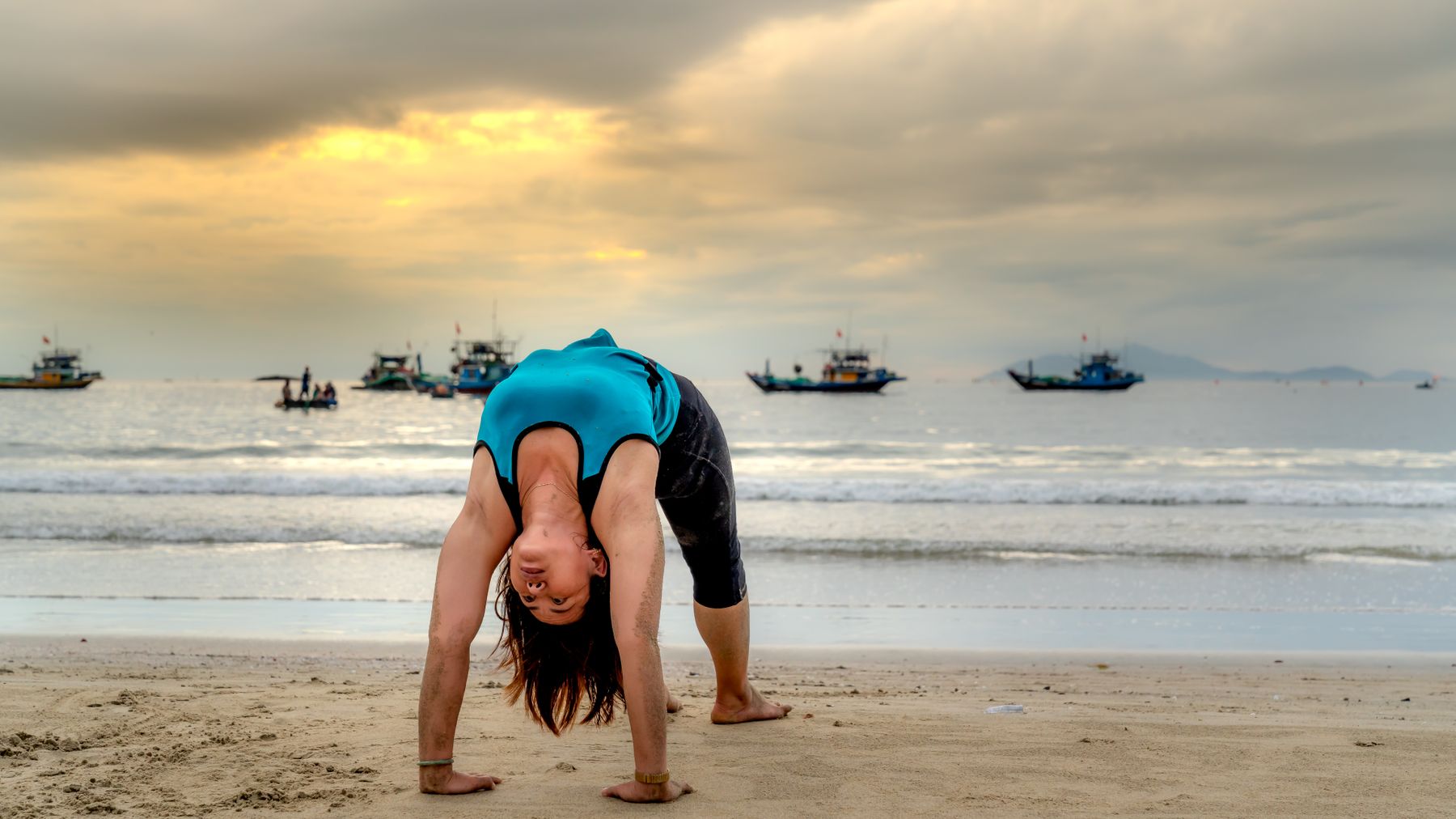
Photo by Quang Nguyen Vinh on Pexels
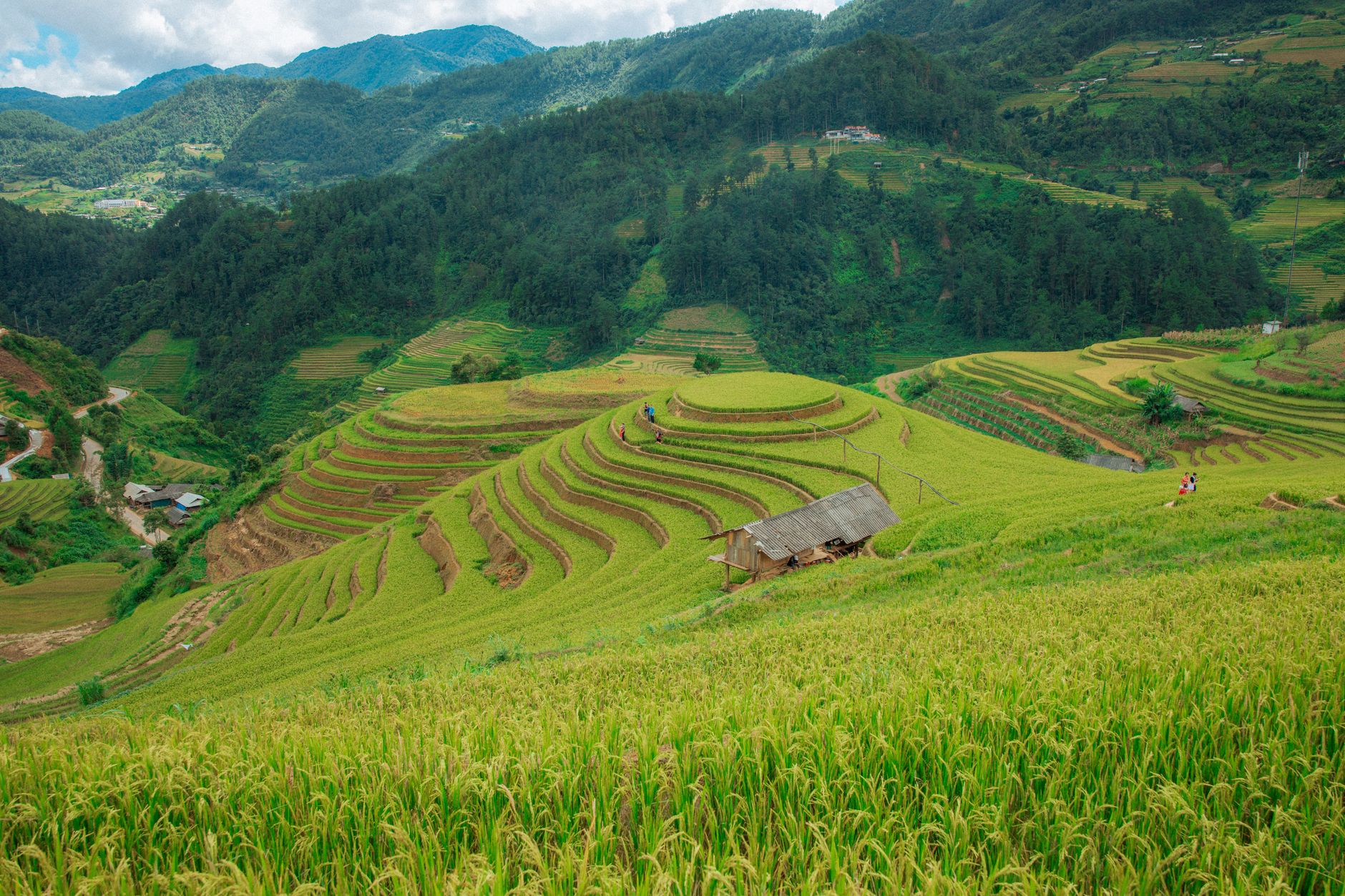
Mai Chau is technically a detour from the island-and-coast circuit, and getting there requires flying back through Hanoi. Whether that's worth it depends on what you're after. If the answer is landscape immersion — paddy fields, limestone karsts, White Thai stilt villages — then Avana Retreat earns its place on this list.
The property sits directly in the valley, surrounded by working rice fields. Yoga is practiced on open decks overlooking the paddies; at 6am, with mist sitting in the valley and water buffalo moving in the distance, it's the kind of setting that stops being backdrop and becomes the actual practice. The retreat offers structured programs (minimum 2 nights) that combine yoga, meditation, and guided village walks — more intentional than the other stops on this list.
Food here is worth noting: the kitchen sources locally and prepares simplified versions of northern Vietnamese dishes. Sticky rice eaten communal-style with grilled pork and fresh herbs is breakfast, not an afterthought.
Best for: The final day, or the only day, if you want a retreat that feels genuinely removed from the tourist circuit.
Budget roughly 3,000,000–6,000,000 VND per night depending on property and season; Salinda and Anam properties sit at the higher end. Internal flights (Da Nang–Da Lat, Da Lat–Phu Quoc) average 600,000–1,200,000 VND booked 2–3 weeks out. Pack light layers for Da Lat regardless of when you travel — the evenings drop sharply even in April.