— HẾT —
Cập nhật lần cuối · May 30, 2026 · nghiên cứu độc lập, không tài trợ.
We use minimal analytics + ads (no personal tracking). See our privacy policy.
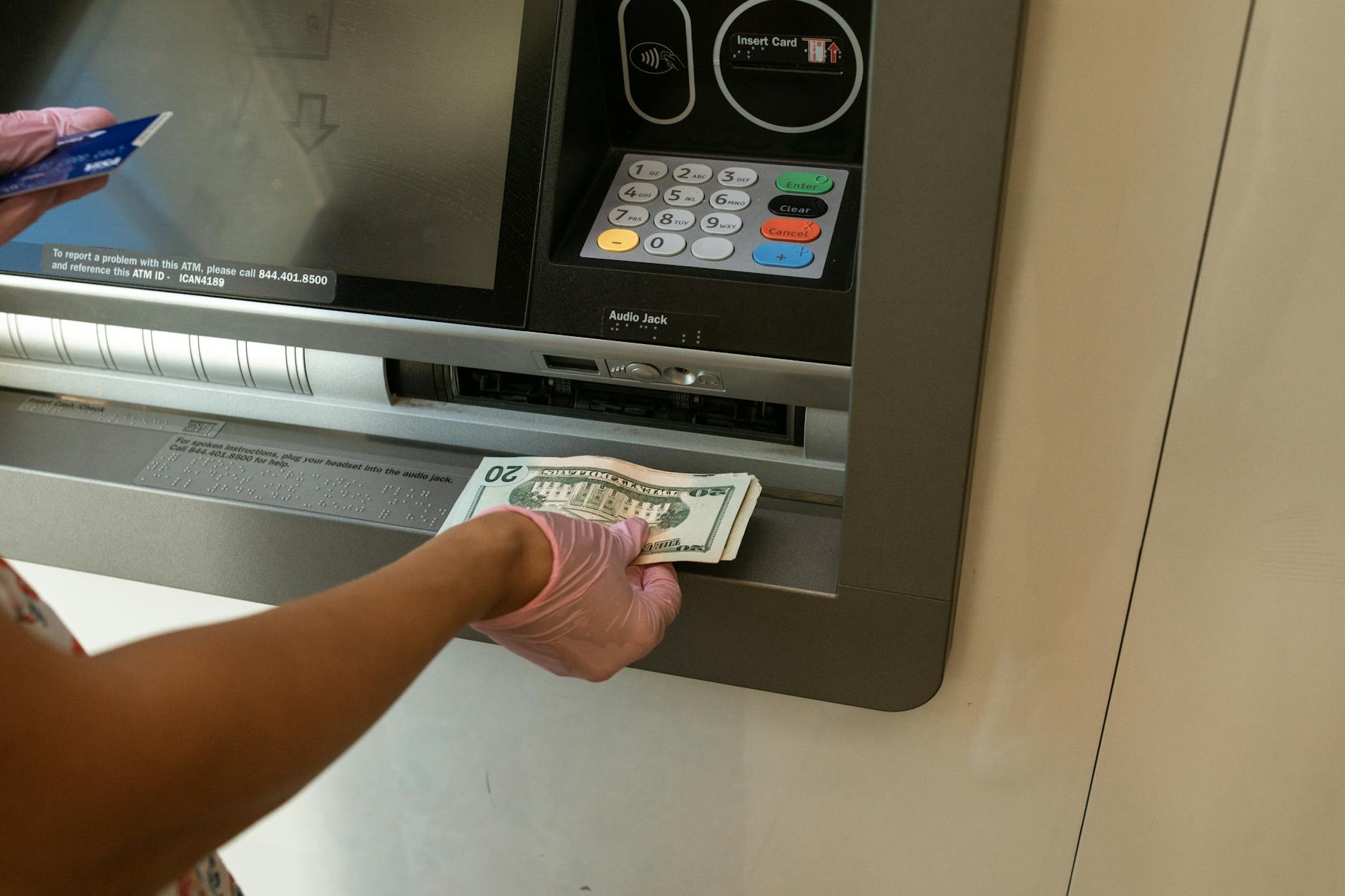
Vietnam runs on dong, but there are real situations where USD cash matters. Here is where you can actually pull USD from an ATM or bank counter.
Cập nhật lần cuối · May 30, 2026 · nghiên cứu độc lập, không tài trợ.
Bài viết khác trong vùng này.
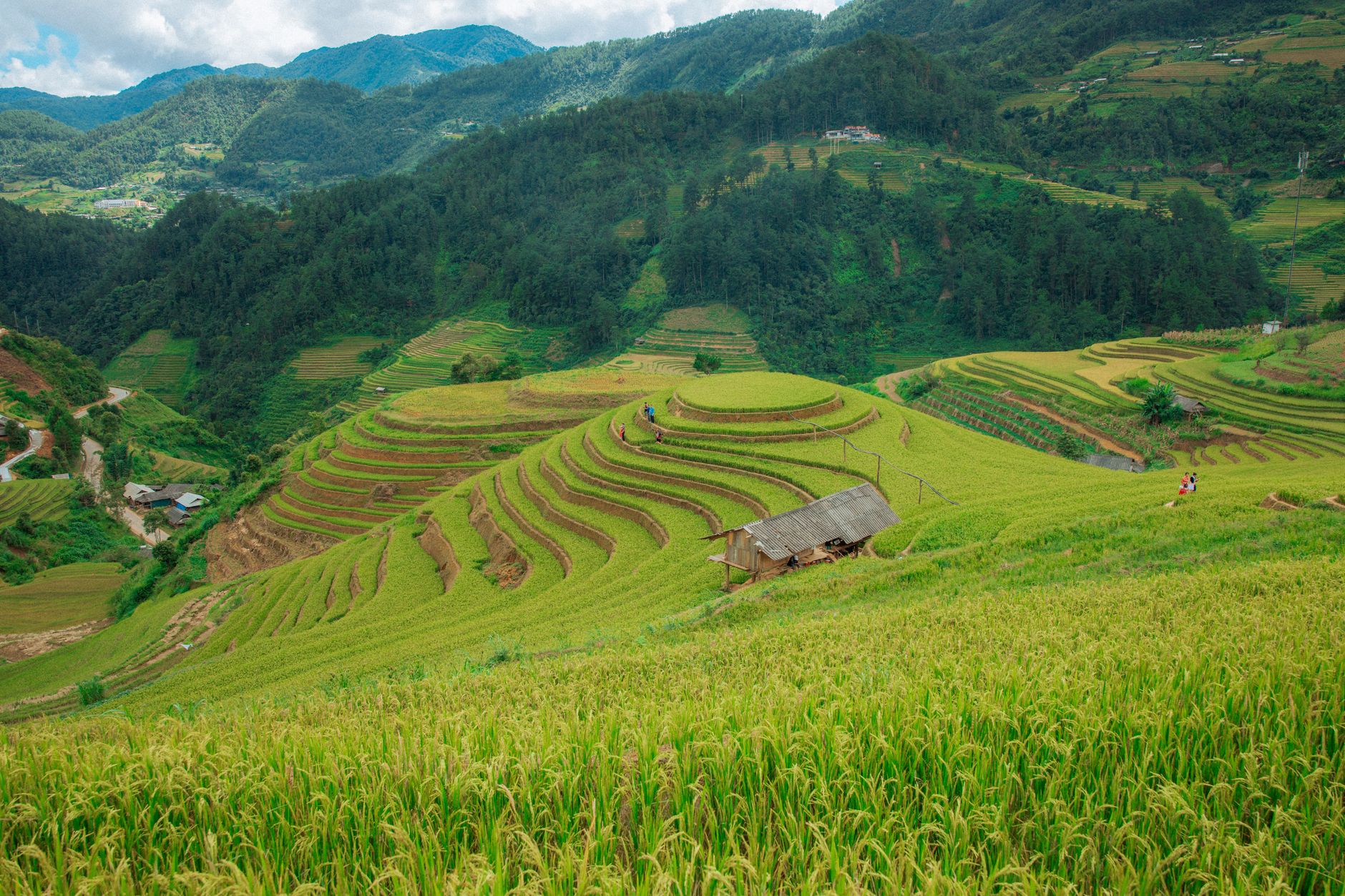
Vietnam's wellness scene has matured fast. Here's how to spend 7 days across four retreats — Hoi An, Da Lat, Phu Quoc, and Mai Chau — depending on your pace and budget.

…
Hotels, homestays, hostels — strongest inventory in Vietnam.
Locals live on Zalo, tourists default to WhatsApp — here's why that gap matters and how to bridge it before your trip.

Thousands of foreigners teach English or freelance in Vietnam on tourist visas. Here is what Vietnamese law actually says, when it gets enforced, and how to do it properly.
More articles from the same category.
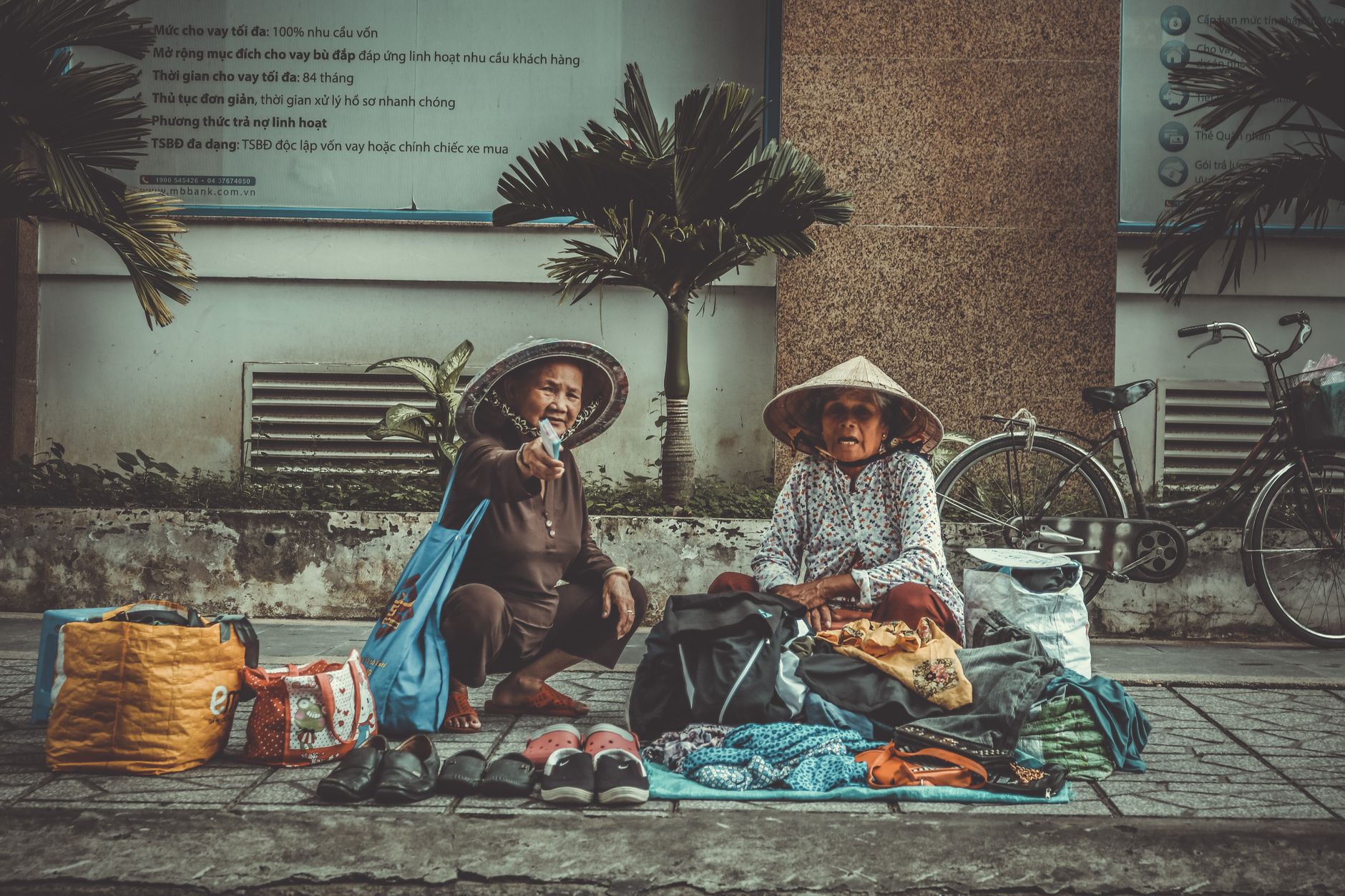
Forget the heavy gear. Packing for the Mekong Delta is about managing humidity, protecting your skin, and staying mobile on the water.

Winter in the north is damp, grey, and surprisingly chilly. Forget the tropical gear and pack for layering to survive the humidity.
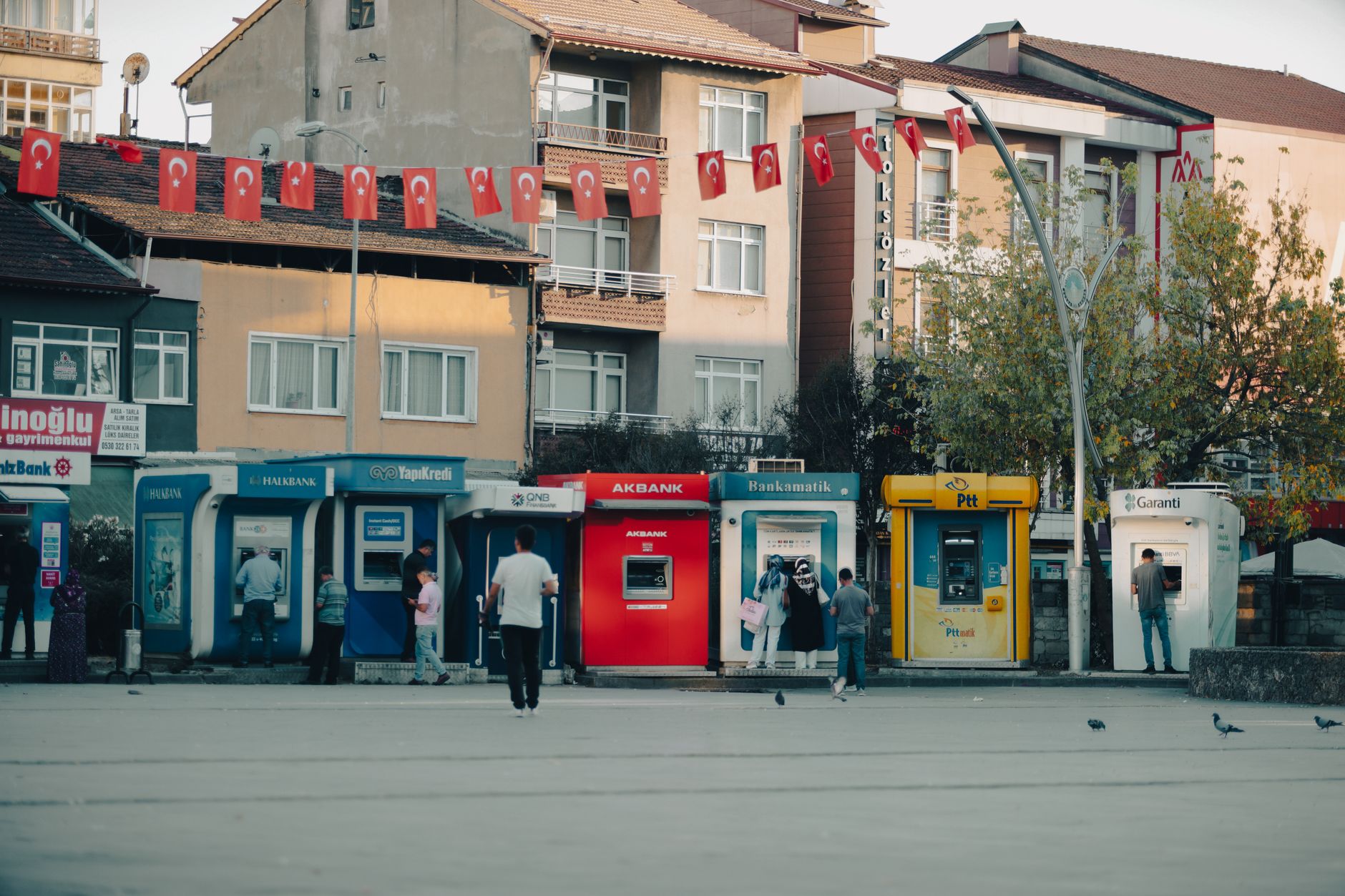
The Wise debit card works well in Vietnam if you know the fee structure. Here's how to use it at ATMs and merchants without losing money on bad rates.

Wise works for sending VND to Vietnamese banks, but the process has quirks. Here's what fees to expect, which banks receive fastest, and why transfers get rejected.
Fees, speeds, and bank coverage compared for the three most-used international transfer services into Vietnam — so you pick the right one before you send.
Forget the resort-brochure packing lists. Here is the gear you actually need for Vietnam's coast, from the sands of Da Nang to the islands of Phu Quoc.
Most of your spending in Vietnam (베트남 / 越南 / ベトナム) will be in dong (VND), and that is fine — ATMs are everywhere and the exchange rate you get on a foreign card is usually reasonable. But there are specific moments when having USD in your wallet is genuinely useful, and knowing how to get it here saves you the hassle of sourcing it before you fly.
Vietnam officially transacts in VND. You cannot legally pay for a bowl of "pho" or a xe om ride in dollars. But USD occupies a parallel role in a few specific contexts: upmarket hotels that quote rack rates in dollars, organized tours that price in USD, and — most practically — land border crossings into Cambodia, where USD is the functional currency on both sides. Arriving at the Moc Bai or Ha Tien border without dollars means scrambling at a money changer with poor rates. Having 50–100 USD in your pocket smooths things out considerably.
This is where most guides go vague. The honest answer is: fewer banks than you would expect, and branch-dependent even among those that officially offer it.
Vietcombank is the most consistent option. Larger branches in Hanoi (the Hoan Kiem and Ba Dinh branches are reliable) and Saigon (the branch on Nguyen Hue is a good bet) maintain USD cash reserves and will dispense it over the counter with a foreign passport and a debit or credit card. You are not using an ATM for this — you are going to the teller, asking specifically for a USD withdrawal against your foreign card. Expect to show your passport. The fee is typically around 40,000–60,000 VND per transaction plus whatever your home bank charges internationally.
Vietcombank ATMs do not dispense USD. The machine gives dong only.
BIDV branches in major cities occasionally offer USD counter withdrawals, but it is inconsistent. Agribank is similar — possible in theory, spotty in practice. If you are in a smaller city like Hue (후에 / 顺化 / フエ) or Ha Giang, do not count on either.
HSBC branches in Hanoi and Saigon are the most straightforward for foreigners. If you hold an HSBC account internationally, the process is seamless. Even without one, counter staff are accustomed to handling foreign-card transactions and can often dispense USD in denominations of 50s or 100s. Fees are on the higher side — factor in a service charge of roughly 1–1.5% of the withdrawn amount on top of any foreign transaction fee.
Shinhan (Korean-owned, strong presence in Vietnam) offers USD withdrawals at counter in Hanoi and Saigon branches. Useful if you are in District 1 in Saigon — the Nguyen Hue branch handles it without much fuss.
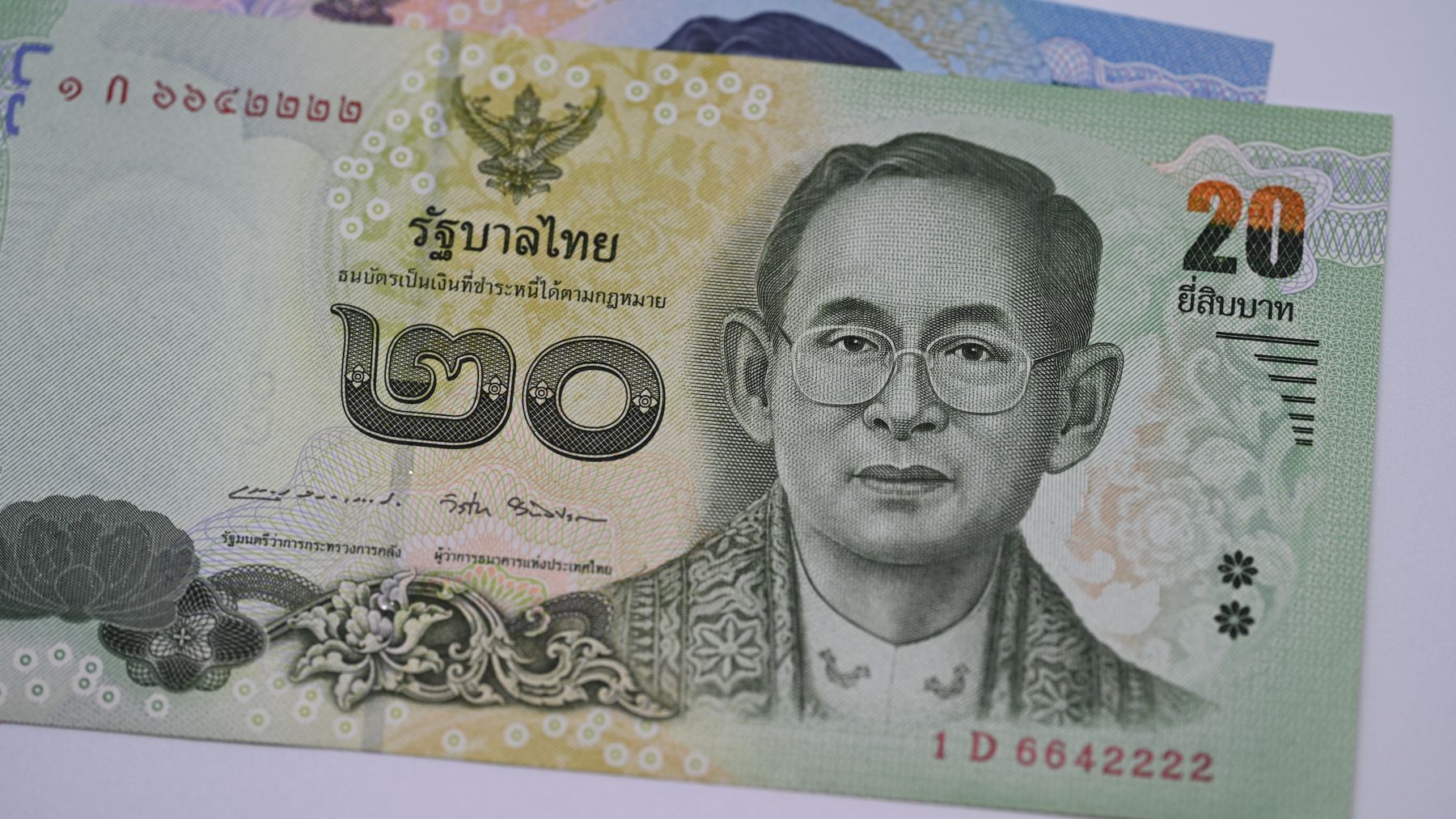
Photo by Qing Luo on Pexels
There is no ATM in Vietnam that will hand you USD bills. Full stop. Every ATM in the country — whether it is a Vietcombank, Techcombank, or international machine — dispenses VND only.
To get USD, you go to a bank teller during business hours (typically 8:00–11:30 and 13:00–16:30, Monday to Friday; Saturday mornings at some branches). Bring your passport — they will photocopy it. Have your foreign debit or credit card ready. Tell the teller you want to withdraw USD against your foreign card. Minimum amounts are usually 100 USD; many branches cap same-day counter withdrawals at 500–1,000 USD for non-account holders.
Call ahead if you can. In Vietnamese: "Ngan hang co rut tien USD khong?" — roughly "Does the bank offer USD withdrawal?" A quick phone call saves a wasted trip.
Count on three layers of cost:
All in, withdrawing 200 USD might cost you the equivalent of 6–8 USD in fees. Not catastrophic, but worth knowing.
If you are a Wise or Revolut user, your card will still only pull VND from Vietnamese ATMs. You would need to do a counter transaction at a bank, same as anyone else.
Photo by Qing Luo on Pexels
Cambodia border crossings. If you are crossing overland at Moc Bai (Saigon to Phnom Penh), Vinh Xuong (Chau Doc to Phnom Penh by boat), or Ha Tien to Kep, USD is what moves things along — visas, transport, guesthouses on the Cambodian side all price in dollars.
Premium hotels quoting in USD. Some resort properties in Phu Quoc, Da Nang, and Hoi An quote and prefer USD for room deposits or settle-in-cash situations. You can usually pay by card, but having USD avoids the dynamic currency conversion trap at the front desk.
Upscale tour operators. Halong Bay and Ninh Binh cruise operators, some Ha Giang loop agencies — USD is accepted and sometimes preferred for final balances.
For everything else — street food, local transport, markets, guesthouses — VND is what you need and what you should use. Trying to spend USD at a "banh mi" stall or a Dong Xuan Market vendor just creates awkward change situations for everyone.
USD withdrawals in Vietnam are possible but require going to a bank counter, not an ATM, and sticking to larger branches of Vietcombank, HSBC, or Shinhan in major cities. Budget for fees of roughly 3–5% all-in, and only bother if you have a genuine reason — a Cambodia crossing, a resort that wants dollars, or a tour balance. For daily life in Vietnam, pull VND and spend VND.