— HẾT —
Cập nhật lần cuối · May 30, 2026 · nghiên cứu độc lập, không tài trợ.
We use minimal analytics + ads (no personal tracking). See our privacy policy.
Getting greetings right in Vietnam is less about memorizing rules and more about reading age and context. Here is what you actually need to know.

Cập nhật lần cuối · May 30, 2026 · nghiên cứu độc lập, không tài trợ.
Bài viết khác trong vùng này.
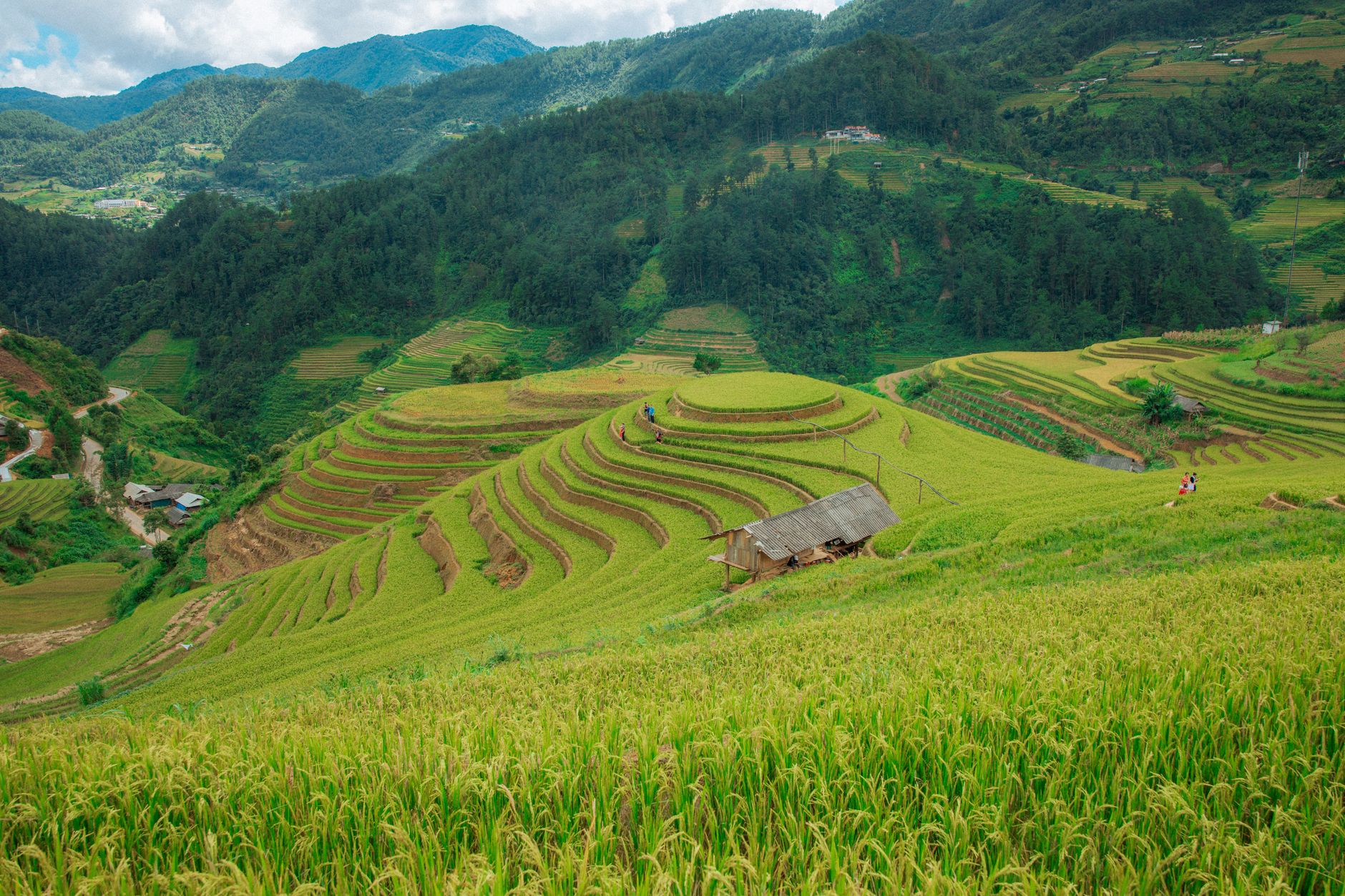
Vietnam's wellness scene has matured fast. Here's how to spend 7 days across four retreats — Hoi An, Da Lat, Phu Quoc, and Mai Chau — depending on your pace and budget.

…
Hotels, homestays, hostels — strongest inventory in Vietnam.
Locals live on Zalo, tourists default to WhatsApp — here's why that gap matters and how to bridge it before your trip.

Thousands of foreigners teach English or freelance in Vietnam on tourist visas. Here is what Vietnamese law actually says, when it gets enforced, and how to do it properly.
More articles from the same category.
Forget the heavy gear. Packing for the Mekong Delta is about managing humidity, protecting your skin, and staying mobile on the water.

Winter in the north is damp, grey, and surprisingly chilly. Forget the tropical gear and pack for layering to survive the humidity.
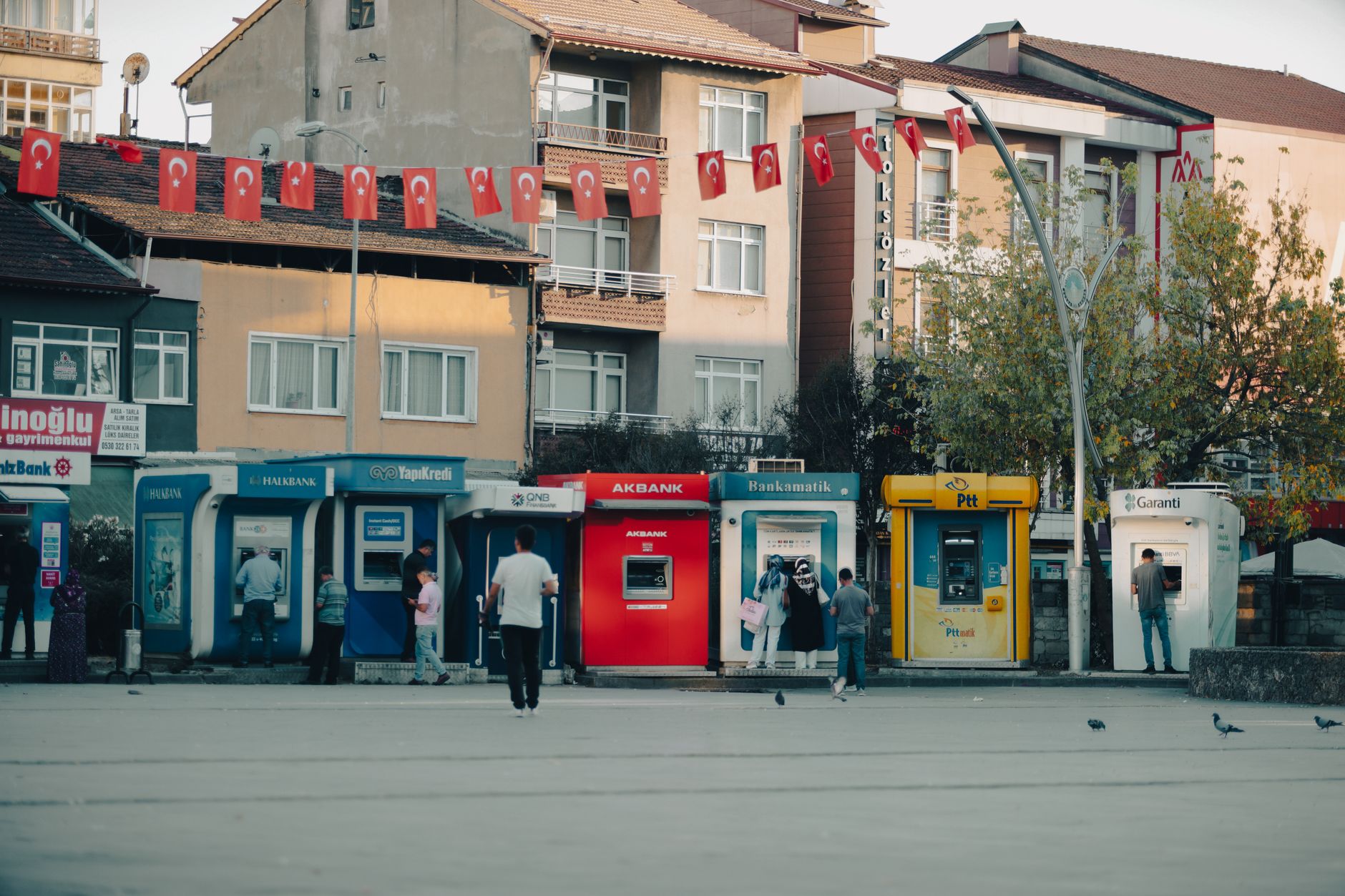
The Wise debit card works well in Vietnam if you know the fee structure. Here's how to use it at ATMs and merchants without losing money on bad rates.
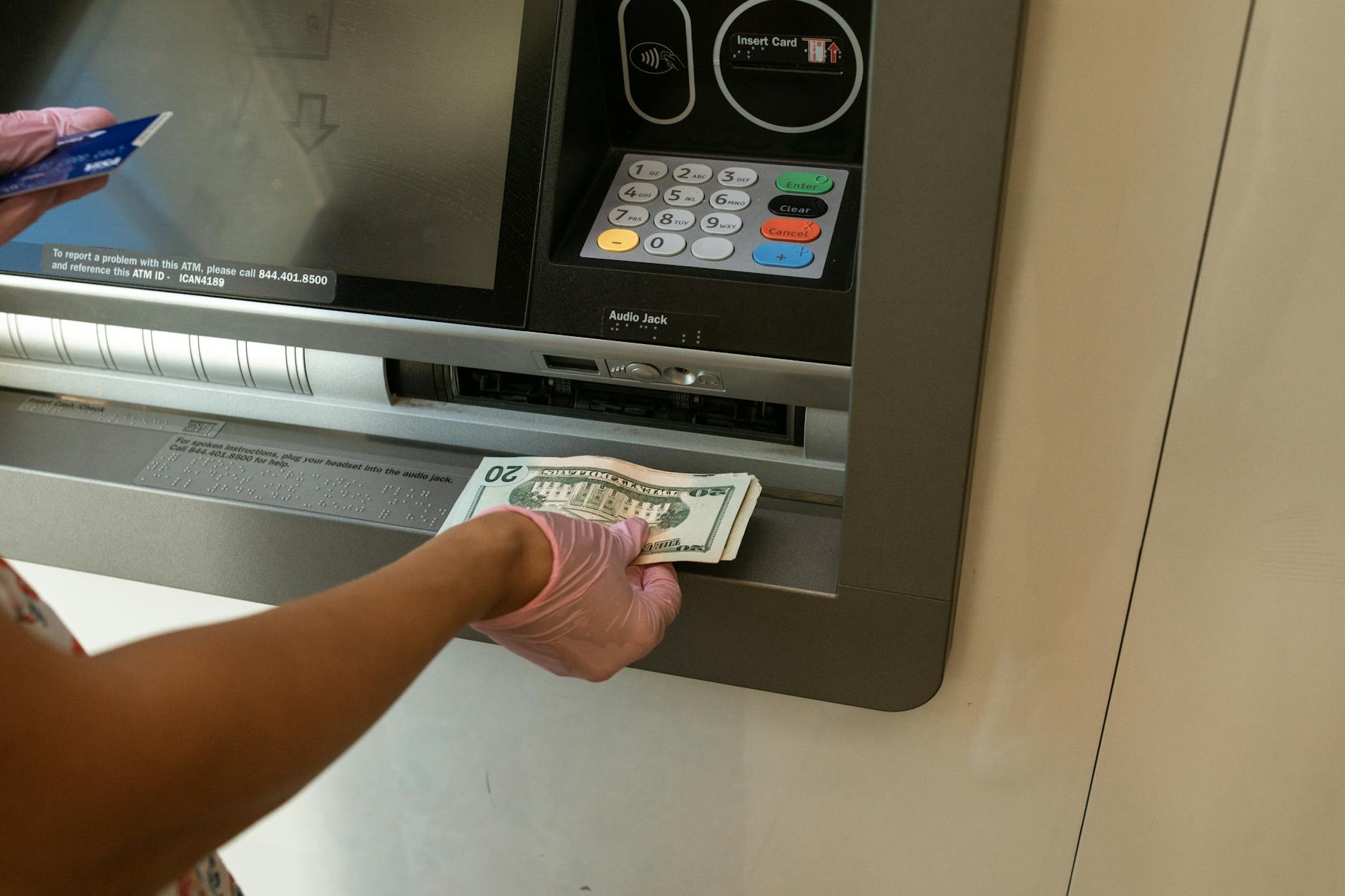
Vietnam runs on dong, but there are real situations where USD cash matters. Here is where you can actually pull USD from an ATM or bank counter.

Wise works for sending VND to Vietnamese banks, but the process has quirks. Here's what fees to expect, which banks receive fastest, and why transfers get rejected.
Fees, speeds, and bank coverage compared for the three most-used international transfer services into Vietnam — so you pick the right one before you send.
First-time visitors to Vietnam (베트남 / 越南 / ベトナム) often freeze up when meeting locals — unsure whether to extend a hand, nod, bow, or do all three at once. The system is logical once you understand it, and locals are patient with foreigners who make the effort.
Handshakes are standard in professional and urban settings — offices, hotels, tour guides meeting clients, business introductions in Hanoi or Saigon. A firm but not aggressive grip is fine. Two-handed handshakes (right hand shaking, left hand placed on the forearm or wrist) signal extra respect and are common when greeting someone older or more senior.
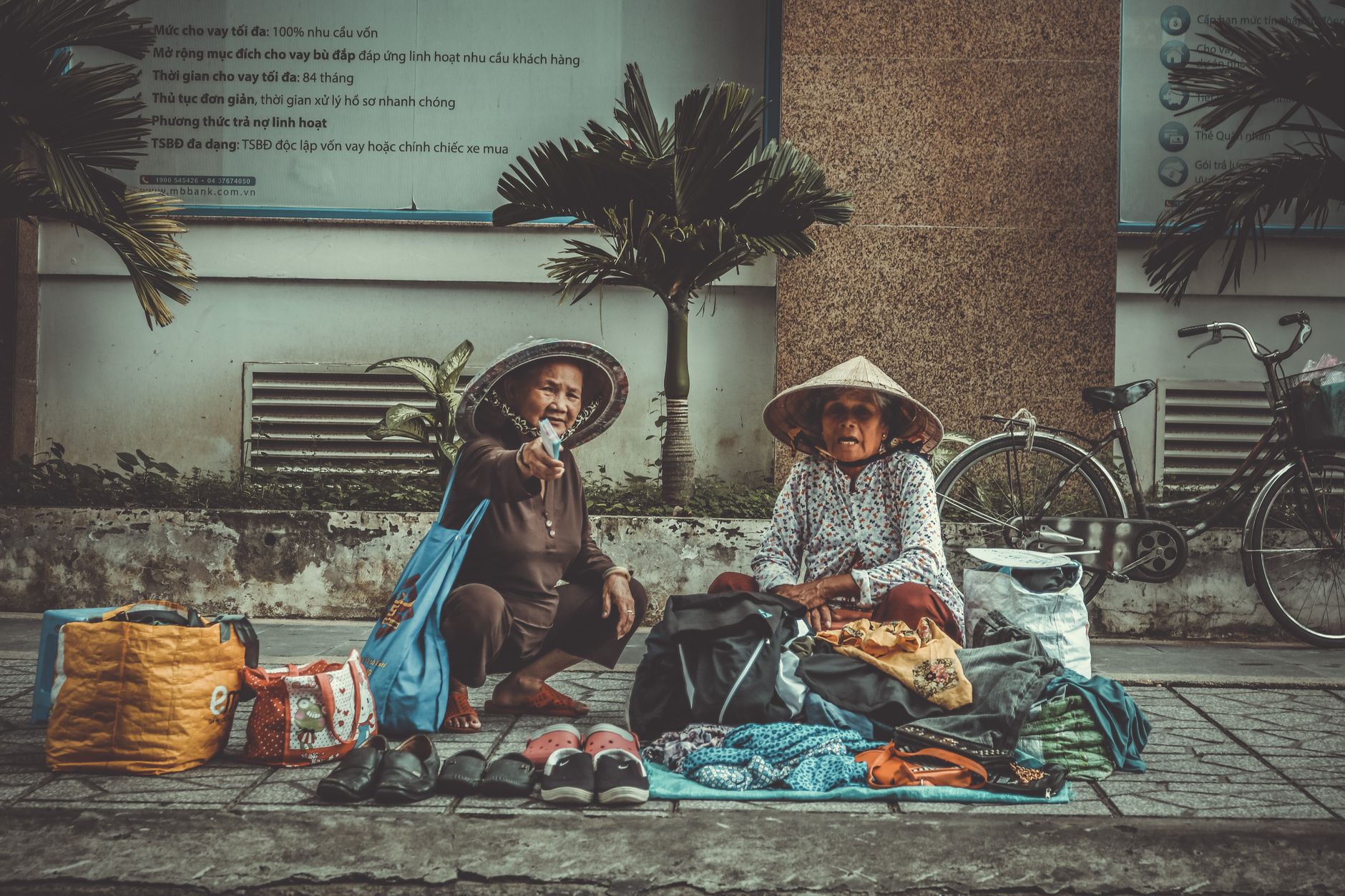
In casual or rural settings, a handshake is less automatic. An older woman in a village market is unlikely to extend her hand, and you should not push one on her. A small nod or a slight forward tilt of the head works better there.
Among younger urban Vietnamese — and especially in the south — greetings have loosened up considerably. You will see friends hugging, the occasional cheek-kiss between women, and easy handshakes across age groups. Read the room.
Vietnam does not use the deep formal bow of Japan or Korea. What you will see instead is a slight forward inclination of the head and upper body — maybe 10 to 15 degrees — that signals acknowledgment and respect. You do this when:
That last one matters more than people realize. Accepting or passing objects with both hands — or with your right hand while your left touches your right forearm — shows you are paying attention. Grabbing something with one casual hand reads as dismissive.
At temples and pagodas such as Tran Quoc Pagoda in Hanoi or the complex at Bai Dinh near Ninh Binh (닌빈 / 宁平 / ニンビン), you will see locals pressing their palms together in front of their chest before the altar. Foreigners are not expected to replicate this, but doing it with sincerity is never unwelcome.

Photo by Pew Nguyen on Pexels
Vietnamese names are written family name first, then middle name, then given name. So in the name Nguyen Van Minh, Nguyen is the family name and Minh is the given name. But — and this trips everyone up — people are addressed and referred to by their given name, not their family name. Minh is what his colleagues call him. Nguyen tells you almost nothing, because roughly 40 percent of Vietnamese people share that surname.
Do not call someone by their family name the way you would in a Western or East Asian context. If someone introduces themselves as Nguyen Thi Lan, you address her as Lan (with the appropriate title in front, explained below). Calling her "Nguyen" sounds like you are reading from an attendance register.
Vietnamese has no single word for "you" that works in all situations. The word you use depends on the age and relationship between the two people talking. As a foreigner, you are not expected to get this perfect, but knowing the basics will earn you real goodwill.
The core terms:
In practice: walking into a pho shop, you would greet the middle-aged woman behind the counter with "Chao chi" and the older man at the grill with "Chao bac". If you are unsure, anh or chi for adults is a safe default and no one will be offended.
First-person, you refer to yourself as "toi" in neutral contexts, or mirror the relationship term — if they are anh to you, you are em to them.

Photo by Quang Nguyen Vinh on Pexels
Do not pat someone on the head — the head is considered the most spiritually significant part of the body. Touching a child on the head, which feels affectionate in many Western cultures, can unsettle Vietnamese parents.
Do not beckon someone with a single finger pointed upward — this gesture is considered rude. Use a downward-facing wave with all fingers together instead.
Public displays of frustration — raised voices, dramatic gestures — cause loss of face for everyone in earshot. Keep things calm and you will find that most problems get resolved faster.
Vietnamese greeting etiquette rewards observation over memorization. Watch how the people around you interact, mirror the energy, and use the right name. Getting someone's title right — even imperfectly — signals that you see them as a person rather than a transaction.