— HẾT —
Cập nhật lần cuối · May 30, 2026 · nghiên cứu độc lập, không tài trợ.
We use minimal analytics + ads (no personal tracking). See our privacy policy.
Mastering a few key phrases can turn a stressful market transaction into a friendly exchange. Here is how to navigate the stalls with confidence.

Bài viết khác trong vùng này.

Vietnam's wellness scene has matured fast. Here's how to spend 7 days across four retreats — Hoi An, Da Lat, Phu Quoc, and Mai Chau — depending on your pace and budget.

…
Hotels, homestays, hostels — strongest inventory in Vietnam.
Locals live on Zalo, tourists default to WhatsApp — here's why that gap matters and how to bridge it before your trip.

Thousands of foreigners teach English or freelance in Vietnam on tourist visas. Here is what Vietnamese law actually says, when it gets enforced, and how to do it properly.
More articles from the same category.
Forget the heavy gear. Packing for the Mekong Delta is about managing humidity, protecting your skin, and staying mobile on the water.

Winter in the north is damp, grey, and surprisingly chilly. Forget the tropical gear and pack for layering to survive the humidity.
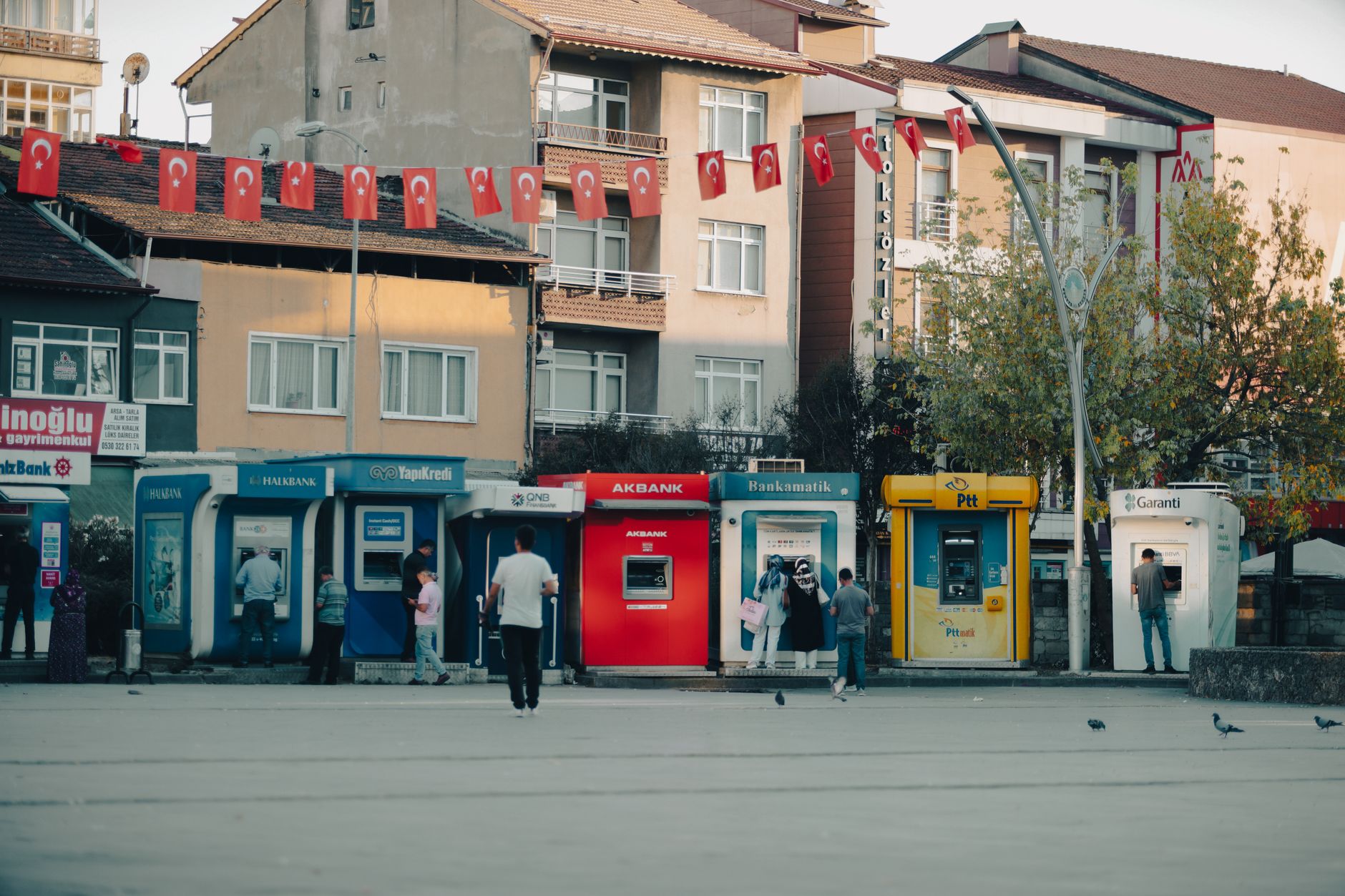
The Wise debit card works well in Vietnam if you know the fee structure. Here's how to use it at ATMs and merchants without losing money on bad rates.
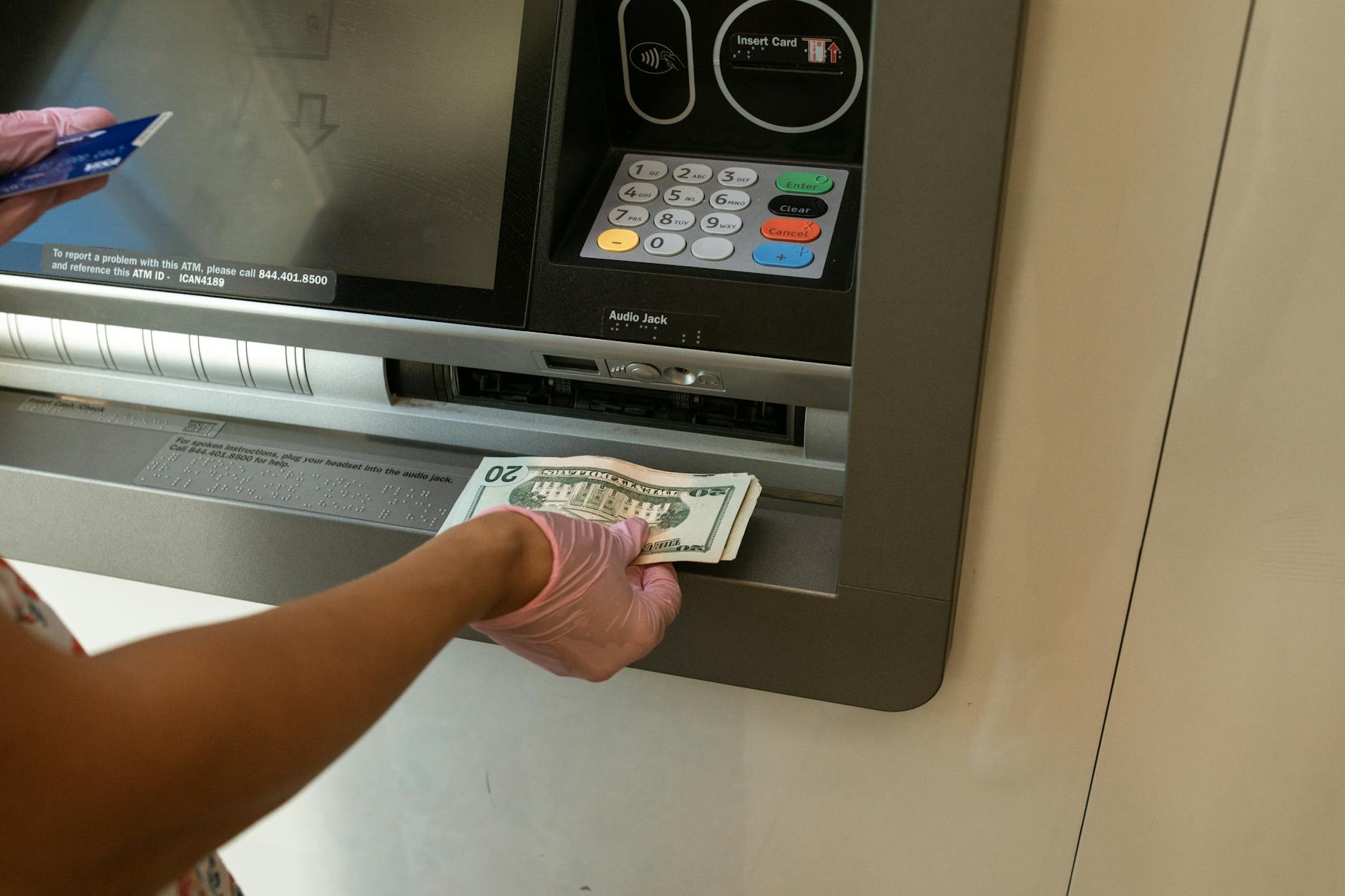
Vietnam runs on dong, but there are real situations where USD cash matters. Here is where you can actually pull USD from an ATM or bank counter.

Wise works for sending VND to Vietnamese banks, but the process has quirks. Here's what fees to expect, which banks receive fastest, and why transfers get rejected.
Fees, speeds, and bank coverage compared for the three most-used international transfer services into Vietnam — so you pick the right one before you send.
Bargaining in Vietnam (베트남 / 越南 / ベトナム) is less about aggressive confrontation and more about finding a middle ground. Whether you are at Ben Thanh Market in Saigon or wandering the stalls of Dong Xuan Market in Hanoi, the goal is to maintain a lighthearted, respectful tone. If you approach a vendor with a smile and a few words of local language, you are far more likely to get a fair price than if you simply point at a tag and shake your head.
Before you open your mouth, observe the rhythm of the market. If a vendor is busy with a local customer, wait your turn. Never start by aggressively countering a price; instead, show genuine interest in the item first. If you are buying a "non la" or a souvenir, it is customary to ask the price, offer a lower amount, and settle somewhere in between. If the price is already low—like a bowl of "pho" or a "banh mi" from a street cart—do not bargain. It is considered rude to haggle over small change on food items.
Here are the phrases that will help you navigate the conversation. Keep in mind that Vietnamese is a tonal language, but vendors are usually very good at interpreting your intent if you get the rhythm right.
Phrase: Bao nhieu tien? Pronunciation: Bow nyew tee-en? Context: This is your starting point. Use it to gauge the initial price. If the vendor says a number that seems high, don't be discouraged; it is part of the dance.
Phrase: Dat qua! Pronunciation: Dat gwa! Context: Say this with a friendly, slightly dramatic sigh. It signals that you are interested but the price is beyond your budget. It is a soft way to initiate the negotiation.
Phrase: Bot di duoc khong? Pronunciation: But zee zwok khong? Context: This is the polite way to ask for a discount. "Bot" means to reduce. If they shake their head, you can try to walk away slowly—often, they will call you back with a better offer.
Phrase: Bot chut thoi? Pronunciation: But choot toy? Context: Use this if you are close to a price you are happy with. It shows you are serious about buying if they can just shave off a few thousand VND.
Phrase: Toi mua [Price] duoc khong? Pronunciation: Toy mwa [Price] zwok khong? Context: Be specific. If you want to offer 100,000 VND, say "Mot tram nghin." Always have the exact change ready if possible; it is frustrating for a vendor to break a large bill for a small item.
Phrase: Khong, cam on. Pronunciation: Khong, cum un. Context: If the price is still too high, just smile, say this, and walk away. There is no shame in leaving a stall empty-handed. Often, there is another vendor selling the exact same thing three stalls down.

Photo by Loifotos on Pexels
To bargain effectively, you need to know your numbers. Vietnamese currency uses large denominations, which can be confusing at first.
When a vendor says "mot tram," they mean 100,000 VND. If you are unsure, ask them to type the number into your phone calculator. It avoids all confusion and is a standard practice in busy markets.

Photo by Quang Nguyen Vinh on Pexels
Bargaining is a social interaction. If you keep the mood light and treat the vendor with respect, you will find that the process becomes much easier. Remember that a few thousand VND is a negligible amount for you but matters more to the person running the stall, so know when to stop pushing and just close the deal.