— HẾT —
Cập nhật lần cuối · May 30, 2026 · nghiên cứu độc lập, không tài trợ.
We use minimal analytics + ads (no personal tracking). See our privacy policy.
Forget the tourist-trap sarong rentals. Here is how to dress for Vietnam’s sacred spaces with genuine respect and local awareness.

Cập nhật lần cuối · May 30, 2026 · nghiên cứu độc lập, không tài trợ.
Bài viết khác về thành phố này.
Winter in the north is damp, grey, and surprisingly chilly. Forget the tropical gear and pack for layering to survive the humidity.

…
Hotels, homestays, hostels — strongest inventory in Vietnam.
Thousands of foreigners teach English or freelance in Vietnam on tourist visas. Here is what Vietnamese law actually says, when it gets enforced, and how to do it properly.

The Wise debit card works well in Vietnam if you know the fee structure. Here's how to use it at ATMs and merchants without losing money on bad rates.
Bài viết khác trong vùng này.

The Wise debit card works well in Vietnam if you set it up right. Here's how to avoid fees, use the VND balance, and when it beats alternatives.

Vietnam's wellness scene has matured fast. Here's how to spend 7 days across four retreats — Hoi An, Da Lat, Phu Quoc, and Mai Chau — depending on your pace and budget.
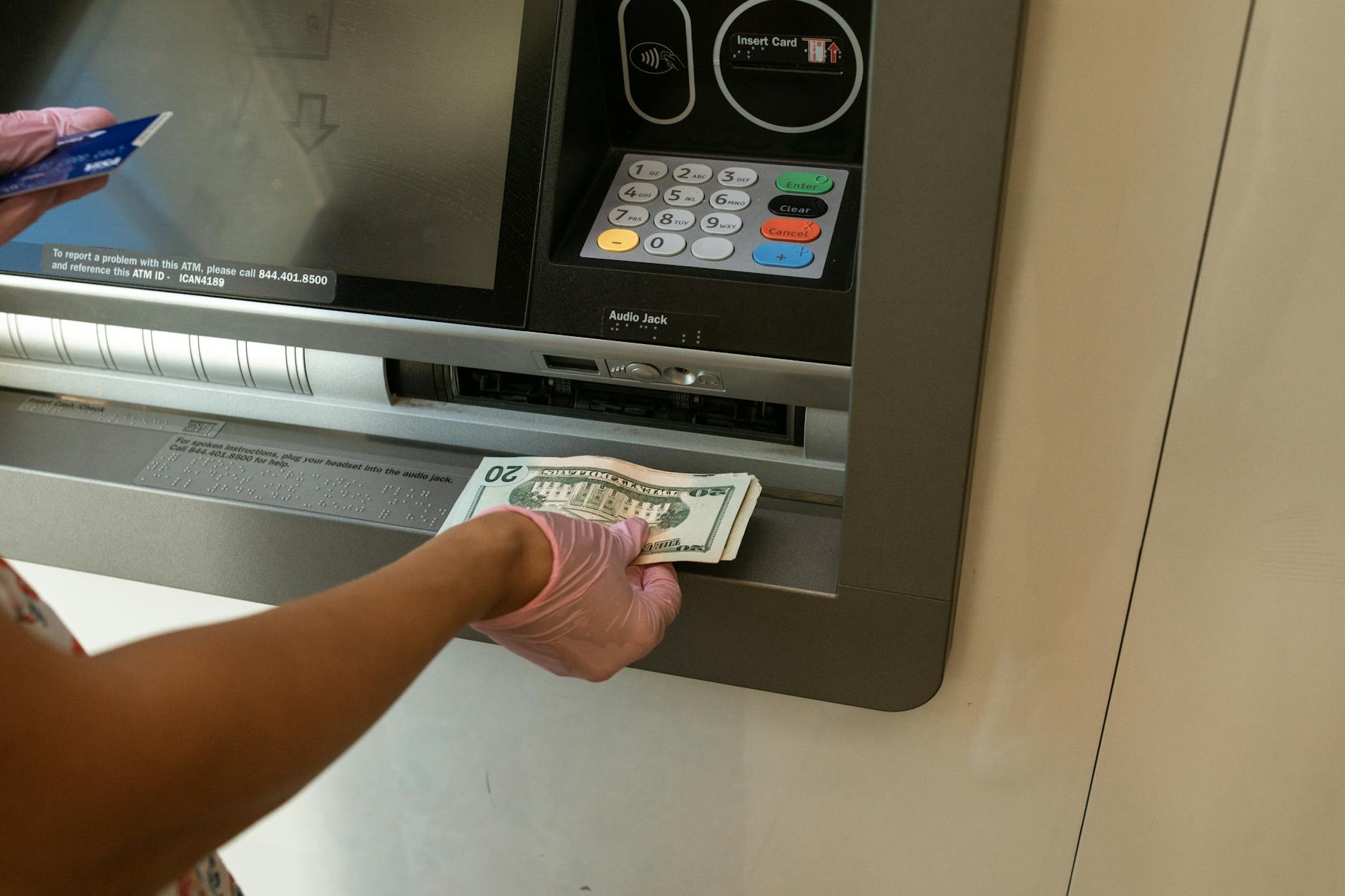
Vietnam runs on dong, but there are real situations where USD cash matters. Here is where you can actually pull USD from an ATM or bank counter.
More articles from the same category.
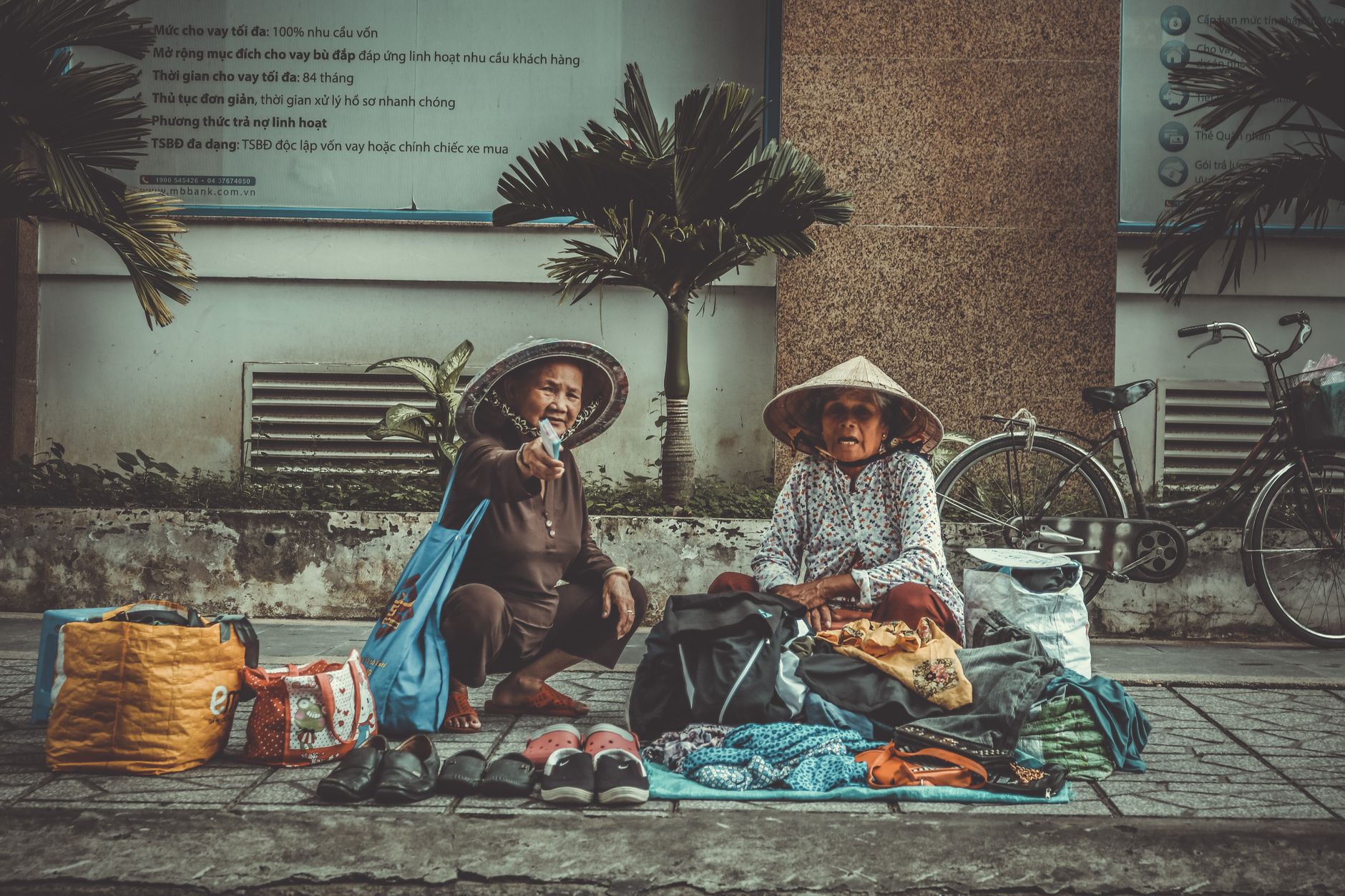
Forget the heavy gear. Packing for the Mekong Delta is about managing humidity, protecting your skin, and staying mobile on the water.

Wise works for sending VND to Vietnamese banks, but the process has quirks. Here's what fees to expect, which banks receive fastest, and why transfers get rejected.
Fees, speeds, and bank coverage compared for the three most-used international transfer services into Vietnam — so you pick the right one before you send.
Forget the resort-brochure packing lists. Here is the gear you actually need for Vietnam's coast, from the sands of Da Nang to the islands of Phu Quoc.
Mastering basic time and day markers in Vietnamese will save you from missed buses and confused taxi drivers. Here is the essential cheat sheet for your trip.

Most travel insurance policies have gaps that matter specifically in Vietnam — motorbike coverage, medical evacuation, and hospital payment methods. Here is what to check before you buy.
Most guidebooks treat temple dress codes as a checklist of 'don'ts'—no shorts, no tank tops, no bare shoulders. While those rules are technically true, they miss the point of why you are being asked to cover up in the first place. In Vietnam, a pagoda or temple is not just a museum; it is a living, breathing community space. When you walk into the "Tran Quoc Pagoda" in Hanoi or the "Po Nagar" towers in Nha Trang (냐짱 / 芽庄 / ニャチャン), you are stepping into someone’s place of worship. Dressing appropriately isn't about avoiding a fine; it’s about showing that you recognize the sanctity of the environment.
If you want to move through Vietnam (베트남 / 越南 / ベトナム) without feeling like an outsider who forgot their manners, adopt a simple baseline: keep your shoulders and knees covered. This applies to everyone, regardless of gender.
For men, this means skipping the sleeveless gym vests. A standard t-shirt or a polo shirt is perfectly acceptable. For bottoms, avoid board shorts that hit mid-thigh. If you are traveling in the heat of the south, opt for lightweight linen trousers or loose-fitting cotton pants. They breathe better than denim and keep you looking put-together enough to enter a temple without a second thought.
For women, the 'sarong over shorts' trick is a common sight, but it often screams 'I didn't plan ahead.' A better approach is to carry a light, oversized linen shirt or a thin scarf in your day bag. If you are wearing a sleeveless dress, throwing a linen shirt over your shoulders is more comfortable and less cumbersome than wrapping a synthetic sarong that keeps slipping down.

Photo by Nguyen Ngoc Tien on Pexels
There is a misconception that if you are wearing a long skirt, you are automatically respectful. However, if that skirt has a thigh-high slit, you are still going to get side-eyed by the local aunties managing the incense burners. The goal is to avoid drawing attention to yourself.
Footwear is the other half of the equation. You will almost always be asked to remove your shoes before entering the inner sanctum of a temple. Wear slip-ons or sandals that are easy to take off and put back on. If you are wearing expensive sneakers with complicated laces, you will be the person holding up the line at the entrance of the "Temple of Literature." Also, wear socks if you are visiting on a hot day—the stone floors in places like "Bai Dinh" can be scorching, and walking barefoot on hot tiles is a quick way to ruin your afternoon.
We have all been there: you are out on a motorbike, the sun is beating down, and you decide to spontaneously pull over at a beautiful, quiet pagoda. You are wearing a tank top and shorts. What now?
First, check the entrance. Many popular sites like the "One Pillar Pagoda" have small stalls nearby selling basic cover-ups. If you are in a more rural area, look for a local market before you reach the temple. You can often find a cheap, lightweight "non la" (conical hat) or a simple cotton scarf for under 50,000 VND. These aren't just props; they are practical items that will help you survive the humidity while keeping you modest.
If you find yourself at a temple without a cover-up and there is no shop in sight, be honest. Approach the caretaker or a local worshiper with a polite nod and a smile. Often, they will point you toward a designated area where spare cloths are kept for visitors. Do not just walk in and hope for the best. A quick 'xin loi' (excuse me) goes a long way in showing that you are aware of your surroundings.
Photo by Nguyen Ngoc Tien on Pexels
In Vietnam, appearance is often linked to respect for the host. When you visit a site like the "Tomb of Khai Dinh" or the "Hoa Lu" ancient capital, you are visiting a site of historical and cultural pride. Dressing with a bit of care is a way of acknowledging that you value the history of the place. You don't need to dress in formal "ao dai" attire, but avoiding beachwear is the bare minimum.
Remember that many pagodas are also venues for important festivals like "Tet" or "Tet Trung Thu." During these times, the dress code is even more strictly observed by locals. If you visit during a festival, you will notice that everyone is dressed in their best clothes. By dressing neatly, you blend in rather than standing out as a disheveled tourist. It makes for a much smoother experience, and you are far more likely to be welcomed into the fold of the celebration.
Respecting the dress code is the easiest way to ensure you are treated as a guest rather than a nuisance. Keep your shoulders and knees covered, carry a light layer for emergencies, and always be ready to slip your shoes off. It is a small effort that pays off in the quality of your interactions and the depth of your experience.