简介
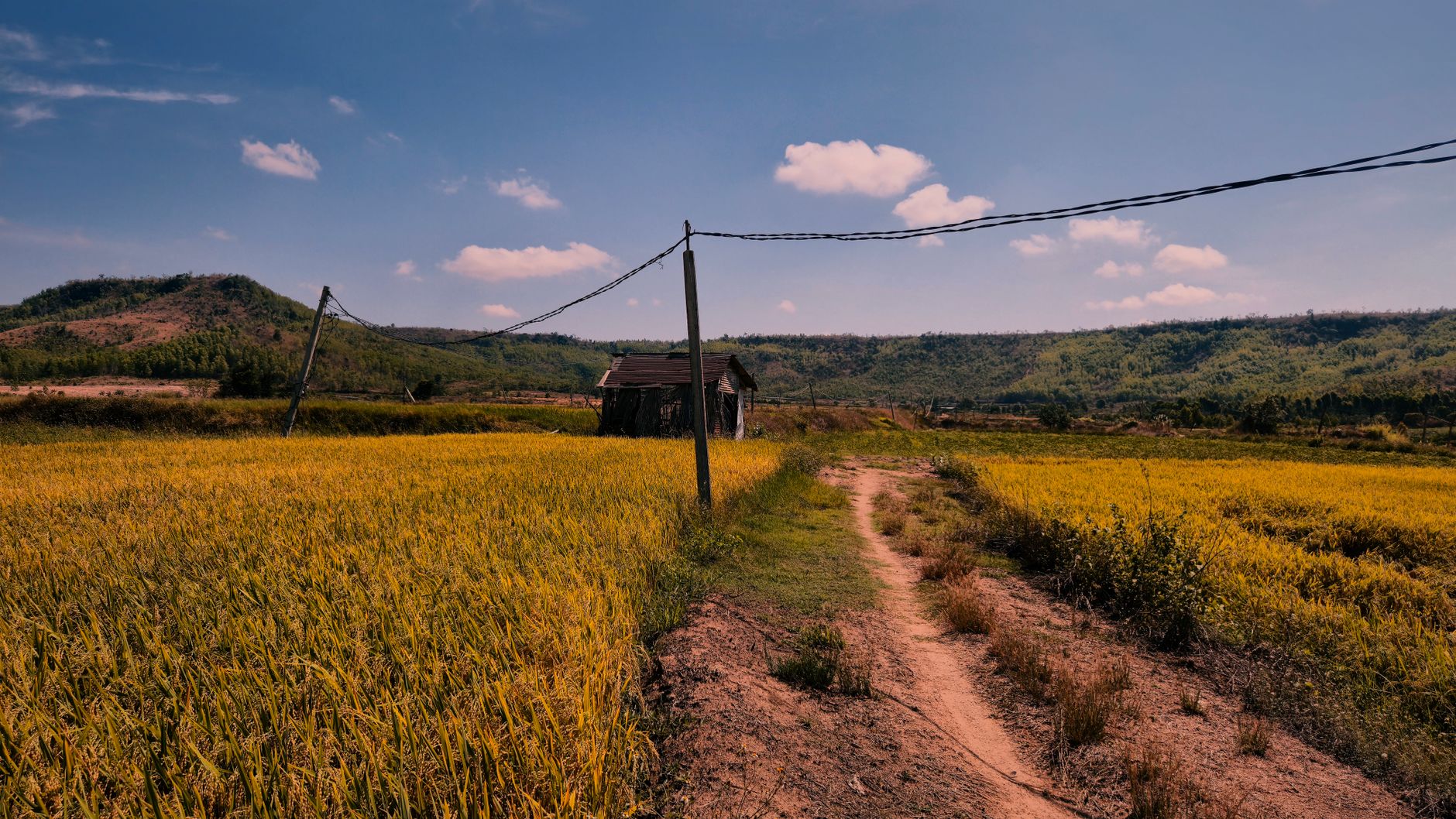
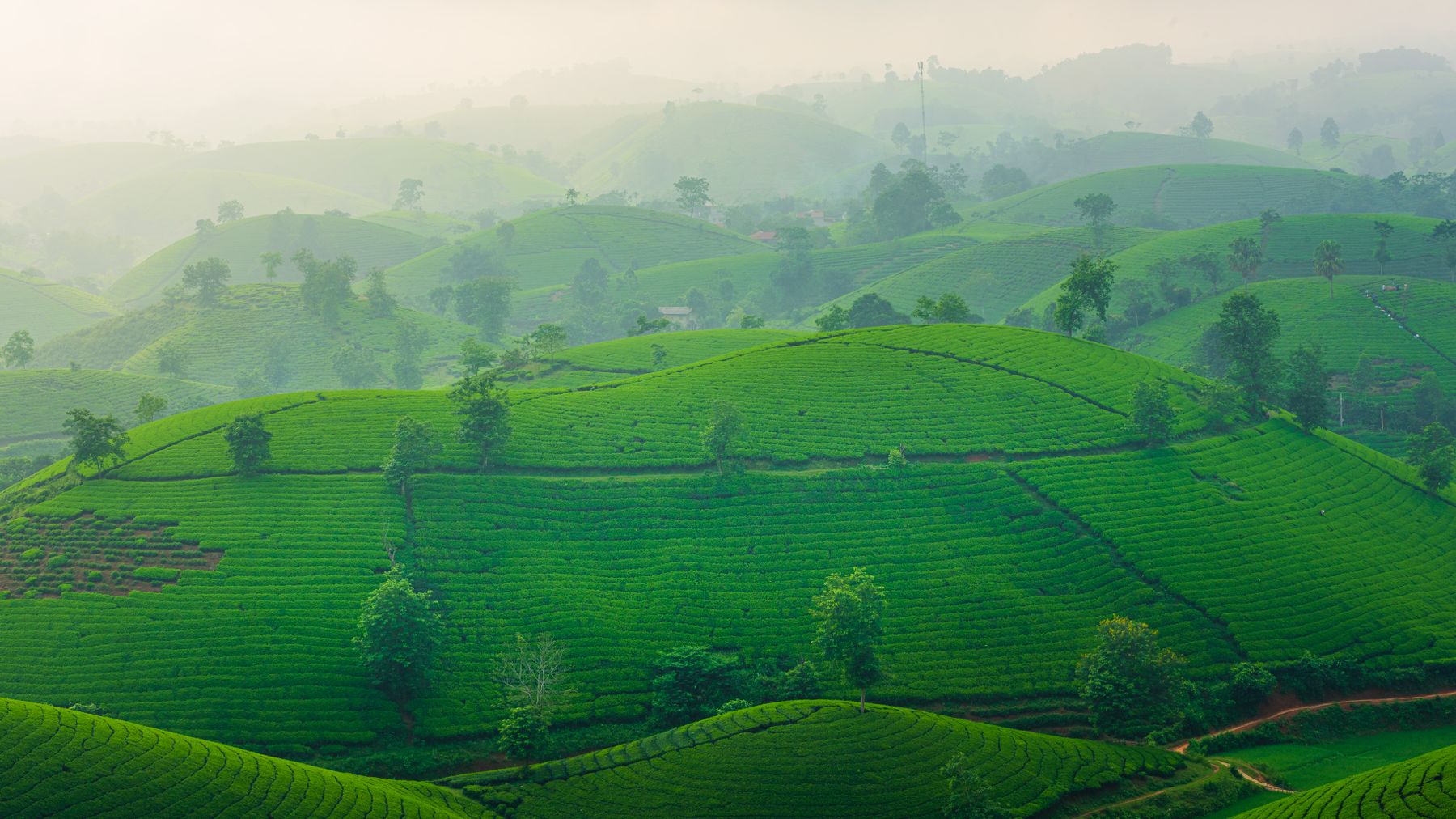
Doi Che Gia Lai(Gia Lai 省的茶丘)指的是分布在 Pleiku 及其周边地区玄武岩红土高原上的一群茶园。与你在 Da Lat 或 Moc Chau 看到的那些修剪整齐的观光茶园不同,这里是真正运作中的农庄。成排的茶树像地毯一样铺满四面八方的低矮山丘,其间只有泥土小径、偶尔出现的遮阴树,以及戴着斗笠(“non la”)手工采茶的工人们点缀其中。
这里的茶叶种植可以追溯到法国殖民时期,当时中部高原 (중부 고원 / 中部高原 / 中部高原) 的火山土壤和海拔(600–800m)使其成为种植咖啡和茶叶的理想之地。Bien Ho(T'Nung Lake)周围以及通往 Mang Yang 公路沿线的茶园几十年来一直在为国内市场生产绿茶。直到最近,来自 Da Nang 和 Saigon 的摄影师和周末游客才开始出现在这里。
为什么值得一去
老实说,有三个原因:
- 自然景观。 山丘起伏,呈现出清晰的几何线条——鲜绿色的茶树排与红色的土地形成鲜明对比,黎明时分雾气在山谷中弥漫。随手一拍就是大片。
- 宁静氛围。 Gia Lai 没有 Da Lat (달랏 / 大叻 / ダラット) 那样的旅游基础设施(或拥挤的人群)。如果在周二早上前往,你很可能是唯一的游客。
- 周边体验。 茶丘是更广泛的中部高原之旅的一部分,你还可以顺道游览 Kon Tum 的木制教堂、Jarai 和 Bahnar 村落社区,以及品尝 Pleiku 令人惊喜的美食。
这里不是主题公园。没有售票亭,也没有礼品店。你可以在茶树之间漫步,如果你的越南语还不错,可以和工人们聊聊天,享受大多数外国游客从未见过的风景。
最佳游览时间
在雨季期间及雨季刚结束时——即 5月至10月,茶叶最为翠绿。山丘的色彩在6月至7月左右达到巅峰。早晨雾气缭绕,非常适合拍摄氛围感照片,但也意味着你需要准备一件轻便的雨衣。
旱季(11月至次年3月)会让这里的色彩变得暗淡。土地干裂,泥土路上扬起灰尘,部分区域看起来有些稀疏。虽然依然值得一游,但拍照效果会打折扣。
清晨——早上 7:30 之前——是光线最好的时候,工人们也已经开始采摘。到了中午,天气会变得炎热且光线平淡。

照片由 Ahmad Malulein 拍摄,来自 Pexels
如何前往
飞往 Pleiku(Gia Lai 机场)。 越南航空(Vietnam Airlines)和越竹航空(Bamboo Airways)每天都有从 Saigon(1h15)和 Hanoi(1h30)起飞的航班。从 Da Nang (다낭 / 岘港 / ダナン) 起飞的航班每周有几班。
从 Pleiku 市中心出发,主要的茶丘区域有:
- Bien Ho 茶丘:向北约 7 km,沿着通往 Bien Ho 湖的公路。骑摩托车需 15 分钟。
- Bau Can 茶园:向东约 25 km,朝 Mang Yang 县方向。沿 QL19 公路行驶 40 分钟。
- Chu Se 地区:向南约 45 km,散落着一些较小的农场。
你需要自己准备交通工具——在 Pleiku 租一辆摩托车每天 120,000–150,000 VND,或者包一辆带司机的汽车进行半日游,价格约为 800,000–1,000,000 VND。
没有直达茶丘的公共巴士。在 Pleiku 市内可以使用 Grab 出行,但司机不会在乡下的茶园等你一个小时。
游玩项目
在茶树间漫步
最主要的活动就是简单地在茶园里漫步。大多数地方都不收门票——这里是农场,而不是景点。请保持尊重:走在茶树排之间的小径上,不要踩踏植物,近距离拍摄工人前请先征得同意。
结合 Bien Ho 游览
Bien Ho(T'Nung Lake)是位于茶丘正北方的一个火山口湖。湖水深邃,四周被森林环绕,在雾气中显得有些神秘。茶丘和湖泊自然地构成了一条半日游的环线。
参观茶叶加工坊
一些农场设有小型加工设施,茶叶在这里进行萎凋、揉捻和干燥。如果你会说基础的越南语(或者带了一位当地朋友),工人们通常会很乐意为你讲解。你可以直接购买新鲜的绿茶——普通等级的价格大约在每公斤 50,000–80,000 VND 之间。
摄影
无人机飞手:请查阅当地法规,并注意高原上靠近军事设施的一些区域是禁飞区。长焦镜头(70-200mm)能很好地压缩茶树排的画面。广角镜头可以拍出规模感,但会失去图案的层次。
餐饮推荐
Pleiku 有值得特意去寻找的地道美食:
- Pho (쌀국수 / 越南河粉 / フォー) kho Gia Lai——当地的干拌河粉变体,旁边配有一碗高汤和一大把葱花。可以去位于 2 Nguyen Van Troi 的 Pho Kho Hong 尝尝(25,000 VND)。
- Bun gio heo——猪脚汤粉,汤底浓郁且微甜。在 Pleiku 中心市场周围的小摊上很常见。
- Com tam (껌땀 / 碎米饭 / コムタム) 随处可见,如果你在山丘上度过了一个上午后想吃点熟悉的食物,这是个不错的选择。
- 至于越南咖啡 (베트남 커피 / 越南咖啡 / ベトナムコーヒー),Pleiku 盛产当地种植的罗布斯塔咖啡豆。市场附近的任何一家小咖啡馆都能为你冲泡一杯正宗的“ca phe sua da”(冰炼乳咖啡),价格在 15,000–20,000 VND 之间。
照片由 Duc Nguyen 拍摄,来自 Pexels
住宿推荐
Pleiku 不是一个旅游小镇,因此这里的住宿更偏向实用性而非情调:
- Hoang Anh Gia Lai Hotel:镇上最好的选择,每晚约 600,000–900,000 VND。干净,位于市中心,带有游泳池。
- Duc Long Gia Lai Hotel:中档酒店,400,000–550,000 VND。住一两晚是个不错的选择。
- Nha nghi(宾馆):位于 Hung Vuong 和 Tran Phu 街沿线的经济型住宿,150,000–250,000 VND。设施简单但足够满足基本需求。
茶丘本身没有民宿——你需要以 Pleiku 为大本营,进行一日游。
常见误区
- 中午前往。 光线刺眼,工人们在午休,而且天气非常炎热。请在早上 8 点前到达。
- 期待完善的基础设施。 茶园里没有咖啡馆、洗手间或遮阳设施。请自带饮用水和防晒霜。
- 只为 Gia Lai 安排了一天。 游览茶丘只需一个上午,但如果你加上 Kon Tum、Bahnar 社区和 Mang Yang 隘口,这个省份足够你玩上 2–3 天。
- 错过当地美食。 单是 Pleiku 的 pho kho 就值得你飞来一趟。
实用提示
Gia Lai 是外国游客最少涉足的省份之一,而这正是它的魅力所在。茶丘不会占用你一整天的时间——可以将其与 Bien Ho 结合游览,并在 Pleiku 享用一顿悠闲的午餐。如果你正在规划更长的中部高原环线,Gia Lai 可以很自然地连接到北面 50 km 的 Kon Tum 或南面 200 km 的 Buon Ma Thuot。请携带现金——在 Pleiku 的酒店之外,刷卡支付并不靠谱。
最后更新 · May 29, 2026 · 独立调研,无任何赞助。