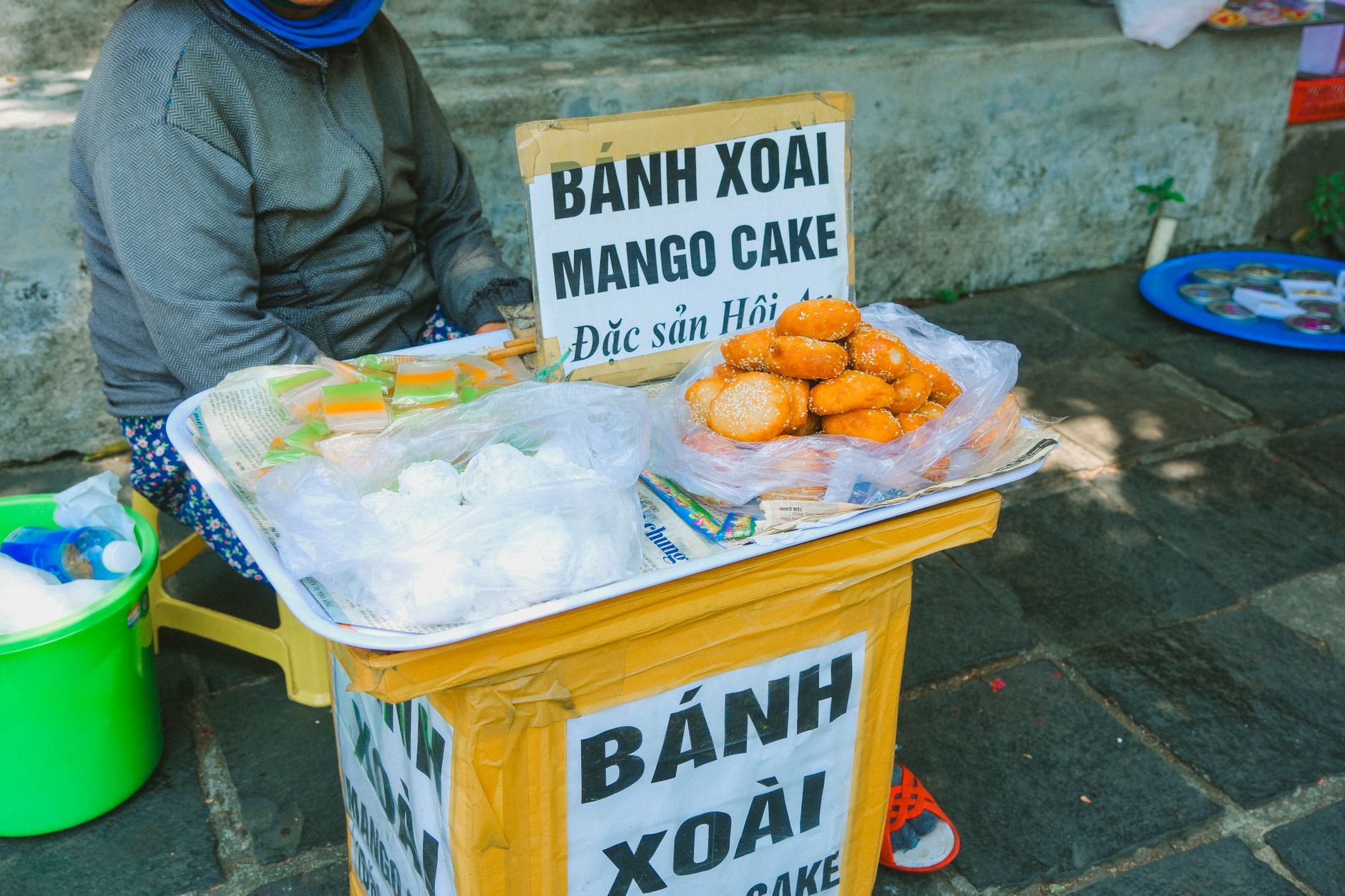
越南的饮食文化丰富多元,且习惯添加各种不请自来的调味品和配菜。对于有花生、甲壳类或乳制品过敏的旅行者来说,这种慷慨可能会迅速演变成后勤难题。本指南旨在提供实用的应对建议——了解哪些食物中隐藏着过敏原,以及如何向忙碌、英语有限且可能从未遇到过此类要求的摊主清晰地传达风险。
核心问题:过敏意识仍然有限
这并非批评,而是客观现实。在街头摊位和当地的 pho 店里,食物过敏作为一种医疗状况(而非个人偏好或宗教禁忌)的概念尚未被广泛理解。如果你说“我不吃花生”,摊主可能只是简单地把碗顶部的花生挑走,却没意识到汤底里可能仍含有花生油或花生酱。表达方式至关重要。以下短语旨在传达严重性,而非偏好。
你的过敏应对短语手册
请打印这些内容或保存在手机里。直接展示文字——不要依赖发音。
花生过敏:
Toi bi di ung voi lac (dau phong). Neu toi an, toi co the chet. Xin dung cho bat ky thu gi co lac vao mon an cua toi, ke ca dau lac va nuoc sot co lac.
(我对花生过敏。如果我吃了,可能会有生命危险。请不要在我的食物中加入任何含有花生的东西,包括花生油和花生酱。)
甲壳类过敏:
Toi bi di ung voi hai san co vo (tom, cua, muc, so). Xin khong cho cac loai nay vao thuc an cua toi, ke ca nuoc sot va nuoc dung.
(我对甲壳类海鲜过敏——包括虾、蟹、鱿鱼、蛤蜊。请不要在我的食物中加入这些食材,包括酱汁和汤底。)
乳制品过敏:
Toi bi di ung voi sua va cac san pham tu sua (bo, pho mai,kem). Xin khong dung cac nguyen lieu nay khi nau mon an cua toi.
(我对牛奶和乳制品过敏——包括黄油、奶酪、奶油。请在烹饪我的食物时不要使用这些配料。)
如果是严重的多重过敏情况,请随身携带一张印有这三段越南语的卡片。网上有几家服务机构可以制作塑封的过敏卡,价格约为 50,000–80,000 VND。
花生隐藏在哪里
在越南烹饪中,花生无处不在,而且并不总是清晰可见。明显的——如 mi quang 上的碎花生、bun bo hue 配菜盘、banh xeo 的蘸酱——很容易识别。隐藏的花生则更危险。
- 沙爹和火锅蘸酱:花生酱是许多餐桌调味品的基底
- Goi cuon 蘸酱:花生海鲜酱是标配;请要求换成普通的 nuoc cham(鱼露蘸酱)
- Cao lau 和 mi quang:这两道菜传统上都会拌入碎花生,而不仅仅是撒在上面
- 越南中部菜肴:中部地区使用花生的频率远高于北部或南部
- Da Nang 的 Banh trang(米纸)沙拉:通常拌有花生基底的调味汁
- 食用油:一些小型摊位仍在使用花生油,尽管现在植物油更为常见
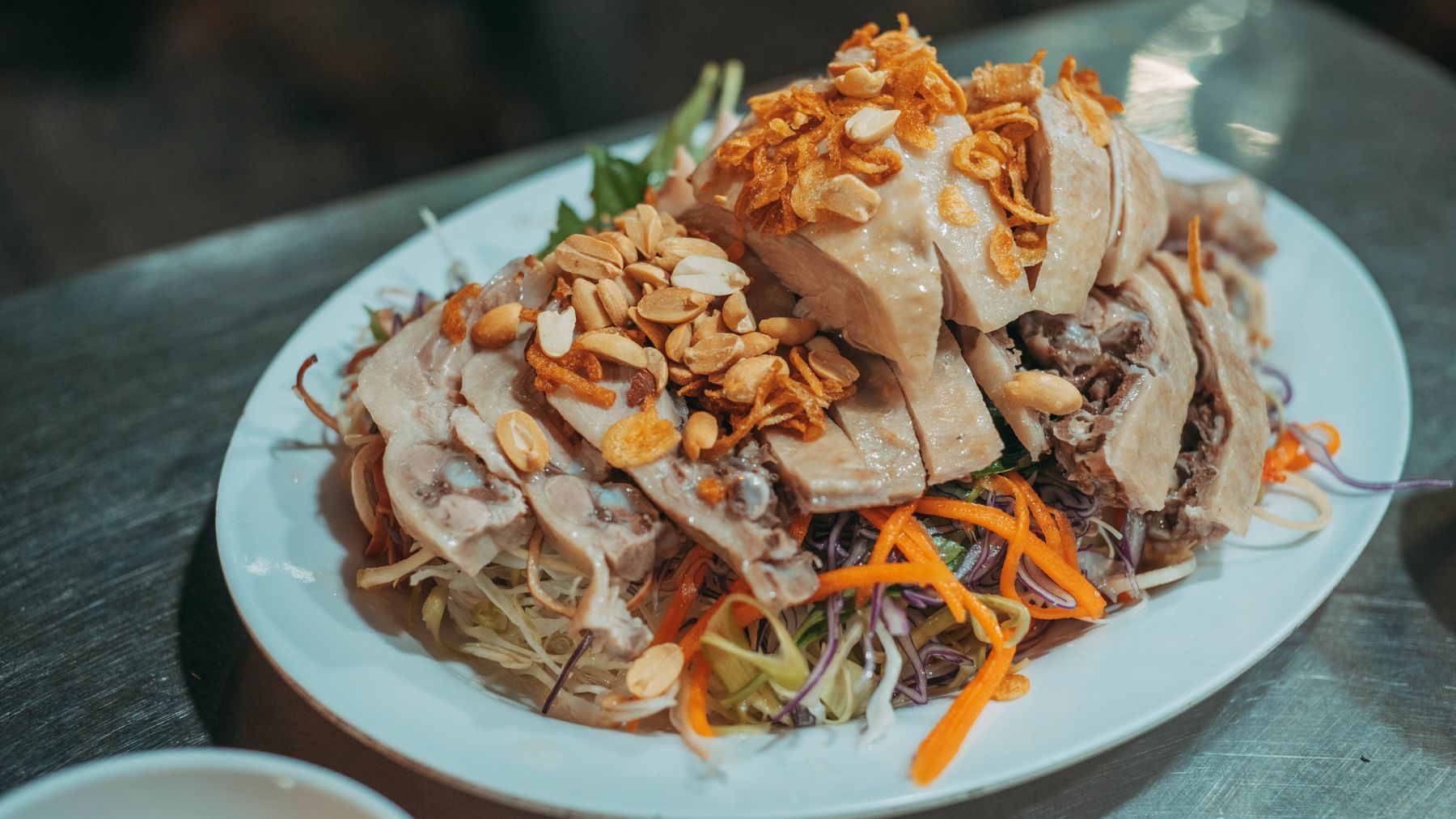
图片来源:Pexels 上的 FOX ^.ᆽ.^= ∫
甲壳类隐藏在哪里
甲壳类过敏在越南可能是最难管理的,因为虾酱和虾米是基础的调味剂——它们在汤底中不可见,但却无处不在。
- Mam tom(发酵虾酱):常与 "bun bo hue" 一起供应,也是许多菜肴的调味品;有时也会被煮进汤底中
- "Bun rieu":这款汤以蟹膏和番茄为基底——请完全避开这道菜
- "Banh canh" 汤底:因地区而异;有些是猪肉基底,有些则使用虾汤
- "Com tam"(碎米饭):这道菜本身通常是猪肉制品,安全,但其 nuoc cham 蘸酱有时会加入虾米
- "Cha gio"(炸春卷):馅料通常包含虾仁
- Nuoc cham:越南通用的餐桌蘸酱是以鱼露为基底(鱼类,非甲壳类——但如果你的过敏范围包含鱼类,请务必核实)
- Pho:北部的牛肉 Pho 通常不含甲壳类;南部的 Pho 店有时会加入虾
乳制品隐藏在哪里
先说好消息:传统的越南烹饪几乎不使用乳制品。这种菜系在历史上就很少使用乳制品,大多数街头小吃默认是安全的。例外情况如下:
- Banh mi:有些版本会在法棍面包组装前涂抹黄油——请务必询问
- 越南咖啡("ca phe sua da"):"sua" 指炼乳;请点 "ca phe den"(黑咖啡)
- "鸡蛋咖啡":由蛋黄和炼乳制成——不适合乳制品过敏者
- Banh bong lan 和西式蛋糕:面包店或咖啡馆出售的任何糕点都可能含有黄油和奶油
- 酒店自助餐和游客餐厅:比街头摊位更有可能在烹饪中使用黄油
- 冰沙和新鲜果汁:有时会混合炼乳;请明确说明 "khong sua"(不要加奶)

图片来源:Pexels 上的 Nimit N
如何与街头摊主沟通
一些真正有用的实用策略:
尽早去。 为早高峰做准备的摊位比午餐高峰时段要从容得多。有五分钟空闲时间的摊主会更仔细地阅读你的卡片。
指向配料,而不仅仅是菜名。 如果你能看到柜台上有花生或虾,直接指着它们并摇头。肢体语言胜过翻译偏差。
单独询问汤底。 "Nuoc dung co tom khong?"(汤里有虾吗?)是一个简单且容易回答的问题。
坚持选择你能“解码”的菜肴。 只有牛肉清汤的 "Pho"、只有猪肉和蔬菜的 "banh mi"、没有酱汁的烤肉——简单的菜肴风险较低。那些酱汁浓郁或混合了多种食材的菜肴更难排查。
携带抗组胺药,如果有处方,请携带肾上腺素自动注射器。 河内和西贡的药店广泛供应抗组胺药(氯雷他定、西替利嗪),每板价格约为 30,000–60,000 VND。自动注射器在当地较难买到——请务必自带。
实用建议
高端餐厅和任何提供英文菜单的地方都会好沟通得多——员工更有可能理解“偏好”和“过敏”之间的区别。如有疑问,国际酒店的餐厅是最安全的退路。像 Google 翻译的相机功能在超市阅读配料表时非常有效,如果你是自己做饭,这会很有帮助。
最后更新 · May 29, 2026 · 独立调研,无任何赞助。