— समाप्त —
अंतिम अपडेट · May 30, 2026 · स्वतंत्र शोध, कभी प्रायोजित नहीं।
We use minimal analytics + ads (no personal tracking). See our privacy policy.
When you need professional care in Vietnam, clear communication is vital. Here are the specific phrases to help you navigate a clinic or hospital visit with confidence.

इस शहर के अन्य लेख।
Winter in the north is damp, grey, and surprisingly chilly. Forget the tropical gear and pack for layering to survive the humidity.

…
Hotels, homestays, hostels — strongest inventory in Vietnam.
Thousands of foreigners teach English or freelance in Vietnam on tourist visas. Here is what Vietnamese law actually says, when it gets enforced, and how to do it properly.
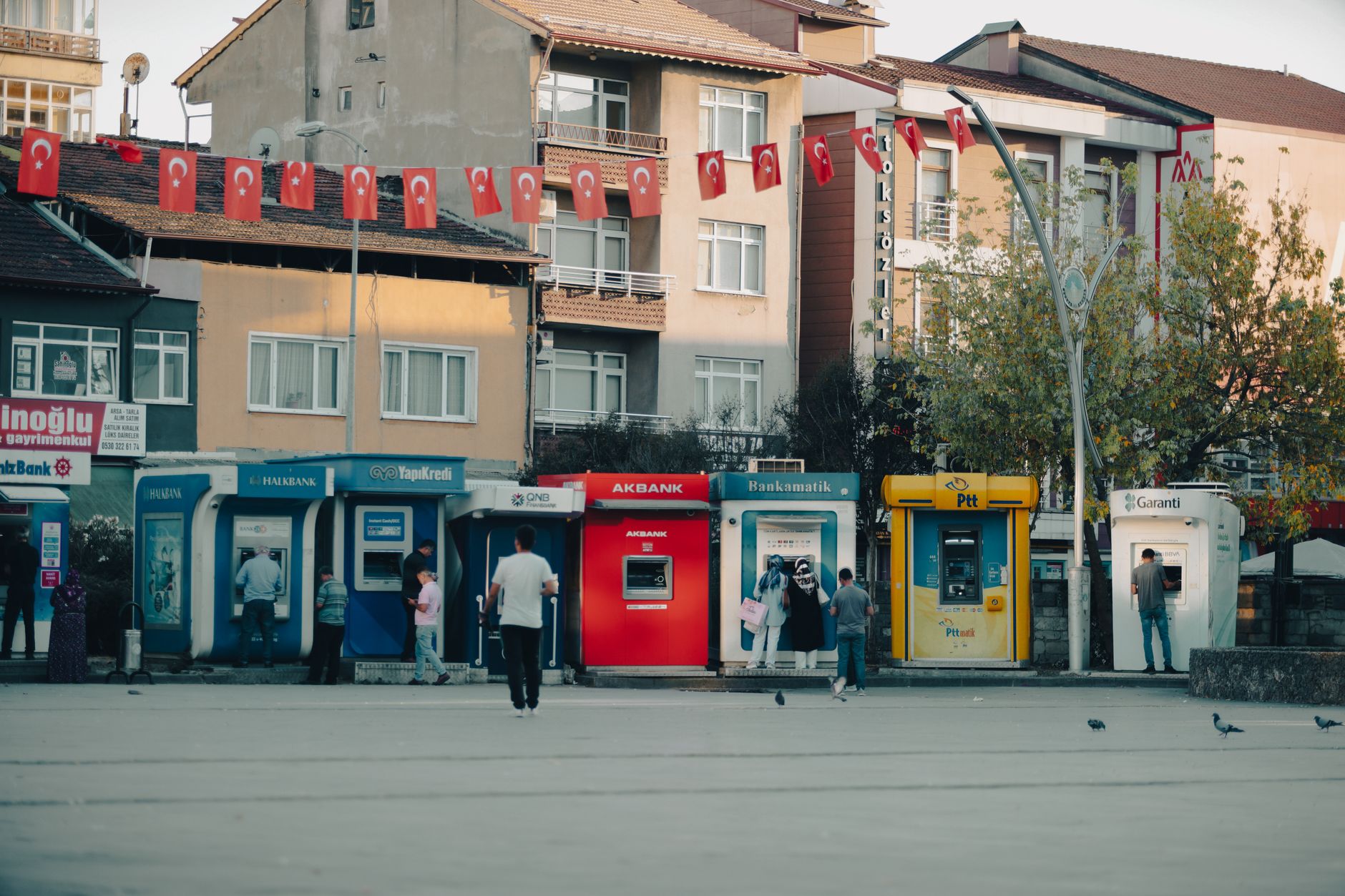
The Wise debit card works well in Vietnam if you know the fee structure. Here's how to use it at ATMs and merchants without losing money on bad rates.
इस क्षेत्र के अन्य लेख।

The Wise debit card works well in Vietnam if you set it up right. Here's how to avoid fees, use the VND balance, and when it beats alternatives.

Vietnam's wellness scene has matured fast. Here's how to spend 7 days across four retreats — Hoi An, Da Lat, Phu Quoc, and Mai Chau — depending on your pace and budget.
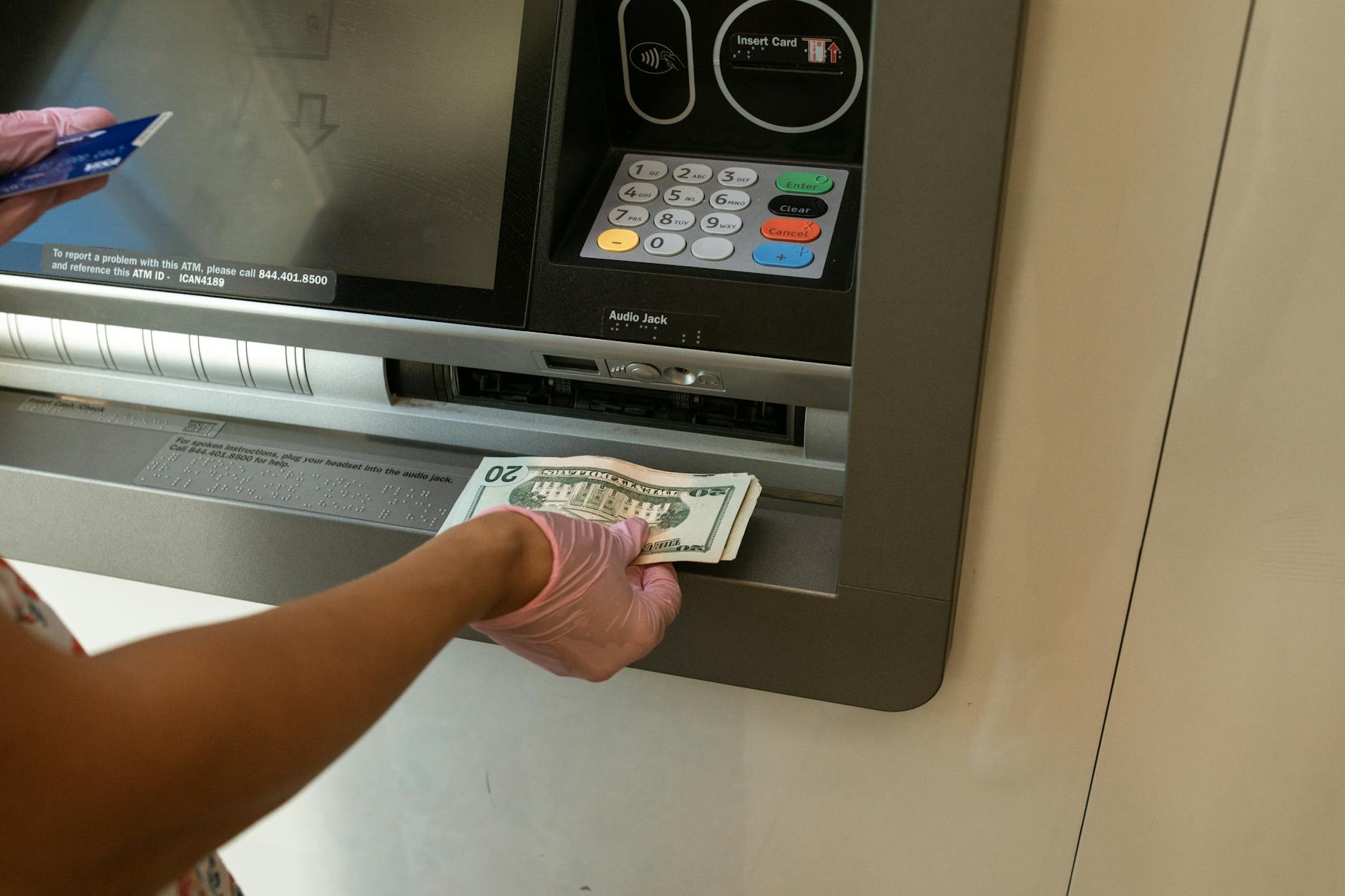
Vietnam runs on dong, but there are real situations where USD cash matters. Here is where you can actually pull USD from an ATM or bank counter.
More articles from the same category.
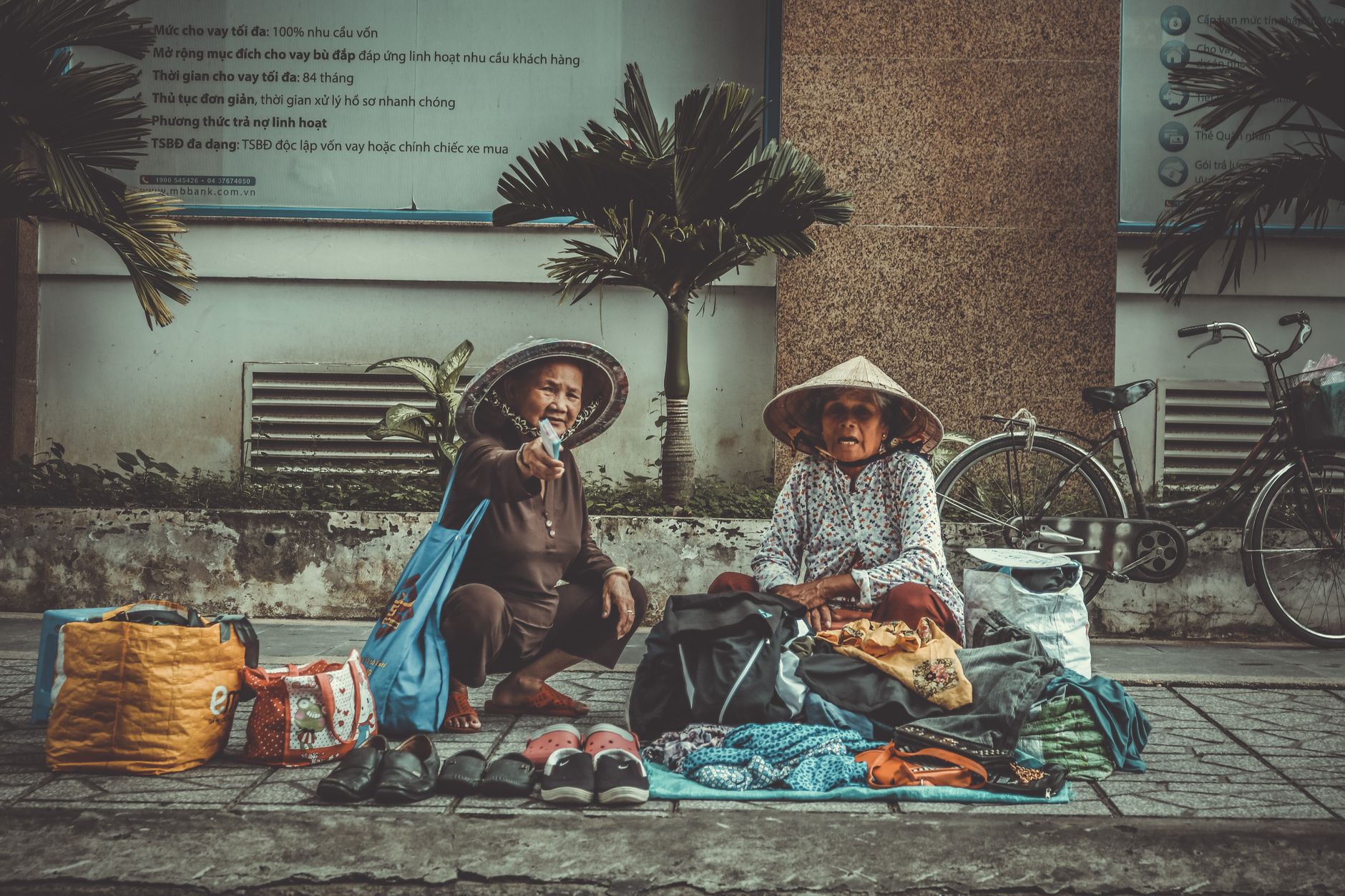
Forget the heavy gear. Packing for the Mekong Delta is about managing humidity, protecting your skin, and staying mobile on the water.

Wise works for sending VND to Vietnamese banks, but the process has quirks. Here's what fees to expect, which banks receive fastest, and why transfers get rejected.
Fees, speeds, and bank coverage compared for the three most-used international transfer services into Vietnam — so you pick the right one before you send.
Forget the resort-brochure packing lists. Here is the gear you actually need for Vietnam's coast, from the sands of Da Nang to the islands of Phu Quoc.
Mastering basic time and day markers in Vietnamese will save you from missed buses and confused taxi drivers. Here is the essential cheat sheet for your trip.

Most travel insurance policies have gaps that matter specifically in Vietnam — motorbike coverage, medical evacuation, and hospital payment methods. Here is what to check before you buy.
Most travelers in Vietnam (베트남 / 越南 / ベトナム) focus their language learning on ordering "pho" or haggling for a "non la". However, when you are dealing with a sudden fever, a motorbike scrape, or a stomach bug, the stakes change. While many international clinics in Saigon or Hanoi have English-speaking staff, you will inevitably encounter situations—especially in public hospitals or provincial clinics—where basic Vietnamese is the only bridge to getting the right care.
In a medical setting, do not worry about being overly flowery with your honorifics. Keep your sentences short, direct, and loud enough to be heard over the bustle of a busy waiting room. If you are in pain, state it clearly. If you have an allergy, write it down on a piece of paper beforehand; medical staff appreciate written documentation as much as verbal communication.
Phrase: Toi can gap bac si. Pronunciation: Toy kun gup buck see.
This is your opening line at the reception desk. If you are in a larger hospital, they may ask if you have an appointment. If you don't, simply say "khong" (no) and ask for the emergency department: "Khoa cap cuu o dau?" (Where is the emergency room?).
Phrase: Toi bi dau o day. Pronunciation: Toy bee dow uh day.
Point to the specific area of your body while saying this. If you need to be more specific, use these body parts:

Photo by Nguyen Ngoc Tien on Pexels
Phrase: Toi bi di ung voi... Pronunciation: Toy bee yee ung voy...
This is perhaps the most important phrase if you are being prescribed medication. Follow this with the name of the drug. For example, if you are allergic to penicillin, say: "Toi bi di ung voi penicillin." Carry a card in your wallet with your blood type and any known allergies written in Vietnamese.
Phrase: Gia bao nhieu? Pronunciation: Yah bow nyew?
In public hospitals, you will often be sent to a pharmacy counter or a payment window. Do not assume the price is fixed; always ask for a receipt or a breakdown. If you are using travel insurance, make sure to ask for a "hoa don do" (red invoice/official tax receipt) so you can claim the costs back later.
Phrase: Anh/chi co noi tieng Anh khong? Pronunciation: An/chee co noy tyeng Ang khong?
Use "anh" if speaking to a man and "chi" if speaking to a woman. This helps identify if there is a staff member nearby who can act as a translator. If the answer is no, use a translation app like Google Translate, but keep your sentences simple—avoid idioms or complex medical jargon.
Photo by Nguyen Ngoc Tien on Pexels
Phrase: Toi thay chong mat/buon non. Pronunciation: Toy tie chong mut/bwon nun.
If you are feeling faint, do not try to stand in line. Use this phrase immediately so staff can get you a chair or a bed. In the heat of places like Da Nang or the humidity of the Mekong Delta (메콩 델타 / 湄公河三角洲 / メコンデルタ), dehydration is common; if you suspect this, say "Toi bi mat nuoc" (I am dehydrated).
Before you head to a medical facility, ensure you have your passport and your insurance policy number saved on your phone. If you are in a city like Hue or Hoi An, ask your hotel reception to write down the name of the hospital in Vietnamese so you can show it to a taxi driver.
If you are dealing with a minor issue, consider visiting a local pharmacy, or "nha thuoc". Pharmacists in Vietnam are highly trained and can often diagnose and treat minor ailments like skin rashes or common colds without a hospital visit. Just be prepared to show them the symptoms directly.
Keep your expectations realistic regarding the environment; public hospitals can be crowded and noisy, which is standard practice in the local healthcare system. Stay calm, keep your documents organized, and use these phrases to ensure you get the attention you need.