— FINE —
Ultimo aggiornamento · May 27, 2026 · ricerca indipendente, mai sponsorizzata.
We use minimal analytics + ads (no personal tracking). See our privacy policy.
An hour west of Hanoi, Ba Vi National Park trades city heat and noise for pine forest, crumbling French ruins, and cold fresh milk — worth the drive.

Ultimo aggiornamento · May 27, 2026 · ricerca indipendente, mai sponsorizzata.
Altri articoli su questa città.

Winter in the north is damp, grey, and surprisingly chilly. Forget the tropical gear and pack for layering to survive the humidity.

…
Hotels, homestays, hostels — strongest inventory in Vietnam.
Thousands of foreigners teach English or freelance in Vietnam on tourist visas. Here is what Vietnamese law actually says, when it gets enforced, and how to do it properly.
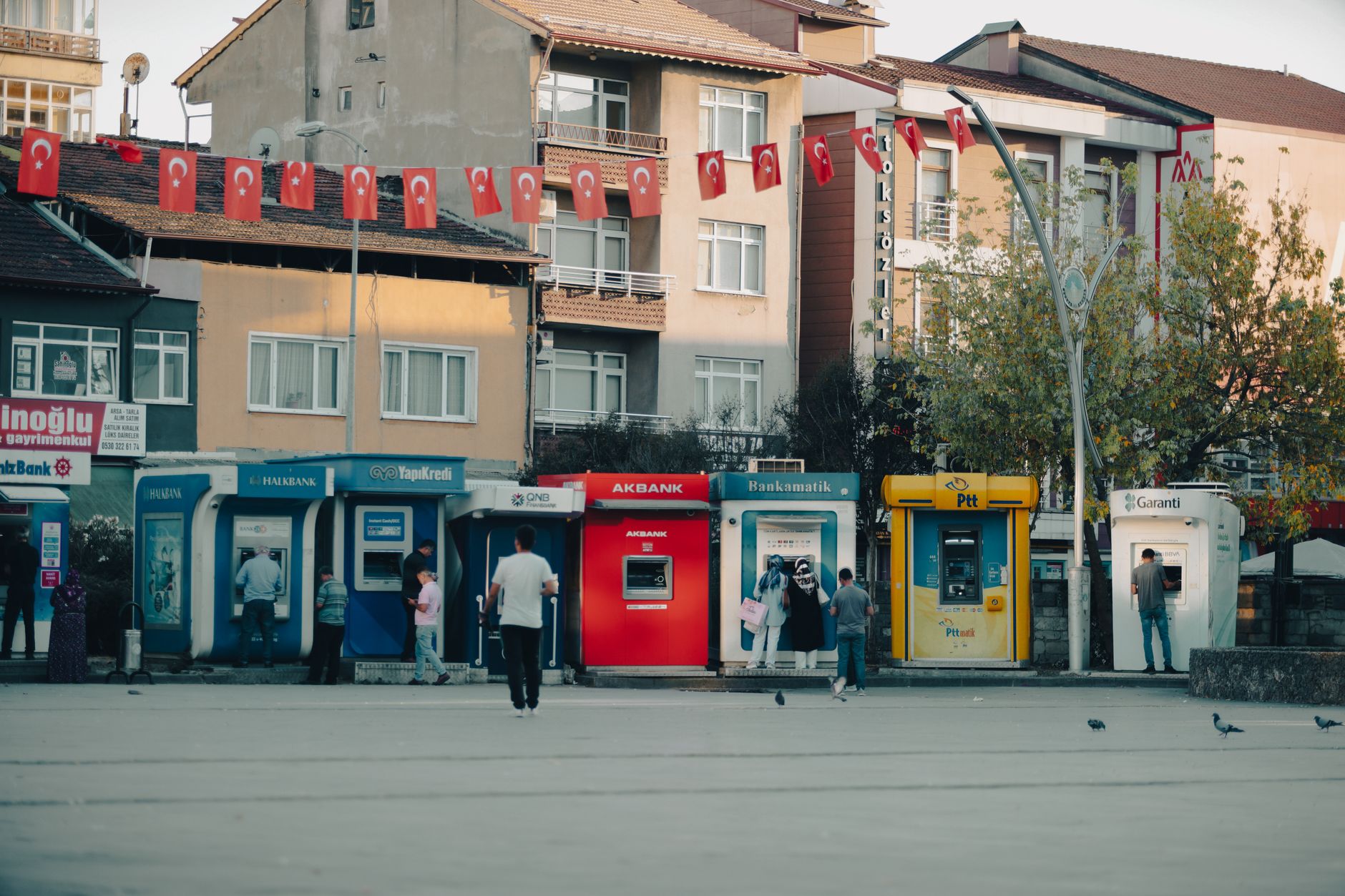
The Wise debit card works well in Vietnam if you know the fee structure. Here's how to use it at ATMs and merchants without losing money on bad rates.
Altri articoli in questa regione.
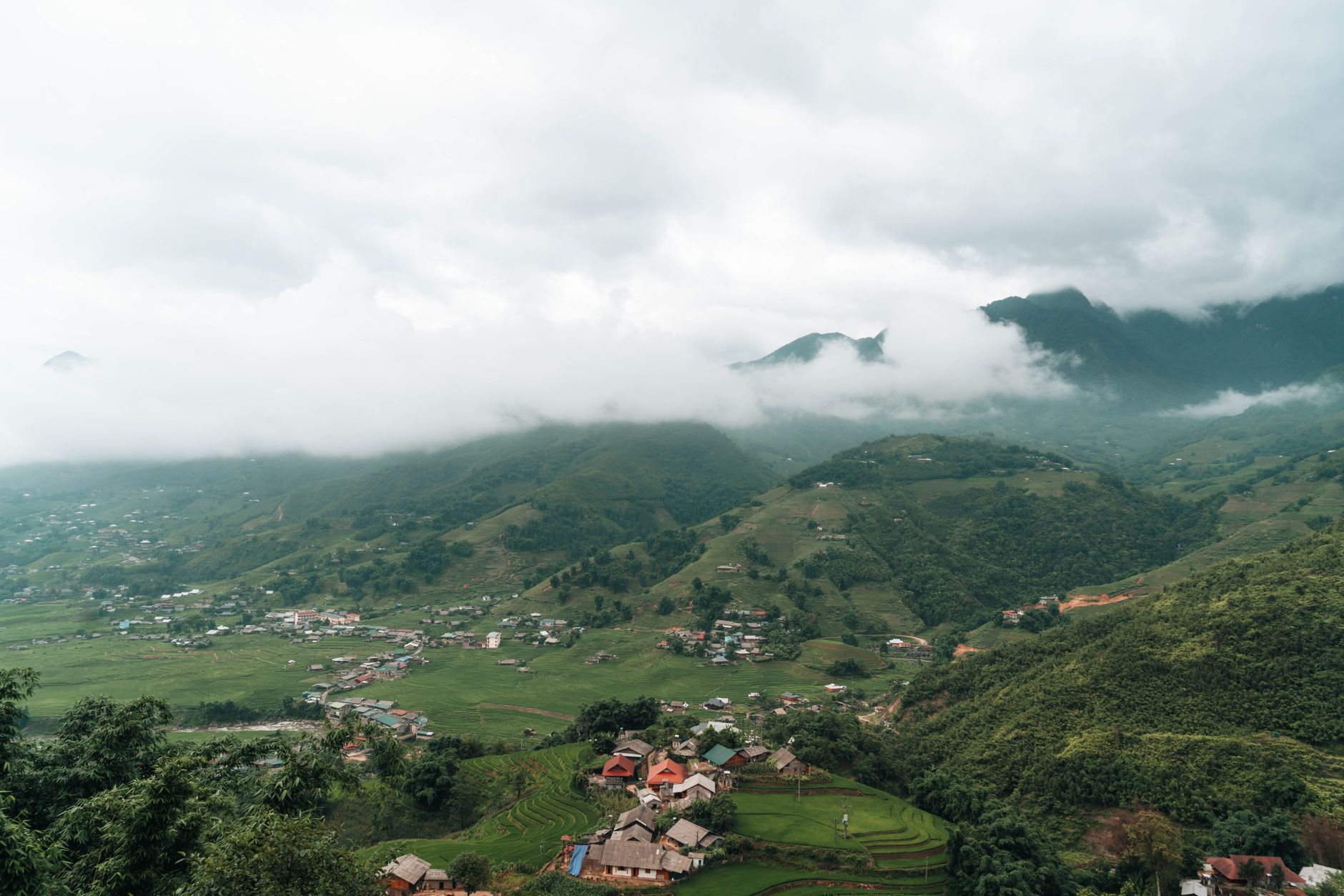
Y Ty is a Ha Nhi ethnic commune in Lao Cai province where sea-of-cloud mornings run from September to March — and almost nobody shows up compared to Sa Pa.

Y Ty's sea of fog is not a rumor — but it only appears reliably for a few weeks a year. Here's when to go, where to stand, and how to sleep close enough to catch it.

Yen Tu in Quang Ninh province is Vietnam's most significant Buddhist pilgrimage site — a forested mountain where a 13th-century king renounced his throne and founded a homegrown school of Zen.
More articles from the same category.
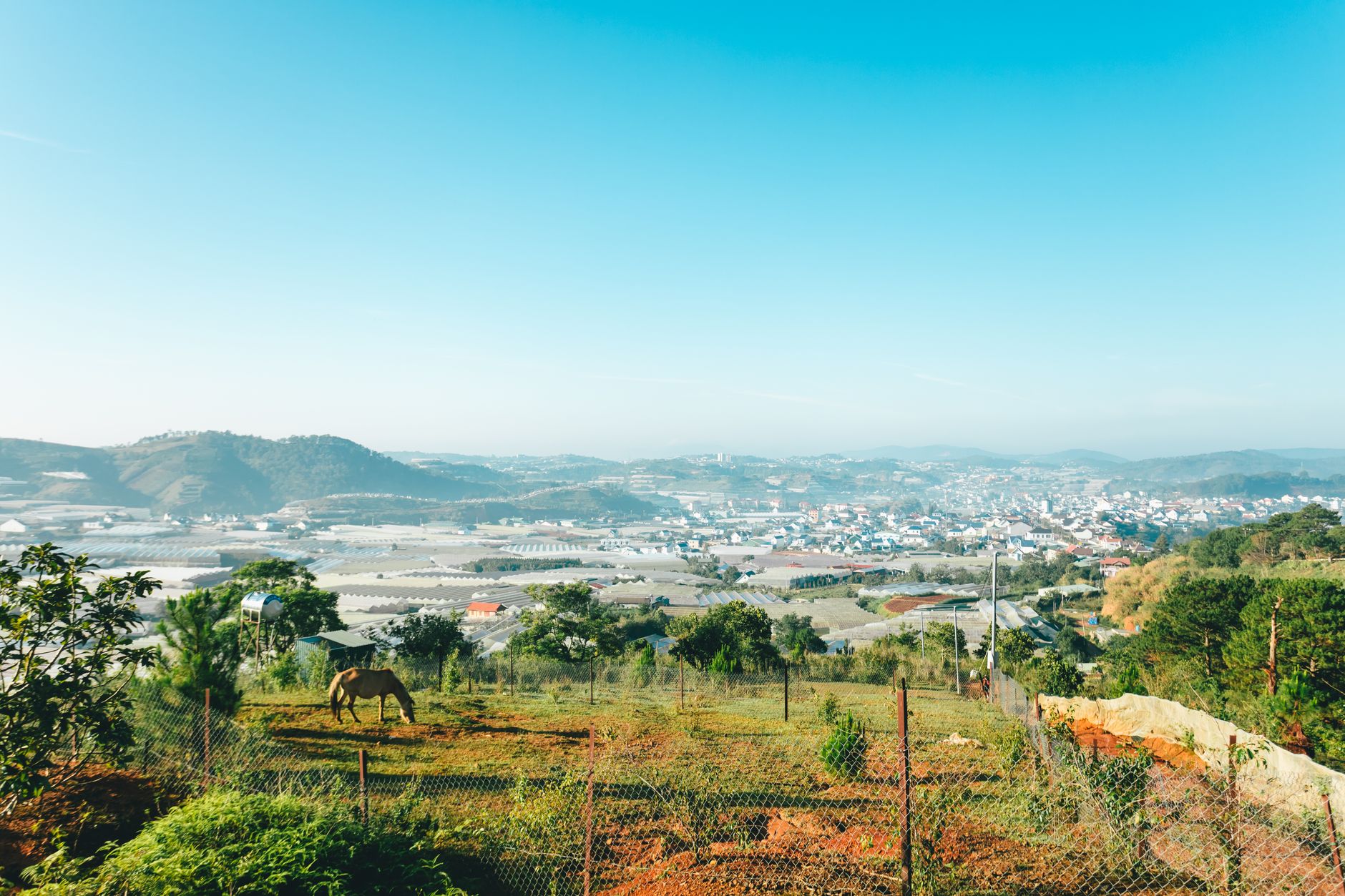
Yok Don is Vietnam's biggest national park and one of its least-visited. Here's what actually lives inside — and how to do it properly.
Skip the crowds of Sapa for Y Ty, a remote highland outpost in Lao Cai where clouds settle in the valleys and ancient mud-walled houses dot the terraced hills.

Skip the mega-resort bubble and head south to the An Thoi archipelago. This independent day-trip route covers speedboat logistics, quiet snorkeling spots, and local seafood.

A practical, no-nonsense guide to visiting Phong Nha Cave independently, including how to navigate the boat-sharing system, costs, and what to expect.

Ditch the crowded tourist loops of the Mekong Delta for Tri Ton, a quiet district of emerald palmyra fields, sacred Khmer pagodas, and incredible street food.
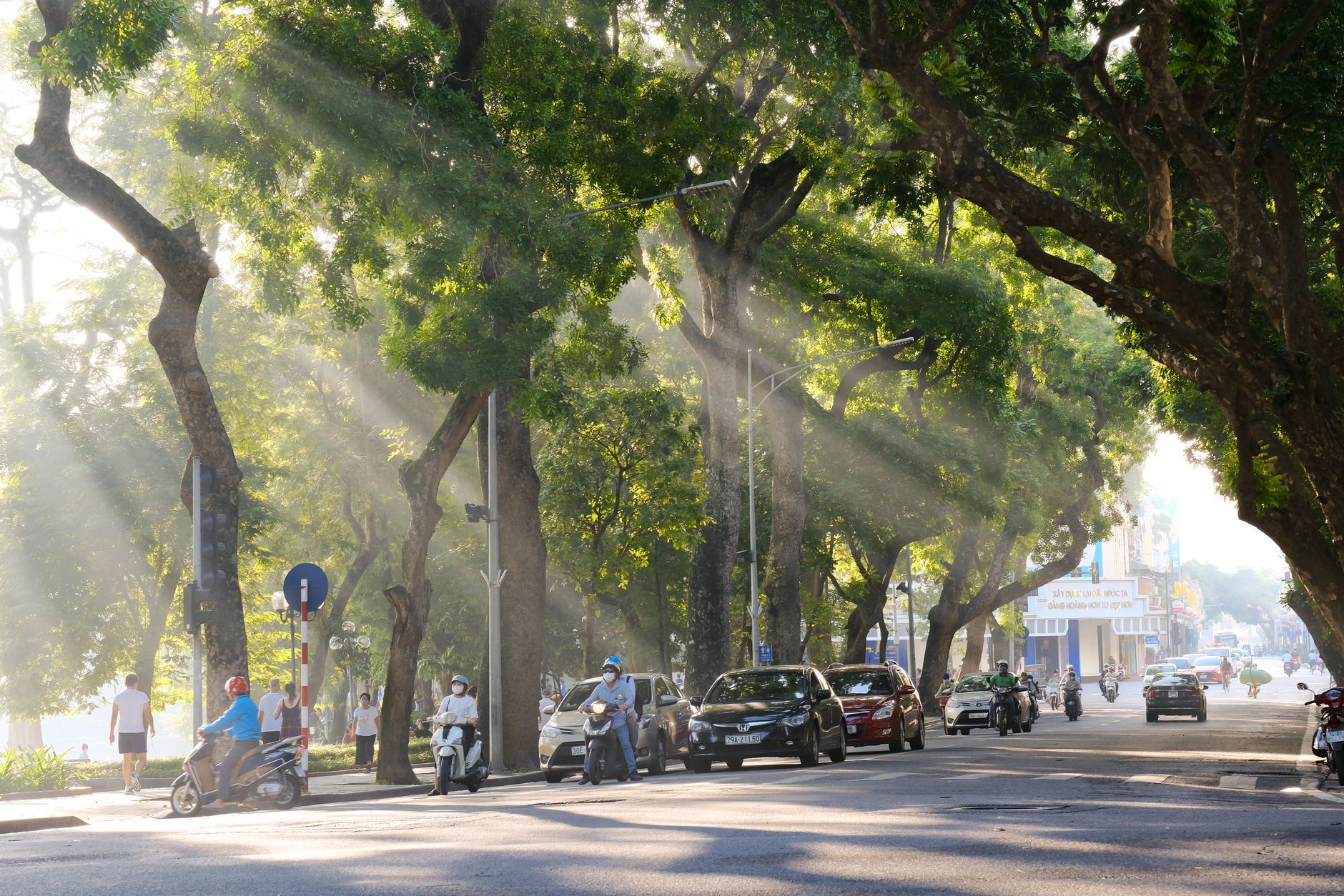
Navigating Tra Vinh's tree-lined streets and scattered Khmer pagodas requires some planning. Here is how to handle local taxis, motorbike rentals, and regional buses.
An hour west of Hanoi by motorbike or car, Ba Vi National Park sits at the edge of the Red River delta where the land suddenly buckles into forested hills. Hanoi residents have been coming here for decades — not because travel blogs told them to, but because the mountain is genuinely a few degrees cooler and the air genuinely smells different.
The park entrance is roughly 60 km from Hanoi (하노이 / 河内 / ハノイ)'s Old Quarter via Highway 32 through Son Tay. On a motorbike, expect 75–90 minutes depending on traffic leaving the city. By car it's comfortable in under an hour. Grab-car from central Hanoi runs around 350,000–450,000 VND one way. There is no direct public bus that gets you inside the park, though buses do run to Son Tay town (from My Dinh bus station, about 20,000 VND), where you can rent a motorbike for the final stretch.
Entrance fees at the main gate: 60,000 VND per adult. If you want to drive your motorbike up to the higher elevation zones, add another 15,000 VND. The road inside is sealed and manageable, but it's steep in places — respect that if it's been raining.
The thing that surprises first-time visitors is how much is left of the old French-era hill station. In the early 20th century, Ba Vi — then called Mount Ba Vi or "Tản Viên" — was developed as a cooler retreat from the lowland heat of the Indochina colonial administration. Villas, a church, and administrative buildings went up across the hillside. Most were destroyed or abandoned in the 1940s, but the stone shells remain, partially swallowed by fig roots and moss.
The ruined church at around 1,100 meters elevation is the most photographed structure: roofless walls, empty window frames, lichen-covered stone. It takes about 30–40 minutes of uphill walking from the main car park at Zone 2 to reach it. The path is marked and not technical, but wear shoes with grip. On weekdays you'll often have the spot nearly to yourself. On Saturday mornings it fills up with Hanoi families and university students.
There are also the remains of what was once a sanatorium further along the ridge. Less visited, more atmospheric.
Ba Vi covers around 10,000 hectares of subtropical forest across three peaks — Dinh Vua (1,296 m, restricted), Tan Vien (1,227 m), and Ngoc Hoa (1,131 m). The lower slopes run through bamboo and broadleaf forest; the upper sections shift into cooler, mistier pine and eucalyptus. Wildlife exists here — civets, flying squirrels, a documented population of macaques — though you're more likely to hear birds than see mammals.
For most weekenders, the appeal is simpler: standing in shade that actually works, breathing air without construction dust, and hearing something other than horns. Hanoi sits at 6 meters above sea level. Ba Vi's upper trails sit at over 1,000 meters. The difference is physical and immediate.
There are several marked hiking loops ranging from 3 km to around 8 km. None require a guide, though the longer trails benefit from an offline map download (Maps.me covers the park reasonably well).
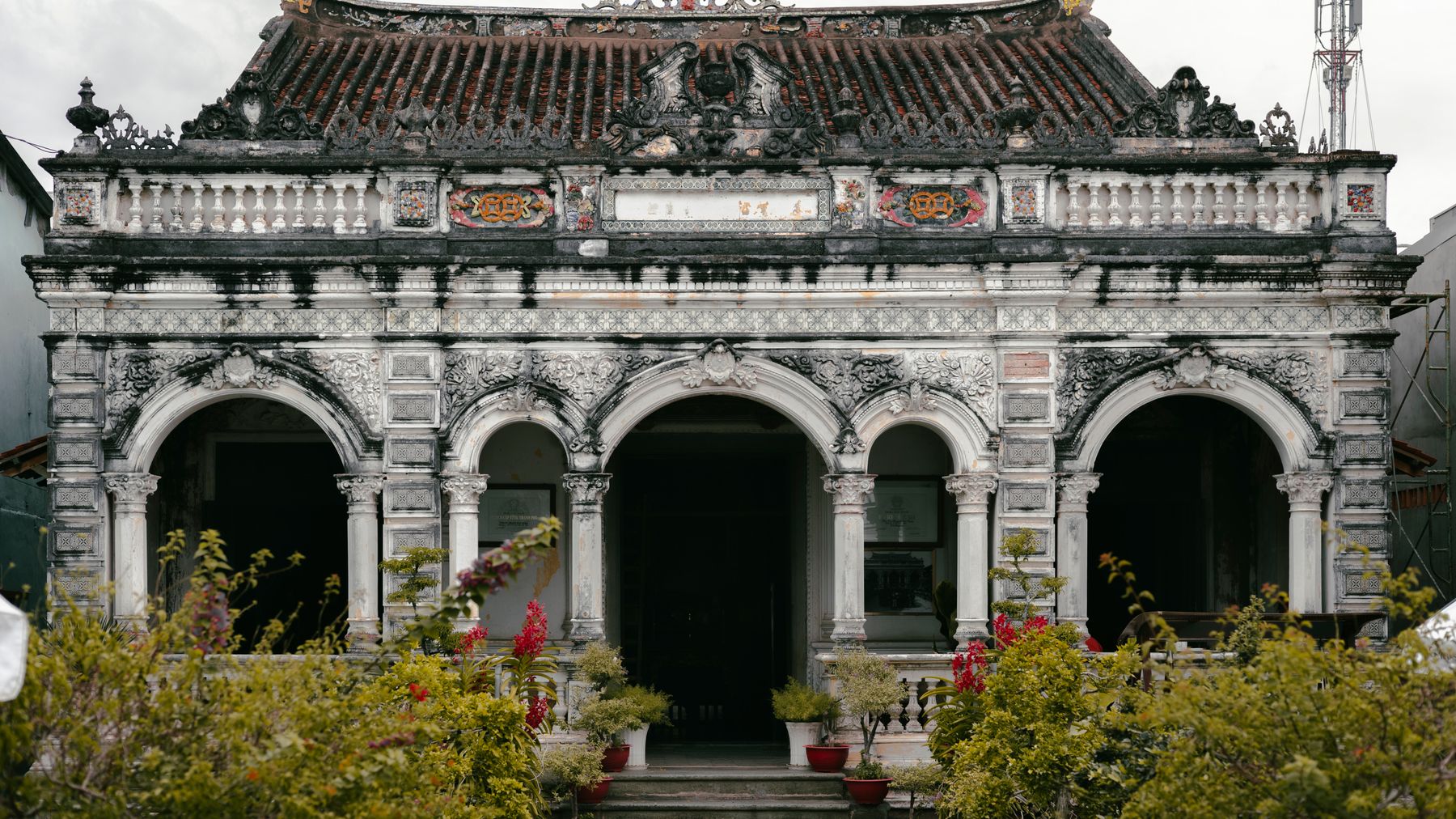
Photo by DUYTRG TRUONG on Pexels
At the base of the mountain, particularly along the road approaching the park from the direction of Ba Vi town, you'll pass a string of dairy farms and roadside stalls selling fresh milk and yogurt. Ba Vi has been a dairy production area since the French introduced cattle breeding here in the colonial period. The product that everyone stops for is "sua chua" — Vietnamese yogurt — sold chilled in small glass jars or plastic cups for around 10,000–15,000 VND each.
It's thick, slightly tangy, not heavily sweetened. A few stalls also sell fresh pasteurized milk by the glass (5,000–8,000 VND) and a local take on soft-serve. The farms themselves aren't really tourist operations — they're working dairies — but the roadside stalls are set up specifically for passing weekenders and are easy to spot.
If you're driving back toward Hanoi via Son Tay, stop in the town itself for lunch. Son Tay has a decent market food scene: "banh cuon" stalls open from early morning, and you'll find solid "bun thang" if you look around the central market area.
There's no shortage of weekend cottage resorts on the slopes around Ba Vi. Most are aimed at Hanoi families wanting two days of cool air, a swimming pool, and space for kids to run around. Prices range from about 800,000 VND per night for a basic bungalow to 3,000,000+ VND for more upmarket resort villas. Book ahead for Saturday nights — these places fill up, particularly from May through September when Hanoi is hottest.
If you're coming as a day trip (which is entirely feasible), pack food or plan to eat at one of the small canteen-style restaurants near the Zone 2 entrance. The in-park options are functional rather than good.
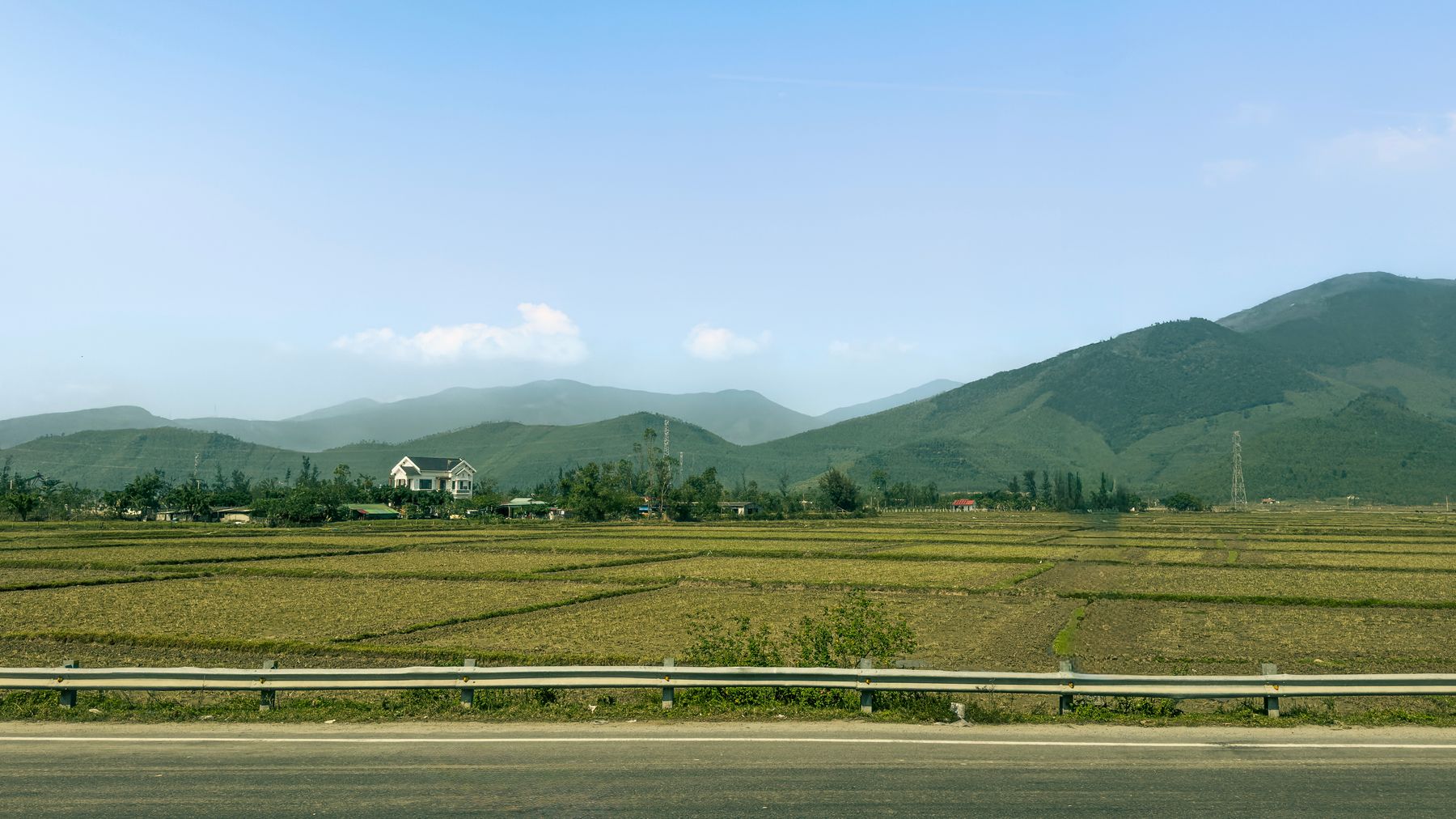
Photo by Tuấn Vũ on Pexels
April through October works well for greenery and mist, though July and August bring heavy rain that can make the upper trails slippery and close some sections. November through February is cooler and drier — the ruins look particularly good in the low-angle winter light, and the pine zones smell sharp and clean. Avoid the Ba Vi side of Tet week if crowds bother you; it's a local pilgrimage destination (the mountain has deep mythological significance in Vietnamese culture as the home of the mountain deity) and gets genuinely packed.
Fuel up in Hanoi before you leave — petrol stations thin out past Son Tay. Bring cash; the park and most stalls don't take cards. Phone signal is fine on the lower trails, unreliable at the summit zones.