— FINE —
Ultimo aggiornamento · May 30, 2026 · ricerca indipendente, mai sponsorizzata.
We use minimal analytics + ads (no personal tracking). See our privacy policy.
Skip the tourist traps and dive into the fiery, rustic flavors of Vinh. From turmeric-laden eel soup to hand-cut wheat noodles, here is where locals actually eat in Nghe An.
Ultimo aggiornamento · May 30, 2026 · ricerca indipendente, mai sponsorizzata.
Altri articoli su questa città.
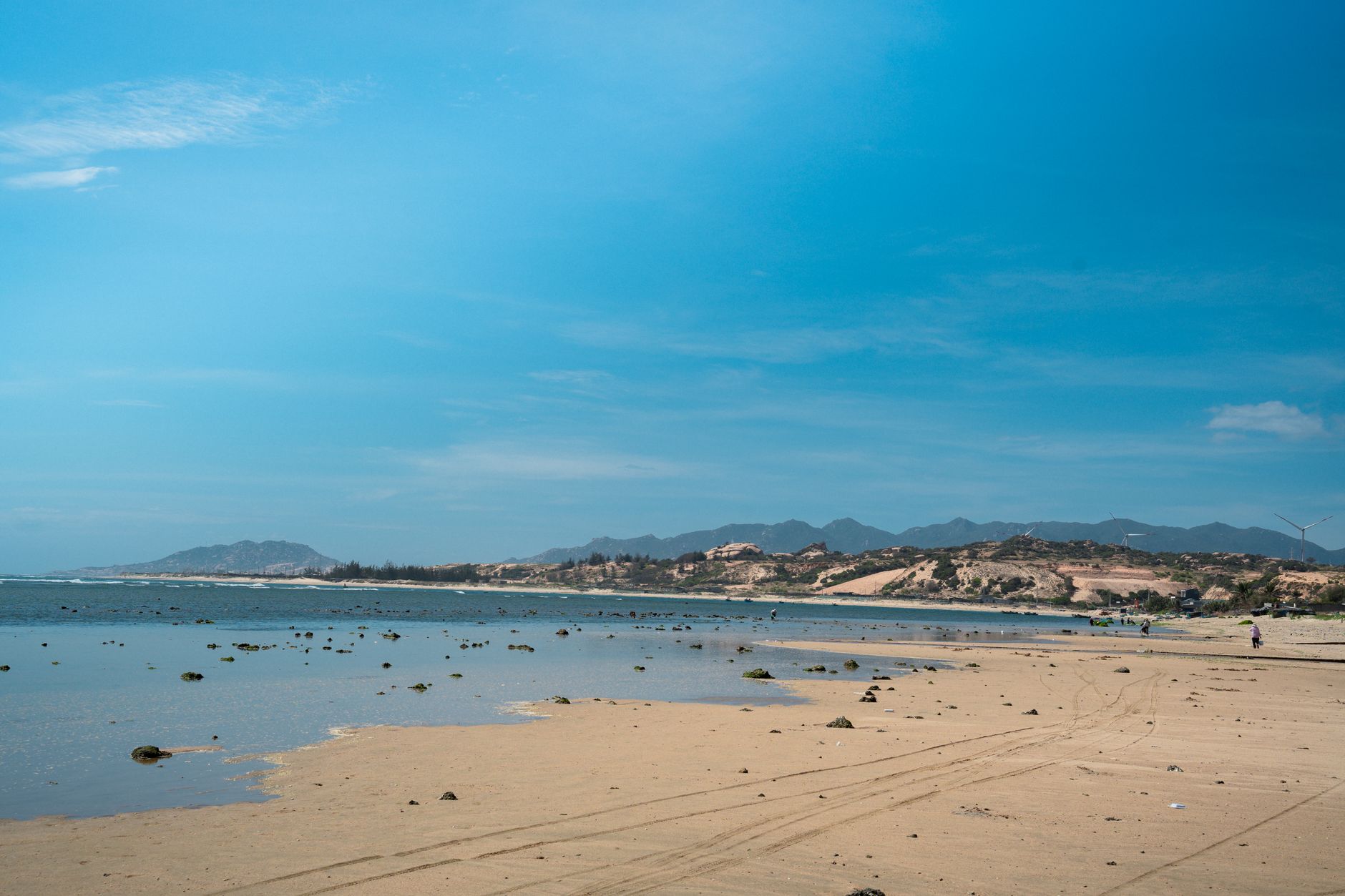
Cua Lo Beach draws domestic crowds for good reason — wide sand, cheap seafood, and a local atmosphere that hasn't been polished for foreign tourists.
…
Hotels, homestays, hostels — strongest inventory in Vietnam.
Den Cuong is one of central Vietnam's most revered temples, perched on a hillside overlooking the sea in Nghe An. Here's what to know before you go.

Hang Bua is a massive limestone cave tucked into the mountains of western Nghe An, surrounded by Thai ethnic villages and largely off the foreign tourist radar.
Altri articoli in questa regione.

Forget everything you know about standard noodle soup. In the Central Highlands city of Pleiku, the local obsession is 'pho kho', a two-bowl ritual that defines the region's breakfast culture.

Quy Nhon is often overlooked for its neighbors, but its rice-based specialties, particularly the local take on vermicelli, define the city's culinary identity.

Da Lat has quietly become Vietnam's most liveable remote-work base — cool air, cheap rent, and more cafes than you can reasonably test in a month.
More articles from the same category.
Yok Don is Vietnam's biggest national park and one of its least-visited. Here's what actually lives inside — and how to do it properly.
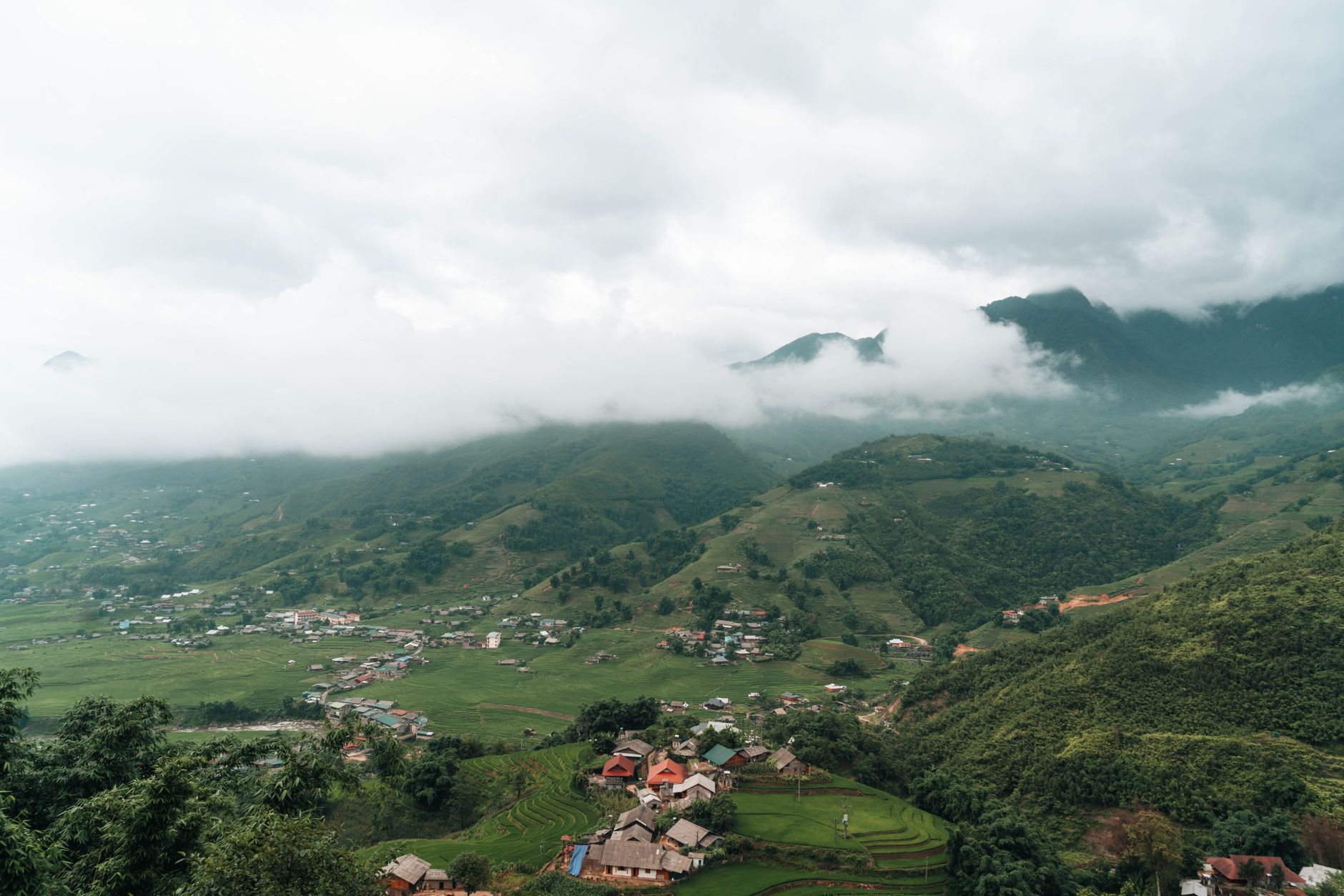
Y Ty is a Ha Nhi ethnic commune in Lao Cai province where sea-of-cloud mornings run from September to March — and almost nobody shows up compared to Sa Pa.

Y Ty's sea of fog is not a rumor — but it only appears reliably for a few weeks a year. Here's when to go, where to stand, and how to sleep close enough to catch it.

Yen Tu in Quang Ninh province is Vietnam's most significant Buddhist pilgrimage site — a forested mountain where a 13th-century king renounced his throne and founded a homegrown school of Zen.
Skip the crowds of Sapa for Y Ty, a remote highland outpost in Lao Cai where clouds settle in the valleys and ancient mud-walled houses dot the terraced hills.

Skip the mega-resort bubble and head south to the An Thoi archipelago. This independent day-trip route covers speedboat logistics, quiet snorkeling spots, and local seafood.
If you are looking for the delicate, subtle flavors of a "pho" in Hanoi or the sweet, herb-laden street food of Saigon, Nghe An might shock your system. The food in this central province is intense, unpretentious, and unapologetically spicy. The local palate demands heavy hits of turmeric, black pepper, chili, and pungent local fish sauce.
To experience the real culinary identity of the province, you need to head to Vinh, the bustling provincial capital. Skip the sterile hotel dining rooms and head straight to these five street-side institutions where locals have been eating for decades.
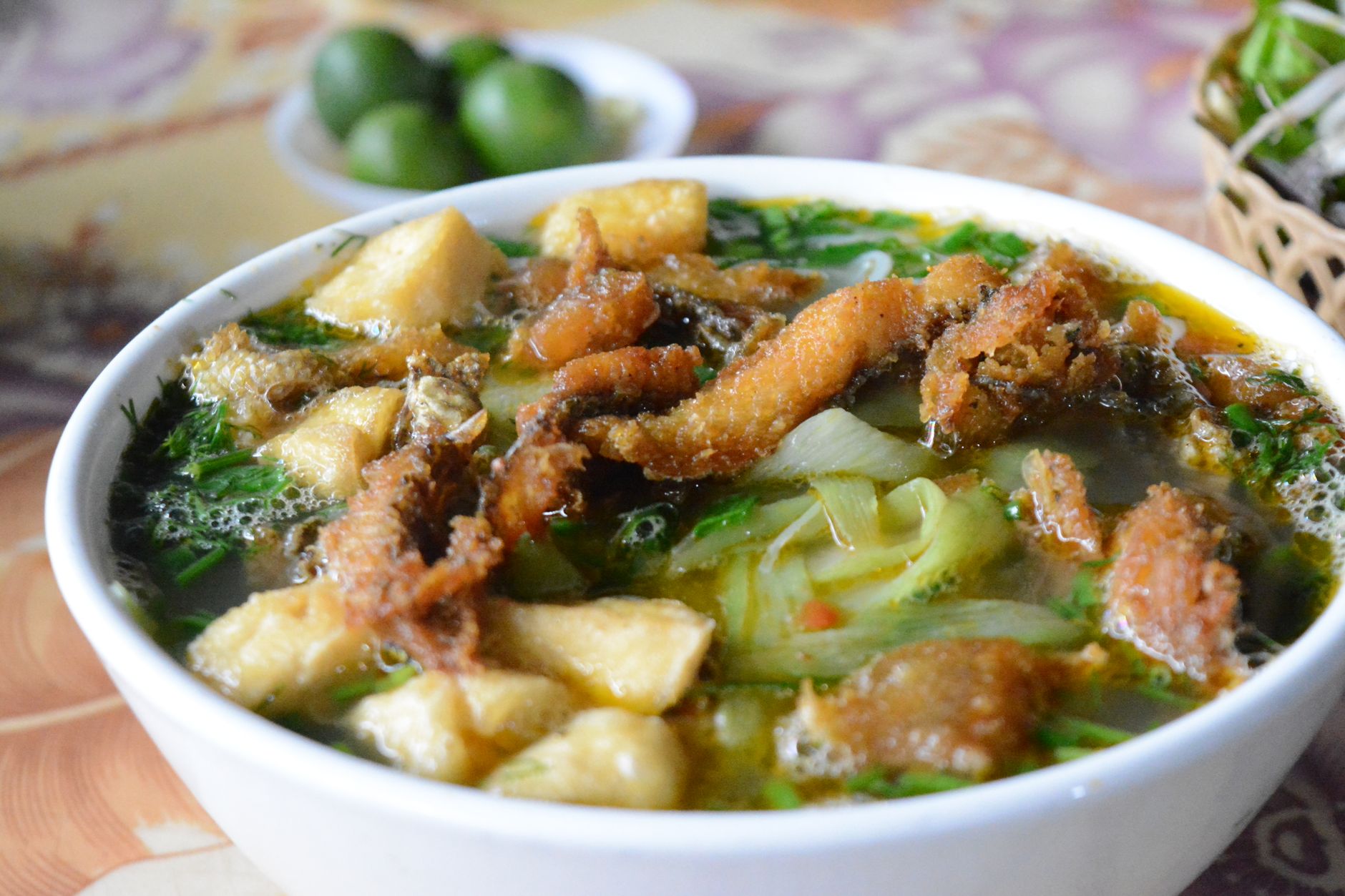
You cannot talk about Nghe An without talking about eel. The local freshwater eels are small, lean, and incredibly sweet. Unlike northern versions where eel is deep-fried to a crisp, Vinh locals stew it tender. At Ba Lieu Khac, they serve "chao luon" (eel porridge) and "sup luon" (spicy eel soup) that will clear your sinuses.
The soup is a fiery, golden broth stained with turmeric and loaded with tender strips of eel, generous heaps of green onions, and "la rai" (laksa leaves). Order the soup and pair it with a crusty "banh mi" or a plate of plain steamed rice sheets to soak up the spicy broth.
While it looks similar to northern "banh cuon", Nghe An's "banh muot" is a different beast. It is made from high-quality rice soaked for hours, ground into a liquid batter, and steamed into thin, translucent sheets. Unlike its northern cousin, it has no minced pork or mushroom filling. Instead, it is folded plain, brushed with fragrant, rendered shallot oil, and served warm.
At Ba Man, the steamed rice sheets are served alongside plates of "gio lua" (pork sausage) or deep-fried spring rolls. The magic lies in the dipping sauce—a simple mix of local fish sauce, lime, and crushed bird's eye chilies. The texture of the rice sheets is incredibly light and velvety.

Photo by Vietnam Tri Duong Photographer on Pexels
If you need something hearty to get you through a damp central Vietnam (베트남 / 越南 / ベトナム) afternoon, "chao canh" is the answer. Do not let the name fool you; this is not porridge ("chao"), but a thick, comforting noodle soup similar to southern "banh canh".
The noodles at Ba Ha are hand-cut from a mix of wheat and rice flour, giving them a chewy, rustic texture. The broth is thick and gelatinous, simmered from pork bones for hours. A standard bowl comes loaded with tender pork ribs, quail eggs, slices of fish cake, and a heavy dusting of fried shallots and fresh herbs.
Do not expect the delicate, dry-styled "banh beo" of Hue (후에 / 顺化 / フエ) here. The Nghe An variation is a rustic, chewy dumpling made from tapioca starch. The dough is rolled out, stuffed with seasoned minced pork and tiny river shrimp, and boiled until translucent.
At Nhi Hue, they serve these chewy dumplings swimming in a warm, sweet-and-sour fish sauce broth, topped with fried shallots and fresh coriander. It is sweet, salty, sour, and spicy all at once. It is highly addictive and very cheap.

Photo by Quý Nguyễn on Pexels
The mountainous districts surrounding Vinh are famous for "de nui" (free-roaming mountain goats). The meat is lean, gamey, and incredibly tender. De Loi is the go-to spot in Vinh for a proper goat feast.
Order the "de thui" (rare goat meat lightly seared and thinly sliced), which you wrap in rice paper with green bananas, star fruit, and herbs. The crucial element here is the dipping sauce: "tuong Nam Dan", a thick, fermented soybean paste native to Nghe An that has a deep, umami-rich funk. Follow it up with a clay pot of goat curry or a bowl of hot goat ginger soup.
Most of these street food stalls operate on cash-only terms, so keep plenty of small VND notes on hand. While Vinh is highly accessible by train or flight from Hanoi, English is rarely spoken at these hyper-local joints—simply point to what the person next to you is eating, or memorize the dish names before you go.