Day 1 — Arrival in Ha Giang City
Start your journey in Ha Giang City. Most travelers rush through, but the morning markets here are the best place to find "thang co", a traditional horse meat stew. For dinner, head to a local spot serving "com lam" (bamboo-tube rice) paired with grilled stream fish. Off-script: Skip the hotel breakfast and head to the local market at 6:00 AM for a bowl of "pho chua" (sour pho), a cold noodle dish unique to the northern highlands.
Day 2 — The Road to Quan Ba
Head north toward Quan Ba. Stop in the village of Tung Tam for "banh tam giac mach" (buckwheat cake). The texture is dense and earthy, best eaten warm. Off-script: Look for roadside vendors selling fermented soybeans, a pungent staple of the local diet.
Day 3 — Yen Minh and Highland Herbs
As you climb higher, the air cools. In Yen Minh, seek out "thit gac bep" (smoked buffalo meat). It is tough, salty, and perfect with a local corn wine. Off-script: Visit a local herb garden to see how cardamom is harvested; it is the secret ingredient in almost every local broth.
Day 4 — The Karst Plateau
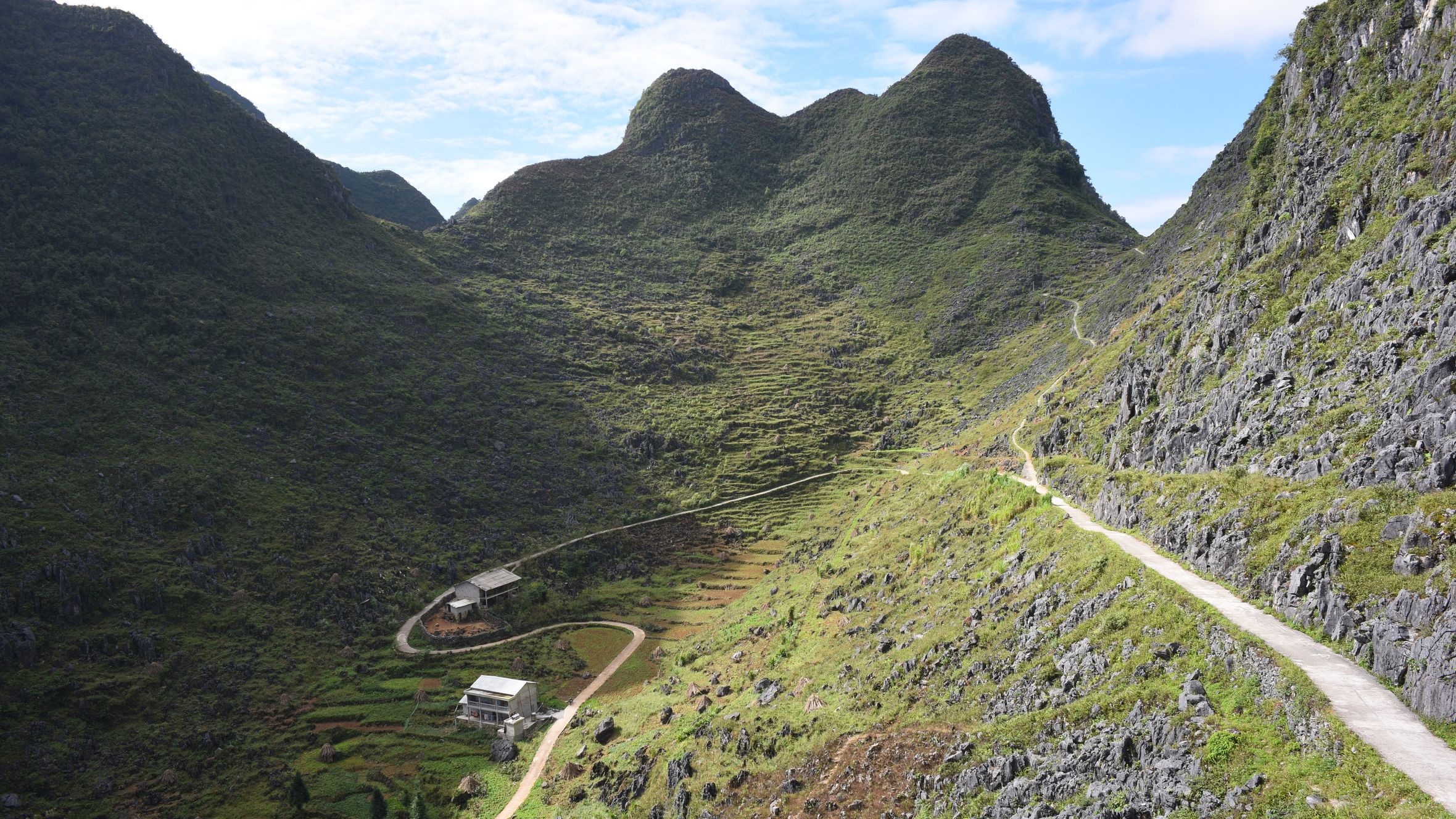
Spend the day navigating the limestone peaks toward Dong Van. Lunch is "men men" (steamed corn flour). It is an acquired taste, often served with a side of vegetable soup to help it go down. Off-script: Find a shop selling "tra shan tuyet" (snow tea), grown on ancient trees in the high-altitude mist.

Photo by Quang Nguyen Vinh on Pexels
Day 5 — Dong Van Market Culture
If your timing aligns with the weekend, the Dong Van market is a sensory overload. Try "banh cuon" served with a bone broth dip instead of the usual nuoc mam. Off-script: Sit at a corner cafe with a "vietnamese coffee" and watch the trade of local textiles; the market is as much about social connection as it is about food.
Day 6 — Ma Pi Leng and River Flavors
Descend toward the Nho Que River. The food here shifts to river-based ingredients. Try the river fish fried with wild ginger. Off-script: Take a boat ride on the river, but bring your own snacks—the vendors at the pier are overpriced.
Day 7 — Meo Vac and Black Chicken
Meo Vac is famous for "ga den" (black-bone chicken). It is usually stewed with medicinal herbs. The meat is lean and firm, a stark contrast to lowland poultry. Off-script: Ask a local homestay host to show you how they prepare their own chili paste—it is significantly more potent than what you find in city restaurants.
Photo by Quang Nguyen Vinh on Pexels
Day 8 — The Road to Du Gia
Du Gia is a quiet valley. The food here is rustic. Look for "xoi ngu sac" (five-colored sticky rice), dyed naturally with forest leaves and roots. Off-script: Swim in the local waterfall, but ensure you carry your trash back to the village center.
Day 9 — Back to the Lowlands
As you head back toward the city, stop in smaller hamlets to try "banh chung gu" (humped sticky rice cake). It is a signature of the local ethnic groups, wrapped in a way that creates a distinct shape. Off-script: If you see a roadside sign for "ruou ngo" (corn wine), stop and buy a bottle from the source—it is much cleaner than the mass-produced versions.
Day 10 — Final Tastes in Ha Giang City
Wrap up your trip with a final bowl of "bun rieu" (crab noodle soup) in the city center. It is a comforting end to a rugged journey. Off-script: Visit the local post office to send a postcard; it is a quiet way to reflect on the past ten days before heading back to Hanoi.
Practical notes
Carry cash in small denominations, as many mountain vendors cannot break large bills. Always ask for permission before photographing people or their food preparation areas, as it is a matter of basic courtesy.
Last updated · May 30, 2026 · independently researched, never sponsored.