Most travelers treat the route between Hanoi and the coast as a transit chore. If you slow down, you realize it is actually a continuous culinary progression, moving from the complex, herb-heavy broths of the capital to the fresh, salt-water-influenced dishes of the gulf.
Day 1-3 — Hanoi: The Street Food Foundation
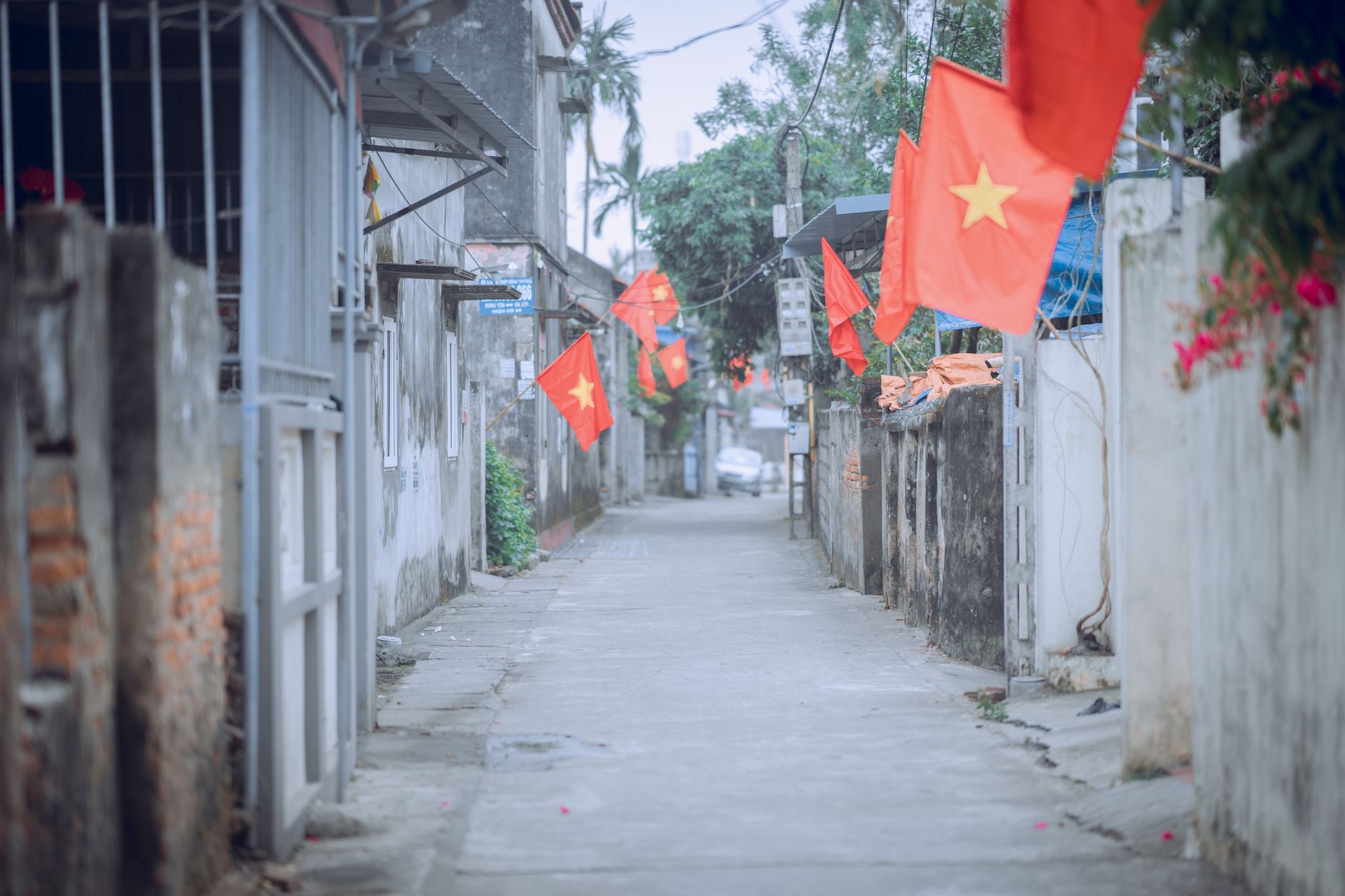
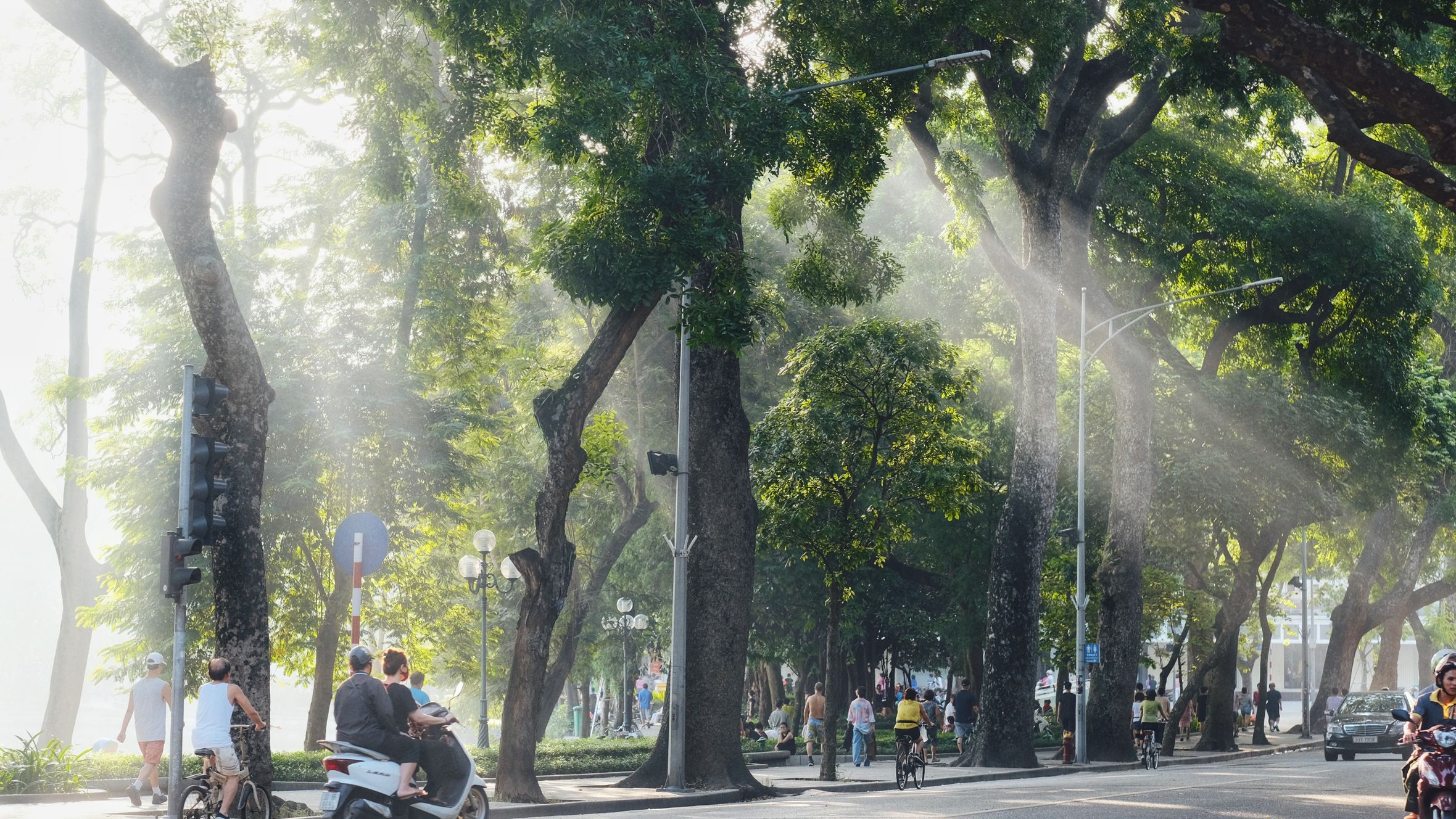
Base yourself in the Old Quarter or the quieter streets of Hai Ba Trung. Your first morning should start with "pho" at a nondescript stall near the "Temple of Literature". Avoid the tourist traps with English menus; look for the plastic stools and the steam rising from a massive aluminum pot.
Spend your afternoons walking the perimeter of the "Long Bien Bridge". For dinner, seek out "bun cha" in a narrow alleyway—the char-grilled pork patties and dipping sauce are the benchmark for Northern flavor. On day three, head to a local shop for "bun thang", a delicate, labor-intensive chicken noodle soup that defines the elegance of Hanoi cuisine.
Day 4 — The Transit to Ha Long
Take a morning limousine van (a shared luxury minivan) from Hanoi (하노이 / 河内 / ハノイ) to Ha Long City. The trip takes about 2.5 to 3 hours via the new highway. Avoid the tourist-heavy Bai Chay area and head straight to the local markets in the Hon Gai district. Here, the food is defined by "cha muc" (squid cakes) which are pounded by hand and fried until golden. Grab a portion with a side of sticky rice for a lunch that costs less than 50,000 VND.
Day 5-6 — Ha Long Bay: Beyond the Cruise
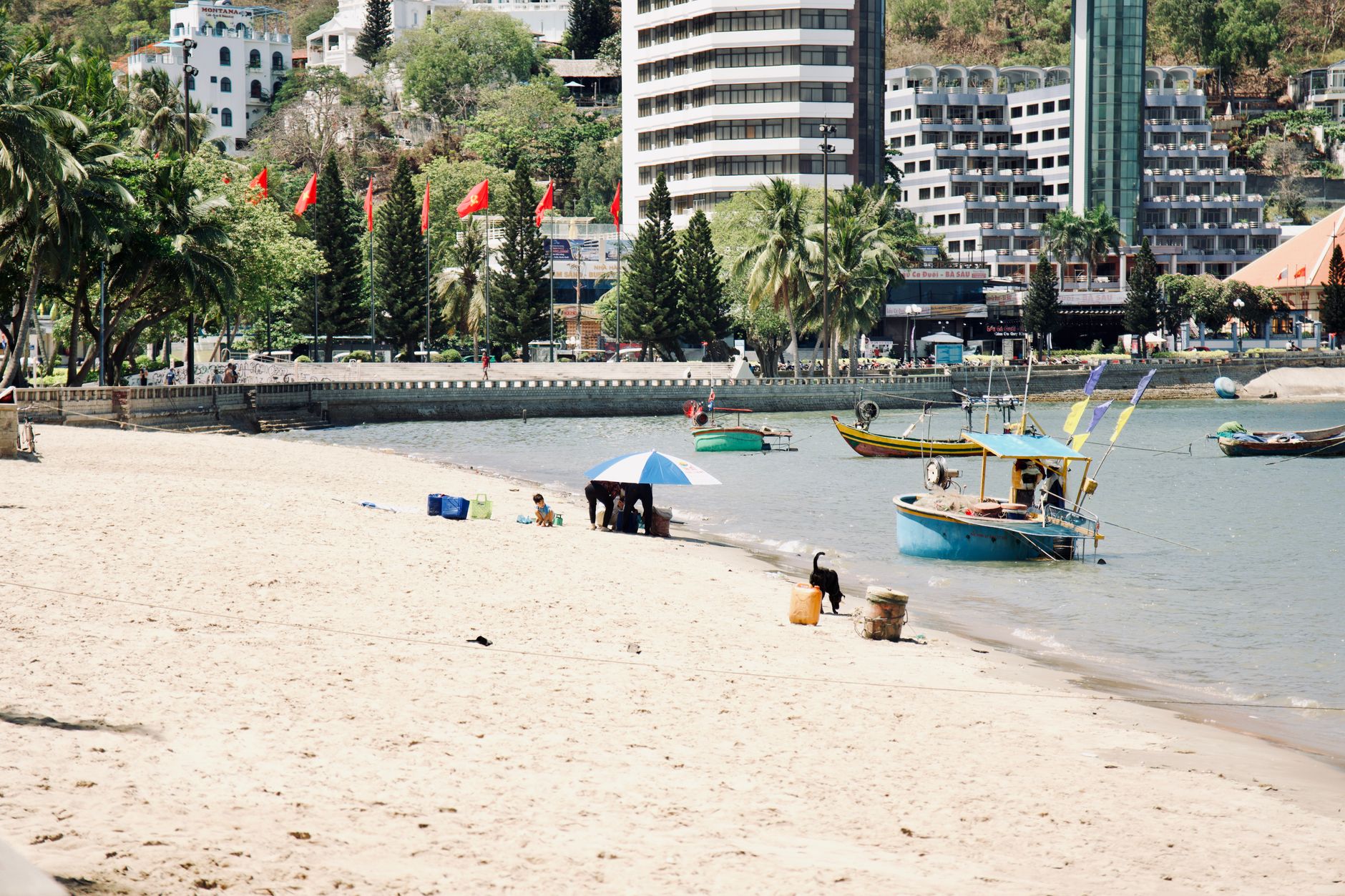
Instead of a 24-hour boat prison, book a day-trip boat that allows you to explore the smaller lagoons. Use the evening to wander the waterfront in Ha Long City. You will find plenty of seafood stalls serving fresh clams and snails. If you are feeling adventurous, try the local "vietnamese coffee" with a twist of sea salt, a regional variation that cuts through the humidity.

Photo by Vietnam Hidden Light on Pexels
Day 7 — Crossing to Cat Ba
Take the ferry from Tuan Chau to Cat Ba Island. The crossing takes about an hour and offers a better perspective of the limestone karsts than any crowded cruise ship. Once you arrive at Cat Ba Town, rent a motorbike for the remainder of your stay. The ride from the ferry terminal to the main town is roughly 20km of winding, scenic road through the National Park.
Day 8-9 — Cat Ba: Island Life
Cat Ba is not just for kayaking; it is for eating. The island's "hu tieu" and "banh canh (반깐 / 粗米粉汤 / バインカイン)" are heavily influenced by the proximity to the sea. Spend your days riding to Viet Hai village or hiking the trails in the National Park. In the evenings, head to the floating restaurants near the harbor. Order whatever the catch of the day is—usually grouper or snapper—steamed with ginger and scallions. It is simple, honest, and far removed from the polished dining rooms of the mainland.

Photo by Nguyen Ngoc Tien on Pexels
Day 10 — Return to Hanoi
Take the morning ferry back to the mainland and catch a bus or private car back to Hanoi. Use your final evening to visit a local "bia hoi" corner. These draft beer spots are the social heart of the city. Grab a glass of fresh beer, a plate of "nem chua", and watch the city move around you. It is the perfect conclusion to a loop that prioritized flavor over speed.
Practical notes
Book your limousine vans through your hotel or a reputable agency to avoid being dropped off at inconvenient locations. Always carry small change (10,000 to 50,000 VND notes) for street food, as vendors rarely have change for large bills. If you are traveling during "Tet", expect many shops to be closed and prices to fluctuate, so plan your food stops accordingly.
Last updated · May 30, 2026 · independently researched, never sponsored.