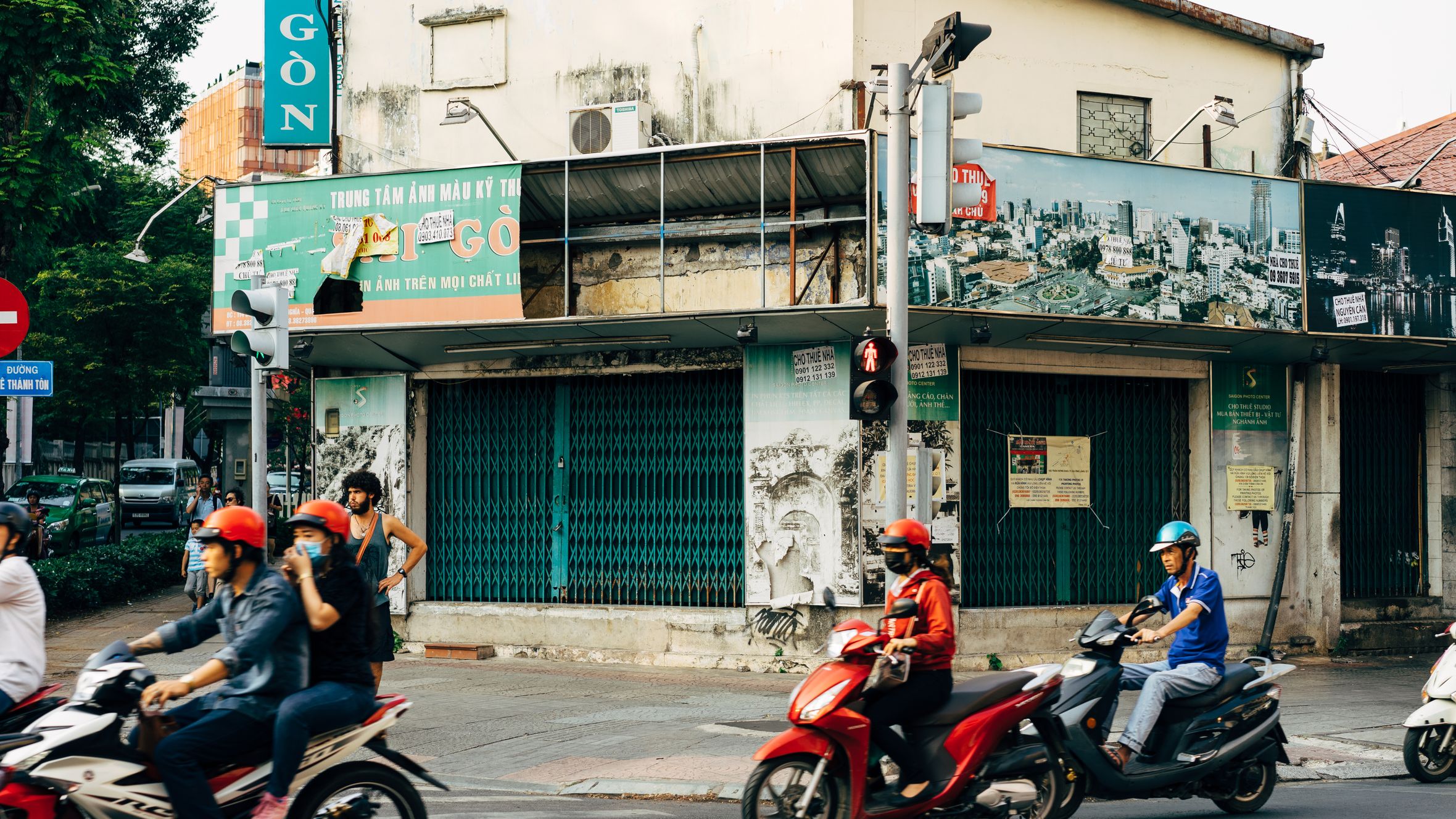
Day 1 — Arriving in Saigon
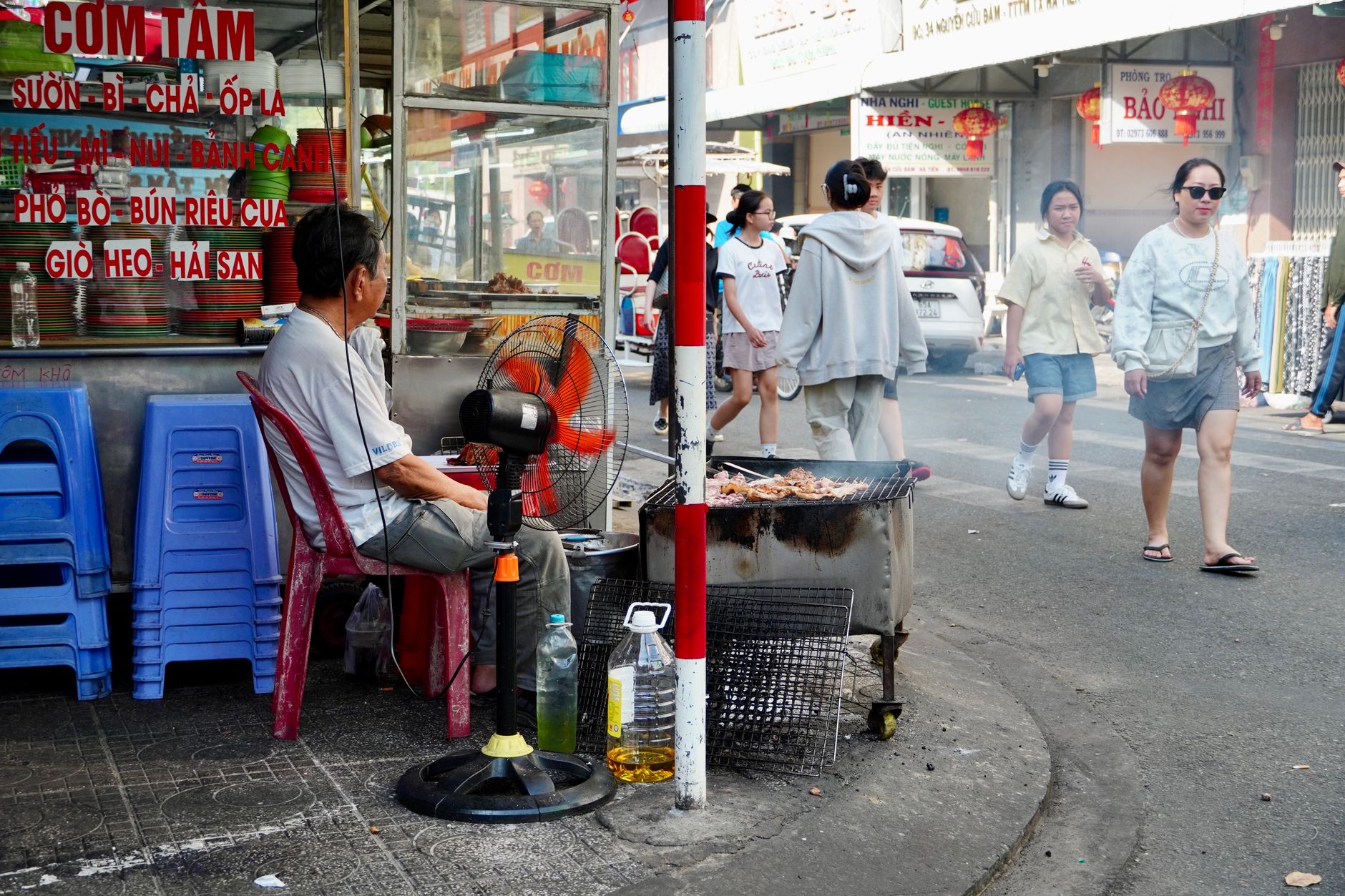
Land in Saigon and resist the urge to head straight for the tourist hubs. Spend your first day acclimating in District 3 or the quieter pockets of District 4. Grab a "com tam" at a local stall—look for the one with the most smoke and the longest line of motorbikes. Spend the evening with a "ca phe sua da" on a plastic stool, watching the city traffic. It is the best way to understand the rhythm of the south before heading into the rural provinces.
Day 2 — The Road to My Tho
Rent a motorbike or hire a private car to head toward the Mekong Delta (메콩 델타 / 湄公河三角洲 / メコンデルタ). Instead of the crowded tourist boats in My Tho, head to the outskirts to find the smaller canals. Visit the local markets where the produce is brought in by boat. Lunch should be "hu tieu", the signature noodle soup of the region, which tastes vastly different here than in the city. Stay overnight in a local homestay in the Ben Tre area.
Day 3 — Into the Heart of Dong Thap
Head west toward Dong Thap. This province is often overlooked by travelers rushing to the coast. Spend your time in the Tram Chim National Park. It is a quiet, expansive wetland that feels worlds away from the urban sprawl. Rent a small sampan to navigate the waterways. In the evening, try the local lotus-based dishes, specifically "lotus tea" and lotus seed porridge.
Day 4 — The Border Town of Chau Doc
Continue toward the Cambodian border to reach Chau Doc. This is a melting pot of cultures, home to Khmer, Cham, and Vietnamese communities. Visit the Sam Mountain at sunset for a view over the flat, green plains. For dinner, seek out "bun ca", a fish noodle soup that defines the culinary identity of this border region.

Photo by Markus Winkler on Pexels
Day 5 — Life on the Water in An Giang
Spend the day exploring the floating villages near Chau Doc. These are not the staged tourist traps found elsewhere; they are working communities where families live, farm, and trade entirely on the water. Take a boat to the Cham villages to see traditional weaving. It is a slow, observant day that requires patience and a willingness to engage with locals.
Day 6 — The Hidden Trails of Ha Tien
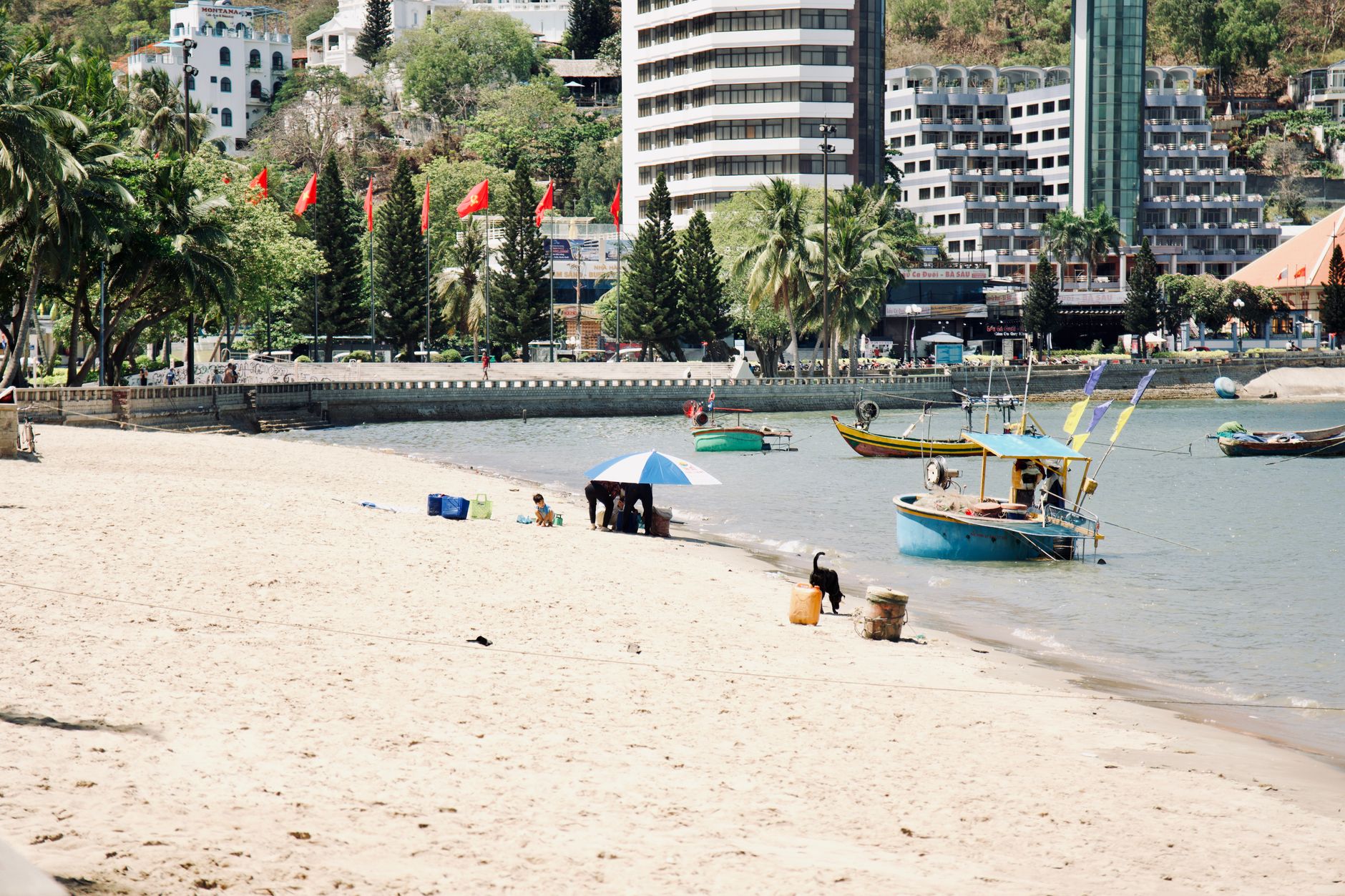
Travel south to Ha Tien, a coastal town that feels like a time capsule. It sits right on the border and has a distinct, laid-back atmosphere. Explore the limestone caves and the quiet pagodas tucked into the hillsides. The seafood here is exceptionally fresh—look for grilled squid or any dish featuring local snapper.
Day 7 — Coastal Quiet in Hon Chong
Just a short drive from Ha Tien lies Hon Chong. It is a collection of rocky outcrops and quiet beaches that rarely see international visitors. Spend the day swimming or reading by the water. The pace is incredibly slow here; it is the perfect spot to reset halfway through your trip.
Photo by Markus Winkler on Pexels
Day 8 — The Mangroves of U Minh
Head toward the U Minh forest region. This is the deep delta, characterized by dense mangrove forests and peat swamps. It is a rugged, wild landscape. Hire a local guide to take you through the canals. You will eat rustic, forest-to-table food here, often involving freshwater fish caught right in the swamps.
Day 9 — Can Tho and the River Life
Finish your loop in Can Tho (껀터 / 芹苴 / カントー). While it is the largest city in the Delta, it remains manageable. Wake up at 5:00 AM to visit the Cai Rang floating market before the tour buses arrive. It is a chaotic, authentic scene of wholesale trading. Spend your final afternoon wandering the riverfront, reflecting on the contrast between the quiet rural provinces and the bustling river hub.
Day 10 — Return to Saigon
Take the morning bus back to Saigon. Use your final hours to pick up some "nem chua" or other regional snacks to take home. If you have time before your flight, a final bowl of "banh canh" near the market provides a comforting end to a long journey through the southern provinces.
Practical notes
Carry cash in VND, as card payments are non-existent in the rural provinces of the deep south. Always have a translation app ready, as English proficiency drops significantly once you leave the main tourist corridors of Saigon.
Last updated · May 30, 2026 · independently researched, never sponsored.