Day 1-3: Hanoi - The Street Food Capital
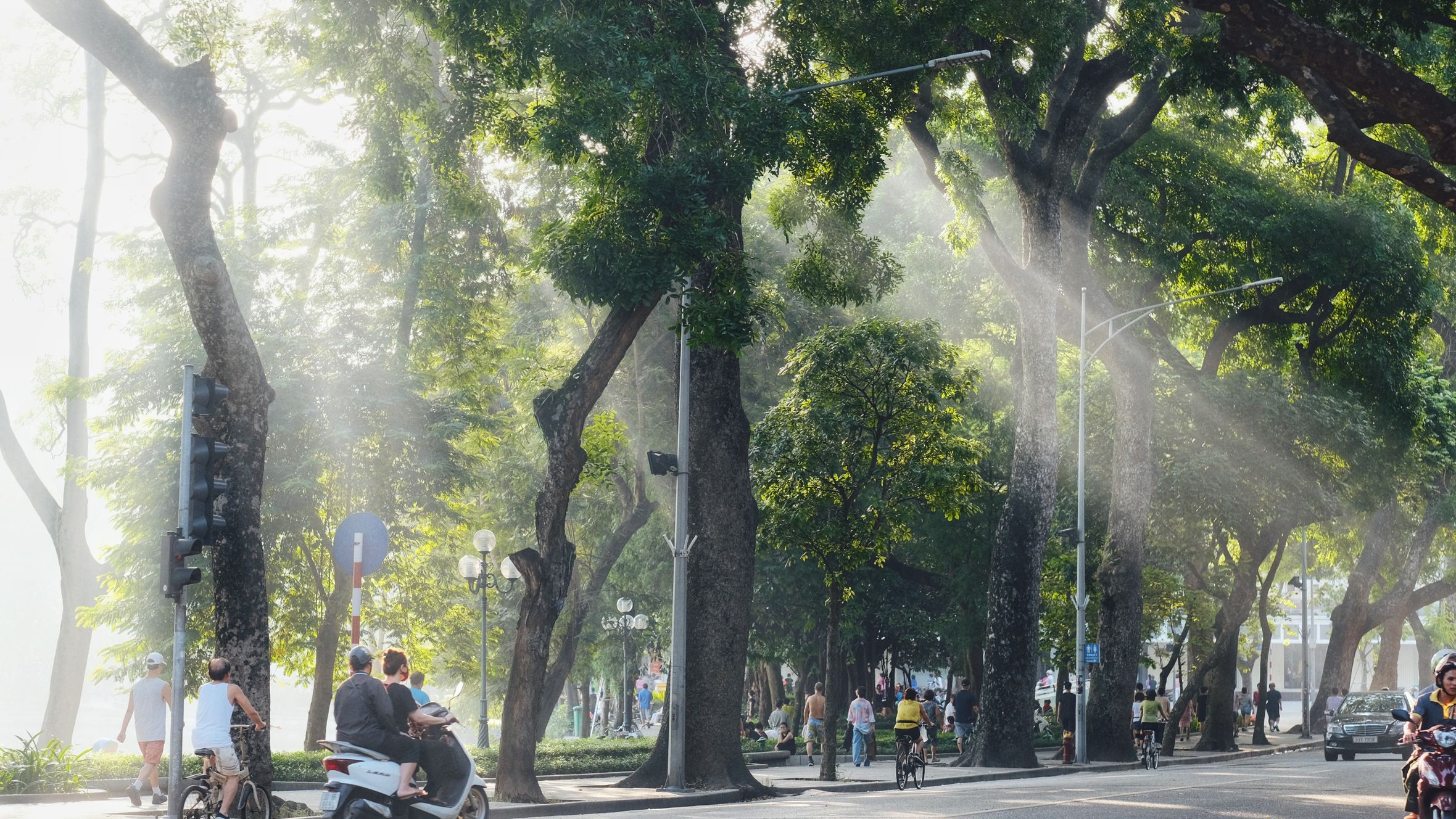
Start your trip in the capital. Hanoi is best navigated by foot, specifically within the Old Quarter. For your first meal, head to a corner shop for "pho" bo. Avoid the tourist-heavy spots; look for the ones with low plastic stools and a bubbling pot of broth. By mid-morning, find a cafe for "vietnamese coffee" or a "ca phe sua da (연유커피 / 越南冰咖啡 / ベトナムアイスコーヒー)" to fuel your walk to the "Temple of Literature".
For dinner, find a spot serving "bun cha". The smoky, grilled pork patties served with cold vermicelli and fresh herbs are a Hanoi staple. On day two, explore the "Long Bien Bridge" area early in the morning to see the local market life. In the evening, try "bun thang", a delicate chicken noodle soup that showcases the city's refined palate. Spend your third day visiting the "Tran Quoc Pagoda" before preparing for the mountain transit.
Day 4-6: Sapa - Highland Flavors
Take the morning train or a luxury sleeper bus from Hanoi (하노이 / 河内 / ハノイ) to Sapa (approx. 5-6 hours). The temperature drop is immediate. Sapa is not just about the trekking; it is about the unique ingredients found in the highlands. Seek out "thang co", a traditional stew, or grilled skewers of local pork and forest vegetables at the Sapa night market.
Spend your fifth day trekking through the Muong Hoa valley. You will find small homestays offering simple, hearty meals. On day six, visit the local market to see the variety of mountain produce. If you are lucky, you might find vendors selling "banh chung" wrapped in local leaves. The air here is crisp, and the food is significantly more rustic than in the lowlands.
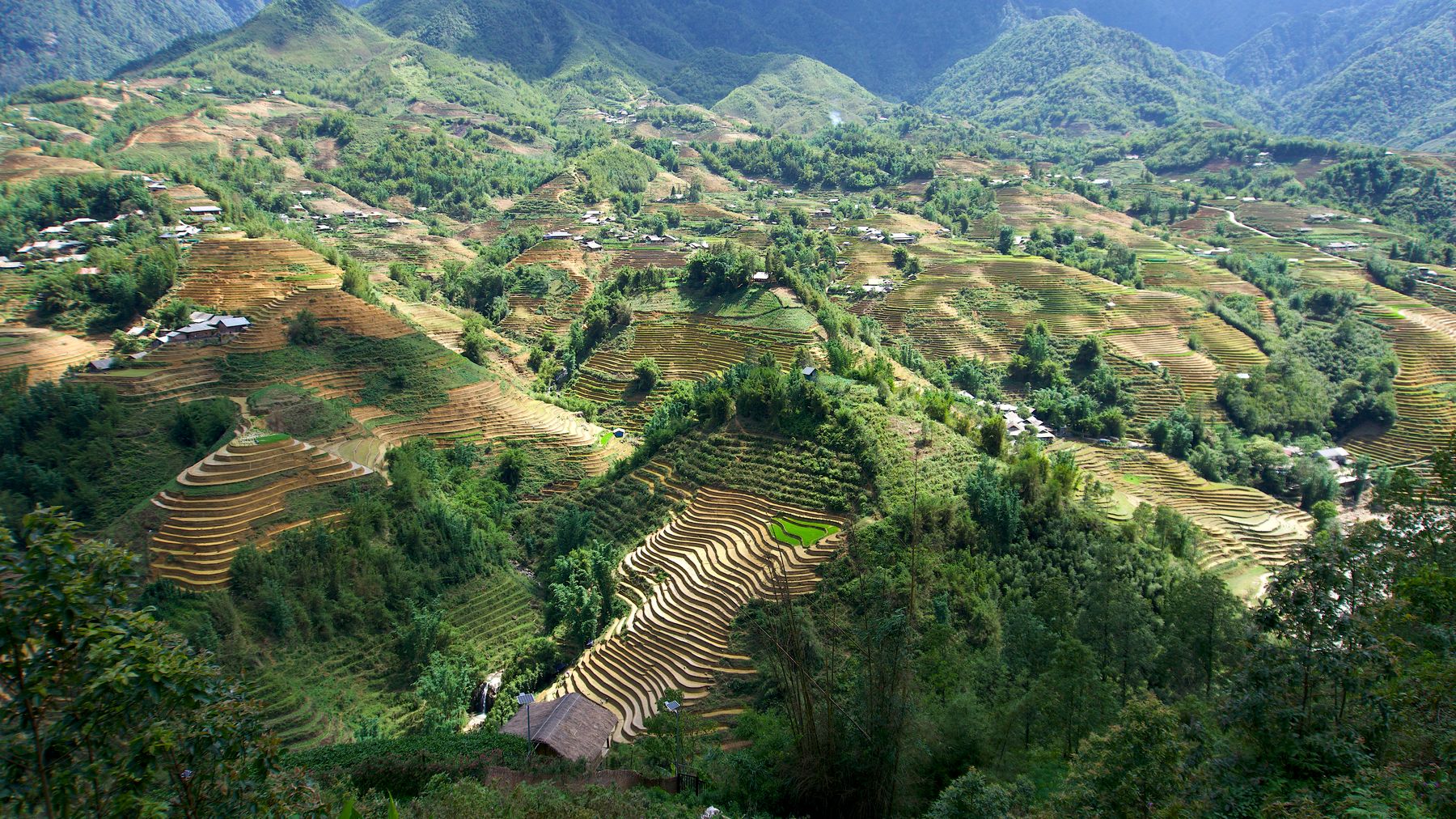
Photo by Duong Nguyen on Pexels
Day 7-9: Ha Long Bay - Coastal Bounty
Travel from Sapa back toward the coast. This is a long transit day (approx. 7-8 hours), so book a private car or a direct shuttle to Ha Long. Once you arrive, the focus shifts entirely to seafood. While many tourists stick to cruise ship buffets, try to find local "cha muc" (squid cakes) in the city center. It is a regional specialty that is best eaten hot off the grill.
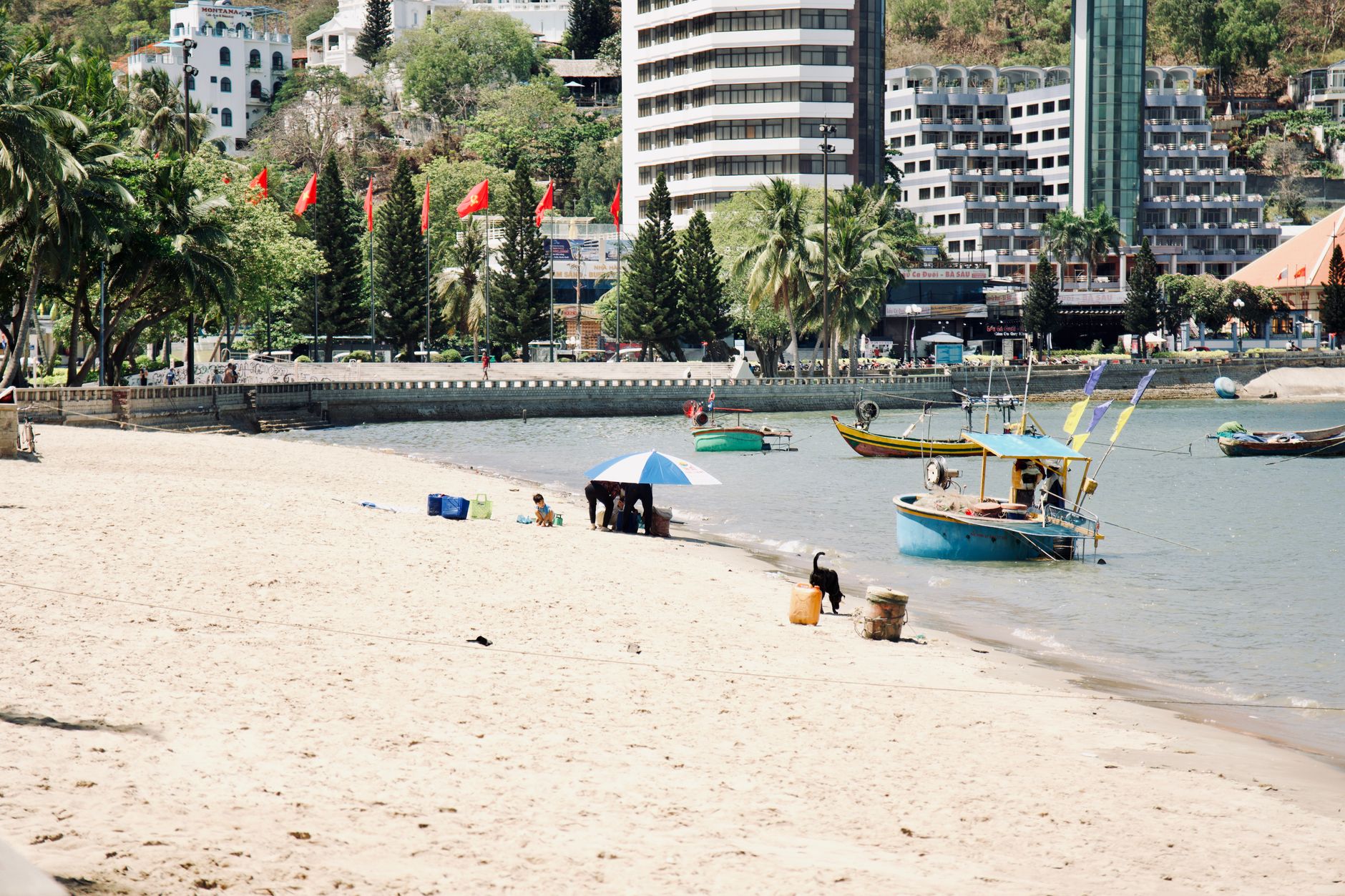
Spend your eighth day on the water. Whether you choose a day cruise or an overnight boat, the focus remains on fresh catches. On day nine, explore the local markets near the harbor. Look for "banh canh" with crab, a thick noodle soup that highlights the freshness of the local seafood. The pace here is slower, allowing you to digest the last week of heavy eating.

Photo by Vietnam Hidden Light on Pexels
Day 10: Return to Hanoi
Take a final shuttle back to Hanoi (approx. 2.5 hours). Use your last day to revisit any favorite spots or pick up some "lotus tea" as a souvenir. If you have time before your flight, grab a final "banh mi" from a street vendor—it is the perfect, portable summary of Vietnamese flavors.
Practical Notes
Transport between these hubs is best handled by pre-booked shuttle limousines, which are more reliable than local buses. Always carry cash in VND for street food, as most small vendors do not accept cards. If you are traveling during "Tet", be aware that many shops and restaurants will close for several days, so plan your food stops accordingly.
Last updated · May 30, 2026 · independently researched, never sponsored.