Two hours past Lang Son city, Bac Son Valley sits in a karst basin most travelers skip entirely — which is exactly why it's worth the detour. The terraces here run two full harvests a year, meaning you get the golden window twice: late July and again in November.
Why Bac Son and Not Somewhere Else
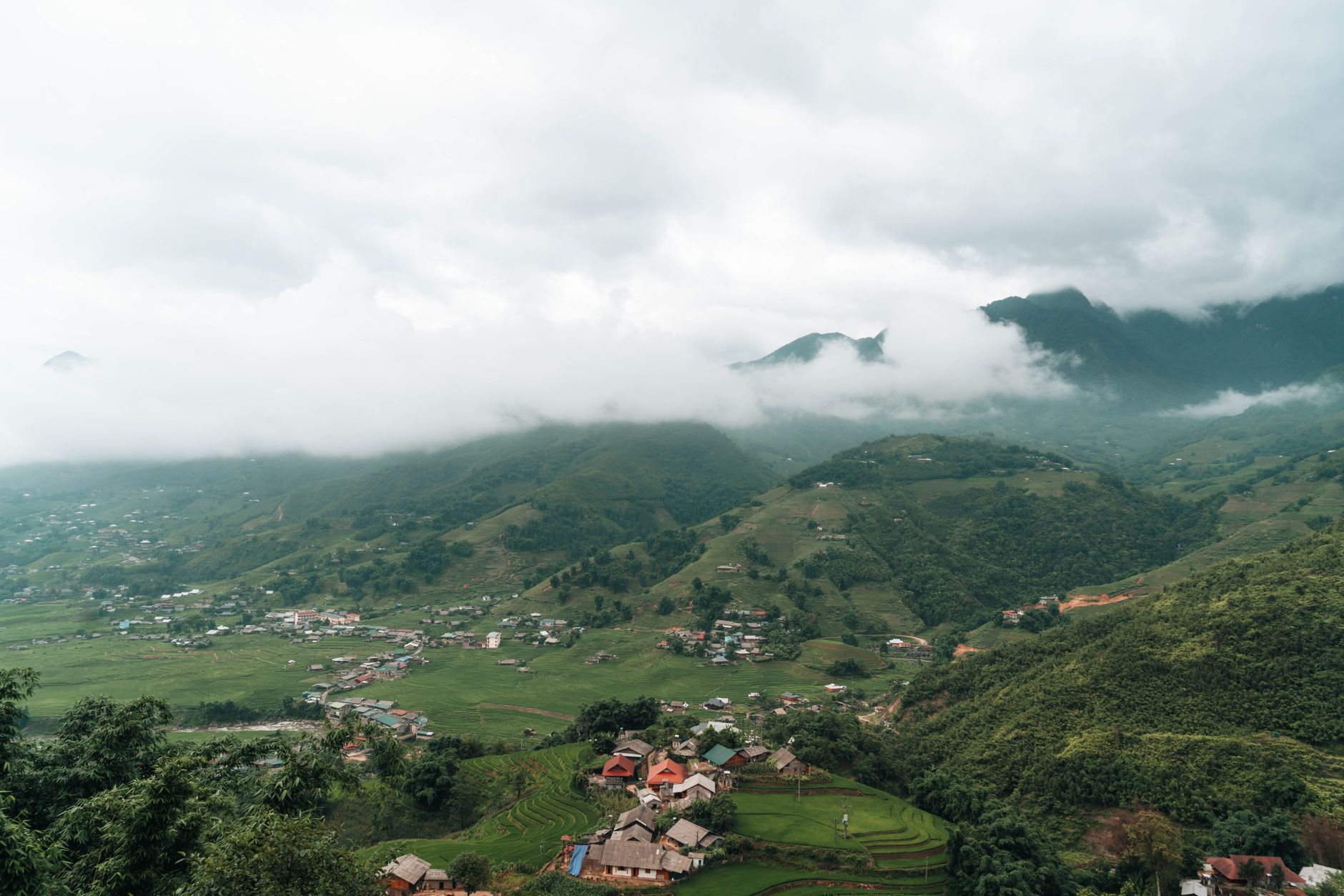
There's no shortage of terraced valleys in northern Vietnam (베트남 / 越南 / ベトナム). Sapa draws the crowds, and rightly so, but the infrastructure around it has thickened considerably in the last decade. Bac Son hasn't. The valley sits inside Lang Son province, about 180 km northeast of Hanoi, and the tourist trail from the capital hasn't found it yet in any serious way. On a weekday in late October you can park a motorbike at the Na Lay viewpoint and have the entire ridge to yourself for an hour.
The landscape is geologically different from the northwest highlands, too. Instead of the rolling mountain chains around Sapa or Ha Giang, Bac Son is ringed by abrupt karst outcrops — isolated limestone peaks rising from flat paddy floor, the same geology you'd find in Ninh Binh (닌빈 / 宁平 / ニンビン) or Ha Long Bay, just transplanted into a working agricultural valley. The contrast between the jagged grey rock and the layered green or gold of the rice below is the defining visual of the place.
The valley is home to the Tay ethnic minority, and their stilt-house villages are still largely functional rather than decorative. You'll see drying tobacco leaves strung on bamboo frames, water buffalo on dirt lanes, and cooking fires at dusk in a way that feels routine rather than performed.
Getting Here from Hanoi
The standard approach is to take National Highway 1A north from Hanoi to Lang Son city (about 154 km), then cut west on QL1B for roughly 30 km to Bac Son town. Total driving time by motorbike is around four to five hours depending on stops. By car it's faster but less flexible once you're in the valley.
Sleeper buses from My Dinh bus station in Hanoi run to Lang Son city for around 120,000–150,000 VND. From Lang Son, local buses to Bac Son town run a few times a day for about 40,000 VND and take ninety minutes. If you're coming independently, renting a semi-automatic motorbike in Hanoi (around 150,000–200,000 VND per day from Old Quarter rental shops) and riding the whole route gives you the most control, particularly once you're inside the valley and want to roam between villages.
Na Lay Viewpoint — Where to Stand
The Na Lay viewpoint is the obvious anchor of any visit. It sits on a ridge roughly 3 km northeast of Bac Son town and is reachable by a concrete path that narrows near the top. The climb takes about twenty minutes on foot from where you can park. From the top, the entire valley opens out below — the patchwork terraces, the karst peaks, the village clusters, and on clear mornings a low mist that burns off by nine. Come before eight if you want the mist and softer light. Come at four in the afternoon if you want the gold-hour color on the paddies.
There's a small concrete platform at the summit with an information board and a flag. A few vendors set up on weekends selling sugarcane juice and instant noodles for 20,000–30,000 VND. Weekdays you're likely to find nobody.

Photo by Quang Nguyen Vinh on Pexels
Harvest Timing — Getting the Dates Right
The valley runs two rice cycles annually, which is relatively unusual for this latitude. The first harvest peaks around late July into early August, when the paddies shift from deep green to amber and gold. The second harvest runs through November, typically reaching peak color in the first two weeks of the month.
November is the better of the two windows if you're planning ahead. The light is cleaner after the summer haze, temperatures drop to a comfortable 18–24°C, and the valley road is dry. Late July can be muddy and overcast, though the lushness of the landscape compensates. Either way, arriving a week or two before the actual harvest gives you the golden color without the fields already being cut.
Where to Stay and Eat in Bac Son
Bac Son town is small. There are three or four guesthouses (nha nghi) on and just off the main street charging 200,000–350,000 VND per night for a clean double room with fan or air conditioning. None of them have English-language signage but pointing at your phone with a room number works fine.
For food, the morning market on the edge of town runs from around five to eight and is the best reason to be up early. Stalls sell "pho" with local beef, "banh cuon" steamed in wide sheets and served with fresh herbs, and strong Vietnamese coffee poured over condensed milk. Lunch and dinner options cluster around the market area — look for places with plastic chairs outside and a chalkboard, budget 40,000–60,000 VND for a full meal. "Bun cha" and grilled pork appear on most menus by midday.

Photo by Sergey Guk on Pexels
Day 1 — Hanoi to Bac Son, Na Lay at Dusk
Leave Hanoi by seven to clear the city before traffic thickens. Stop for fuel and coffee somewhere around Bac Giang. Arrive in Bac Son town by noon, check into a guesthouse, eat lunch. Spend the afternoon riding slowly through the valley — take the road toward Na Nung and Chieu village, which cuts between the karst peaks with terraces on both sides. Reach Na Lay viewpoint by four for the afternoon light. Back to town for dinner by seven.
Day 2 — Village Riding, Then Back to Hanoi
Up before dawn for the morning market and early breakfast. Ride back up to Na Lay by seven for the mist, then descend and take the longer loop south through Ban Thien and Bac Quyen communes before heading back to town by eleven. On the road back to Hanoi, Lang Son city is worth a lunch stop — the city's "pha lau" offal stew and grilled corn are decent reasons to pause for an hour before the highway south.
Practical Notes
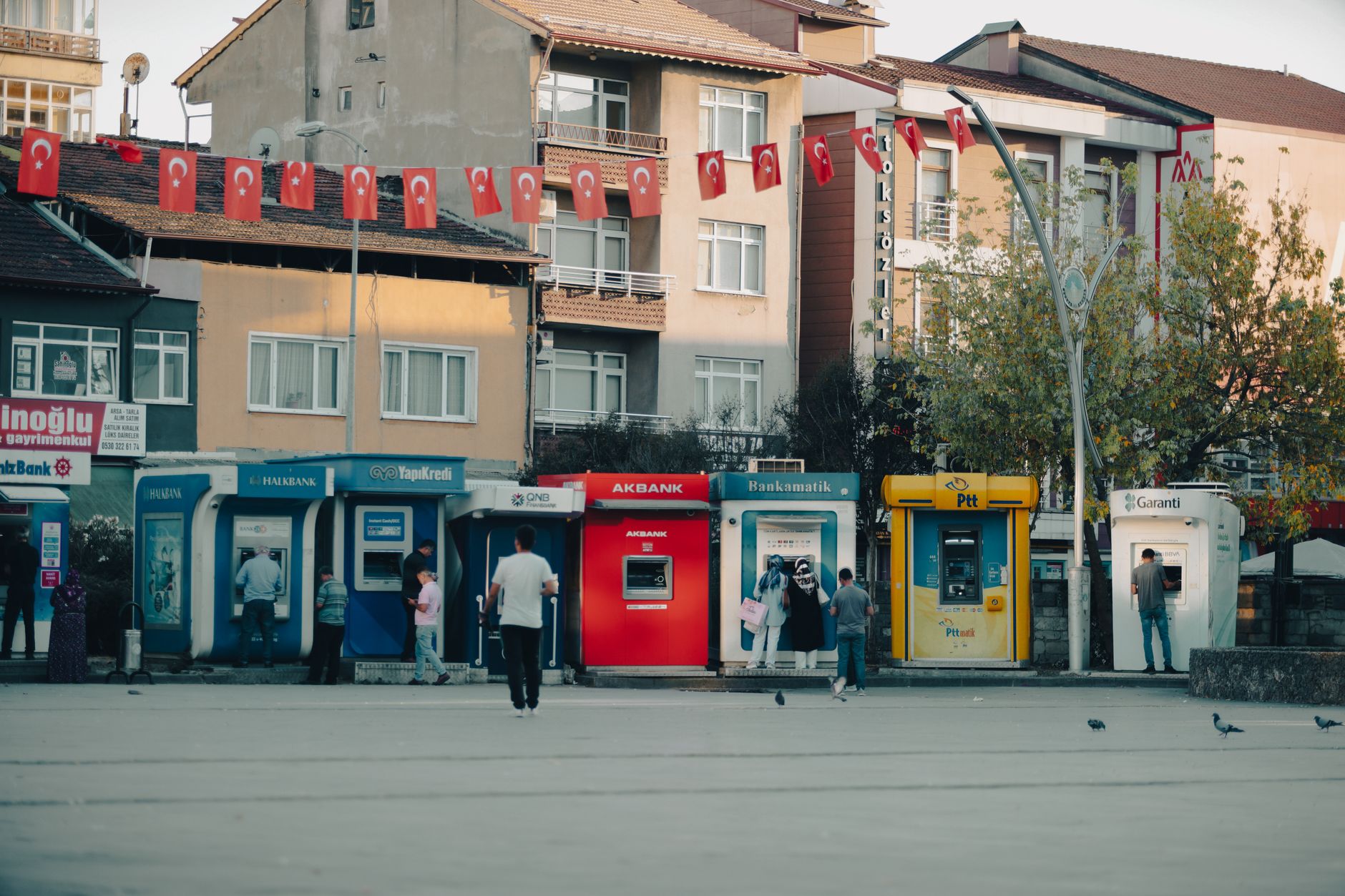
There's no ATM in Bac Son town that reliably accepts foreign cards — withdraw cash in Lang Son city or before you leave Hanoi. Mobile signal is adequate for maps (Viettel and Mobifone both work) but drops in some of the deeper village lanes. A light rain jacket is worth packing regardless of season; the valley can pull afternoon showers even in the dry months.
Last updated · May 29, 2026 · independently researched, never sponsored.