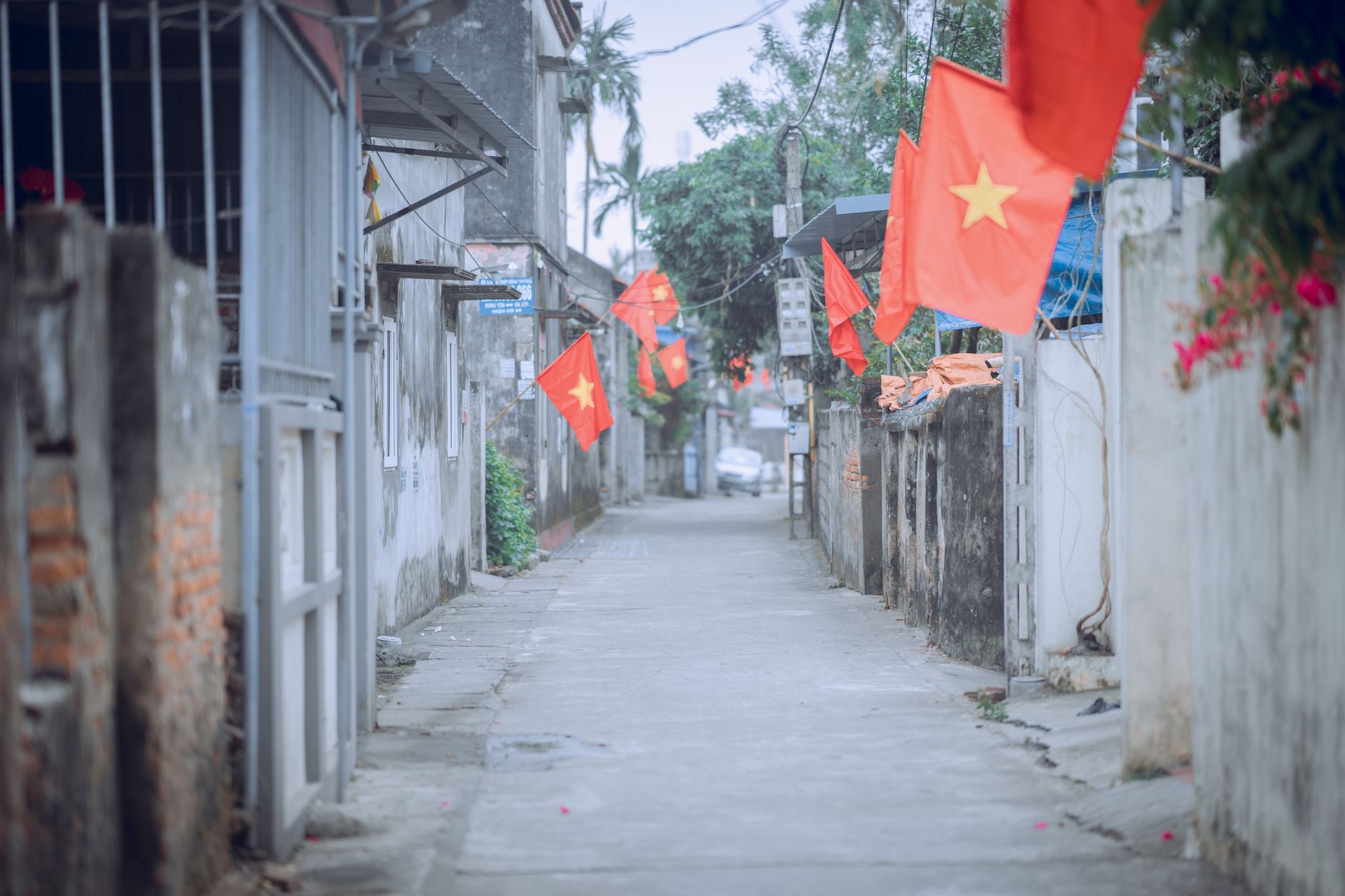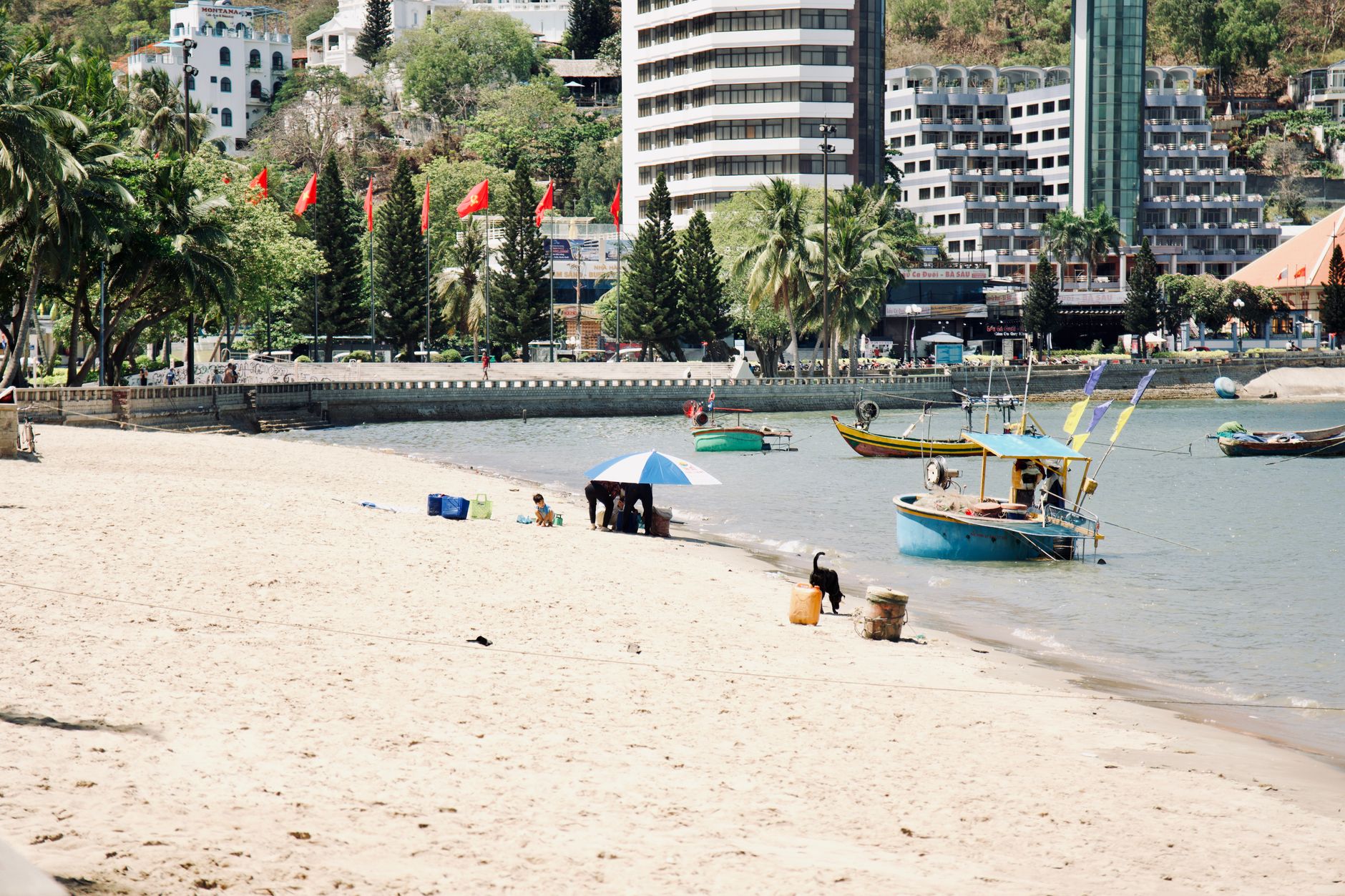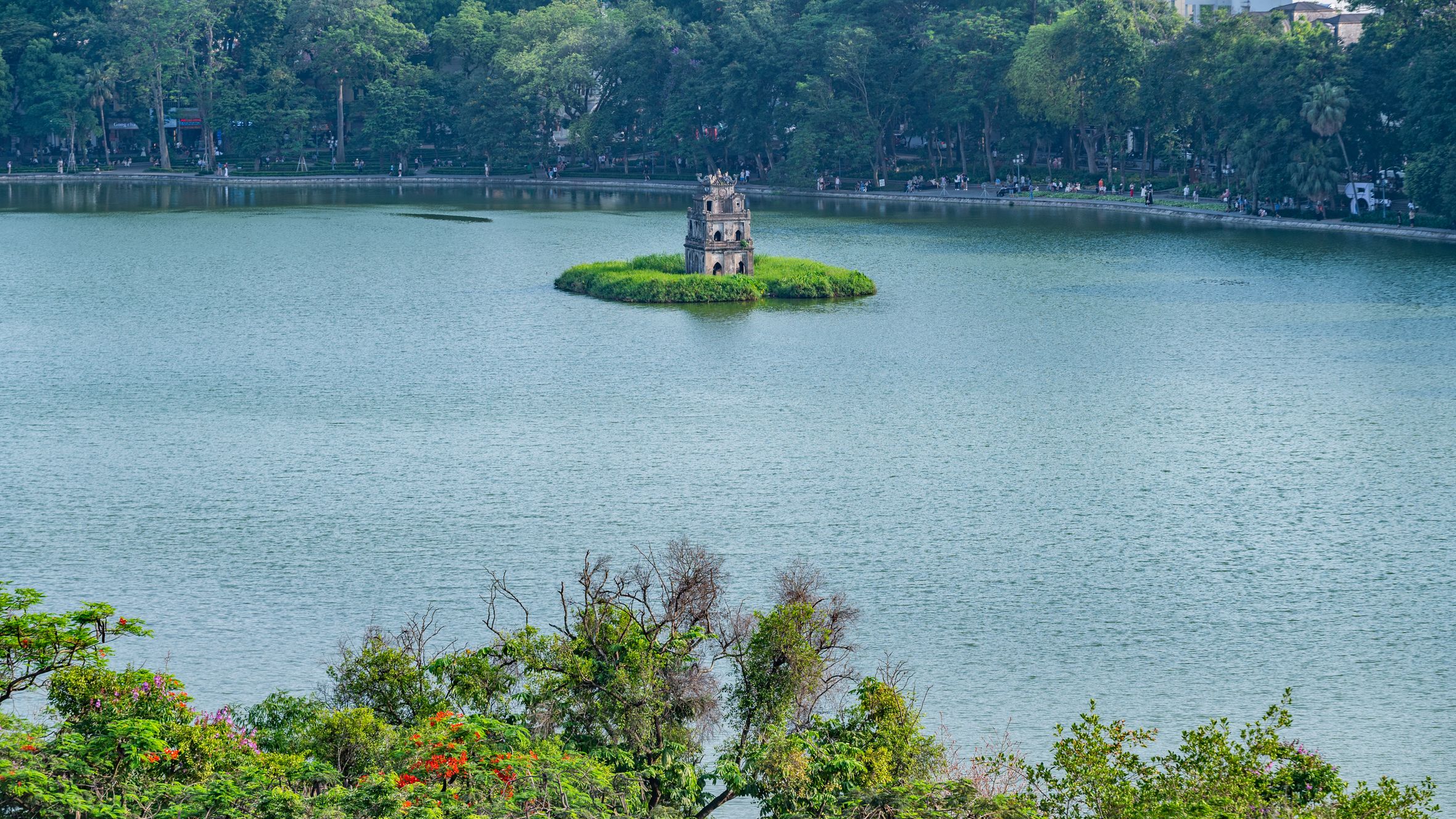
Vietnam (베트남 / 越南 / ベトナム)’s modern history is layered into its geography. This 10-day itinerary moves from the political heart of the north to the industrial and historical intensity of the south, focusing on sites that define the country’s 20th-century narrative.
Day 1 — Hanoi: The Political Core
Start at the "Temple of Literature", then head to the "Imperial Citadel Thang Long". The latter served as the nerve center for the North Vietnamese military command during the war. Spend your afternoon at the "One Pillar Pagoda" and finish with a bowl of "bun thang" near the Old Quarter. In the evening, grab a "bia hoi" on a street corner to observe the city rhythm.
Day 2 — Hanoi: War Legacies
Visit the "Hoa Lo Prison", often referred to as the Hanoi Hilton. It provides a sobering look at the colonial era and the later conflict. Afterward, walk across the "Long Bien Bridge", a structure that survived multiple bombing campaigns. For dinner, seek out "bun cha" at a local stall; it is a staple of the capital.
Day 3 — The DMZ and Hue
Fly from Hanoi to Hue. Spend your afternoon at the "Imperial Citadel", which suffered significant damage during the Tet Offensive in 1968. The bullet-scarred walls remain a stark reminder of the urban combat that took place here. In the evening, try "bun bo hue (분보후에 / 顺化牛肉粉 / ブンボーフエ)", a spicy beef noodle soup that is the city’s culinary signature.
Day 4 — The Imperial Tombs
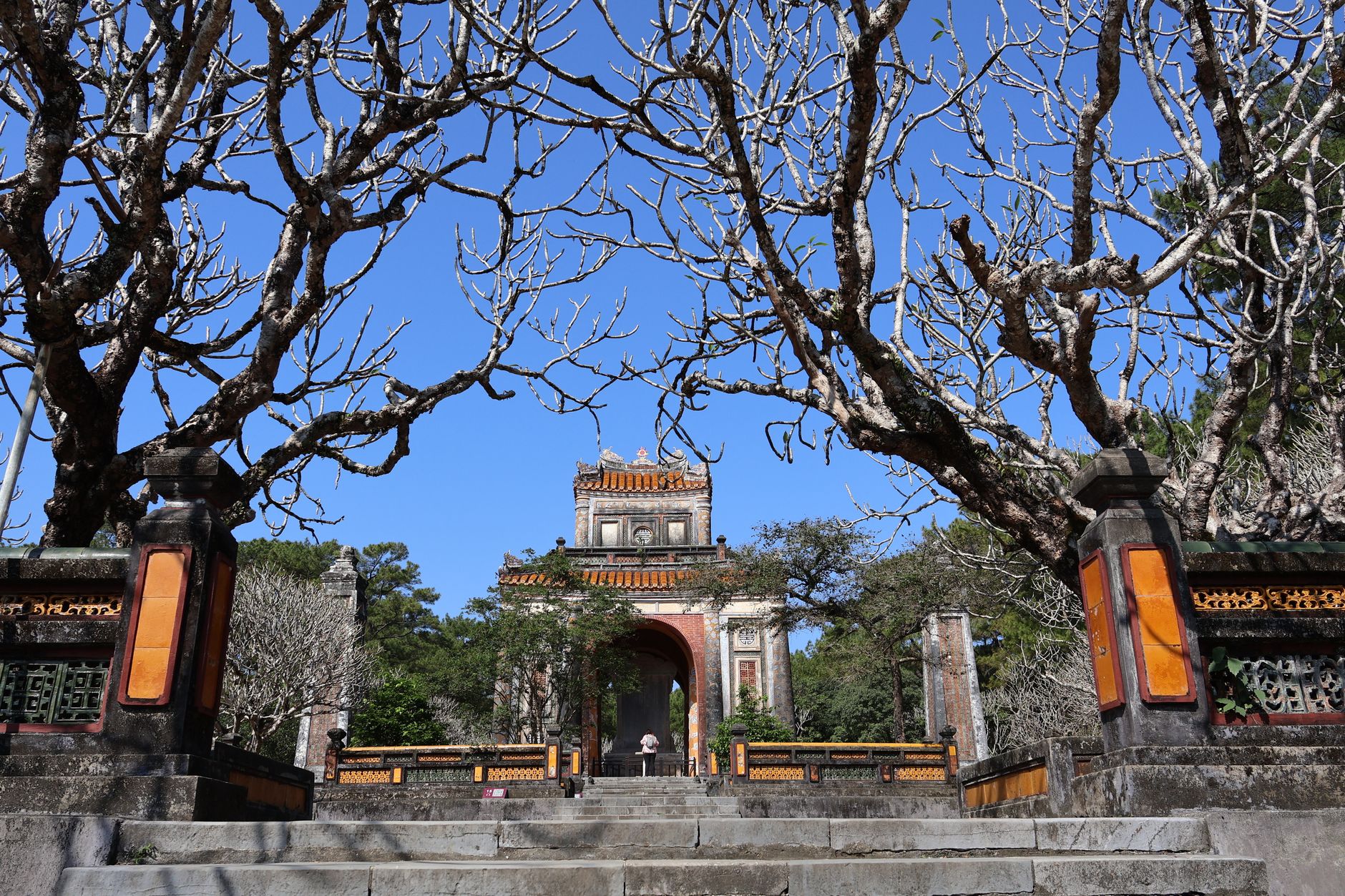
Dedicate this day to the architectural history of the Nguyen Dynasty. Visit the "Tomb of Tu Duc" and the "Tomb of Khai Dinh". These sites offer a glimpse into the Vietnam that existed before the mid-20th-century conflicts. The contrast between the serene tomb grounds and the battle-hardened city center is profound.

Photo by Nguyen Ngoc Tien on Pexels
Day 5 — Da Nang and the Coast
Travel south to Da Nang. Visit the "Museum of Cham Sculpture" to understand the deeper history of the region before the modern era. If you have time, head to the "Golden Bridge" in the Ba Na Hills for a view, though the city’s own history as a major airbase and logistics hub for the US military is the primary draw for this itinerary.
Day 6 — Hoi An and My Son
Take a short drive to "My Son", the sanctuary of the Champa Kingdom. Several of the brick structures here were damaged by aerial bombardment during the war, and you can still see craters surrounding the temple complex. Return to Hoi An for a bowl of "cao lau", a dish that can only be authentically made with water from local wells.
Day 7 — Saigon: The Southern Perspective
Fly to Ho Chi Minh City. Start at the War Remnants Museum. It is an intense, heavy experience, but essential for understanding the local perspective on the conflict. Afterward, walk to the nearby Reunification Palace, where the war effectively ended in 1975. Grab a "banh mi" from a street cart for a quick lunch.
Photo by tu nguyen on Pexels
Day 8 — The Cu Chi Tunnels
Take a day trip to the "Cu Chi Tunnels". This network of underground passages was vital to the Viet Cong strategy. You can crawl through sections that have been widened for tourists. It is claustrophobic and provides a tactile sense of the conditions soldiers lived in. Back in the city, enjoy some "com tam" (broken rice) for dinner.
Day 9 — The Mekong Delta
Head to the Mekong Delta, specifically near Can Tho. This region was a major theater of conflict. A boat trip through the narrow canals reveals how the geography dictated the movement of troops and supplies. While here, try "hu tieu", a noodle soup that reflects the diverse culinary influences of the southern delta.
Day 10 — Saigon Departure
Spend your final morning at the Ben Thanh Market. It is a chaotic, vibrant place to pick up souvenirs or simply watch the trade. Before you head to the airport, sit down for a "ca phe sua da" (iced coffee with condensed milk) and reflect on the journey from the northern capital to the southern delta.
Practical notes
History sites in Vietnam often close for lunch between 11:30 AM and 1:30 PM, so plan your museum visits accordingly. Always carry a copy of your passport, as some historical sites require registration. If you are visiting during the summer months, expect high humidity and plan your outdoor walking tours for the early morning.
Last updated · May 30, 2026 · independently researched, never sponsored.