Day 1 — The Golden Hour Baseline
Start your trip by acclimating to the light in the Ancient Town. Forget the midday sun; focus on the 5:00 PM to 6:30 PM window when the ochre walls turn deep amber. Spend your first evening near the Japanese Covered Bridge, but look up—capture the intricate woodwork rather than the crowds. Off-script: Head to the small alleys behind Nguyen Thai Hoc street to find the local tailors finishing their work; the natural light hitting their sewing stations is unmatched.
Day 2 — Texture and Detail
Focus on the macro. Hoi An is a city of layers: peeling paint, weathered wood, and the intricate patterns of a "non la". Spend the morning at the central market, specifically the wet market section. The contrast between the dark, damp floors and the vibrant colors of fresh produce is a masterclass in composition. Off-script: Visit a local woodcarver workshop in the Cam Nam area to photograph the raw shavings and dust particles dancing in the light.
Day 3 — The River Rhythm
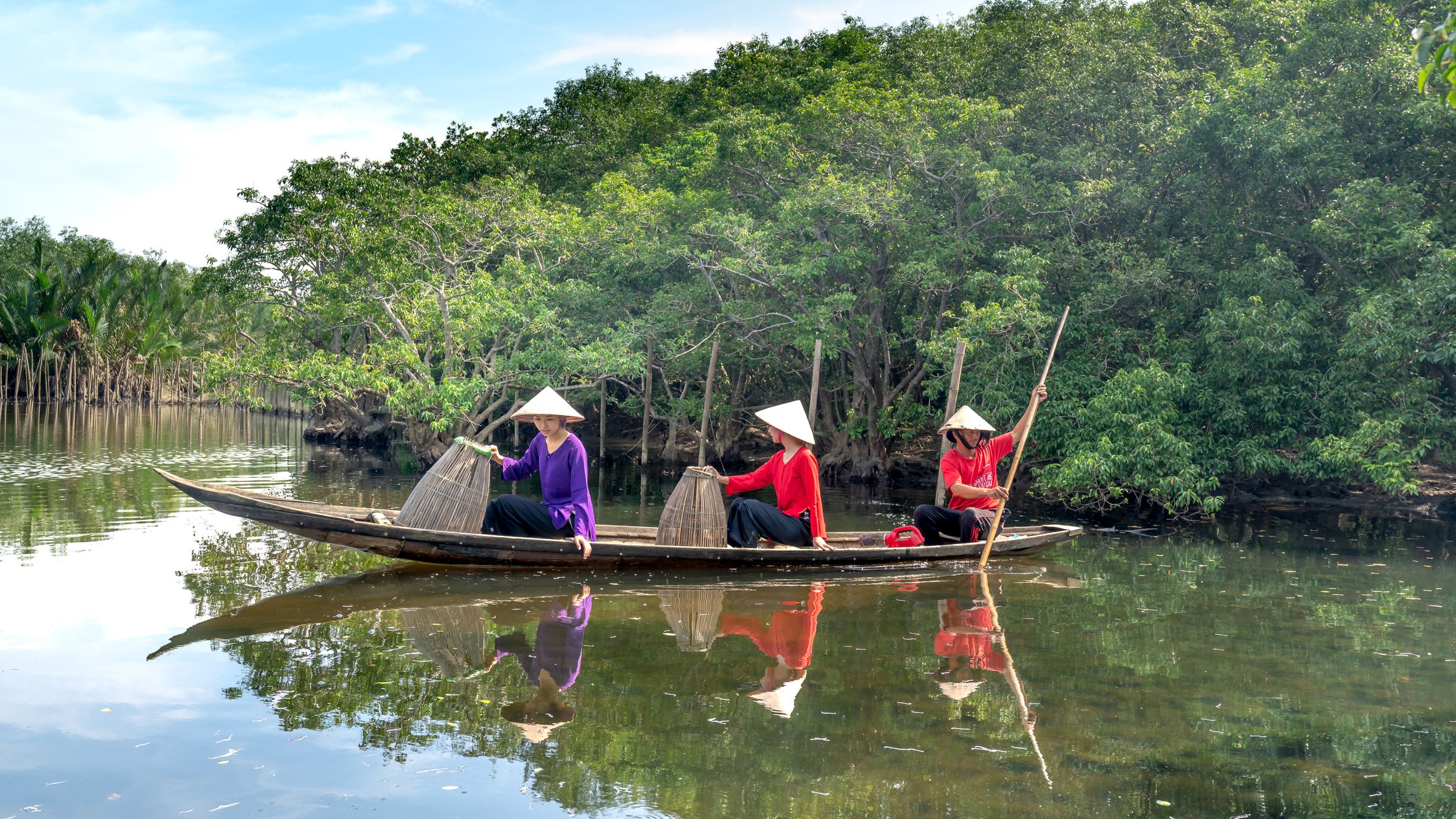
Wake up at 5:00 AM. The Thu Bon River is at its most photogenic before the tour boats start their engines. Capture the silhouettes of the small wooden fishing boats against the mist. Off-script: Eat a bowl of "cao lau" at a street-side stall near the riverbank. The steam rising from the bowl against the cool morning air is a classic shot.
Day 4 — Rural Geometry
Rent a bicycle and head toward the Tra Que Vegetable Village. The rows of herbs and greens offer perfect geometric lines for landscape photography. Use a wide-angle lens to capture the farmers working the soil. Off-script: Find the irrigation canals on the outskirts of the village; the reflection of the clouds in the shallow water is often ignored by cyclists rushing to the beach.

Photo by Quang Nguyen Vinh on Pexels
Day 5 — Architecture and Shadows
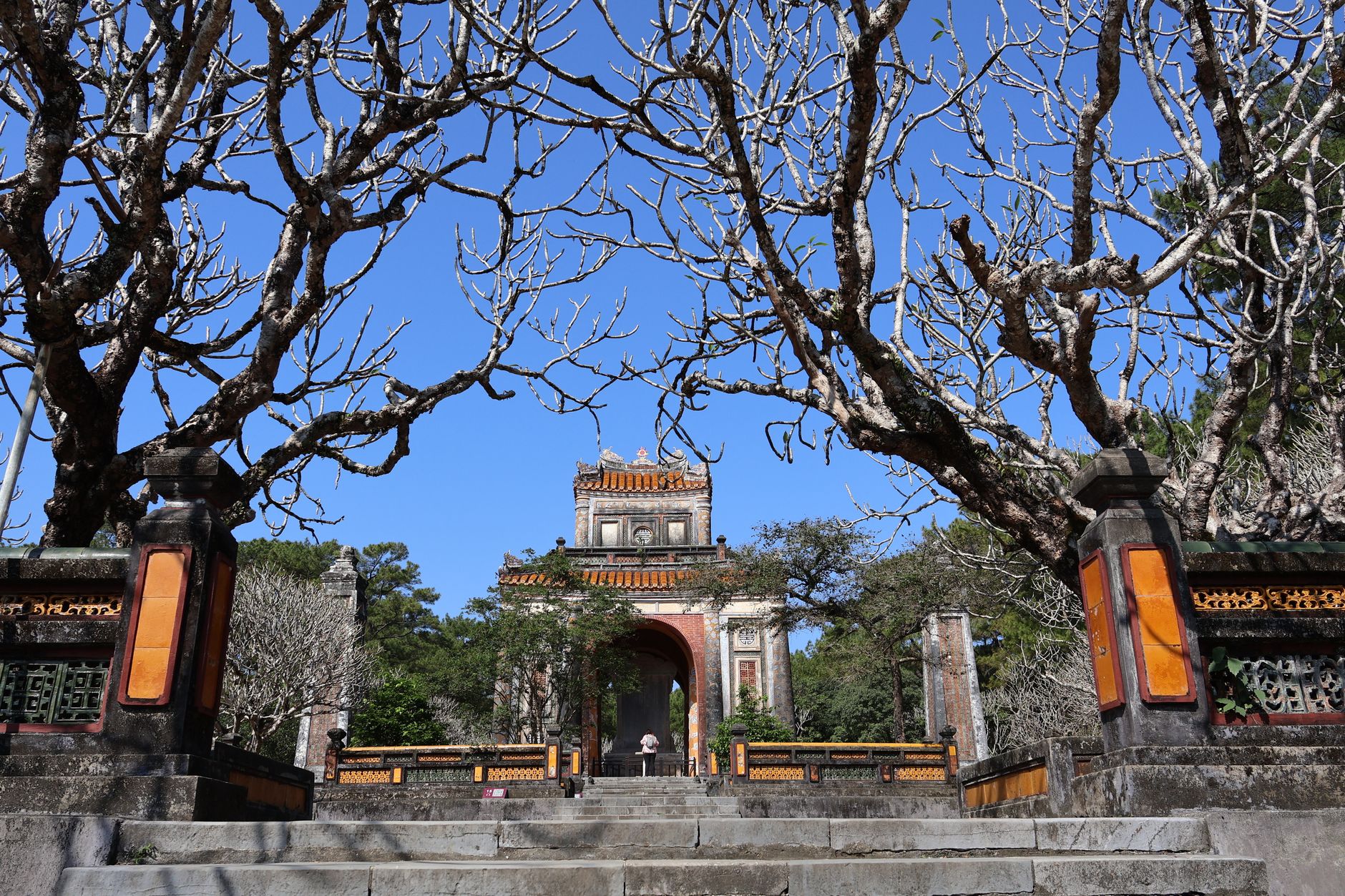
Dedicate this day to the "Tomb of Tu Duc" style of architecture found in the local assembly halls. The Fujian Assembly Hall is popular, but the smaller, less-visited shrines offer more dramatic shadows. Look for the way light filters through the incense coils. Off-script: Visit the local post office; the colonial-era architecture offers a different color palette from the rest of the town.
Day 6 — The Coastline Contrast
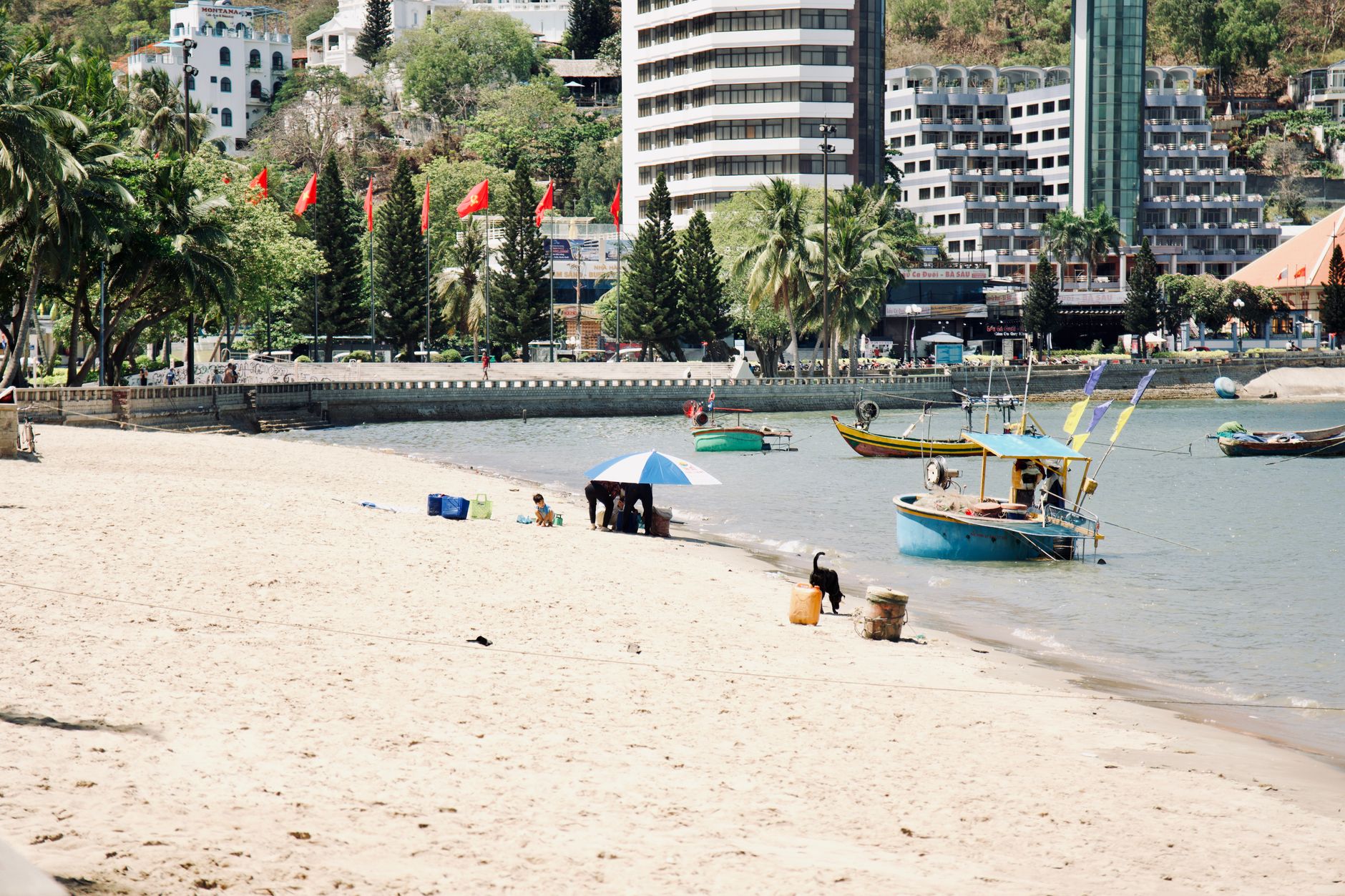
Head to An Bang Beach. Instead of the sunbathers, focus on the local fishermen repairing their nets. The blue of the sea and the weathered hands of the workers provide a stark, honest contrast. Off-script: Stop at a roadside "banh mi" cart on the way back. The assembly of the sandwich—the crisp baguette, the fresh herbs, the pate—is a high-speed photography challenge.
Day 7 — The Craft of Light
Spend the day in the nearby village of Thanh Ha. The pottery here is fired in traditional kilns. The soot-stained walls and the intense heat create a moody, industrial atmosphere that is perfect for black-and-white photography. Off-script: Capture the portrait of an elderly artisan; their faces tell the history of the craft better than any museum plaque.
Photo by Quang Nguyen Vinh on Pexels
Day 8 — Nightscapes and Lanterns
Yes, the lanterns are cliché, but they are a technical challenge. Use a long exposure to capture the movement of the boats on the river without blowing out the highlights of the lanterns. Avoid the main bridge; find a quiet spot near the An Hoi bridge. Off-script: Look for the "bia hoi" drinkers in the back alleys; the low-light, candid atmosphere is the real heart of the city at night.
Day 9 — The Hidden Garden
Explore the residential areas of Cam Chau. This is where the real life of Hoi An (호이안 / 会安 / ホイアン) happens—kids playing, laundry drying, and the daily commute. It is less polished, which makes for more authentic street photography. Off-script: Find a local cafe serving "vietnamese coffee" and watch the street life from a low plastic stool. The perspective from ground level changes everything.
Day 10 — Review and Refine
Spend your final day in a quiet cafe, reviewing your shots. If you feel you missed a shot, go back to that location. Sometimes, the second visit is when you really see the scene. Off-script: Visit the local market one last time to buy a small souvenir, but focus on the interaction between the vendor and the buyer—the human element is the most important part of any travel story.
Practical notes
Bring a circular polarizer to cut the glare on the river and the wet market floors. Always carry a small dry bag for your gear, as the humidity and sudden rain showers in Central Vietnam (베트남 / 越南 / ベトナム) are unforgiving to electronics.
Last updated · May 30, 2026 · independently researched, never sponsored.