What Ban Pho is and why it matters
Ban Pho is a Flower Hmong village perched at roughly 1,200 meters elevation, about 3 km north of Bac Ha town center in Lao Cai province. The village has around 200 households spread across a hillside of terraced corn and rice fields. It's been inhabited for generations — locals trace their families back several hundred years — but what put Ban Pho on the map for outsiders is "ruou ngo," a potent corn wine distilled in nearly every household using a method passed down through families.
Unlike Sapa, which has been thoroughly developed for tourism, Ban Pho (쌀국수 / 越南河粉 / フォー) still functions primarily as an agricultural village. Tourism is a supplement, not the economy. You'll see women weaving indigo-dyed hemp cloth on wooden looms outside their homes, not in staged workshops. The pigs and chickens wandering the paths aren't decorative.
Why travelers go
Three reasons, mostly:
-
The corn wine distilleries — Almost every household makes "ruou ngo" from locally grown corn. The process involves fermenting corn with a homemade yeast cake for about a month, then distilling it in wood-fired copper stills. You can watch the entire process, taste it (it's around 40-50% alcohol — go easy), and buy bottles for 50,000-80,000 VND.
-
Authenticity without performance — Ban Pho doesn't run cultural shows. Daily life here is daily life. If you visit on a weekday outside of market season, you might be the only foreigner in the village.
-
Hiking base — Trails from Ban Pho connect to other Hmong and Tay villages in the surrounding hills. A loop through Ban Pho, Na Lo, and Na Ang takes about 4-5 hours on foot through corn terraces and forest.
Best time to visit
September through November is ideal. The rice terraces turn gold, the corn harvest is underway (meaning the distilleries are most active), and the weather is cool and mostly dry — daytime temperatures around 18-22°C.
The Sunday market at Bac Ha runs year-round and is the natural anchor for a visit. Come Saturday, sleep in Bac Ha or Ban Pho, hit the market Sunday morning, then spend Sunday afternoon or Monday in the village.
Avoid late June through August if you dislike mud — the trails get slippery and leeches appear on forest paths. December through February brings fog and cold (5-10°C at night), which has its own moody appeal but limits views.
How to get there
From Hanoi, the most common route is an overnight train to Lao Cai city (8-9 hours, departing around 21:00-22:00, berths from 350,000 VND on older trains). From Lao Cai station, minibuses to Bac Ha leave from the station parking lot starting at 06:30 — the ride takes about 2 hours on a winding mountain road (80,000-100,000 VND).
Alternatively, direct sleeper buses from Hanoi (하노이 / 河内 / ハノイ)'s My Dinh station run to Bac Ha, arriving early morning. Less comfortable than the train but saves the Lao Cai transfer.
From Bac Ha town to Ban Pho: hire a "xe om" (motorbike taxi) for 30,000-50,000 VND one way, or walk the 3 km uphill road in about 40 minutes. The road is paved but steep.
If you're already in Sapa, shared minivans between Sapa and Bac Ha run on weekends (especially Saturdays for the Sunday market), taking about 3 hours via the mountain road through Muong Khuong.
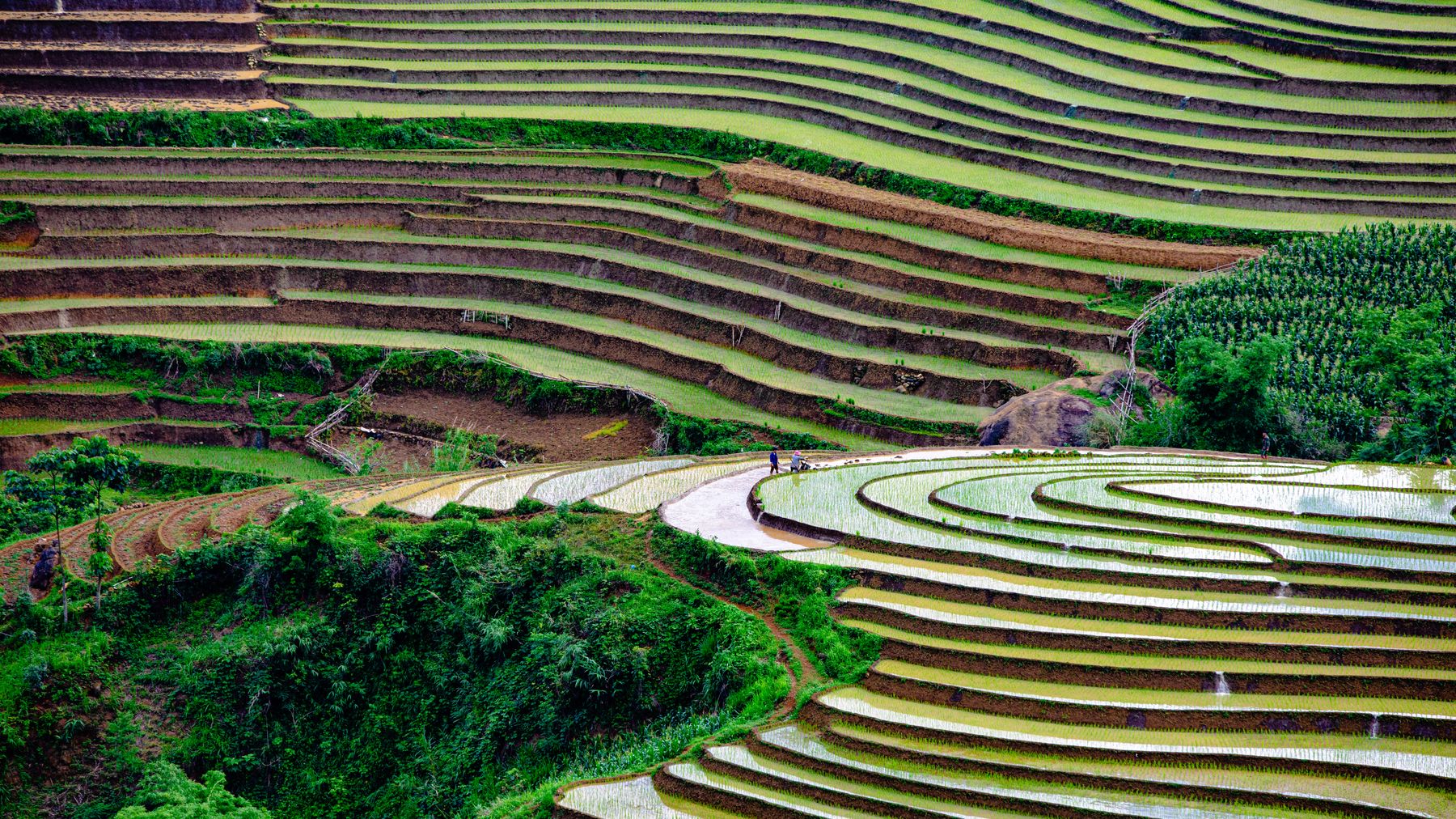
Photo by Đỗ Xuân Hạnh on Pexels
What to do
Visit a corn wine household
Just walk into the village and look for smoke coming from a distillery — or ask any local to point you toward a family that's currently distilling. Most households are happy to show visitors the process. Bring small gifts (fruit, snacks for kids) rather than just showing up empty-handed.
Hike the surrounding trails
The trail from Ban Pho north toward Na Hoi village passes through terraced fields with views of the Chay River valley. It's not marked — hiring a local guide through your homestay costs about 300,000-400,000 VND for a half day and is worth it for navigation and conversation.
Watch textile work
Flower Hmong women here still produce hemp cloth dyed with indigo and decorated with batik and embroidery. The full process — from growing hemp to finishing a skirt panel — takes months. You'll see various stages happening on porches. Finished pieces sell for 200,000-800,000 VND depending on complexity.
Catch the Bac Ha Sunday market
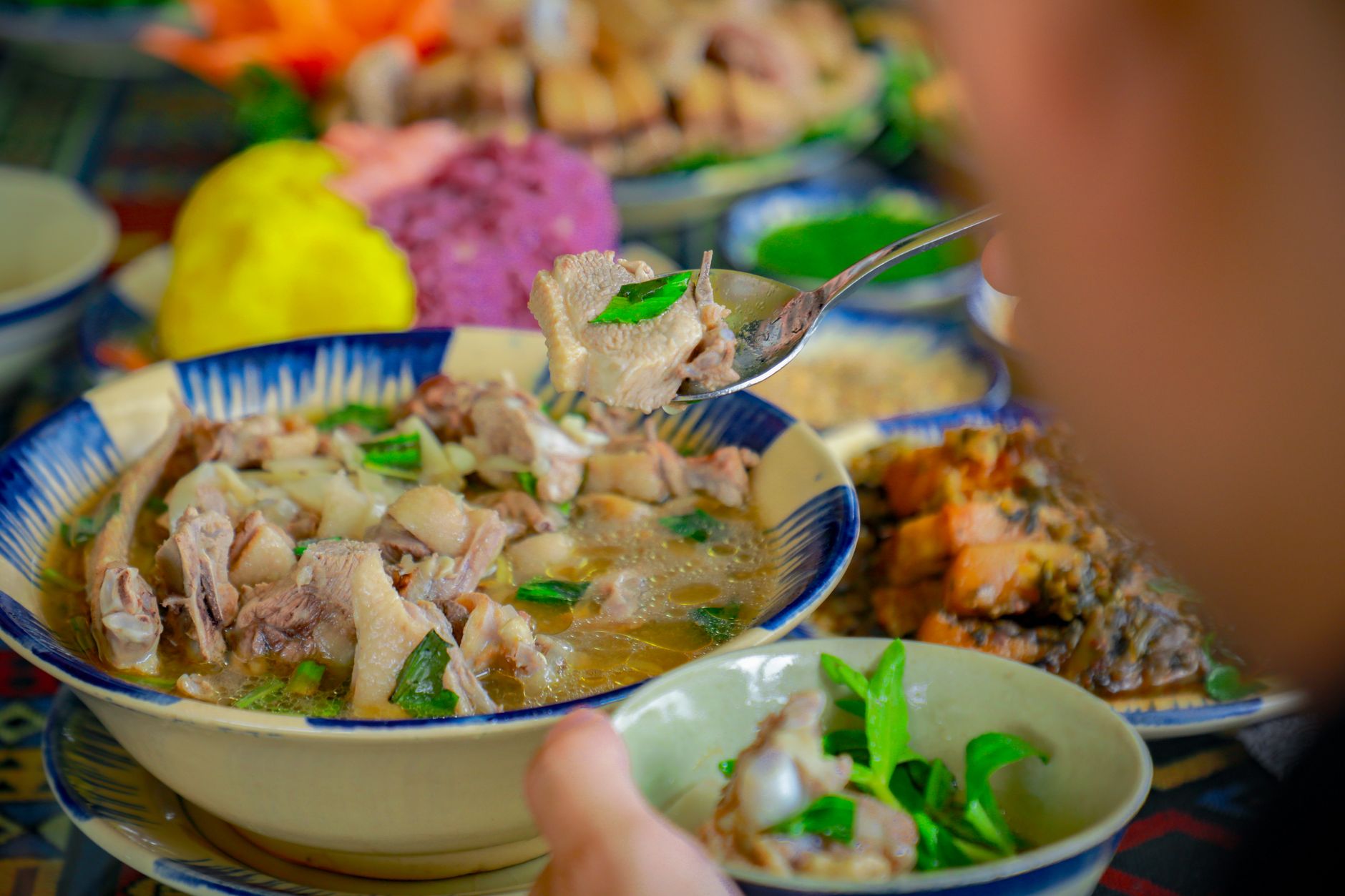
The big weekly market in Bac Ha town is the region's social and commercial event. Flower Hmong, Tay, Nung, and Phu La people come from surrounding villages to trade livestock, produce, and textiles. Arrive before 08:00 for the best atmosphere — by noon it winds down. The "thang co" (horse meat hot pot) stalls along the market edge are worth trying if you're adventurous.
Where to eat
Ban Pho itself has no restaurants. Meals come through homestays — expect rice, stir-fried greens, pork or chicken from the household's own animals, and corn wine with dinner. A homestay meal typically runs 80,000-120,000 VND per person.
In Bac Ha town, try the row of "com pho" shops on the main road near the market square. A bowl of pho or "bun" with pork costs 35,000-45,000 VND. The roasted corn sold by women on market day is simple and good — 10,000 VND per cob.
Where to stay
Ban Pho has a handful of homestays — basic wooden Hmong houses with mattresses on the floor, shared bathrooms, and meals included. Expect to pay 250,000-350,000 VND per person including dinner and breakfast. Book through your Bac Ha hotel or just show up and ask — but weekends before the Sunday market can fill up.
In Bac Ha town, guesthouses line the main road. Rooms with hot water and Wi-Fi go for 200,000-400,000 VND. The Ngan Nga hotel near the market is reliable and has motorbike rentals.
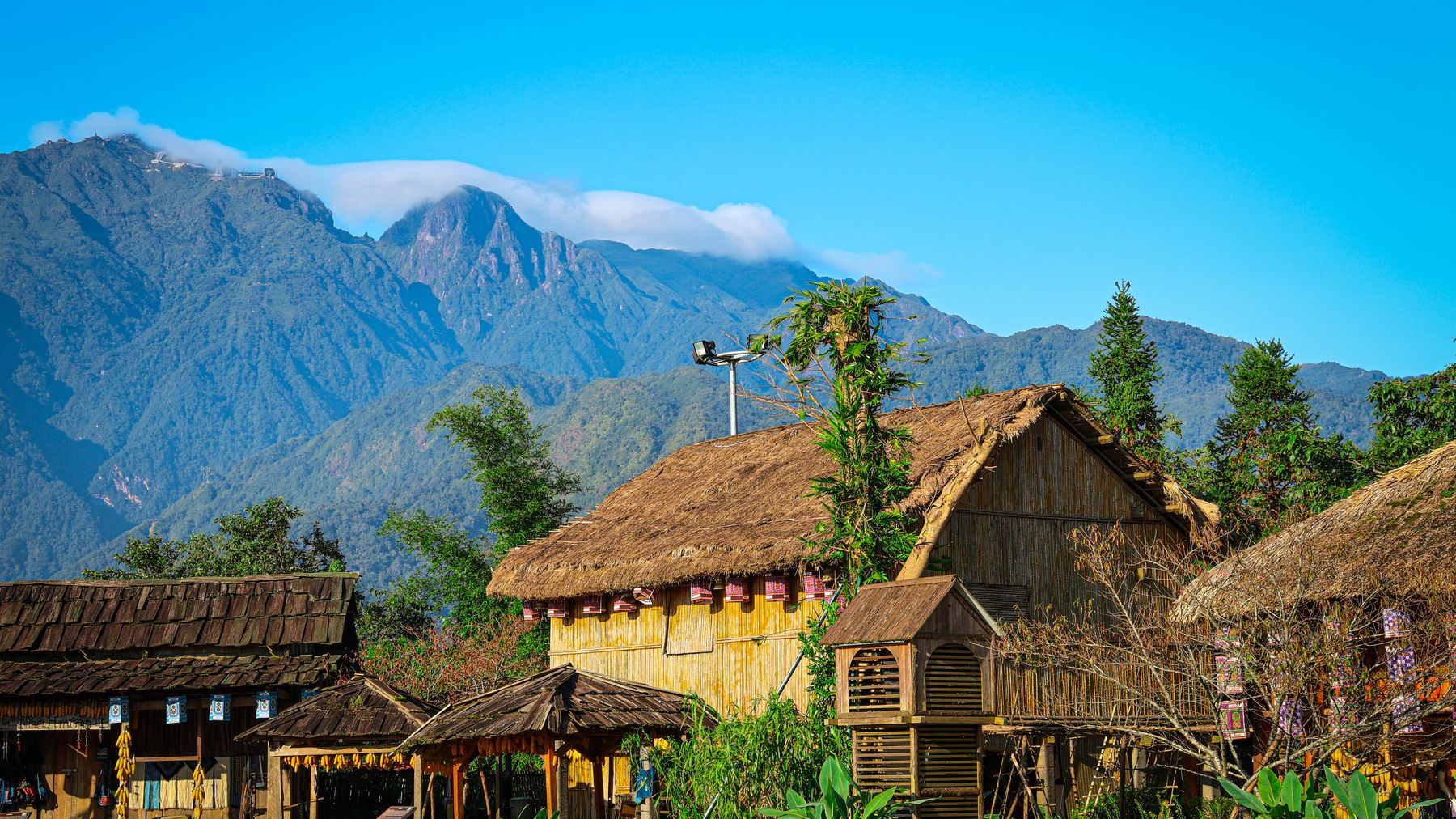
Photo by Haneul Trac on Pexels
Practical tips
- Cash only — There's an ATM in Bac Ha town (Agribank), but nothing in Ban Pho. Bring enough dong for your stay.
- Language — Very little English spoken. Download Vietnamese phrases offline or use a translation app. Older Hmong villagers may speak limited Vietnamese themselves.
- Shoes — Trails are uneven and often muddy. Proper walking shoes, not sandals.
- Gifts — If staying in a homestay, small practical gifts (soap, notebooks for kids, fruit) are appreciated more than candy.
- Photos — Ask before photographing people, especially older women. Most are fine with it but some aren't.
Common mistakes
Showing up only for the Sunday market and leaving immediately — you miss the village entirely. Budget at least one night in the area. Trying to visit Ban Pho as a day trip from Sapa is technically possible but exhausting and leaves no time to actually experience anything. And don't assume every household wants to host tourists — look for homes with a small sign or ask at the village head's house for direction.
Final note
Ban Pho works best for travelers who've already done Sapa and want something less packaged, or those specifically interested in Hmong culture and craft traditions without the souvenir-shop overlay. It's not a place with a checklist of attractions — it's a place where the attraction is ordinary life in an extraordinary setting.
Last updated · May 29, 2026 · independently researched, never sponsored.