What Ban Ven Is — And Why You Might Not Have Heard of It
Ban Ven is a small settlement in the rural stretches of Bac Ninh province, about 45 km northeast of Hanoi. Following recent administrative mergers ("sap nhap"), the area that was previously administered under Bac Giang's fringe now falls within Bac Ninh's expanded boundaries. For most travelers, Bac Ninh means "quan ho" folk singing and the pagodas clustered around the old Kinh Bac cultural heartland — Ban Ven doesn't appear on any top-ten list, which is precisely why it's worth a look if you're tired of well-trafficked day trips.
This is not a destination with a ticket booth and a parking lot full of tour buses. It's a working agricultural commune: rice paddies, longan orchards, a handful of temples, and the kind of slow-paced village rhythm that most of northern Vietnam (베트남 / 越南 / ベトナム) ran on before urbanization picked up speed.
Why Travelers Go
People who end up in Ban Ven generally fall into a few camps: cyclists doing loops through the northern delta, photographers chasing rice-harvest light, or travelers based in Hanoi (하노이 / 河内 / ハノイ) looking for a genuine day outside the city that doesn't involve a tourist complex. The area sits in the broader Kinh Bac region, which has been a center of Vietnamese folk culture for centuries. Villages here still practice "quan ho" singing — the call-and-response tradition recognized by UNESCO — and during festival season (late winter into spring), you can stumble into communal performances that aren't staged for visitors.
The draw is atmosphere, not monuments. If you need a checklist of major sights, this isn't your stop. If you want to sit in a village tea shop, watch farmers thresh rice, and eat home-cooked food for almost nothing, it works.
Best Time to Visit
The sweet spot is October through December and again in February through April. October and November bring the autumn rice harvest — the paddies turn gold, the air is cool and dry, and village life picks up energy. February through April covers the spring festival season, when communal houses host folk singing, processions, and local markets tied to the lunar calendar. If "quan ho" is part of what you're after, aim for the weeks after Tet (usually late January or February), when Bac Ninh's Lim Festival draws singers from across the province.
Avoid June through August if you can. It's brutally hot, frequently rained out, and the fields are flooded — not in a photogenic way, just muddy.
How to Get There from Hanoi
Ban Ven is roughly 45–50 km from central Hanoi, depending on which route you take.
- Motorbike or car: The most practical option. Head northeast on National Highway 1A toward Bac Ninh city, then cut into the provincial roads toward the commune. Expect 1.5–2 hours depending on Hanoi traffic. Fuel cost is negligible — maybe 40,000–60,000 VND round trip on a motorbike.
- Bus + xe om: Catch a bus from Gia Lam bus station to Bac Ninh city (around 30,000–50,000 VND, 1–1.5 hours), then hire a local "xe om" (motorbike taxi) for the remaining 10–15 km into the commune. The xe om should cost 40,000–70,000 VND.
- Grab: A Grab car from Hanoi runs about 350,000–450,000 VND one way. Getting a return Grab from Ban Ven is unreliable — drivers are scarce out here. Book a round trip or arrange a pickup time.
There's no direct tourist shuttle. This is DIY territory.
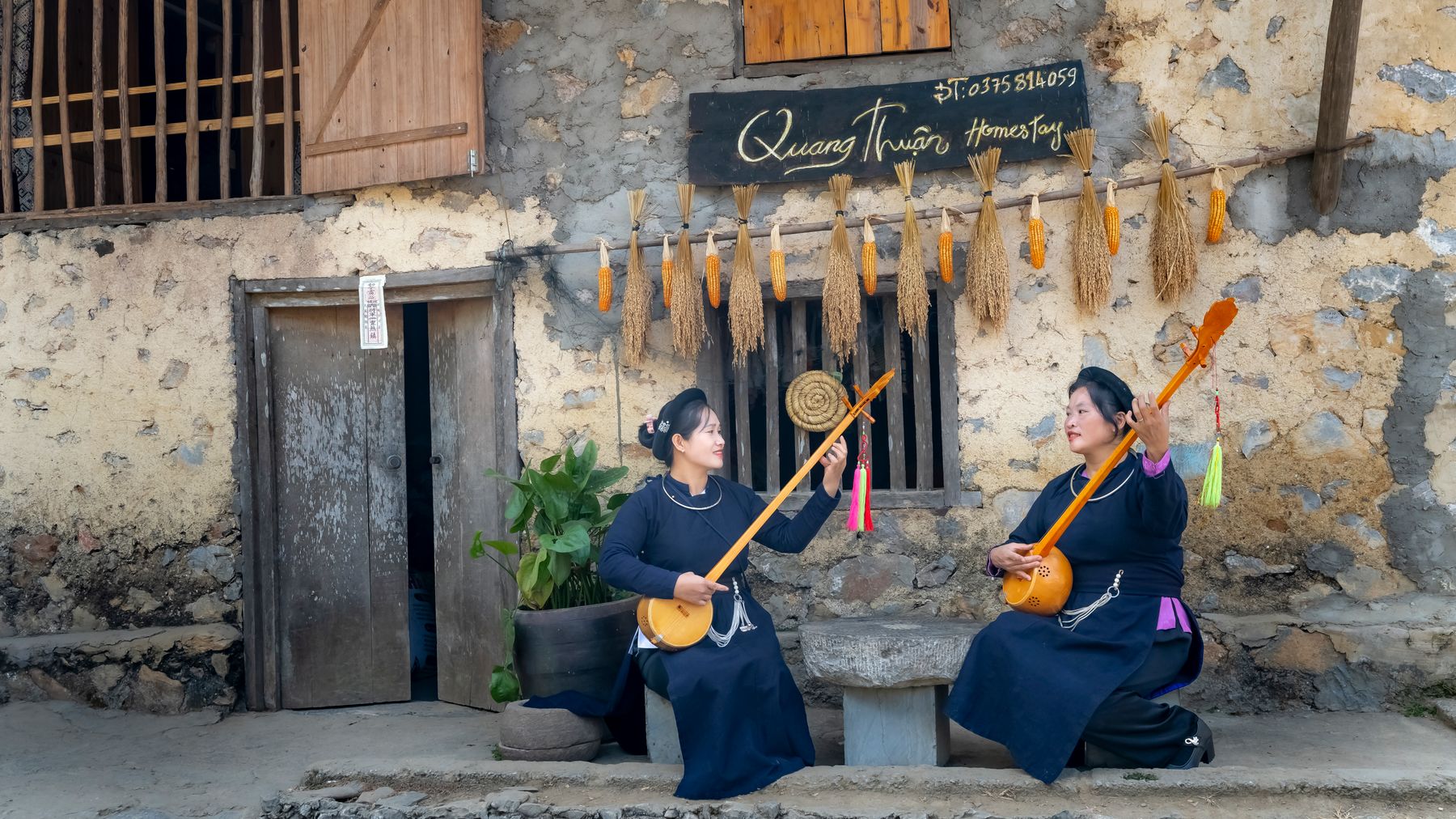
Photo by Quang Nguyen Vinh on Pexels
What to Do
Walk the Village and Rice Fields
The main activity is walking. The paths between hamlets cut through rice paddies, past fish ponds, and along irrigation canals lined with banana trees. Mornings are best — farmers are out early, the light is low and warm, and you'll have the paths to yourself. A two-hour loop covers most of what you'd want to see.
Visit the Communal House (Dinh Lang)
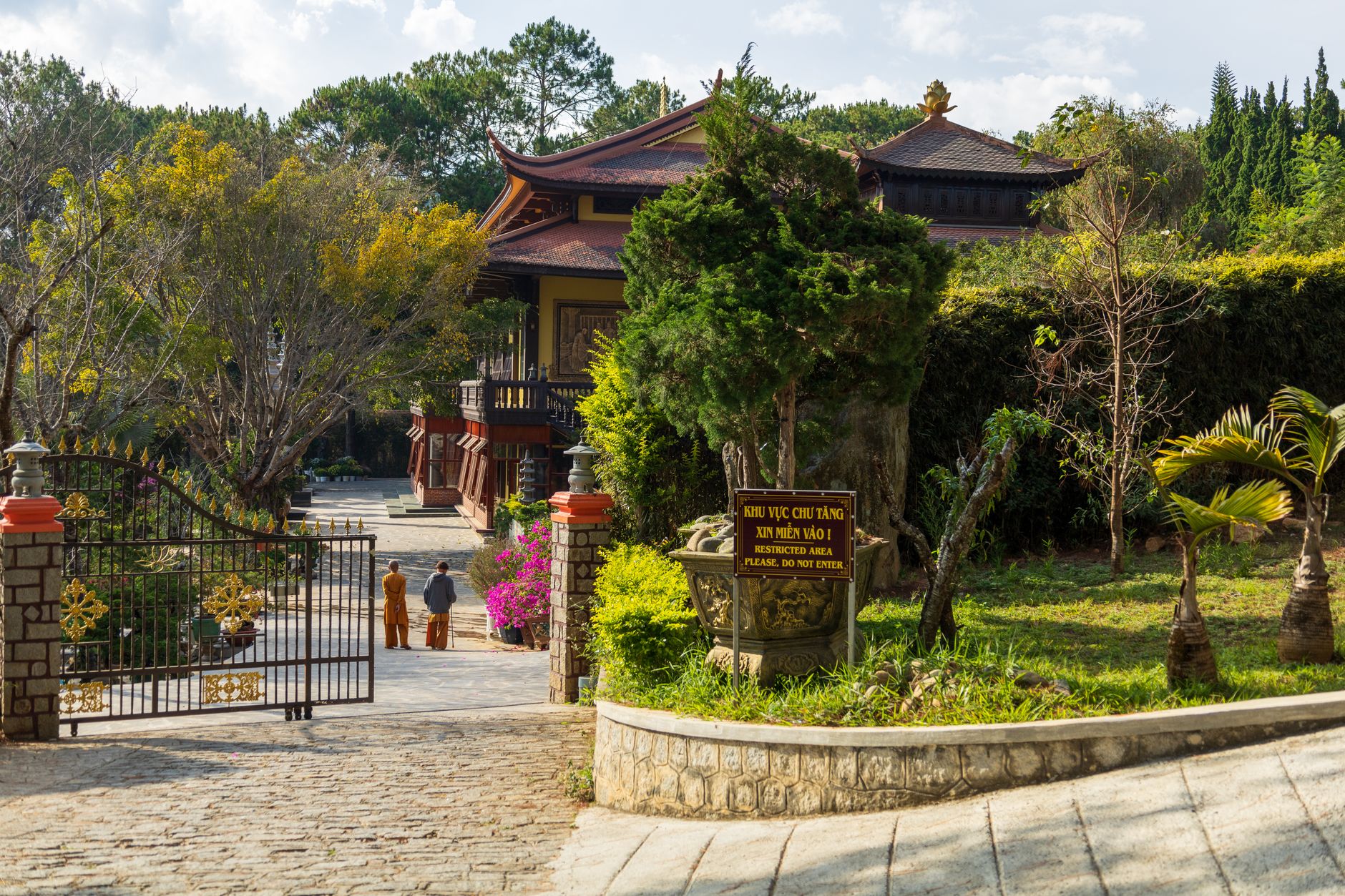
Most villages in this part of Bac Ninh have a "dinh" — a communal house that serves as the social and spiritual center. Ban Ven's dinh is modest but well-maintained, with carved wooden beams and a courtyard where festivals are held. It's usually open; just remove your shoes and be respectful. If an elder is around, a nod and a smile goes a long way.
Catch a Quan Ho Session
If you visit during spring festival season, ask locally about singing sessions. "Quan ho" performances in villages like these are informal — not the polished stage shows you'd see in Bac Ninh city. Singers in traditional dress stand on opposite sides of a pond or courtyard and trade verses. It's one of the more genuine folk-music experiences you can have in northern Vietnam.
Cycle the Provincial Roads
The flat terrain makes this area ideal for cycling. Rent a bicycle in Bac Ninh city (50,000–100,000 VND/day from guesthouses) and ride out through the patchwork of villages. The roads are narrow, mostly concrete, and carry light traffic outside of market mornings.
Stop at a Nearby Pagoda
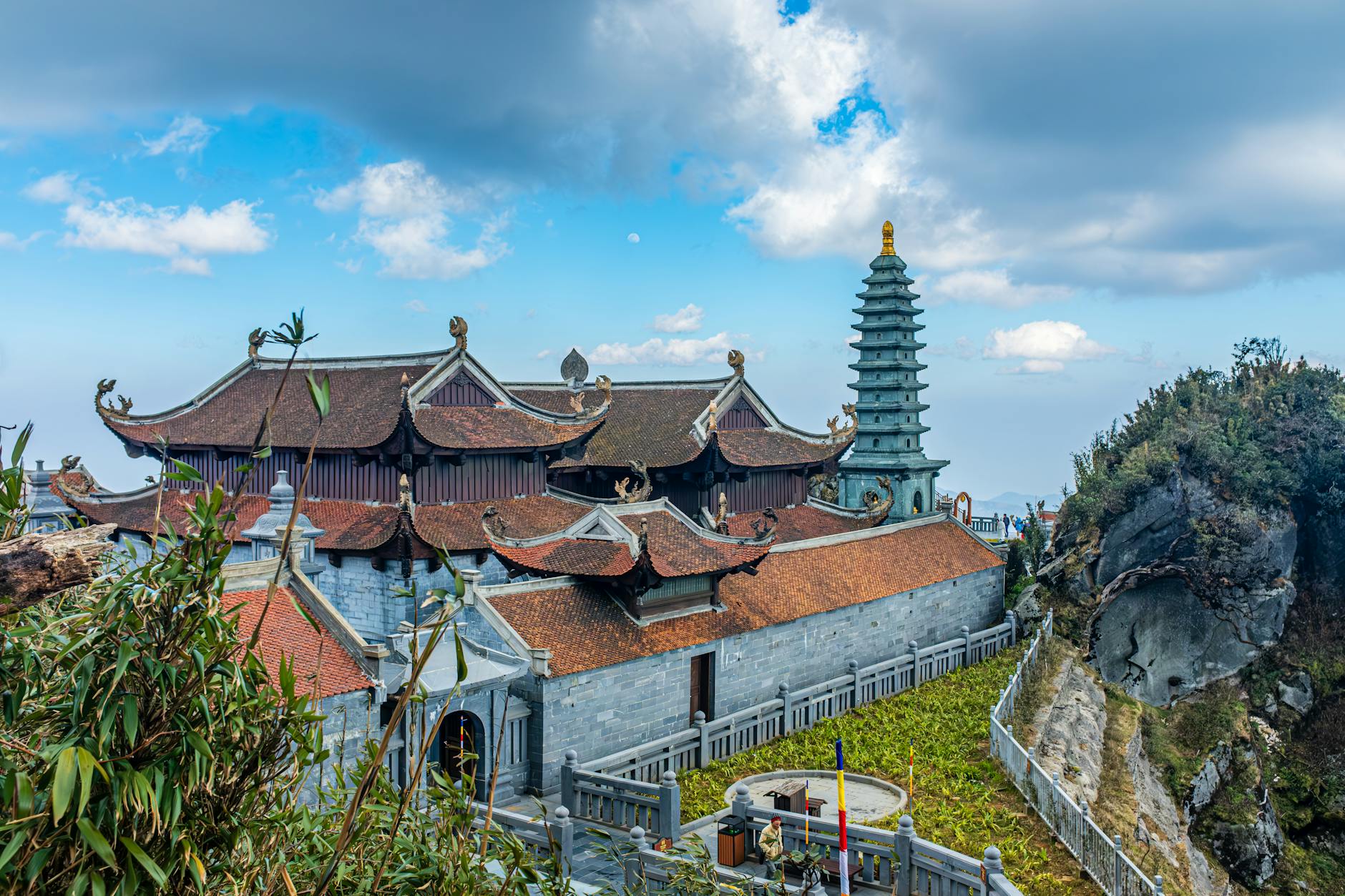
Bac Ninh province is dense with pagodas and temples. Within a short ride of Ban Ven, you'll find several worth a quiet visit. The province is home to Phat Tich Pagoda and But Thap Pagoda — both significant in Vietnamese Buddhist history and reachable as part of a longer day loop.
Where to Eat Nearby
Don't expect restaurants. Eat where locals eat.
- "Banh cuon" — Bac Ninh is one of the best provinces in Vietnam for these steamed rice rolls. Thin, silky sheets filled with minced pork and wood-ear mushroom, served with fried shallots and dipping sauce. Look for any roadside stall with a steamer running — a plate costs 20,000–35,000 VND.
- "Nem chua" Bac Ninh style — fermented pork wrapped in banana leaves, tangy and firm. Sold at market stalls and small shops. Buy a few rolls (5,000–10,000 VND each) and eat them with fresh herbs.
For a full meal, ride into Bac Ninh city where you'll find "pho" and "bun cha" joints on every block, plus local "bia hoi" corners where a glass runs 8,000–12,000 VND.
Where to Stay
Ban Ven itself has no hotels or guesthouses. Your options:
- Bac Ninh city (15–20 minutes away): Budget hotels and nha nghi (guesthouses) start at 200,000–350,000 VND/night. Mid-range options with air conditioning and decent wifi run 400,000–700,000 VND.
- Hanoi base: Most travelers treat this as a day trip from Hanoi and head back the same evening.
- Homestay (ask around): Some families in the broader Bac Ninh countryside host guests informally, but there's no booking platform for this. You'd need to ask at the communal house or through a local contact.
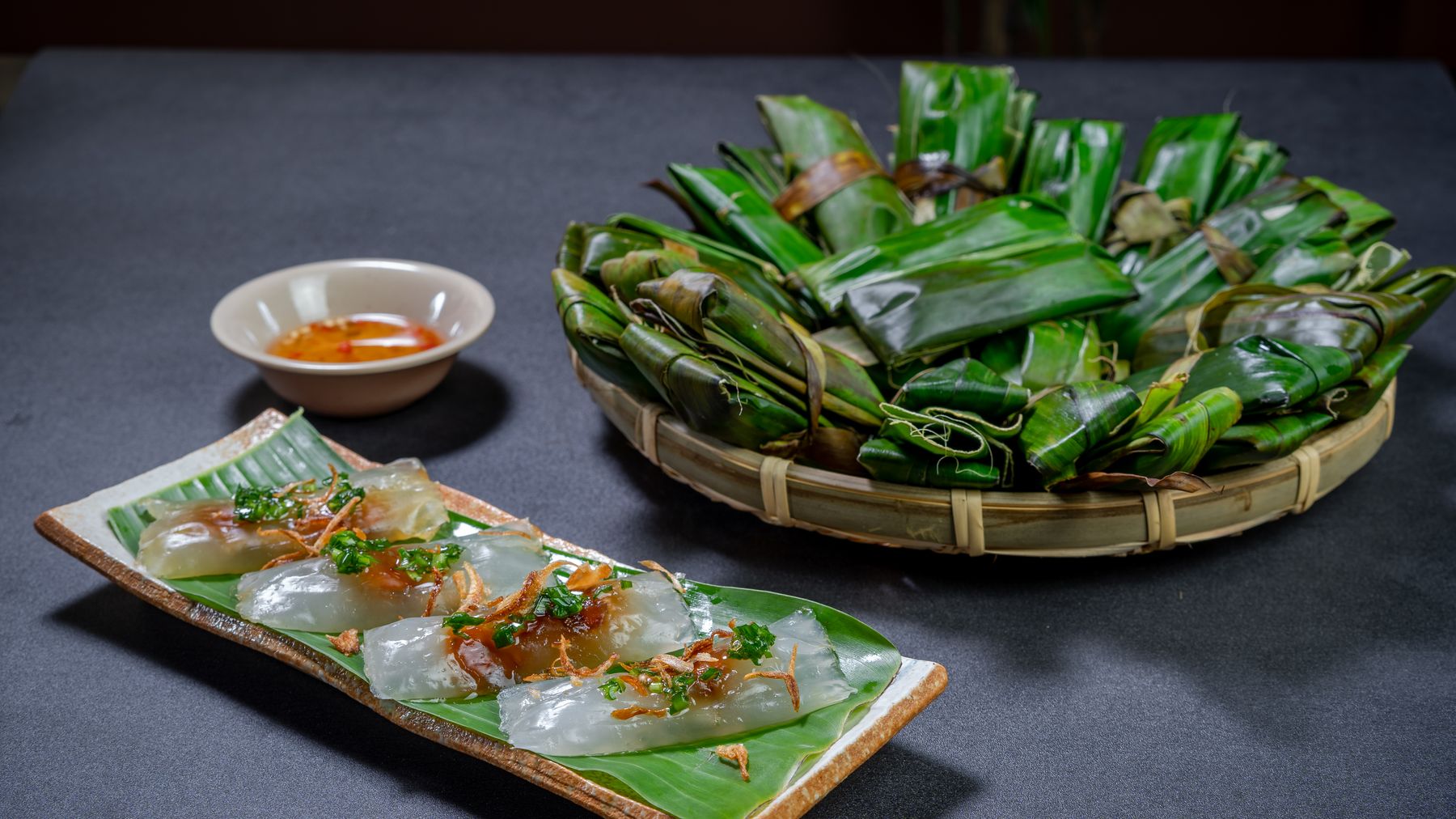
Photo by Hải Nguyễn on Pexels
Practical Tips Locals Would Tell You
- Bring cash. There are no ATMs in the commune and no one takes cards. Load up in Bac Ninh city or Hanoi before you go.
- Dress modestly at temples and communal houses. Cover shoulders and knees. This is conservative countryside — it matters here more than in Hanoi.
- Learn two phrases: "Xin chao" (hello) and "Cam on" (thank you). People in rural Bac Ninh see very few foreigners. A greeting in Vietnamese changes the interaction completely.
- Carry water and sunscreen. There's little shade on the rice-field paths, and the only shops are back in the village center.
Common Mistakes to Avoid
- Coming without a plan for transport back. Ride-hailing apps barely work out here. If you took a Grab, arrange your return in advance. If you're on a motorbike, you're fine.
- Expecting tourist infrastructure. There are no English signs, no visitor centers, no guided tours. That's the point — but it means you need to be comfortable navigating on your own or with a Vietnamese-speaking friend.
- Rushing through. This isn't a place you "see" in 30 minutes. Give it half a day minimum. The whole experience is in the pace.
Practical Notes
Ban Ven works best as part of a wider Bac Ninh day trip — combine it with a pagoda visit and a banh cuon stop in town. It's not a destination that justifies a multi-day stay on its own, but as a window into everyday northern Vietnamese village life, it's hard to beat for how close it is to Hanoi.
Last updated · May 29, 2026 · independently researched, never sponsored.