Chua Vinh Nghiem sits on the forested slopes of Duc La village in Yen Dung district, in what is now Bac Ninh province (formerly part of Bac Giang before the administrative merger). It's one of the most important Buddhist temple complexes in northern Vietnam (베트남 / 越南 / ベトナム) — the place where the Truc Lam school of Zen Buddhism took root in the 13th century under the Tran Dynasty. If you're interested in Vietnamese Buddhist history beyond the tourist-circuit pagodas, this is the real thing.
What it is and why it matters
Chua Vinh Nghiem dates back to the Ly Dynasty (11th–12th century), but its significance peaks during the Tran Dynasty, when King Tran Nhan Tong — after abdicating the throne — became a monk and established the Truc Lam Zen school here. This wasn't some minor royal hobby; Truc Lam became the dominant form of Vietnamese Buddhism and shaped spiritual practice across the country for centuries.
The temple complex is a National Special Relic. It houses a remarkable collection of over 100 woodblocks used for printing Buddhist scriptures, some dating back hundreds of years. These woodblocks are recognized by UNESCO as part of the Memory of the World programme. You won't find that kind of historical weight at most pagodas.
Why travelers go
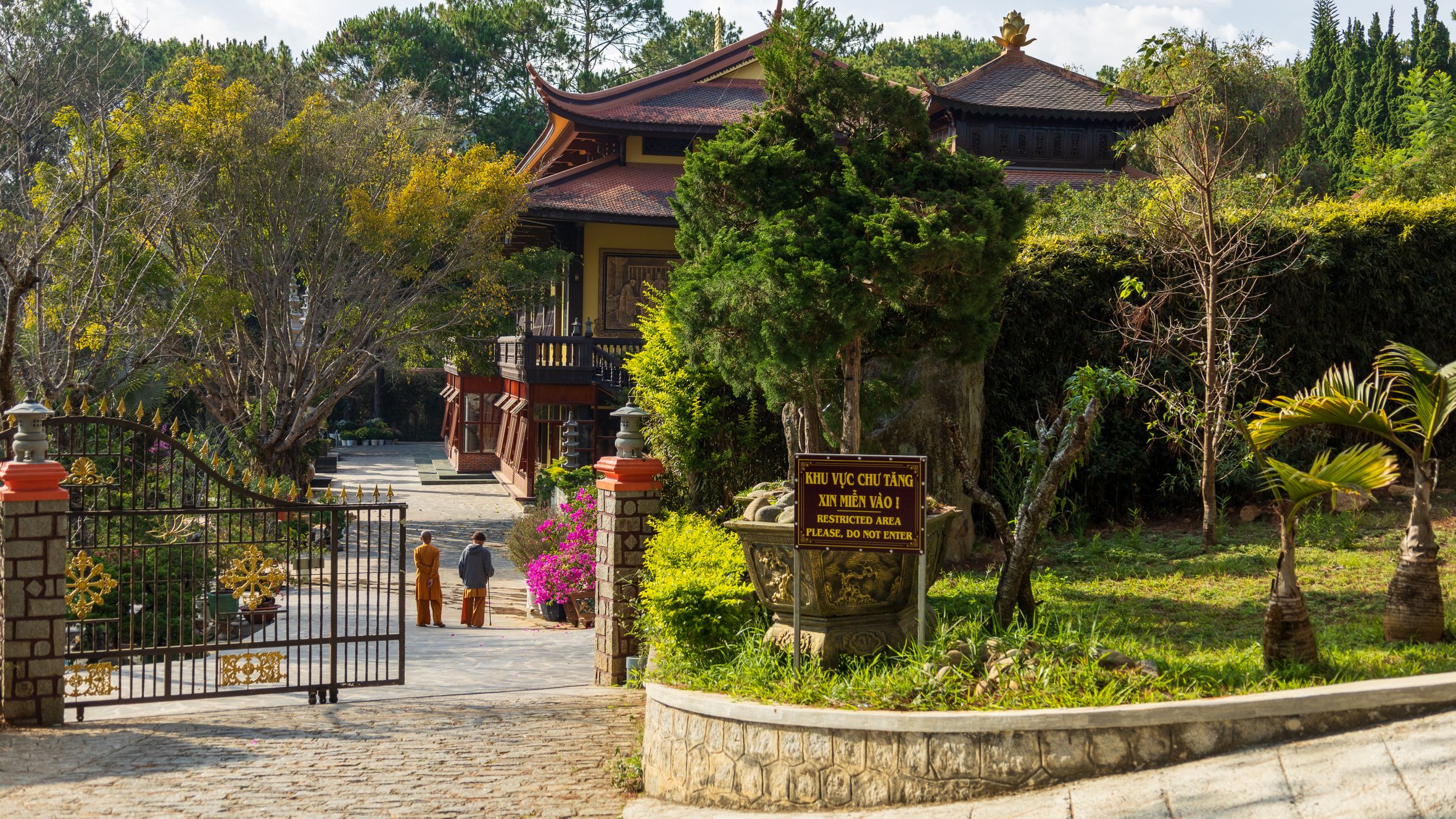
Most visitors come for one of three reasons: the history, the atmosphere, or the woodblocks. The temple sits on a hillside surrounded by old-growth trees, and unlike more commercialized pagodas closer to Hanoi, it stays relatively quiet even on weekends. It's a place where monks still practice daily, incense still drifts through wooden halls, and the tourism infrastructure hasn't bulldozed the contemplative mood.
For anyone who's visited [Tran Quoc Pagoda](/posts/tran-quoc-pagoda-hanoi (하노이 / 河内 / ハノイ)-west-lake) in Hanoi and wanted to go deeper into Vietnamese Buddhist history, Chua Vinh Nghiem is a logical next step.
Best time to visit
The sweet spot is October through March — cooler, drier weather makes the hillside walk comfortable. January and February can be particularly atmospheric with morning mist settling in the valleys around the temple.
Avoid the first two weeks after Tet / 越南春节 / テト) if you want solitude. The temple draws large crowds of Vietnamese pilgrims during the lunar new year festival season. The 15th day of the first and seventh lunar months (full moon prayer days) also bring heavier foot traffic. If you want the place mostly to yourself, aim for a weekday morning outside festival periods.
Summer (May–August) is hot and humid. Not unbearable, but the uphill walk to the temple gets sticky.
How to get there from Hanoi
Chua Vinh Nghiem is roughly 100 km northeast of Hanoi, near the town of Bac Giang (the former provincial capital before the merger with Bac Ninh).
By bus: Catch a bus from My Dinh or Gia Lam bus stations to Bac Giang city. Tickets run 70,000–90,000 VND and the ride takes about two hours depending on traffic. From Bac Giang bus station, you'll need a local taxi or "xe om" (motorbike taxi) to Duc La village — about 20 km, roughly 100,000–150,000 VND by taxi.
By motorbike: Follow National Highway 1A north, then cut east toward Bac Giang. The ride takes around 2.5 hours from central Hanoi. This is the better option if you want to combine Chua Vinh Nghiem with other stops — the countryside along the way is classic Red River Delta scenery.
By car (private or Grab): A one-way Grab car from Hanoi runs approximately 500,000–650,000 VND. Some travelers book a round-trip with waiting time for around 1,200,000–1,500,000 VND, which makes sense if you don't want logistical hassle.

Photo by HONG SON on Pexels
What to do
Walk the woodblock collection
The temple's collection of Buddhist scripture woodblocks is the main cultural draw. These are actual printing blocks carved in reverse — some from the 17th and 18th centuries — used to produce sutras and religious texts. The temple has a dedicated display area. Take your time here; this is the kind of artifact you just don't encounter at more tourist-oriented temples.
Explore the main hall complex
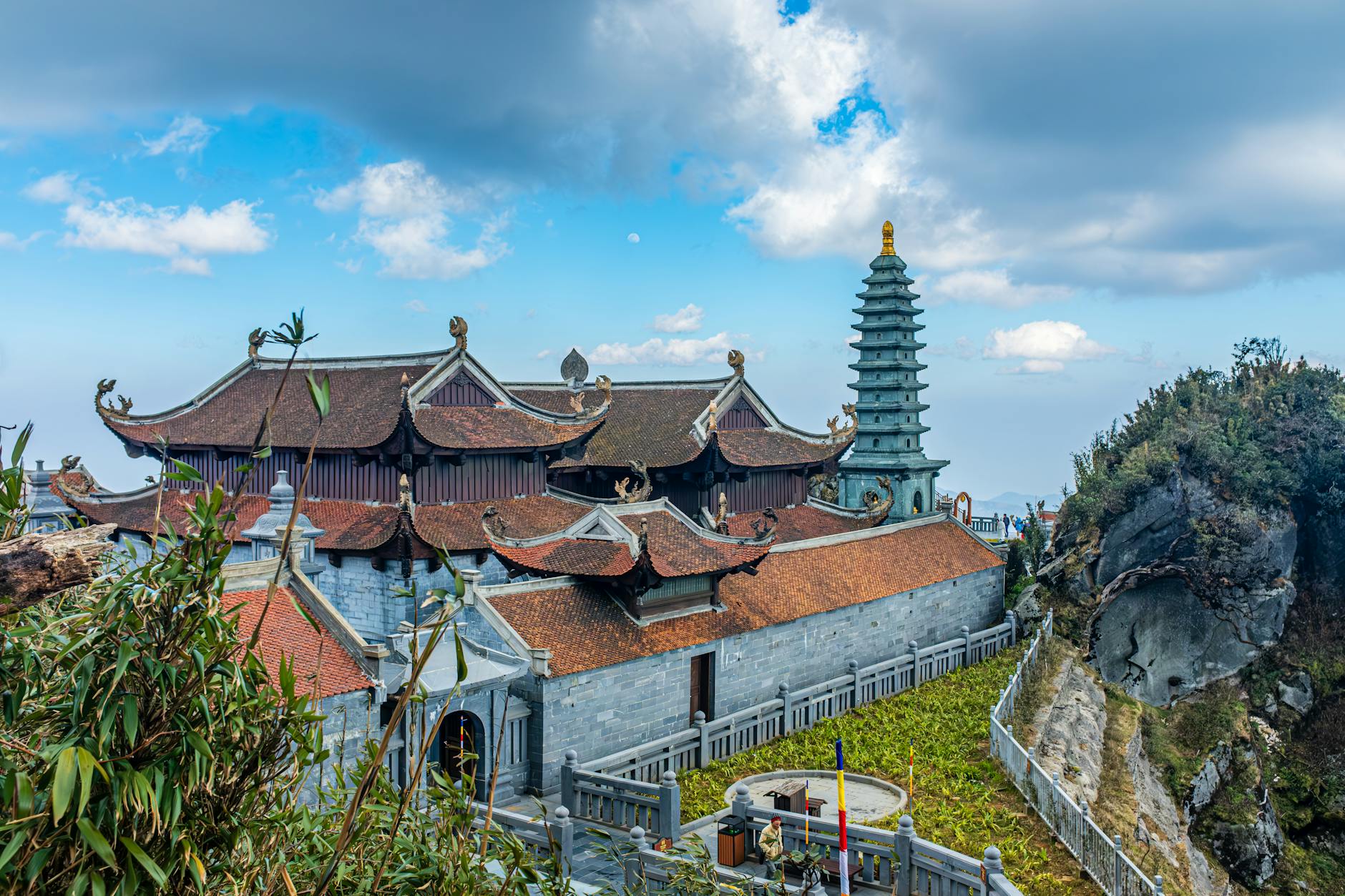
The architecture follows traditional northern Vietnamese pagoda design — low-slung wooden buildings with heavy tile roofs, arranged along a central axis climbing up the hillside. The main worship hall contains a set of old wooden statues, including depictions of key figures from the Truc Lam school. Look for the triple-gate entrance ("tam quan") at the base of the complex.
Climb to the hilltop stupa
Behind the main halls, a path continues uphill through forest to a stupa and meditation area. The walk takes about 15–20 minutes and rewards you with a view over the surrounding rice paddies and forested hills. This is where the quiet really settles in.
Attend a prayer session
If you arrive early morning (around 5:30–6:00 AM) or late afternoon (around 5:00 PM), you may catch monks chanting. Nobody will ask you to leave — just sit quietly at the back and be respectful.
Visit during a full moon day
The 1st and 15th of each lunar month bring more pilgrims and a livelier atmosphere, with offerings, incense, and community prayer. It's a window into how Vietnamese Buddhism actually functions as lived practice, not just heritage.
Where to eat nearby
Duc La village and Bac Giang city aren't culinary destinations, but you can eat well. In Bac Giang, look for "banh cuon" — the steamed rice rolls here are made in the northern style, thin and delicate, served with fried shallots and dipping sauce. Bac Giang province is also known for "nem chua" — fermented pork wrapped in banana leaves. Street vendors near the market sell it for 5,000–10,000 VND per piece.
For a sit-down meal, small rice-and-dish restaurants ("com binh dan") in Bac Giang city serve plates of rice with pork, greens, and soup for 30,000–50,000 VND.
Where to stay
Most travelers visit Chua Vinh Nghiem as a day trip from Hanoi. If you want to stay overnight, Bac Giang city has basic hotels and guesthouses in the 200,000–400,000 VND range. Nothing fancy — functional rooms with air conditioning and hot water. A couple of newer hotels near the city center push up to 600,000–800,000 VND with better mattresses and breakfast included.
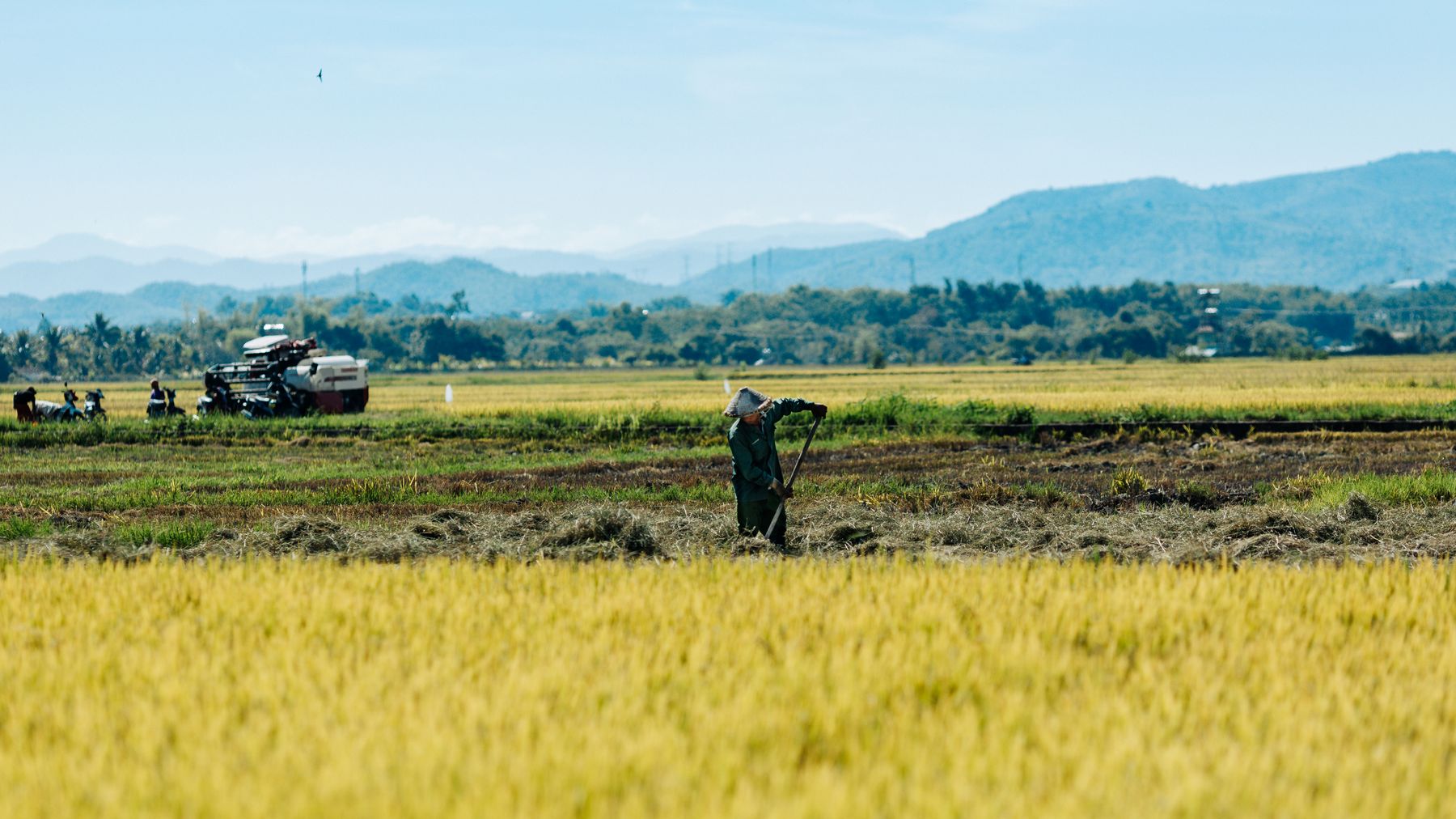
Photo by Thái Trường Giang on Pexels
Practical tips
- Dress modestly. Shoulders and knees covered. This is an active monastery, not a museum. Scarves or shawls work in a pinch.
- Remove shoes before entering any worship hall.
- Bring cash. There are no ATMs at the temple and card payment doesn't exist here. Small donations (20,000–50,000 VND) at the altar are customary but not required.
- Photography is generally fine in the courtyard and exterior areas. Ask before photographing inside the main halls or near the woodblocks.
- Hire a local guide if you want context. The temple doesn't have English signage, and the woodblock collection benefits enormously from someone who can explain what you're looking at. Ask at your hotel in Bac Giang — expect to pay around 300,000–500,000 VND for a half-day.
Mistakes to avoid
Don't show up at noon expecting a full experience — the temple is quietest (and sometimes partially closed) during midday rest hours. Arrive before 10 AM or after 2 PM.
Don't rely on ride-hailing apps for the return trip from the temple. Signal can be patchy in Duc La village, and Grab drivers are scarce outside Bac Giang city. Arrange your return transport before you arrive, or have your taxi wait.
Don't skip the hilltop walk. Most day-trippers photograph the main halls and leave. The stupa path behind the complex is where the temple earns its reputation.
Practical notes
Chua Vinh Nghiem pairs well with a broader northern Vietnam loop — combine it with a day in Bac Ninh city proper (known for "quan ho" folk singing), or route it into a trip between Hanoi and the northeast highlands toward Ha Giang. Entry to the temple is free. Budget a half day minimum to do it justice.
Last updated · May 29, 2026 · independently researched, never sponsored.