What it is
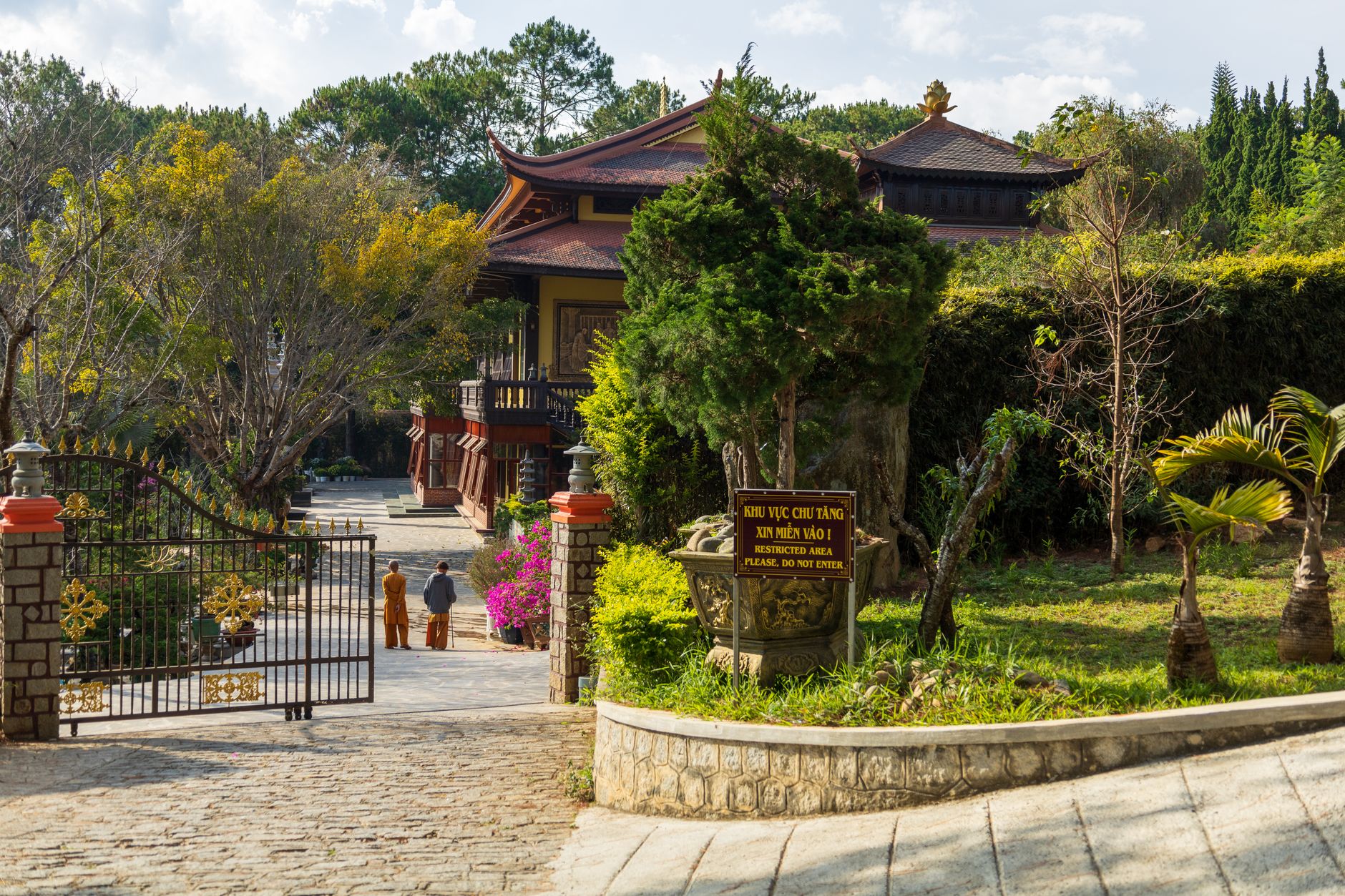
Chua Phat Tich is a Buddhist pagoda built into the side of Phat Tich Mountain (also called Lan Kha Son) in Phat Tich commune, Tien Du district, Bac Ninh province — about 30 km northeast of Hanoi. The site dates to the 3rd century, making it one of the oldest Buddhist foundations in Vietnam (베트남 / 越南 / ベトナム), though the structures you see today are largely reconstructions from the 17th century onward, with significant restoration work completed in the 2000s.
The pagoda's centerpiece is an Amitabha Buddha statue carved from a single block of stone during the Ly Dynasty (11th century). At roughly 1.85 meters tall on a lotus pedestal, it's considered one of the finest examples of Ly-era sculpture anywhere in the country. The Vietnamese government designated it a Special National Monument in 2014.
Note: Bac Ninh province recently merged administratively with Bac Giang. Chua Phat Tich remains in the same physical location — the merger changes paperwork, not geography.
Why travelers go
Most people visiting Bac Ninh come for "quan ho" folk singing villages or the province's reputation as a cradle of Vietnamese culture. Chua Phat Tich draws a smaller crowd, which is part of the appeal. You get a serious historical site without the tour-bus congestion of places like Bai Dinh or the Perfume Pagoda.
The combination works: centuries-old stone carvings, a forested hillside with actual quiet, and a window into the Ly Dynasty's Buddhist artistic tradition that you won't find replicated elsewhere. If you care about Vietnamese art history at all, the stone animals lining the approach path — lions, elephants, horses, buffalo, all carved in the 11th century — are reason enough.
Best time to visit
The pagoda's annual festival runs from the 3rd to the 5th of the first lunar month (usually late January or February), drawing pilgrims and folk performances. That's the time to visit if you want to see the site at its most alive.
Outside festival season, October through March offers cooler weather and clearer skies. The climb up the hillside behind the pagoda is short but steep enough that you'll appreciate not doing it in July humidity. Weekday mornings year-round are the quietest — you might have the stone Buddha almost to yourself.
Avoid the weeks immediately after Tet if you want peace. Pagoda-hopping is a major Tet tradition, and northern sites like Chua Phat Tich get steady foot traffic through the first lunar month.
How to get there from Hanoi
By motorbike or car: Take National Highway 1A north, then cut east toward Tien Du district. The ride is about 30 km and takes 45 minutes to an hour depending on traffic through Bac Ninh city. If you're renting a motorbike in Hanoi (하노이 / 河内 / ハノイ), this is a comfortable half-day trip.
By bus: Catch a bus from My Dinh or Gia Lam station heading to Bac Ninh city (around 30,000-40,000 VND, roughly 45 minutes). From Bac Ninh bus station, grab a local taxi or xe om to Chua Phat Tich — about 8 km, expect to pay 60,000-80,000 VND by taxi.
By Grab: A Grab car from central Hanoi runs about 250,000-350,000 VND one way. Booking a return can be tricky since drivers are scarce in Tien Du — arrange a round trip or be prepared to wait.

Photo by Kirandeep Singh Walia on Pexels
What to do
Walk the stone animal path
The approach to the main pagoda hall is lined with ten Ly Dynasty stone animals — mythical and real — carved in the 11th century. These aren't replicas. Look at the detailing on the lions and the wear patterns on the stone. Each animal sits on a lotus base in the same style as the main Buddha. Take your time here; this is the art history highlight.
See the Amitabha Buddha
The stone Amitabha statue inside the main hall has survived wars, neglect, and multiple restorations. The proportions and serene expression are distinctly Ly Dynasty — rounder and softer than the Tran or Le styles you see at other northern pagodas. Photography is usually permitted but ask the monks first.
Climb to the hilltop
A path behind the pagoda leads up Phat Tich Mountain to a large bronze Buddha statue added during the 2000s restoration. The statue itself is modern and less interesting than the stone one, but the view from the hilltop stretches across the Red River Delta flatlands. The climb takes about 20 minutes at a moderate pace.
Explore the secondary halls and gardens
The complex includes several smaller worship halls, a bell tower, and well-maintained gardens with frangipani and bodhi trees. The rear garden behind the main hall is the calmest spot on the grounds. Monks sometimes practice chanting in the late afternoon — worth timing your visit for.
Visit nearby Quan Ho villages
If you have a half day, combine Chua Phat Tich with a stop in one of Bac Ninh's "quan ho" folk singing villages like Diem and Bui. This is the birthplace of the UNESCO-recognized duet singing tradition. Outside festival season you won't see performances on the street, but local cultural houses sometimes arrange demonstrations for visitors who ask.
Where to eat nearby
Bac Ninh isn't a major food destination, but two dishes are worth seeking out. "Banh khuc" — small glutinous rice balls stuffed with mung bean and pork, rolled in sticky rice — is a northern specialty that Bac Ninh does particularly well, especially from street vendors in the early morning. "Banh da" noodle soup with crab is the local lunch staple; look for small shops in Bac Ninh city center along Ly Thai To street. A bowl runs 30,000-45,000 VND.
For something more familiar, Bac Ninh city has standard "pho" and "bun cha" shops along the main roads. Nothing that'll rewrite your food memories, but reliable and cheap.
Where to stay
Most travelers do Chua Phat Tich as a day trip from Hanoi. If you want to stay overnight — say, for the festival — Bac Ninh city has mid-range hotels in the 400,000-700,000 VND range (Muong Thanh and similar chains). Budget guesthouses near the bus station go for 200,000-300,000 VND. There's no accommodation at the pagoda itself.

Photo by Thịnh La on Pexels
Practical tips locals would tell you
- Dress modestly. This is an active place of worship. Cover shoulders and knees. Monks won't turn you away, but you'll get looks.
- Bring cash. There's nowhere to use a card at or near the pagoda. ATMs are back in Bac Ninh city.
- Shoes off before entering any worship hall. Wear shoes that slip on and off easily.
- Incense and offerings can be bought from vendors outside the gate for 10,000-20,000 VND if you want to participate.
- The site has no entrance fee, though donation boxes are placed near the main hall.
Common mistakes to avoid
- Rushing through. Tour groups sometimes spend 20 minutes here. The stone carvings alone deserve more than that. Budget at least 90 minutes for the pagoda and hilltop combined.
- Coming only for the bronze hilltop Buddha. It's the modern addition. The real draw is the Ly Dynasty stonework at ground level.
- Skipping the back garden. Most visitors photograph the main hall and leave. The quietest and most atmospheric part of the complex is behind it.
- Not combining with Bac Ninh city. The pagoda alone might feel thin for a full day. Pair it with a walk through Bac Ninh's old quarter or a quan ho village visit to fill out the trip.
Practical notes
Chua Phat Tich works best as part of a Bac Ninh half-day loop from Hanoi — pagoda in the morning, lunch in the city, back by mid-afternoon. It's one of the few places in the Red River Delta where you can see original Ly Dynasty sculpture in its intended setting, not behind museum glass. That alone makes the 30 km trip worth it.
Last updated · Apr 2, 2026 · independently researched, never sponsored.