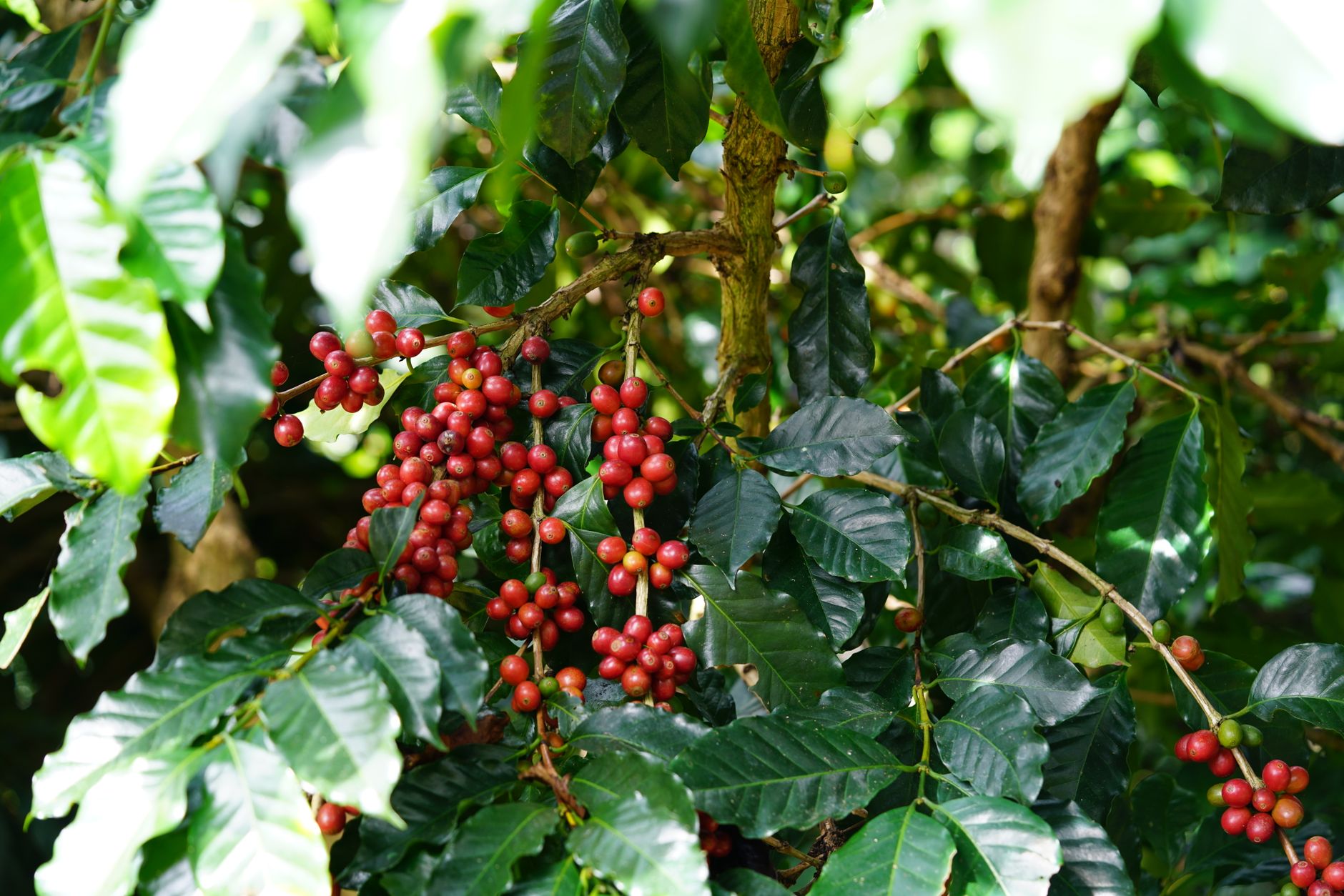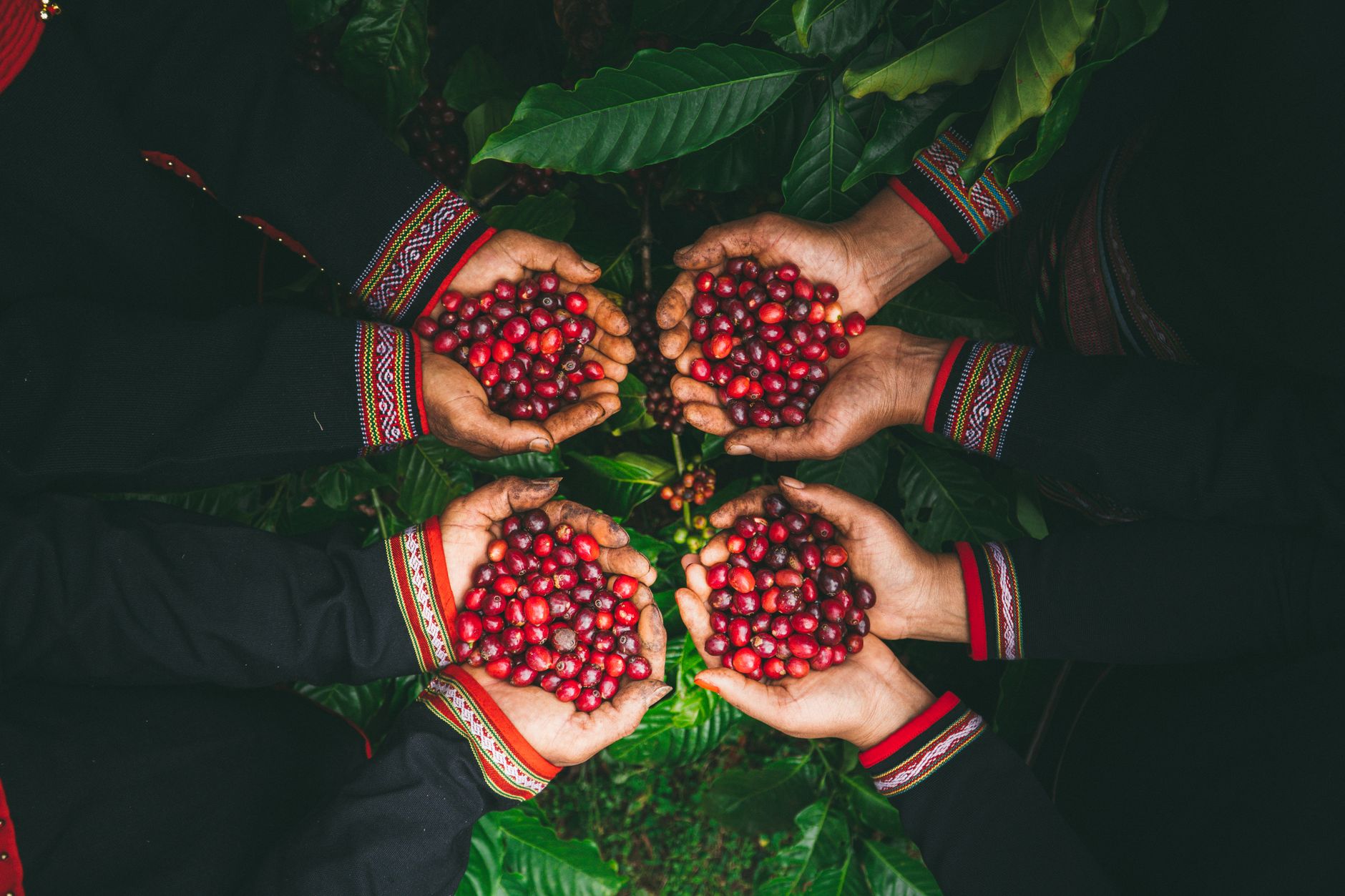
Buon Ma Thuot grows about 60% of Vietnam (베트남 / 越南 / ベトナム)'s robusta coffee. That's not just marketing—the red earth, the altitude, the climate around the city actually does something to the bean. Walk past any café here and you'll notice the smell is different: deeper, heavier, less bright than the lighter-roasted beans you get in the capital. Locals know the difference, and they know where to find it.
Trung Nguyen Legend: The Flagship, But Skip the Tourist Side
Trung Nguyen has two lives in Buon Ma Thuot. One is the massive five-story showroom on Ly Thuong Kiet Street—all glass cases, slow-drip displays, and tourists buying vacuum-sealed bags. The other is the smaller, working café upstairs, where staff actually drink coffee during breaks and the vibe is muted and no-nonsense.
Order a small cup of black robusta (ca phe den) here: 25,000–35,000 VND. They'll bring you a traditional drip filter (phin). The coffee sits thick and dark. It's meant to be sipped slowly, not rushed. The robusta flavor is clean—earthy, a bit tobacco-y, none of the burnt plastic taste you sometimes get from careless roasting. Trung Nguyen built their reputation by controlling their own roasting, and you taste that in the lack of sourness.
Best time: morning, 6–8 AM, when you're sitting with retirees and workers. The café empties after 9 AM.
Buon Ma Thuot Coffee House: The Local Benchmark
This unmarked-looking place on Nguyen Hue Street (near the city museum) is where people who actually care about robusta spend their time. It's three rooms, quiet, no wifi push, no Instagram angles. The owner sources beans from nearby farms—some as close as 20 km out—and roasts in-house, visible from the café floor.
A small black robusta here runs 20,000–28,000 VND. The roast is medium: not too dark (which kills complexity), not too light (which leaves you with thin water). You get the soil, the nuts, a slight licorice undertone. If you ask, the owner will explain which farm the beans came from that week. He does.
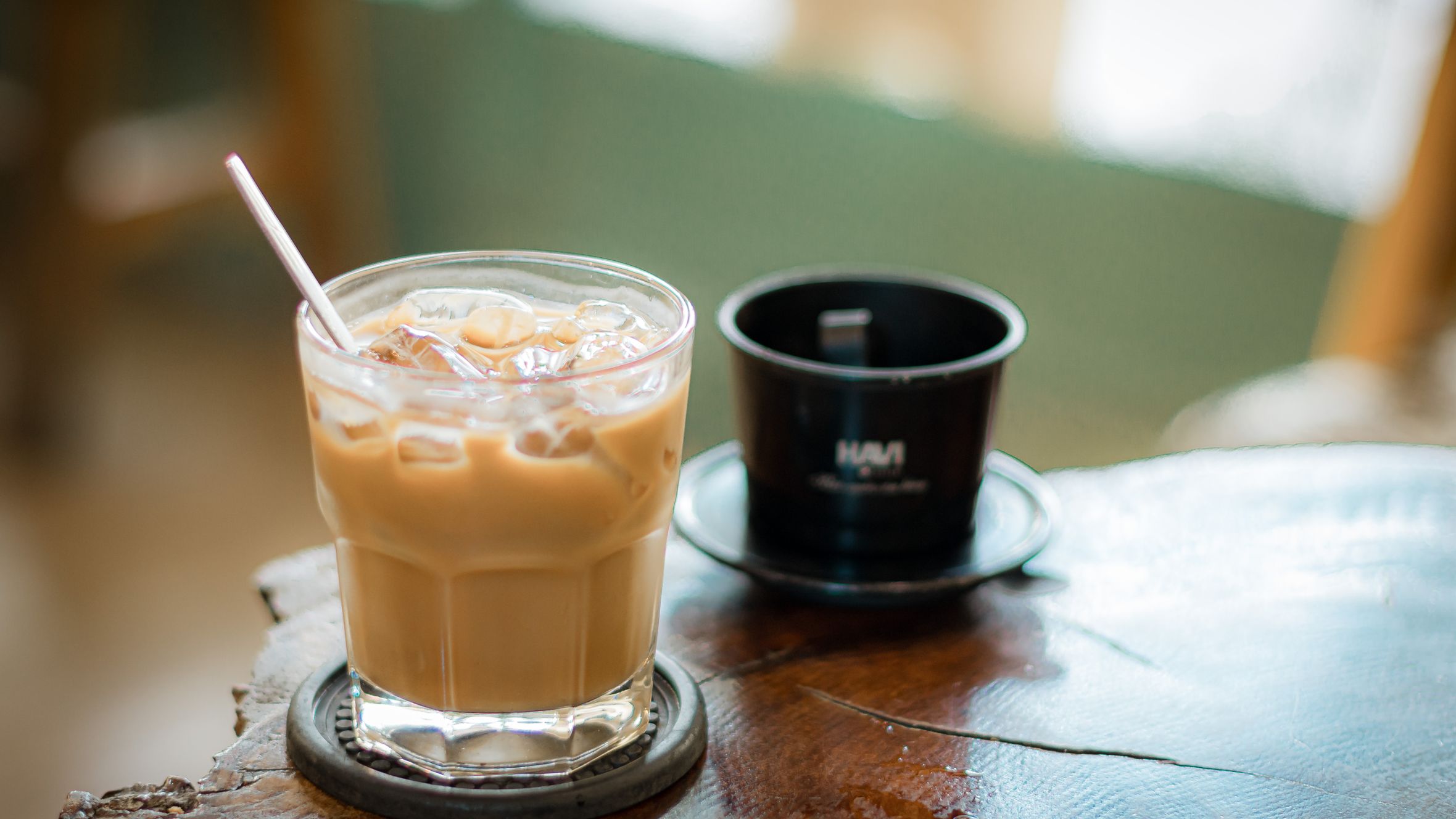
Try their robusta with condensed milk (ca phe sua da) over ice for 25,000–30,000 VND if you want sweetness to cut the heaviness. Locals do this at lunch.
Best time: late morning (9–11 AM) or afternoon (2–4 PM). Lunch crowds don't really hit this spot.
Tay Nguyen Coffee: Farm-to-Cup, No Middle
About 8 km outside the city center (3 km from the airport), Tay Nguyen Coffee is a small roastery and café run by a former farmer. He grows his own beans and roasts them on-site—you can watch from the café. The space is intentionally sparse: a few tables, a bar facing the roaster, no decoration.
A cup of their black robusta: 30,000–40,000 VND (slightly pricier because it's single-origin and roasted the week you drink it). The flavor is assertive—lots of cocoa, a subtle berry note underneath, very little bitterness. This is what robusta tastes like when it's treated with care.
The owner also sells whole beans and will grind them for you (a 500g bag runs 120,000–180,000 VND depending on roast). Many visitors buy a bag to take home—it's cheaper than the major brands and fresher.
Best time: morning or early afternoon. He sometimes closes by 5 PM.

Photo by Nhựt Nguyên Trần on Pexels
Cảnh Khát Buon: The Hidden Morning Spot
Catering mainly to locals, this tiny setup on the corner of Y Nut and Tran Phu is easy to miss. Plastic stools, street-level, no signage. The woman running it has been there 15 years. She buys beans from a supplier in the city and roasts small batches herself (you can see the roaster in the back).
Black robusta: 15,000–18,000 VND. It's not fancy, but it's honest—no over-roasting, no cutting corners with inferior beans. The bitterness is there (robusta is bitter by nature), but it's balanced. Locals queue up before 7 AM.
Best time: 5:30–7:30 AM, when it's crowded. After 8 AM it's mostly empty.
What Makes Buon Ma Thuot Robusta Different
Robusta from this region has a reputation for being earthy and bold—sometimes dismissed elsewhere as "harsh." But that's context. The soil here (volcanic-red, high in minerals) and the climate (warm, humid, altitude around 500–800 meters) produce beans with thick body and low acidity. In the right hands, that thickness is complexity, not harshness.
Hanoi and Saigon cafés often blend their robusta with arabica or use lighter roasts to appeal to tourists. Buon Ma Thuot doesn't apologize—robusta is the crop, the identity, the point. Drink it here and you understand why locals defend it.
Photo by Nhựt Nguyên Trần on Pexels
How to Order
- Ca phe den: black coffee, no sugar, no milk (the classic way to taste the bean).
- Ca phe sua da (연유커피 / 越南冰咖啡 / ベトナムアイスコーヒー): black robusta with sweetened condensed milk over ice (most common for lunch or hot afternoons).
- Ca phe sua nong: hot, with condensed milk (less common in Buon Ma Thuot than iced, but available).
If a café has a phin (metal drip filter), order it that way—slower, fuller flavor. If they have an espresso machine, ask how they're using it; some cafés pull a double shot and pour it over ice with milk (faster, slightly different taste).
Practical Notes
Mornings (6–9 AM) are best for the full experience—beans are fresh-roasted the day before, and the café is full of locals, not tourists. Prices across the city are stable and low by Vietnamese standards (15,000–40,000 VND for a cup). Bring cash; most spots don't take cards. If you want beans to take home, buy from the roasters themselves (Buon Ma Thuot Coffee House, Tay Nguyen Coffee) rather than the big packaged brands—fresher and often cheaper.
Last updated · Apr 17, 2026 · independently researched, never sponsored.