Sapa's Black Chicken: Why It Tastes Different
Ga den—black chicken—is not unique to Sapa. You'll find it in Hanoi, Da Lat, and other highland towns. But Sapa's version is the real deal: the birds are smaller, raised on thin mountain air and foraged feed, and the meat is noticeably leaner and more mineral-forward than the paddy chickens you get in the lowlands. Locals here eat it year-round because it's local, cheap, and better. Tourists often don't know where to look.
The key difference is breed and altitude. Sapa (사파 / 沙坝 / サパ)'s black chickens are usually "ga Tay Bac"—northwestern hill chicken—with darker skin and meat that stays firm even when braised for hours. The flavor is earthier, less fatty. In a stew, that matters.
Where Locals Eat Ga Den
1. Bun Cha Ca Tru (Xuan Phuong Street)
Near the main market (Sapa Town Center), this is a lunch-only spot that closes by 1 p.m. The owner sources birds from a farm about 8 km outside town. You'll get a bowl of "ga den kho" (braised black chicken) for 45,000–55,000 VND, served with rice and pickled vegetables. The broth is clean, the meat soft. Arrive by 11:30 a.m. if you want a table; it's standing-room-only after that. No English menu, no signage in English. Ask a local to point you to "pho ga den" on Xuan Phuong.
2. Com Tam Sapa (Cau May Street)
A casual rice-and-stew place that serves "ga den nuong" (grilled black chicken) alongside "com tam" (broken rice). The chicken is split down the back, flattened, and grilled over charcoal. A quarter bird (roasted, not braised) runs 50,000–60,000 VND. The skin crisps nicely, and the meat is less oily than you'd expect. Open 6 a.m.–8 p.m. Order at the counter; they'll seat you at communal tables. Very few tourists here.
3. Ga Nuong Thom (Hoang Hoa Tham Street)
Smaller, family-run spot with four tables. Specializes in "ga nuong thom" (fragrant grilled chicken) marinated in lemongrass, garlic, and chili. A half bird costs around 65,000–75,000 VND; a full bird is 130,000–150,000 VND. The meat is darker and chewier than braised versions—good if you want texture. Open lunch and dinner (11 a.m.–9 p.m.). Cash only.
4. Huong Pho (Near Sapa Cathedral)
Widely known among locals (and increasingly among mid-range tourists, so it's losing its pure insider status). They do a "ga den khho gung" (black chicken stew with ginger) for 55,000–65,000 VND. The broth is silky, flavored with turmeric and star anise. Not as cheap as [Bun Cha](/posts/bun-cha-hanoi (하노이 / 河内 / ハノイ)-grilled-pork-noodles) Ca Tru, but consistent. Open 10 a.m.–9 p.m. English menu exists, credit cards accepted.
5. Street Stall on Silver Waterfall Road (Mornings Only)
An older woman cooks "ga den kho" out of a small stall near the turnoff to Silver Waterfall. She starts at 6 a.m., sells out by 10 a.m. Portions are large, price is 40,000–50,000 VND. Very few tourists find this; it's mostly H'Mong and Tay laborers buying breakfast. The chicken is always tender, the rice generous. No name, no sign—just look for the steam and the queue.
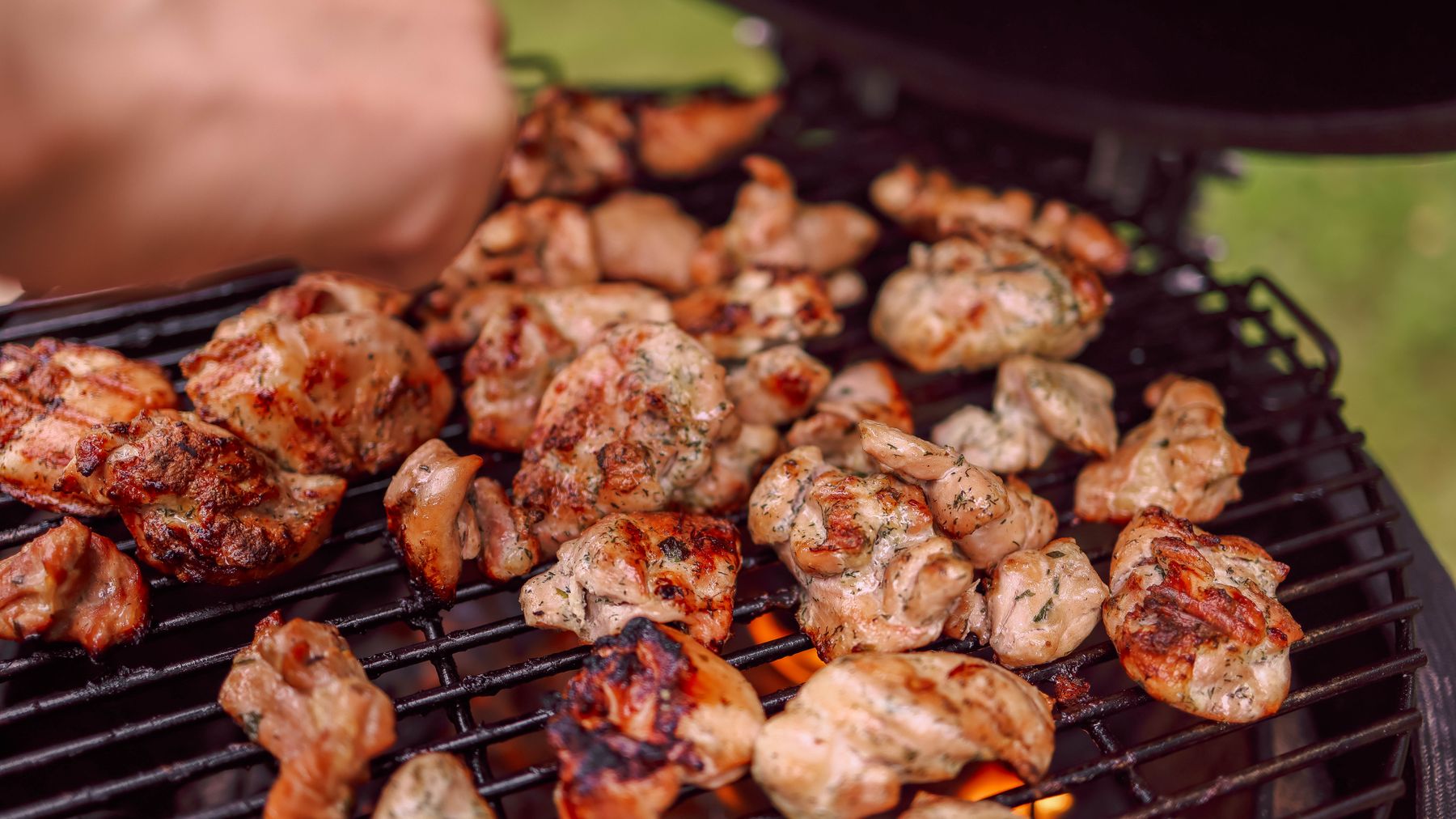
Photo by Valeria Boltneva on Pexels
What You're Actually Ordering
When you ask for "ga den," you're usually getting braised ("kho") or grilled ("nuong"). Braised is the more common preparation in Sapa—slow-cooked in a clay pot with minimal liquid, so the meat absorbs the broth. It takes 45 minutes to an hour, so don't expect instant service at lunch.
If you want it faster, ask for "ga nuong"—grilled—which comes in 20–25 minutes.
A standard portion is a quarter or half bird, never a whole chicken as a single meal. If you're ordering for one, ask for "mot phan tu" (a quarter) or "mot nua" (a half). Two people can comfortably share a whole bird.
Price Range & When to Order
Expect to pay 40,000–75,000 VND per portion (US$1.70–$3.20) depending on the restaurant and cut. The stall near Silver Waterfall is cheapest; Huong Pho is a step up but still local pricing.
Best time to eat: lunch, 11:30 a.m.–1 p.m., when the chickens are freshest and locals are eating. Morning options (6–9 a.m.) exist but are mainly stall food. Dinner (6–8 p.m.) is reliable but the meat may be day-old. Sapa kitchens don't have constant stock like city restaurants.
Weekends (especially Saturday and Sunday) are busier; the non-tourist spots fill up with Vietnamese families. You'll have better luck on weekday mornings.

Photo by Sea Man on Pexels
How to Order If You Don't Speak Vietnamese
Point to the chicken in the display (most have a small fridge or clay pots visible). Hold up fingers for how many portions you want: one finger (mot), two (hai), etc. Say "ga den" and gesture braising (hand cupping action, palm down) or grilling (hand flat and sweeping sideways). Or just say "nuong" (grilled) or "kho" (braised).
Price is the tricky part. Ask "gia bao nhieu?" (how much?) before ordering. Don't assume the menu price is the final one—some stalls add charges for rice or vegetables. Confirm by pointing and repeating the number back.
At Bun Cha Ca Tru and the stall near Silver Waterfall, have a local friend or your hotel staff call ahead if you want to reserve. These places sell out.
Practical Notes
Bring cash; only Huong Pho and Com Tam Sapa reliably take cards. Sapa's ga den season is year-round, but autumn (September–November) and winter (December–February) are when the mountain air makes the meat taste sharpest. Most spots open by 11 a.m. for lunch; don't count on finding ga den for breakfast unless you hit the stalls before 8 a.m.
If you're staying in a homestay or guesthouse, ask your host where they eat ga den. You'll almost always get sent somewhere better than the cafes in the Tourist Quarter.
Last updated · May 29, 2026 · independently researched, never sponsored.