Lau Hai San in Mui Ne Is a Different Beast
If you've eaten "lau hai san" (seafood hot pot) in Hanoi or Saigon, the Mui Ne (무이네 / 美奈 / ムイネー) version will feel intimate by comparison. No neon signs, no tourist menus with glossy photos. Most spots are tucked into residential streets or right on the beach. The seafood arrives hours after it was pulled from the net—sometimes still moving in the bucket. That's the whole game here.
Unlike inland cities, where "fresh" means yesterday's wholesale market haul, Mui Ne's lau joints source directly from fishing boats. The shrimp snap when you bite them. The squid doesn't turn rubber. Local fishermen's wives run half these places. You'll eat better seafood hot pot here than you will in touristy Da Nang.
Three Spots Where Locals Actually Eat
Lau Hai San Thuc Duc
This is the benchmark. Located on Nguyen Hue Street (the main drag, but set back from the noise), Thuc Duc has been open since 2008. No English menu. The owner, Mrs. Duc, sources stock from her husband's fishing boat and buys overflow from three neighboring boats. You'll see photos of the catch on the walls—grouper, snapper, lobster, sea urchin, fish eggs.
Order the mixed seafood platter (180,000 VND / ~$7.70 USD for two people). It comes with fresh shrimp, squid, fish cakes, fish balls, clams, and whatever else landed that morning. The broth is a light, salted seafood stock—nothing fancy, everything clean. Add morning glory, tofu, noodles, and mushrooms. Dinner here: 250,000–350,000 VND per person for a full meal.
When to go: Lunch (11 a.m.–2 p.m.) is quieter and you'll see families. Dinner (6 p.m.–9 p.m.) fills up by 7 p.m., especially weekends. Avoid 5–6 p.m. (the lull between lunch stragglers and dinner rush).
Lau Duong Tran Quoc Toan
Named after the street it's on, this is a smaller, noisier operation—four plastic tables, open-air, near the fishing port. The owner, Tran, cooks the broth in a massive pot before service and ladles it fresh into your personal hot pot. This is the most "local" of the bunch: fishermen eat here before 6 a.m., and the place closes by 10 p.m.
No printed menu. Point to the seafood bins—squid, mantis shrimp, clams, small snapper. You'll pay 20,000–40,000 VND per item, plus 30,000 VND for the broth and vegetables. Expect 150,000–250,000 VND per person for a light meal, 300,000+ if you order aggressively.
The catch here: the broth can be heavier (more fish-based) because Tran makes it from fish heads and bones daily. If you prefer delicate, go to Thuc Duc. If you want umami depth, this is the place.
When to go: Early lunch (11 a.m.–noon) is when the fishing boats unload. By 1 p.m., selection thins. Skip dinner—the evening catch is smaller and less varied.
Lau Hai San Ho Tram
Located just off Ho Tram Street (near the town center, about 800 meters from the main beach), Ho Tram is a step up in comfort—wooden tables, proper napkins, a small wine list—but the food is still pier-side honest. Owned by a retired fishing captain, the place gets daily deliveries from four boats.
Their signature is the "special platter" (175,000 VND for one person, 300,000 for two): live shrimp, sea urchin, live crab, fish cakes, and mushrooms. The broth is lighter than Tran's, richer than Thuc Duc's—a middle ground. You can order beer and it arrives ice-cold. This is where visiting Saigon (사이공 / 西贡 / サイゴン) businesspeople eat when they want seafood but don't want to feel like tourists.
When to go: Lunch and dinner equally good here. Popular 7–8:30 p.m. on weekends; Mondays–Thursdays are quieter all day.

Photo by Sergey Guk on Pexels
What Makes Mui Ne's Lau Hai San Different
Seasonal variance. In summer (May–August), the shrimp and squid catch is larger and cheaper. In winter (October–February), you'll see more fish and crab; broth-based cooking becomes more popular. A platter that costs 180,000 VND in August might be 220,000 VND in December.
The broth. Inland cities often use a pre-mixed seasoning base. Mui Ne spots make stock from scratch—fish heads, bones, dried squid, salt, and whatever's in the boat that day. It tastes alive in a way you won't find elsewhere.
Speed of service. Since the seafood is so fresh, you're eating it within 6 hours of catch. No ice storage, no frozen backup. On bad fishing days, a spot might run low by 8 p.m. Plan accordingly.
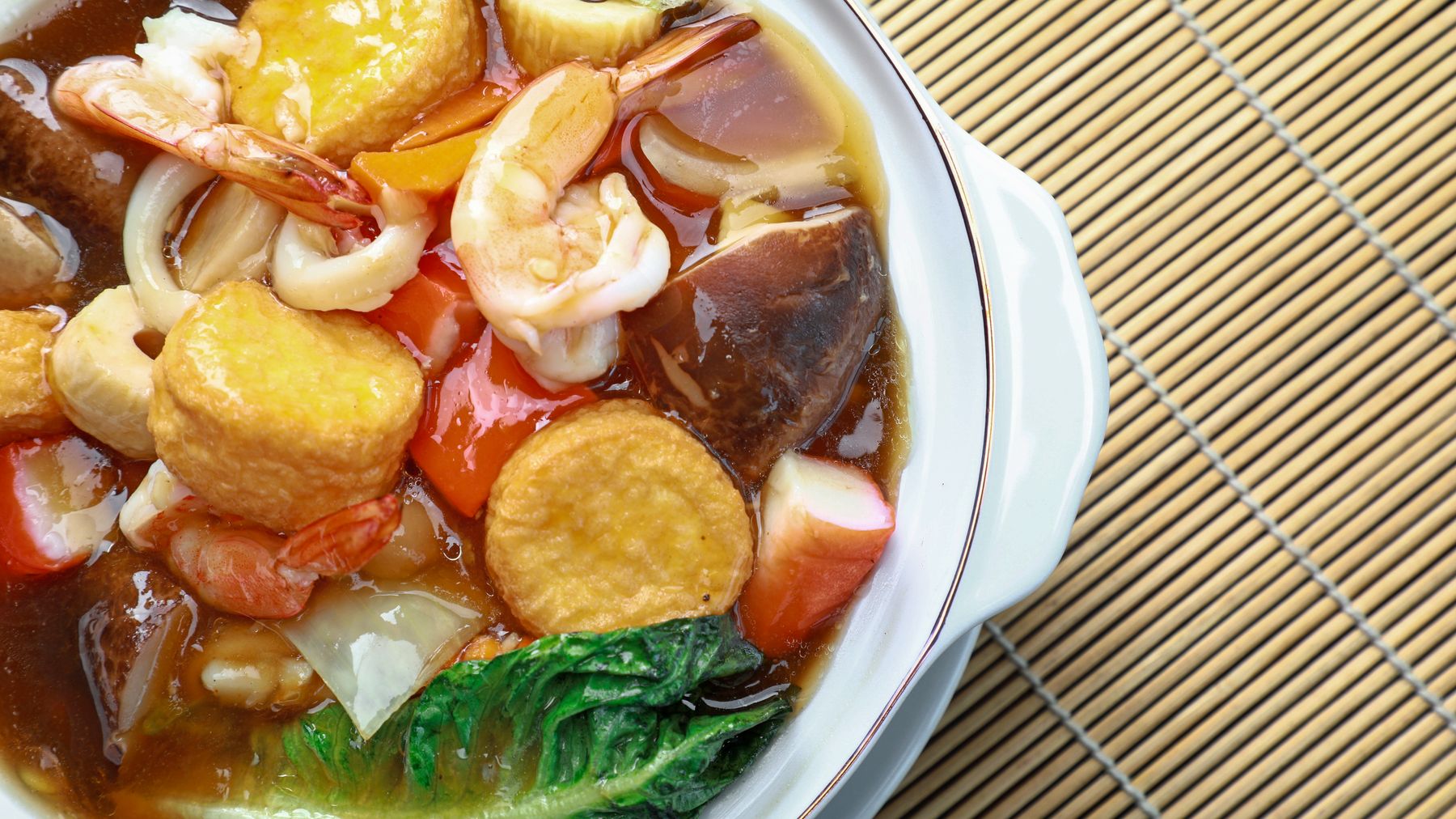
Photo by STUDIO LIMA on Pexels
How to Order (No Menu)
- Walk to the bin. Point. Say "muon bao nhieu" (how much for this amount?). They'll give you a price. Nod or shake your head.
- Say "lau" once you're seated. They'll bring the hot pot and broth.
- Ask for "rau cu" (vegetables: morning glory, tofu, mushrooms, cabbage). Usually 20,000–40,000 VND total.
- Order beer ("bia hoi" or "bia lanh") or water. Coffee comes after unless you ask for it.
- Point to the cooking pot when something looks done. Don't let it sit too long—seafood overcooks in seconds.
Practical Notes
Mui Ne's lau hai san runs on fishing-boat time, not restaurant clock time. If you show up at 2 p.m. expecting a full menu, you'll leave disappointed. Lunch (11 a.m.–2 p.m.) is the safest bet. Most spots are cash-only; there's an ATM near the market (Phan Boi Chau area) if you need it. Prices are honest—locals eat here daily, so there's no price-gouging. Tipping is not expected; rounding up is polite.
Last updated · May 29, 2026 · independently researched, never sponsored.