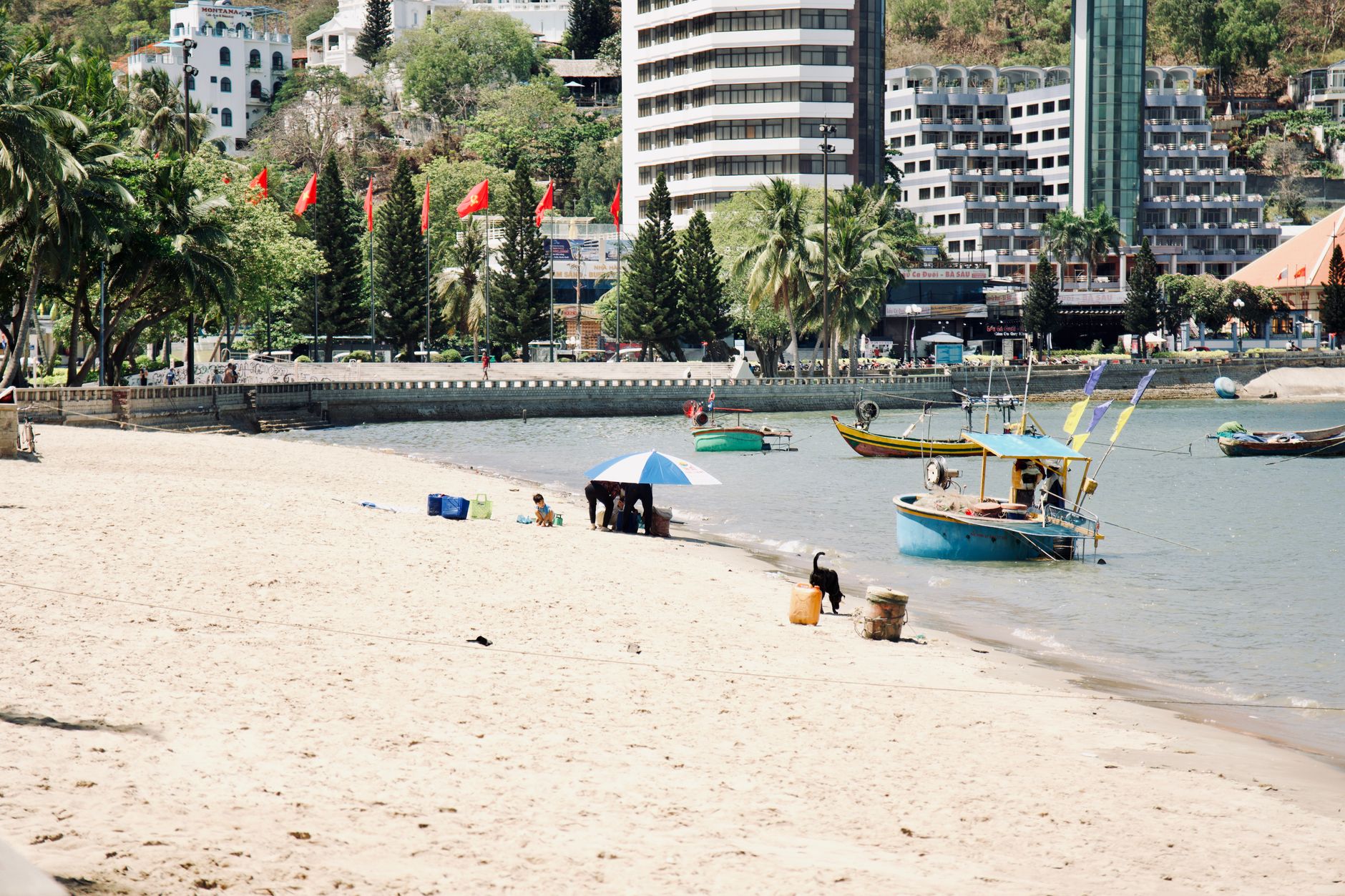
Vung Tau's "lau hai san" — seafood hot pot — isn't a fancy night out. It's a Tuesday lunch where the shrimp came in on the 6 a.m. boat and the broth has been simmering since dawn. The city's geography helps: you're sitting on the coast, surrounded by fishing families and working-class neighborhoods where hot pot is breakfast, lunch, and dinner.
Unlike Saigon's design-focused hot pot spots or Hanoi's tourist-trap versions, Vung Tau (붕따우 / 头顿 / ブンタウ) keeps it simple. You come for the ingredient quality and the crowd, not the ambiance. Plastic stools, fluorescent lights, and a cooler full of ice and live seafood — that's the template.
What Makes Vung Tau's Lau Hai San Different
The seafood is fresher here, obviously. Many restaurants source directly from boats or morning markets, sometimes the same morning. You'll see squid so recently killed it's still pale, shrimp with snap in them, and fish that taste nothing like what sits in a cooler for six hours.
The broth matters too. Most places simmer a pork-and-crab base overnight, which gives it body that you don't get from just boiling water and stock cubes. Some add fish cakes or baby squid to the broth itself — it's sweet and subtle, not overpowering.
Vung Tau also keeps portions reasonable and prices low. A two-person lau hai san setup (broth, a plate of mixed seafood, vegetables, dipping sauce) runs 250,000–350,000 VND. In Saigon (사이공 / 西贡 / サイゴン), you'd pay 450,000–600,000 VND for the same spread.
Lau Nhat Tran (19 Duong Thang 4)
This is the spot locals mention first. A narrow shop on a busy street, always packed at lunch. The broth is their signature — pork and crab simmered for hours, with a clean sweetness that doesn't need MSG. The seafood plate comes with shrimp, squid, baby clams, and sometimes scallops, depending on the morning's catch. No nonsense, no upcharge for premium items. Around 300,000 VND per person.
Go before noon if you want a seat. After 1 p.m., it's standing room only, and after 2 p.m., they often run low on ingredients.
Lau Phung (131 Thuy Van)
A family-run place near the seafront, quieter than Nhat Tran but just as serious about the food. Their broth has a slightly fishy backbone — they use anchovy paste — which some locals swear by. The seafood is less mixed; instead, you order by type: shrimp, squid, clams, or a combination plate. They're also known for their dipping sauce, which they make fresh daily with fish sauce, lime, chili, and a secret touch of ginger.
Budget 280,000–320,000 VND. The crowd here skews older and more local; fewer tourists.
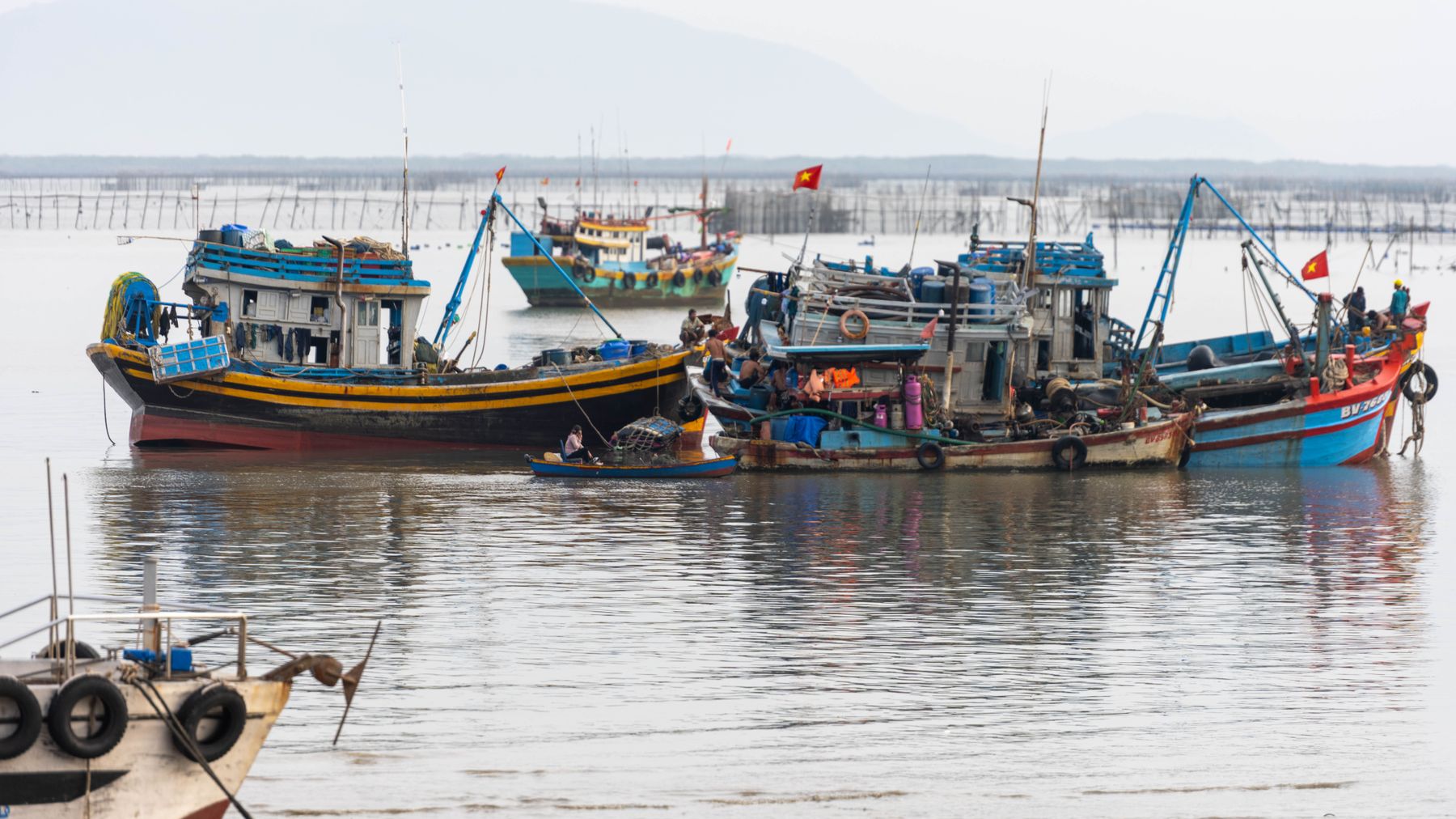
Photo by Quang Vuong on Pexels
Co Ba Seafood (Back Dinh Strand, near Pineapple Beach)
Small roadside setup with no English signage. Co Ba translates roughly to "Mrs. Three" — she runs it with her daughter. They have a live tank of seafood and a single large pot simmering on a charcoal stove, very old-school. The broth is more subtle here; they don't use crab, just pork stock and dried scallops, so it has an almost dashi-like quality.
Prices are lowest here: 220,000–260,000 VND per person. The downside is no fixed hours — she cooks lunch (11 a.m.–1:30 p.m.) and dinner (5–7 p.m.) and that's it. Also, minimal English, so bring a phrasebook or go with a Vietnamese speaker.
Lau Hai San Tho Yen (3 Tran Phu, near Vung Tau Market)
Slightly more upscale than the others, but still unpretentious. They have a full menu of sides — spring rolls, fried tofu, fresh herbs — and their broth comes in three versions: classic pork-crab, tomato-based (popular with younger diners), or spicy with lemongrass. The seafood quality is high; they buy from morning auctions at Vung Tau Fish Market.
Cost: 320,000–380,000 VND per person depending on your choices. It's a good middle ground if you want better comfort than a plastic stool but don't want to pay Saigon prices.
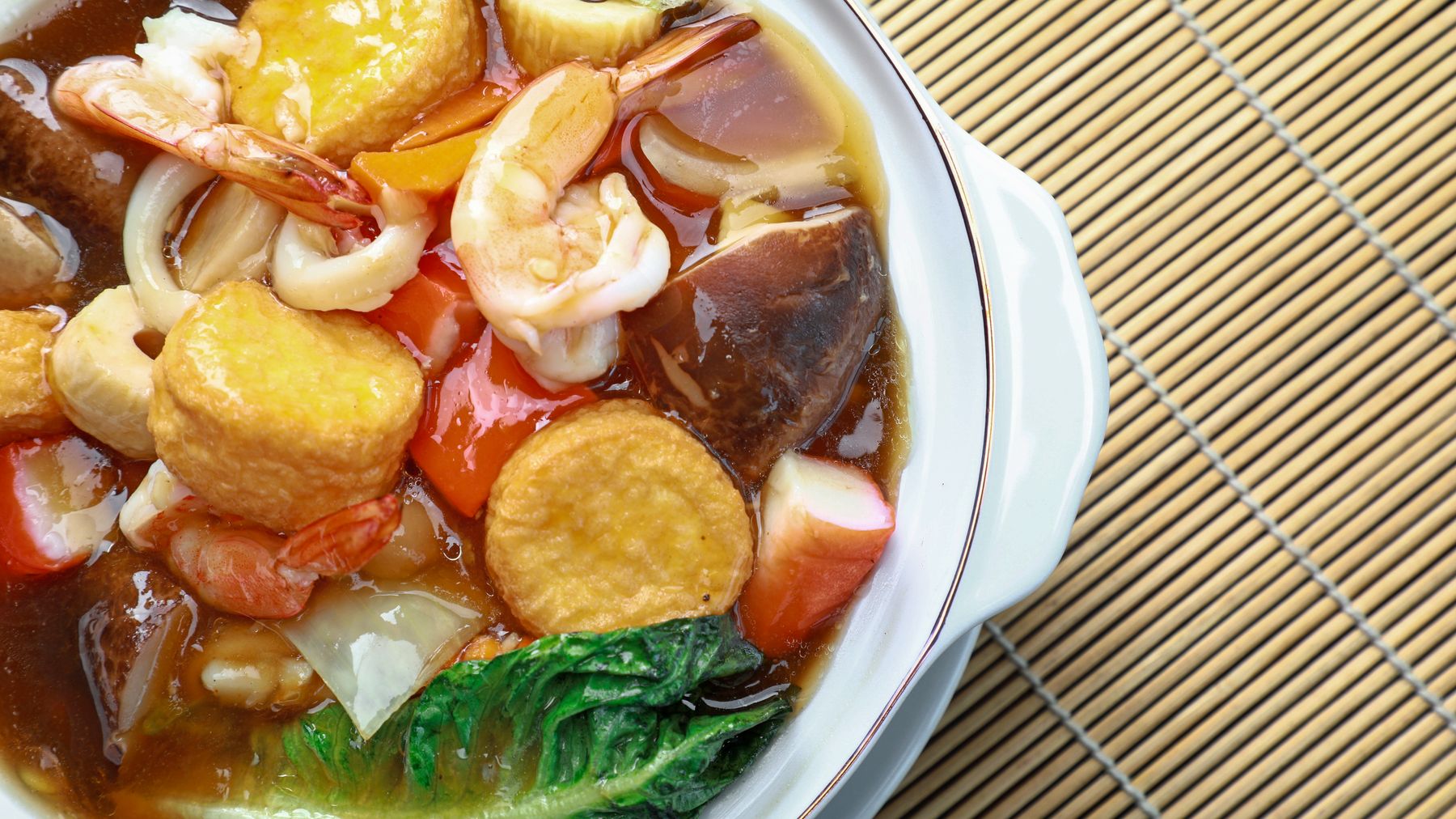
Photo by STUDIO LIMA on Pexels
How to Order
Most places don't have English menus. Point to the seafood tank or ask for "lau hai san" — they'll offer a set plate or let you pick individual items.
The usual format: you get a hot pot with broth, a plate of raw seafood (shrimp, squid, clams, sometimes fish cakes), a plate of vegetables (usually cabbage, mushroom, morning glory, tofu), and a small bowl of dipping sauce (fish sauce with lime and chili).
Cook seafood 2–3 minutes (shrimp and squid), vegetables 1–2 minutes. Don't overcrowd the pot — let the broth stay hot.
Ask for extra broth; most places refill it free. If you want a second protein (like crab or lobster), expect an upcharge.
When to Go
Lunch (11 a.m.–1:30 p.m.) is the prime window. Seafood is freshest, crowds are local, and you're guaranteed full ingredient selection.
Dinner (5–7 p.m.) works but is more tourist-heavy, especially on weekends. Seafood quality can dip if it's been sitting since lunch.
Avoid very early morning (before 10 a.m.) — some places aren't fully set up yet. Avoid late evening (after 8 p.m.) — most have sold out of fresh seafood.
Weekdays are better than weekends if you want the real local crowd and shorter waits.
Practical Notes
Bring cash; most of these spots don't take cards. If you're staying nearby, ask your hotel or guesthouse staff — they often have neighborhood recommendations that don't even appear online. Vung Tau's best lau hai san aren't chasing reviews; they're feeding people who live here, which is why they stay good.
Last updated · Apr 4, 2026 · independently researched, never sponsored.