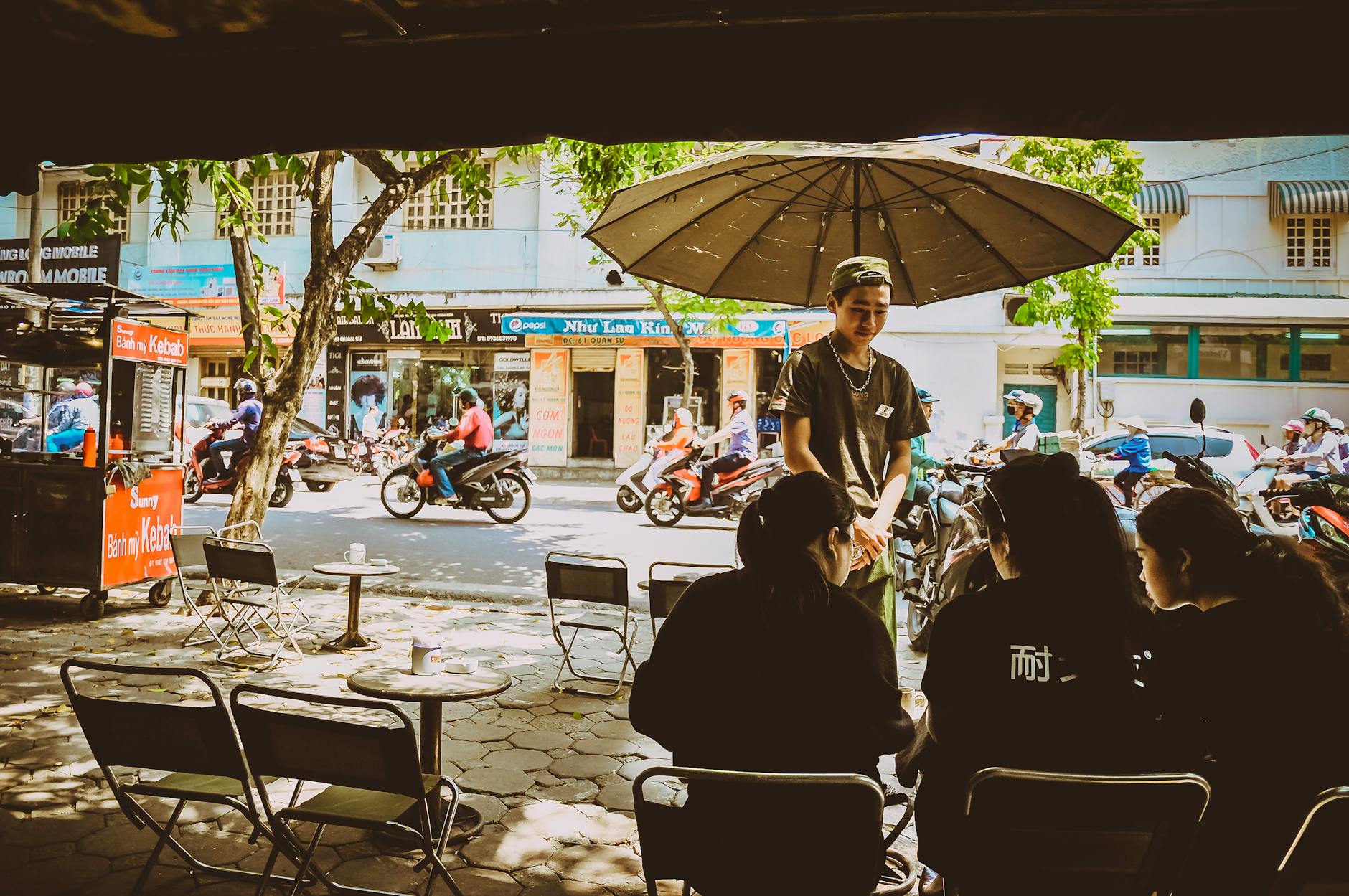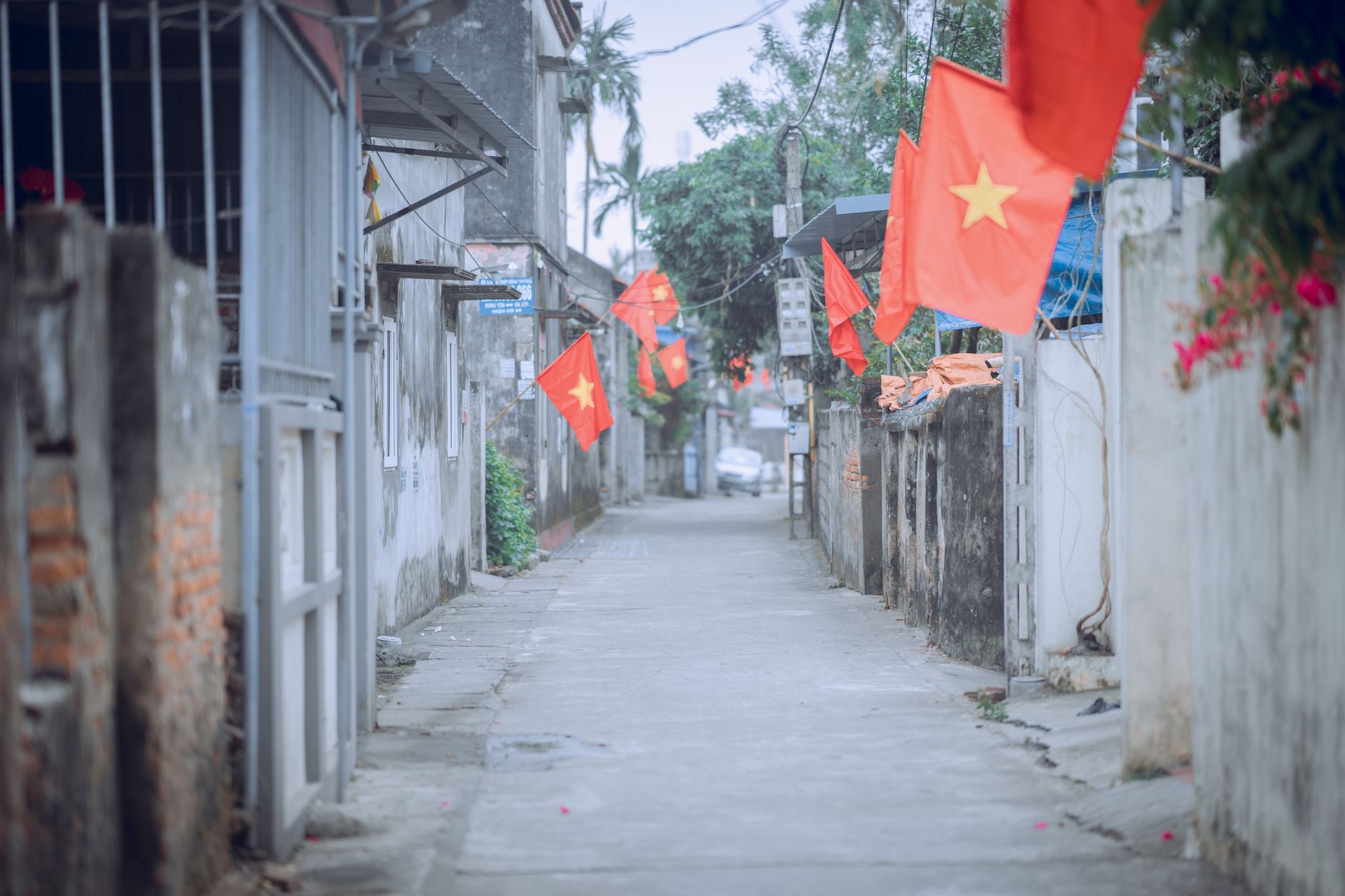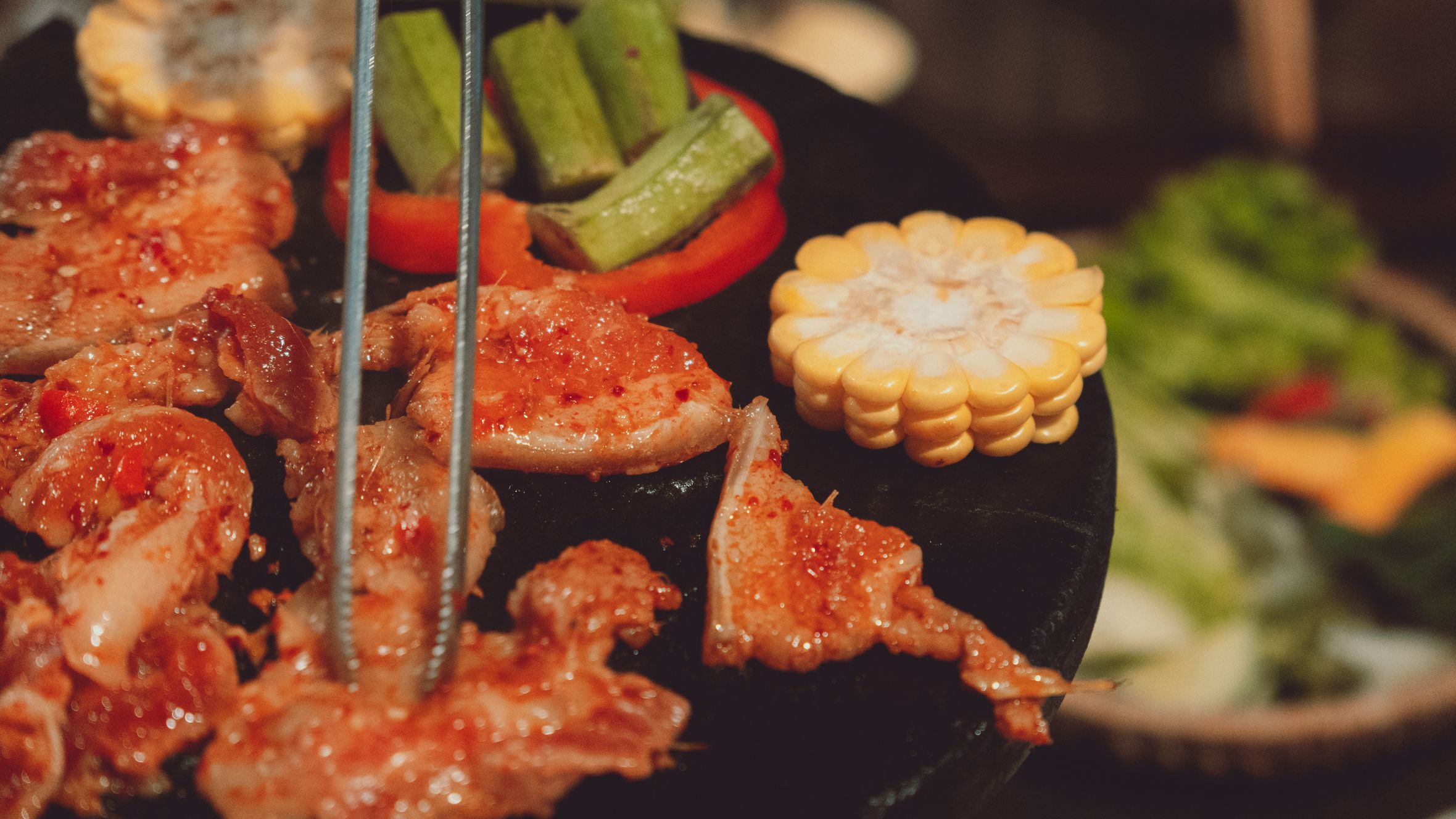
"Thit lon den" (marinated pork knuckle) shows up across Vietnam (베트남 / 越南 / ベトナム), but Ha Giang has its own dialect. The meat here tends to sit longer in vinegar and spice, picking up a sharper, funkier edge than the southern version. It's darker, more assertive, and locals will argue it's the only way to eat it.
What makes Ha Giang thit lon den different
The pork knuckle — the joint and surrounding meat — gets boiled until the skin turns translucent, then left to soak in a brine of vinegar, chilies, shallots, and rock sugar. In Hanoi and the south, the balance skews sweeter. Here, the vinegar dominates. You'll taste it immediately: sharp, slightly funky, almost tangy in a way that cuts through the richness of the fat and gelatinous skin.
It's also cheaper in Ha Giang (하장 / 河江 / ハーザン) than in tourist-facing hanoi restaurants — usually 60,000–100,000 VND per plate of 3–4 pieces — because you're eating where it's made, not where it's plated for foreigners.
Where locals go
Thit Lon Den at Cho Ha Giang (Central Market)
The best entry point is the Ha Giang Central Market, about 1 km south of the city center. Walk in early (6:30–7:30 a.m.), find the cluster of stalls on the western side. An older woman who's been running the same cart since the 1990s sells plastic bags of thit lon den for 70,000 VND. The meat is tender, the brine is vinegary-sharp without being aggressive, and she'll toss in a handful of raw onion and cilantro. People queue. You won't recognize it as a "stall" — just a small plastic table and a cooler. Ask for "thit lon den nau" (cooked pork knuckle) and point.
Go early. By 8 a.m., she's sold out most days.
Hang Buom Street vendors
Hang Buom, the old spice and preserved-goods lane, has two unofficial thit lon den stalls that appear around 6 a.m. and close by 9:30 a.m. One is run by a man in his 60s who cooks the meat himself; it has less vinegar than the market version and more of a red-chile kick. Prices here are 65,000–80,000 VND for a portion. The meat is often paired with sticky rice or fried bread ("banh trang nuong"). Locals stop here on the way to work. The environment is raw — plastic stools, no menu — but that's precisely why it tastes like it's supposed to.
Pho restaurants with a side order
Several small pho shops in the Old Quarter (near Nguyen Hue Street) keep thit lon den as a side dish during lunch hours (11 a.m.–1 p.m.). Pho Gia Truyen is one; ask for a small plate and eat it with your pho. Costs around 40,000 VND for a small portion. It's not the focus of the restaurant, so the quality is good but not exceptional. Best if you're already there for pho and want to try it alongside.
Noi Thuc Restaurant (a slightly upmarket choice)
If morning market hunting feels chaotic, Noi Thuc on Tran Hung Dao is a sit-down spot that serves thit lon den at lunch and dinner. It's clean, the meat is consistent, and you can order a full plate (around 120,000 VND for 6–7 pieces) without hunting through a market. It won't have the funk or character of the market version — it's been slightly sweetened for comfort — but it's reliable and worth trying if you want a calmer setting.
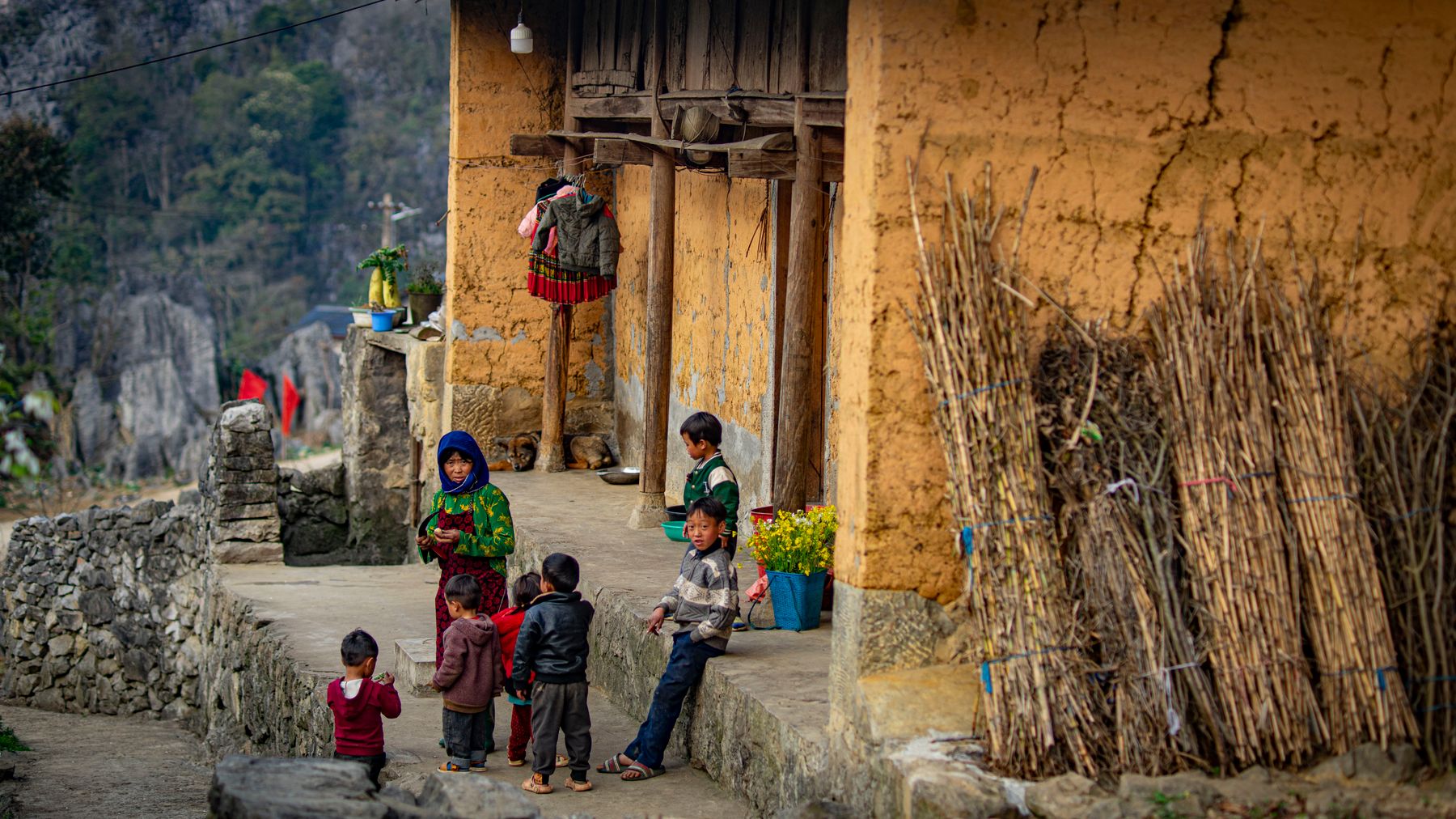
Photo by Vietnam Hidden Light on Pexels
How to eat it
Thit lon den is always served cold or at room temperature. You eat it with your hands or chopsticks, pulling it off the bone if there's bone attached. The skin should be gelatinous and give way easily; the meat underneath is tender. The brine clings to it. Pair it with steamed sticky rice, fresh herbs (basil, cilantro, mint), or a squeeze of lime.
Many locals eat it for breakfast with a glass of hot tea or "ca phe sua da" (Vietnamese iced coffee). Some order it as part of a mixed plate of cold cuts and preserved meats — pickled sausage, cured ham, hard-boiled eggs.
Photo by Vietnam Hidden Light on Pexels
When to go
Morning (6–9 a.m.): The best time. Meat is fresh, brine is bright, stalls are busy and you know it's real. This is peak thit lon den hours in Ha Giang.
Lunch (11 a.m.–1:30 p.m.): Restaurants like Pho Gia Truyen and Noi Thuc have it. Quality is solid but softer than the morning rush versions.
Dinner (6–9 p.m.): Noi Thuc serves it, but avoid the market stalls — they're closed or running low. If you're eating it as part of a mixed cold-meat platter at a restaurant, this works, but it's not prime time.
Avoid late afternoon (2–5 p.m.). Stalls are closed, restaurants are between service, and quality drops.
Practical notes
Ha Giang thit lon den is a breakfast-to-lunch food, not a dinner staple. The market stalls are cash-only (no card machines). Bring small bills (50,000–100,000 VND notes). If you don't speak Vietnamese, point at other people's plates and nod — it works. The sharper vinegar bite takes adjustment if you're used to southern versions; that's not a flaw, it's the point.
Last updated · May 29, 2026 · independently researched, never sponsored.