Son La Hydropower Dam — "Thuy Dien Son La" — sits on the Da River about 20 km from Son La city, and it's the kind of place that makes you reconsider what counts as a destination. This isn't a temple or a beach. It's a colossal concrete wall holding back a reservoir that stretches roughly 200 km upstream toward Lai Chau. And yet, travelers who make it out here almost always say the same thing: they didn't expect to stay so long.
What it is
Completed in 2012, Thuy Dien Son La is Vietnam (베트남 / 越南 / ベトナム)'s largest hydropower plant by installed capacity. The dam wall rises over 138 meters and spans more than 960 meters across the Da River valley. Behind it, the reservoir flooded entire valleys and displaced communities — a history the region still carries. Today the dam supplies a significant share of northern Vietnam's electricity.
For travelers, the draw isn't the turbines. It's the scale of the thing — the reservoir, the surrounding highlands, and the fact that you're standing in one of the most sparsely visited corners of the northwest.
Why travelers go
Most people who visit Thuy Dien Son La are already on a northwest Vietnam road trip — riding between Hanoi and destinations like Dien Bien Phu, Lai Chau, or looping through to Sapa and Ha Giang. The dam sits right along QL6 (National Road 6), so it's less of a detour and more of a natural stop.
The reasons to linger:
- The reservoir views are genuinely enormous. From the dam crest and the surrounding viewpoints, you look out over water cutting between green mountains in every direction.
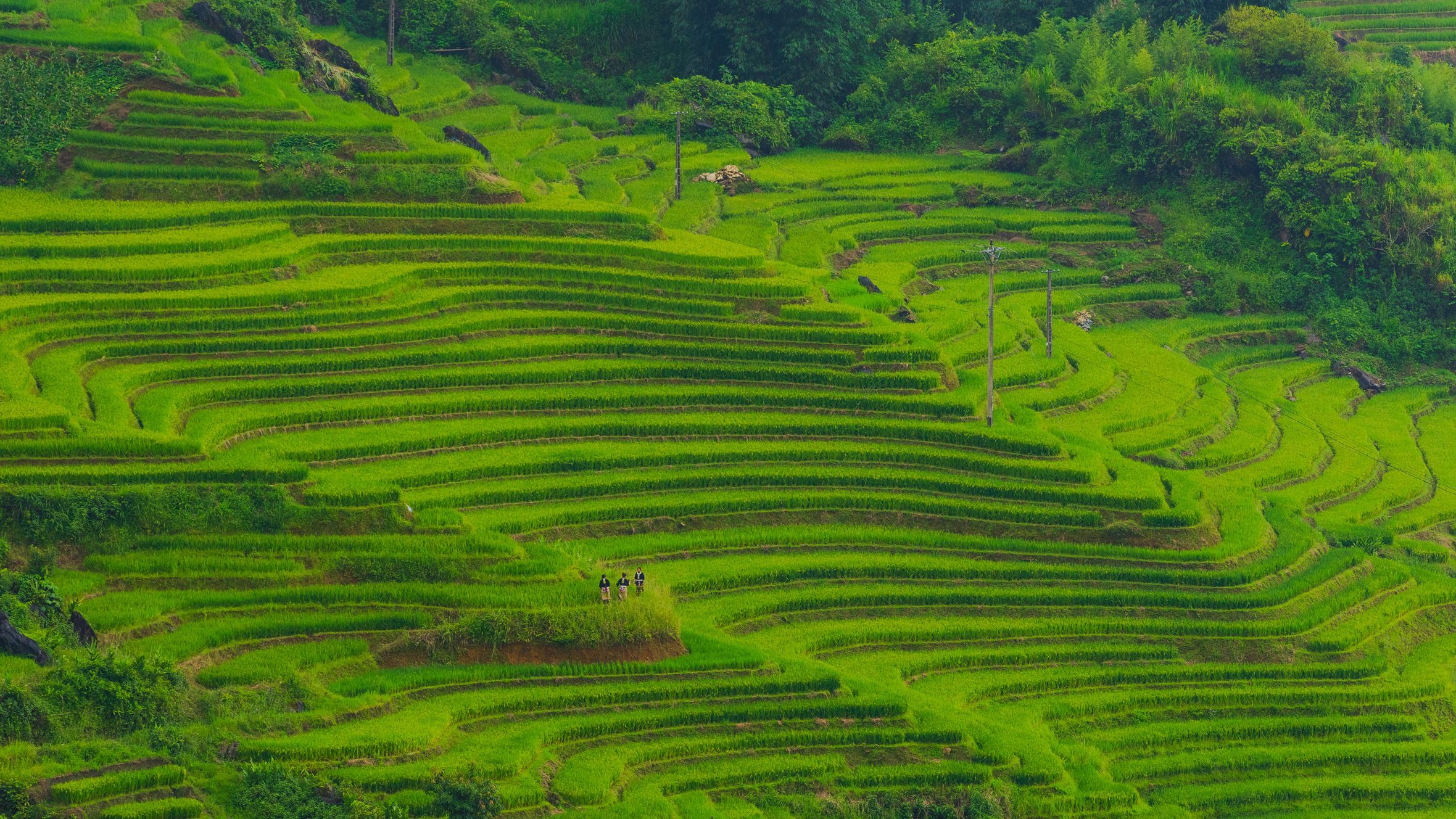
- It's a window into how modern infrastructure reshapes a landscape. The area around the reservoir has a strange, quiet beauty — drowned valleys, new shorelines, floating fish farms.
- The surrounding Thai and H'mong communities give this stretch of the northwest a cultural texture you won't find closer to Hanoi (하노이 / 河内 / ハノイ).
Best time to visit
October to April is the sweet spot. Skies are clearer, the reservoir is full from summer rains, and temperatures in Son La hover between 15-25°C — cool enough for comfortable riding or driving.
Avoid June through August if you can. Heavy rains make the mountain roads slippery and fog can blank out the reservoir views entirely. That said, the upside of rainy season is that everything is almost absurdly green.
How to get there from Hanoi
Son La city is the staging point. From there, the dam is a short ride.
Hanoi to Son La:
- Bus: Sleeper buses leave from My Dinh bus station several times daily. The ride takes about 6-7 hours on QL6 through Hoa Binh and Moc Chau. Expect to pay 200,000-280,000 VND per seat.
- Motorbike: The QL6 route from Hanoi is roughly 310 km. Most riders break it up with a night in Moc Chau or Mai Chau, both worthwhile stops on their own. Mai Chau in particular is a good place to spend a night in a Thai stilt house before pushing on.
- Private car: Around 6 hours depending on traffic clearing Hanoi. Hiring a car with driver from Hanoi runs roughly 2,500,000-3,500,000 VND one-way.
Son La city to the dam: The dam is about 20 km northeast of the city center, off QL6 heading toward Hanoi. A xe om (motorbike taxi) costs around 80,000-120,000 VND one way. If you're on your own bike, follow signs for "Nha May Thuy Dien Son La" — the road is paved and well-marked.

Photo by Quang Nguyen Vinh on Pexels
What to do
Walk the dam crest and viewpoints
The dam has a public viewing area and a monument plaza on the south side. You can walk along sections of the crest road and look down the face of the dam wall on one side and out across the reservoir on the other. There's a large commemorative statue and plaza area that most visitors photograph. Allow 30-45 minutes here.
Drive the reservoir road
The road running northwest along the reservoir toward Quỳnh Nhai district is one of the better-kept secrets of the northwest. It follows the shoreline through small Thai villages, past floating fish farms, and around bends where the water opens up between mountain ridges. You can ride 30-40 km along this road and turn back, or keep going toward Lai Chau if that's your next stop.
Visit a Thai village
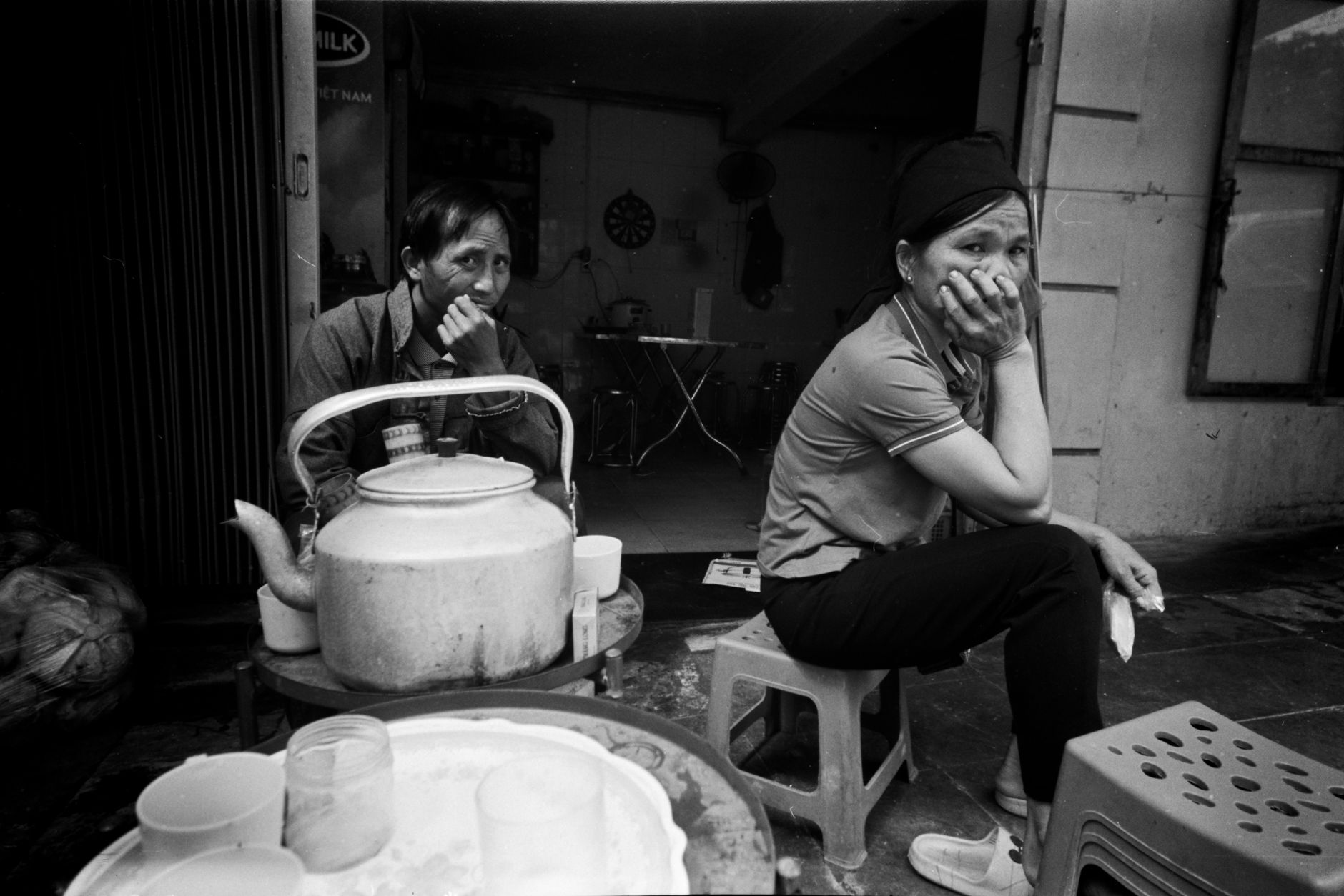
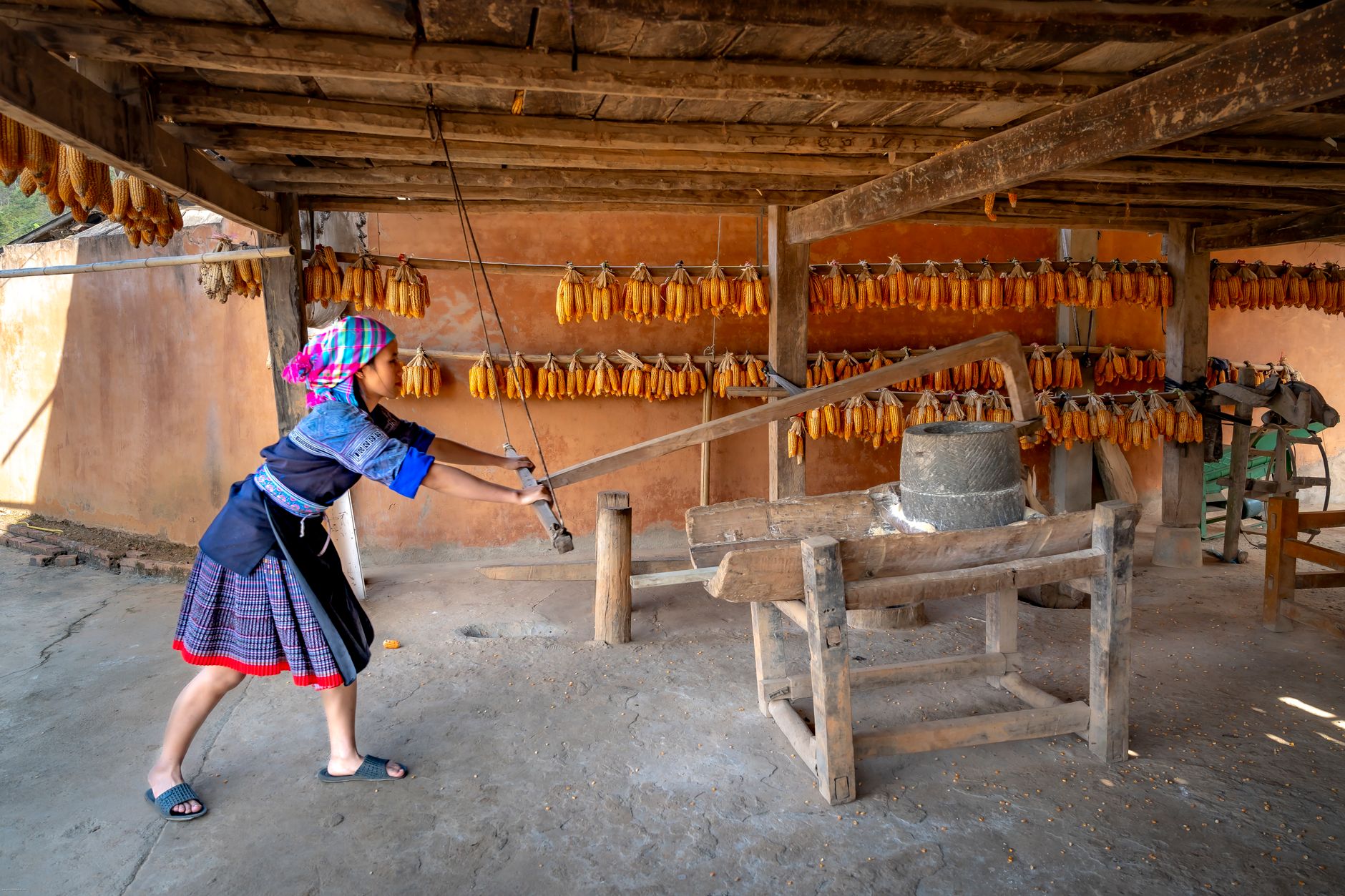
The communities around the reservoir — particularly toward Chieng Yen and Muong La — are predominantly Black Thai. Some families host informal homestays. The stilt houses here are traditional, not tourist-rebuilt, and if you time it right you might catch a local market morning. Ask at your guesthouse in Son La city for current recommendations.
Stop at Son La Prison Museum
Back in Son La city, the old French colonial prison is worth an hour. It's a sobering, well-preserved site built into the hillside, dating from the 1900s. Entry is around 20,000 VND. The large "to" tree growing through the ruins has become something of a city symbol.
Catch sunrise or sunset from the reservoir
If you're staying nearby, the light over the water in early morning or late afternoon is the best visual payoff. The east-facing viewpoints near the dam catch good morning light; for sunset, head to higher ground along the reservoir road.
Where to eat nearby
Son La city has a handful of local restaurants along the main road, but the food worth seeking is regional.
- "Com lam" — sticky rice cooked inside bamboo tubes over charcoal. You'll find it at roadside stalls heading out of town. It's usually paired with grilled pork or "thit trau gac bep" (buffalo meat smoked over a kitchen fire), a Thai specialty of the northwest.
- "Pho" in Son La tends to be a stripped-down, beefy, no-nonsense version. Try the pho stalls near the central market in the morning — bowls run 30,000-40,000 VND.
- If you're heading toward Moc Chau after, keep an eye out for fresh dairy — yogurt and milk from the Moc Chau plateau farms are genuinely good.
Where to stay
- Budget: Guesthouses ("nha nghi") in Son La city center start around 200,000-350,000 VND/night. Basic but clean. Hot water usually works.
- Mid-range: A few newer hotels on the main boulevard offer rooms for 500,000-800,000 VND with better mattresses and breakfast included.
- Homestay: If you want to stay closer to the reservoir, ask around in the Thai villages near Chieng Yen. Homestay rates are typically 150,000-250,000 VND per person including dinner and breakfast.

Photo by Tho Ta on Pexels
Practical tips locals would tell you
- Bring a jacket even in the warmer months. The reservoir creates its own microclimate and mornings are chilly.
- Fill up on fuel in Son La city. Petrol stations thin out fast once you head along the reservoir road.
- If you're on a motorbike, check your brakes before the mountain descents around Pha Din pass between Dien Bien and Son La — it's steep and long.
- The dam viewing area doesn't have a formal ticket or entrance fee as of recent visits, but security sometimes restricts access to certain areas. Be polite, don't fly drones without asking.
Common mistakes to avoid
- Treating it as a quick photo stop. The dam itself takes 30 minutes, but the reservoir road and surrounding villages deserve at least a half day.
- Skipping Son La entirely on the Hanoi-Dien Bien route. A lot of riders blast through. The area rewards slower travel.
- Not carrying cash. Card payment is essentially nonexistent outside the main hotels. ATMs exist in Son La city but not along the reservoir.
Practical notes
Thuy Dien Son La works best as part of a longer northwest loop — combine it with Mai Chau, Moc Chau, Dien Bien Phu, and possibly Lai Chau or Sapa. Give Son La province at least two nights if you want to explore beyond the dam. The northwest rewards patience, and this corner of it still feels like it belongs to the people who live here.
Last updated · May 29, 2026 · independently researched, never sponsored.