Day 1-2 — The Hanoi Foundation
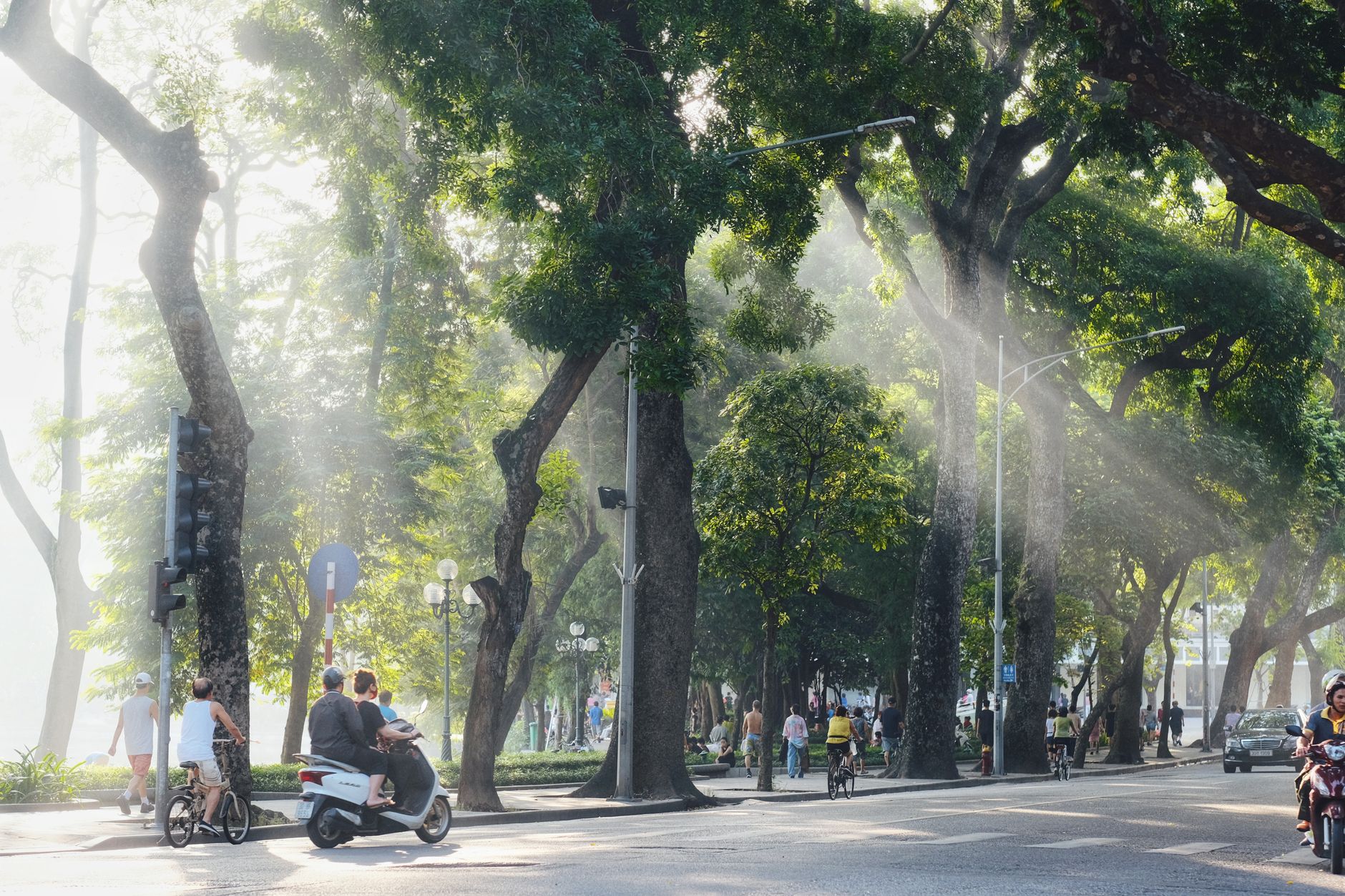
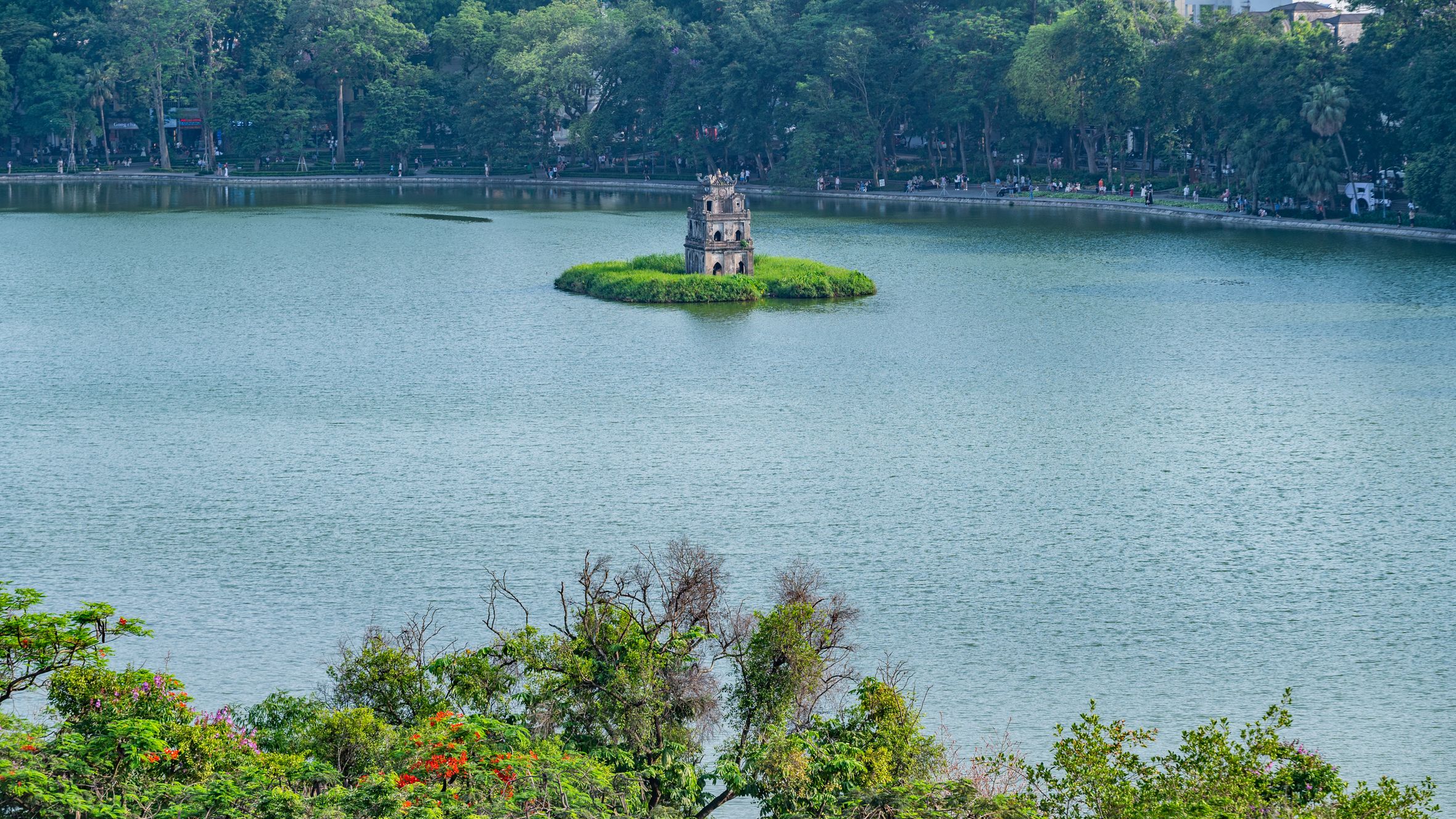
Start your journey in Hanoi, not by rushing to the sights, but by establishing your palate. Spend your first two days navigating the Old Quarter and the surrounding districts. Breakfast is non-negotiable: seek out a bowl of "pho" bo at a local stall on Bat Dan or Ly Quoc Su. By mid-morning, find a quiet corner near the "Tran Quoc Pagoda" for a "vietnamese coffee" or a thick, creamy "egg coffee".
For lunch, head to a "bun cha (분짜 / 烤肉米粉 / ブンチャー)" specialist. The smoky, charred pork patties served in a light, vinegary broth are the benchmark for northern cuisine. Spend your evenings wandering near the "Long Bien Bridge", grabbing a "bia hoi"—the local draft beer—at a street-side plastic stool. On your second day, venture to a "banh cuon" shop to watch the delicate rice rolls being steamed fresh.
Day 3 — Transit to the Highlands
Take a morning limousine van from Hanoi to Ha Giang (하장 / 河江 / ハーザン) city. The journey takes about 6 to 7 hours. Once you arrive, check into a local homestay. Dinner here is often a communal affair; expect "thang co" (a traditional horse meat stew) if you are feeling adventurous, or simple stir-fried mountain greens and sticky rice. Prices for a hearty meal in this region rarely exceed 150,000 VND per person.
Day 4-5 — The Ha Giang Plateau
Spend these two days exploring the karst landscape. Rent a car with a driver if you prefer comfort, or hire a local guide for a motorbike. Focus your stops on the local markets in Dong Van or Meo Vac. These markets are the best places to find "banh chung" (steamed rice cakes) wrapped in local leaves, often filled with black beans or pork. The food here is rugged and seasonal, relying heavily on corn and indigenous herbs.

Photo by Nguyen Ngoc Tien on Pexels
Day 6 — The Road to Cao Bang
This is a long transit day, covering roughly 200km. The road from Ha Giang to Cao Bang is winding, so prepare for a full day of travel. Stop in small villages along the way for "nem chua"—fermented pork rolls—which are a common snack in the northern provinces. Arriving in Cao Bang, you will notice a shift in the culinary landscape, with more influence from the Tay and Nung ethnic groups.
Day 7-8 — The Flavors of Cao Bang
Cao Bang is home to some of the most distinct noodle dishes in the north. You must try "banh cuon" here, but it is served differently than in Hanoi; it comes in a bowl with a rich, pork-bone broth and a soft-boiled egg. Spend your days visiting the Ban Gioc waterfall area, but prioritize the food stalls near the town center. Look for "vit quay" (roasted duck) marinated with "mac mat" leaves, a signature spice of the region that provides a unique, slightly sour, and aromatic profile.

Photo by tu nguyen on Pexels
Day 9 — Returning to Hanoi
Take the bus back to Hanoi. The trip takes about 8 hours. By the time you return to the capital, you will likely crave the variety of the city. Spend your final evening in the French Quarter or near the "Temple of Literature" for a more refined dinner. If you have room, grab a "banh mi" from a street vendor for a late-night snack.
Day 10 — Final Bites
Use your last day to revisit any dishes you missed. Perhaps a bowl of "bun thang" for a lighter, more complex chicken soup experience, or a plate of "bun rieu" with its tomato-based crab broth. Before heading to the airport, stop by a cafe for one last "ca phe sua da" to reflect on the contrast between the intense, urban flavors of Hanoi and the earthy, mountain-grown ingredients of the northern loop.
Practical notes
Travel between these provinces is best done via private car or shared limousine vans, as public buses can be unpredictable. Always carry cash in small denominations, as many mountain stalls do not accept digital payments. Pack layers; the temperature in Ha Giang and Cao Bang can drop significantly at night, even in the warmer months.
Last updated · May 30, 2026 · independently researched, never sponsored.