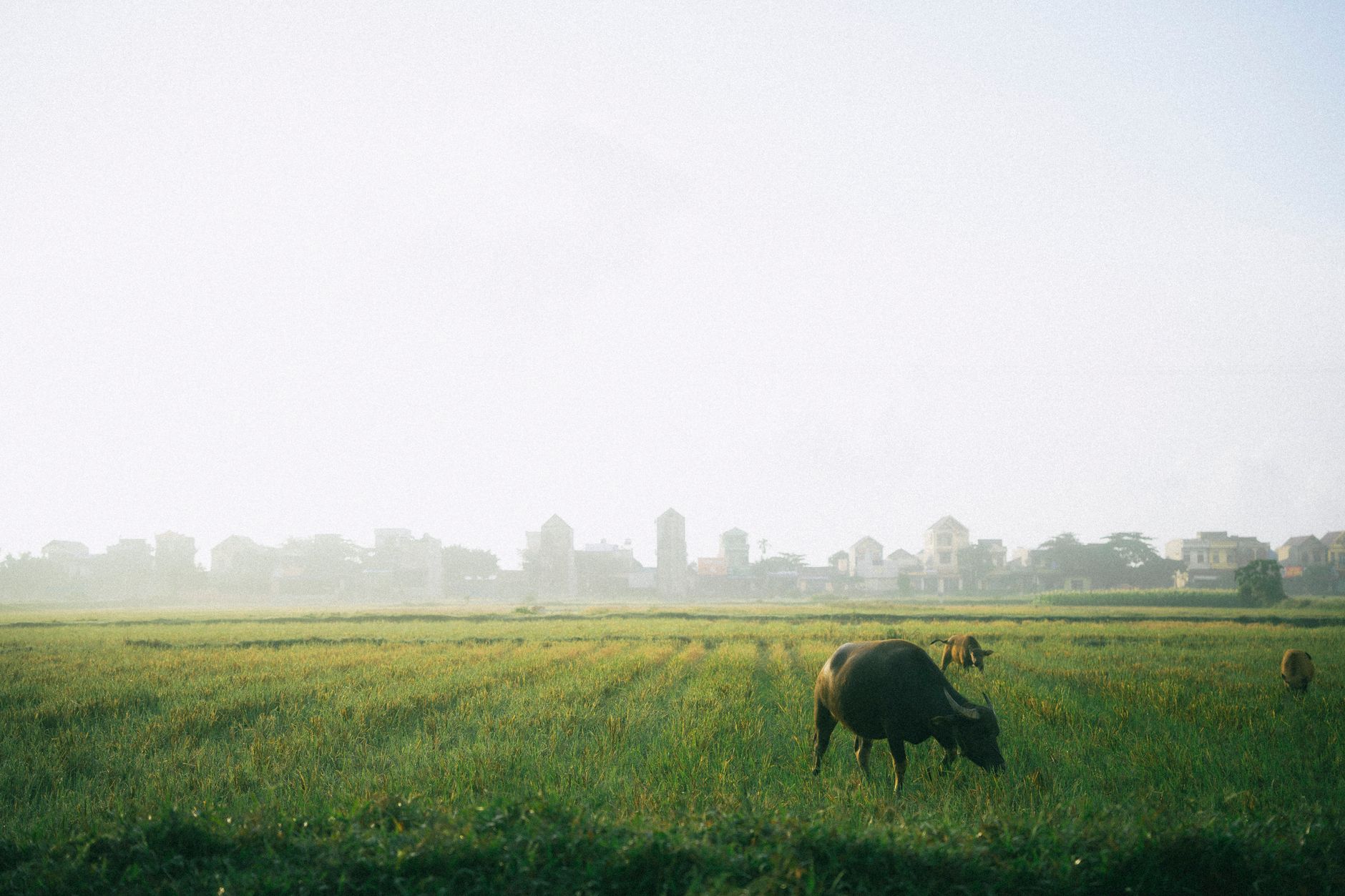
Can Tho has no shortage of morning noodle options, but "bun ken" is the one that slips past most visitors entirely. It is off the main tourist circuit, finished before the floating markets fill with day-trippers, and still deeply tied to the Khmer-Vietnamese culinary tradition of the Mekong Delta (메콩 델타 / 湄公河三角洲 / メコンデルタ).
What Bun Ken Actually Is
The bowl is built around a fish-based broth cooked with coconut milk and ground turmeric, giving it a warm yellow-orange color and a richness that sits somewhere between a Thai curry and a Vietnamese soup. The noodles are round and soft — similar to bun bo hue in thickness but more pliable. On top: flaked white fish, usually snakehead or featherback, shredded banana blossom, bean sprouts, and a handful of fresh herbs. A squeeze of lime, a few slices of fresh chili, and shrimp paste on the side to stir in as you go.
The dish has roots in Khmer cuisine from the Mekong Delta and the Cambodian border provinces. In Khmer cooking, a similar preparation is called "nom banh chok" — a fermented rice noodle dish served with fish gravy and raw vegetables. The Can Tho (껀터 / 芹苴 / カントー) version absorbed coconut milk more heavily and shifted the protein toward freshwater fish available locally. What you get is something distinctly southern Vietnamese but with a different flavor logic than "pho" or "hu tieu".
Where to Eat It
Quan Bun Ken Co Ut — 23 Nguyen Trai, Ninh Kieu
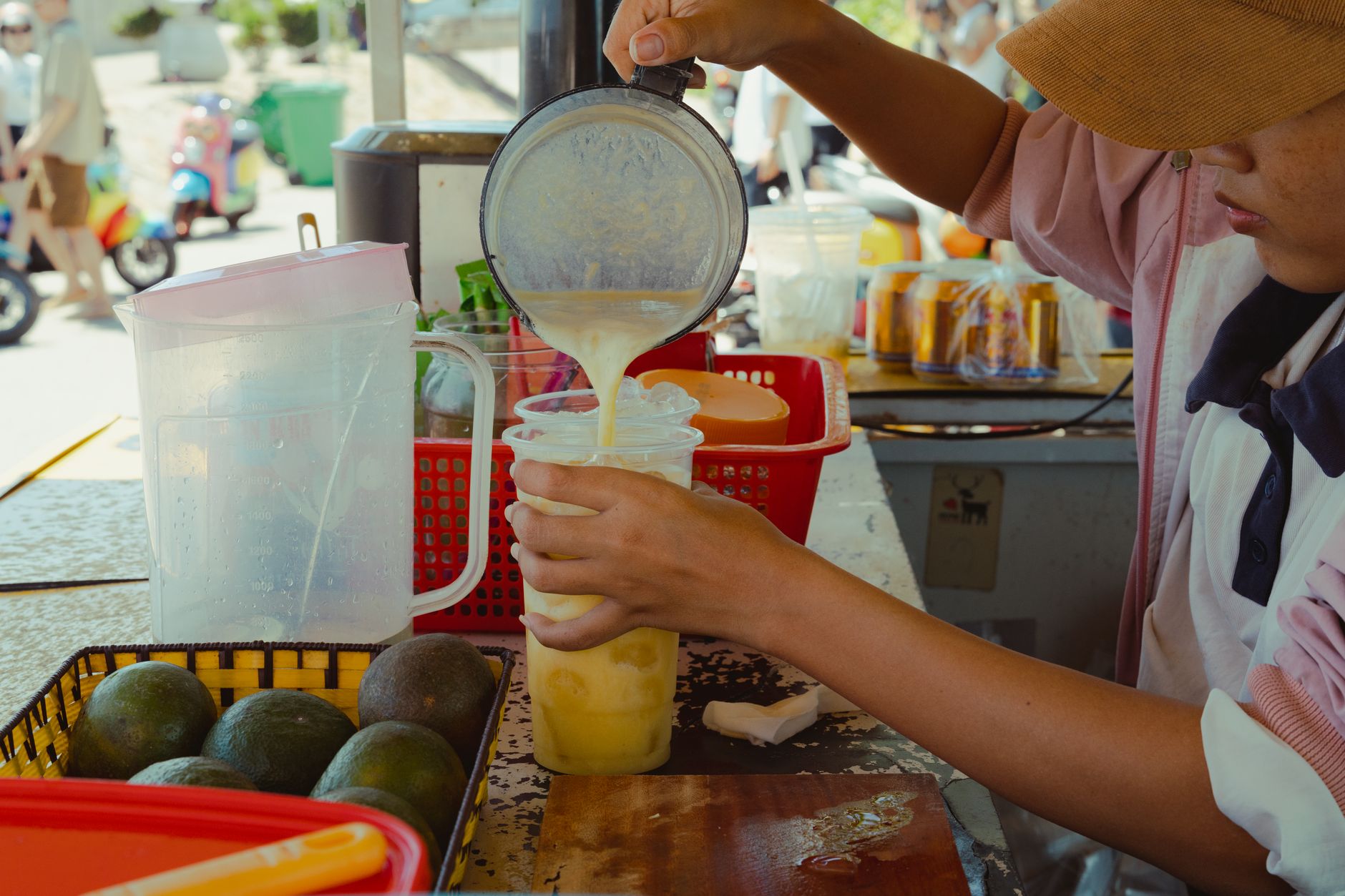
This is the stall most Can Tho locals would name first if you asked. Co Ut has been running the same setup on Nguyen Trai for over two decades — a handful of low plastic tables under a tarp, a single pot of broth kept at a low simmer, and a line that forms by 6:30am. A bowl runs 30,000–35,000 VND. She opens around 6am and sells out, consistently, by 8:30am. Come at 7am and you will get a seat. Come at 9am and you will find an empty table and a wiped-down pot.
The broth here is coconut-forward without being sweet — she balances it with mam ca (fermented fish paste) and a longer simmer on the turmeric base. The fish is always fresh, always local, and never overcooked.
Bun Ken Ba Chau — Cho Co Bac Market, An Binh Island
If you are already planning a morning on An Binh Island — worth doing even without the noodles — Ba Chau operates a small stall just inside the Cho Co Bac market entrance. Getting there requires a short ferry crossing from Cai Khe pier (5,000 VND each way). The bowl is 25,000 VND and the setting is better: you are eating beside a working market with produce boats pulling in from the river. Ba Chau's version is slightly lighter on coconut milk, more herb-heavy. Open from roughly 5:30am to 9am.

Photo by Hoàng Giang on Pexels
How to Order
Sit down, say "mot to bun ken" (one bowl of bun ken) and wait. When it arrives, add shrimp paste gradually — it is salty and pungent, and a small amount does a lot. Tear the herbs in, squeeze the lime, and eat it while the broth is still hot. The coconut milk separates slightly as the bowl cools and the texture changes.
Most stalls also offer "banh mi" on the side, which works surprisingly well for soaking up the remaining broth.

Photo by Vietnam Tri Duong Photographer on Pexels
The Window Is Narrow
This is not a dish that runs all day. Bun ken vendors in Can Tho almost universally operate as morning-only, breakfast-only operations. The broth is made fresh each day in a single batch — when it is gone, it is gone. The 6am to 9am window is not marketing; it reflects the actual supply.
If you are visiting Can Tho as part of a broader Mekong Delta itinerary and sleeping in, you will miss it. Set an alarm, skip the hotel breakfast, and get to Nguyen Trai or An Binh Island before 7:30am.
Why It Matters Beyond the Bowl
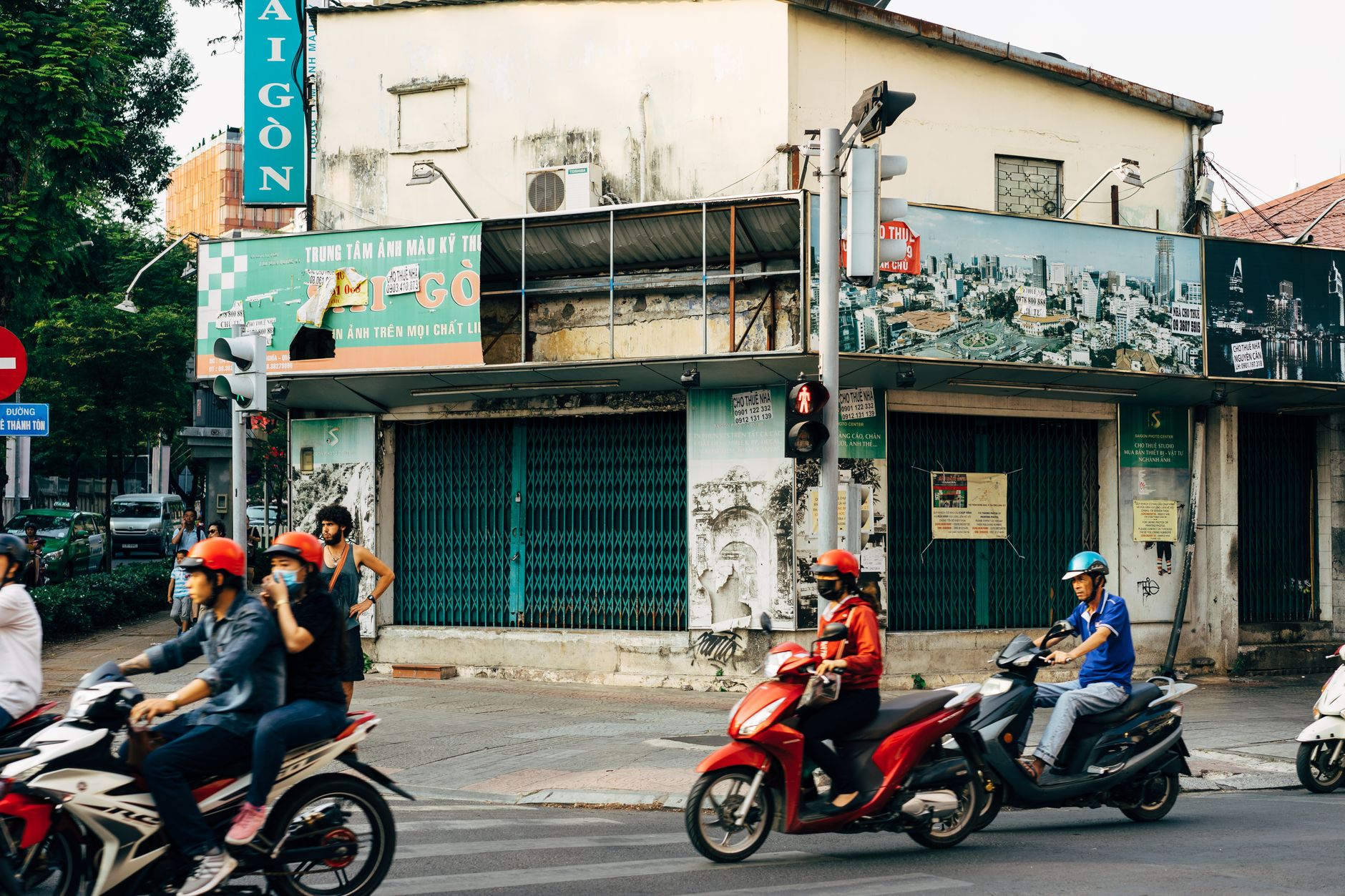
Can Tho's food identity is often flattened to floating markets and "banh xeo" for tourists. Bun ken represents something else — the Khmer-Vietnamese cultural overlap that defines the western Mekong Delta and gets almost no attention from mainstream travel coverage. Eating it at 7am at a street stall while motorbikes idle past is a more accurate picture of how the city actually starts its day than any market tour.
Practical notes: Both stalls are cash only. Parking is tight on Nguyen Trai in the early morning — leave the motorbike a block away on Ly Tu Trong. An Binh Island is accessible by ferry year-round; the crossing takes about five minutes.
Last updated · May 29, 2026 · independently researched, never sponsored.