Hai Phong doesn't wait for tourists to have breakfast. By 6am the pavements are already crowded with plastic stools, fogged-up pots, and regulars who've been coming to the same cart for twenty years. If you're passing through on the way to Cat Ba or just spending a night in the city, eating breakfast the way locals do is reason enough to set an early alarm.
The Dish Hai Phong Is Actually Famous For
Most food conversations about Hai Phong start and end with "banh mi", but the city has a stronger claim to something else: "banh da cua", a crab noodle soup built on thick, reddish-brown rice noodles and a broth loaded with fresh crab paste, tomato, and morning glory. It is the breakfast of choice for a large chunk of the city's population, and it tastes nothing like what you'd find in Hanoi or Saigon.
The noodles — banh da — are wider and denser than standard rice noodles. The crab paste gives the broth an earthy, slightly sweet depth that's hard to place at first. A standard bowl runs 35,000–50,000 VND at a street stall. Look for it on Tran Phu street or around the Ben Binh area, where several longtime vendors set up before sunrise and sell out before 8:30am.
Don't confuse this with "bun rieu", the crab-tomato soup more common in Hanoi (하노이 / 河内 / ハノイ). Banh da cua is specifically Hai Phong's version — the noodle texture alone sets it apart.
Sticky Rice Carts Before the City Moves
"Xoi" vendors appear at major intersections and market entrances starting around 5:30am. In Hai Phong, the most common versions are xoi lac (sticky rice with peanuts), xoi xeo (sticky rice with mung bean paste and fried shallots), and xoi ga (sticky rice topped with shredded poached chicken).
A portion wrapped in banana leaf or a small styrofoam box costs 15,000–25,000 VND. These carts are not permanent fixtures — they're usually a woman with a cart or a basket near Cho Sat market (the iron market) on Hoang Dieu street or along Le Loi in the early morning. If you see a small crowd of motorbike riders pulled up at a vendor, that's where you want to be.
Xoi in Hai Phong tends to be drier and less sweet than versions you'll find further south. The fried shallots on xoi xeo are done properly here — crisp, not soggy.

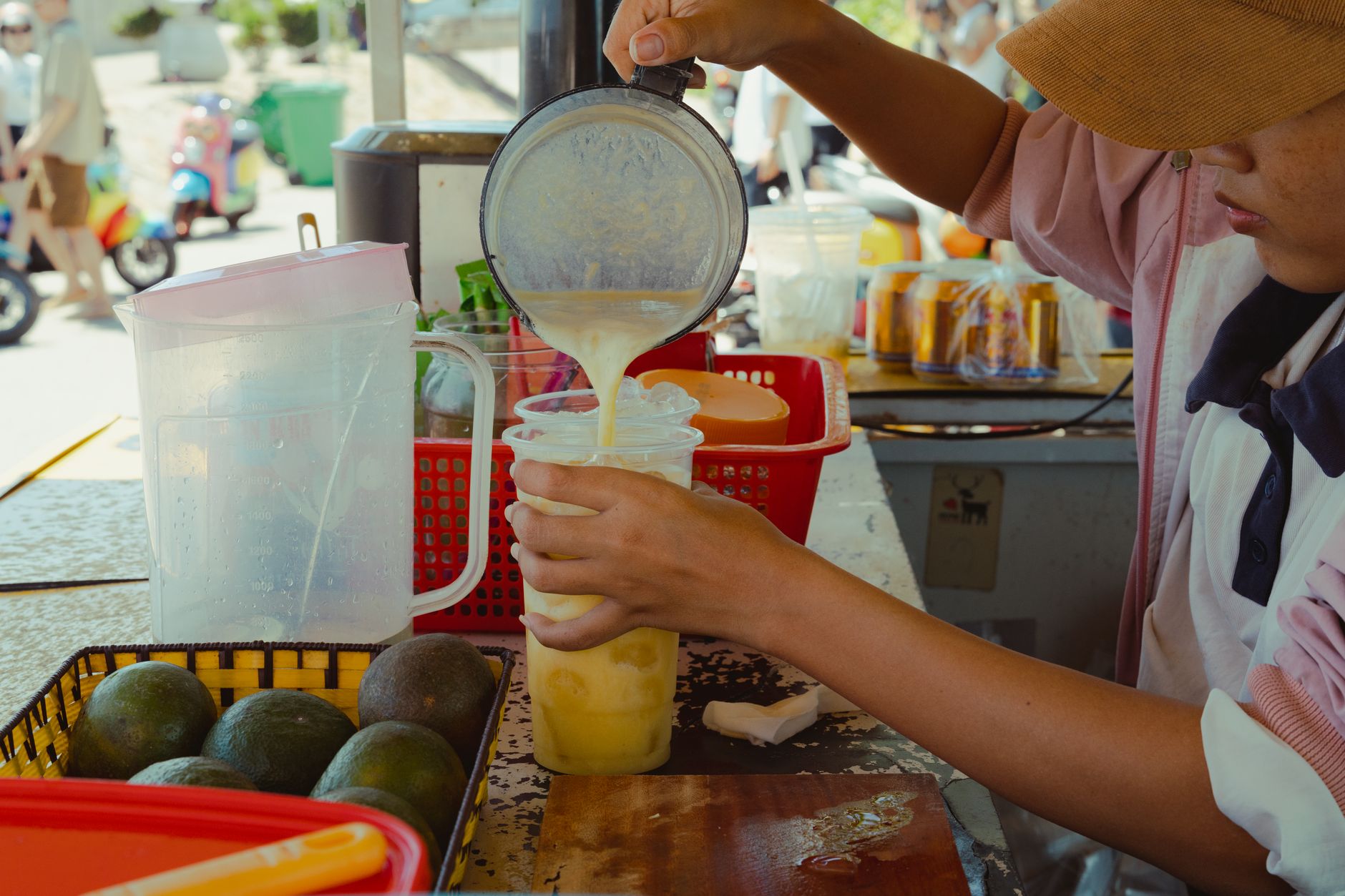
Photo by FOX ^.ᆽ.^= ∫ on Pexels
Pho and the Morning Soup Rotation
Hai Phong has its own style of "pho" that doesn't get talked about much outside the city. Locals eat it with a slightly clearer broth than the Hanoi version, often lighter on the star anise, and they sometimes add a spoonful of giấm bong (a fermented vinegar) that's essentially unique to the region.
For straightforward beef pho (쌀국수 / 越南河粉 / フォー), the stretch of Minh Khai street near the train station has a handful of stalls that have been running since the 1980s. A bowl with beef brisket and tendon is around 40,000 VND. Expect tight seating and fast turnover — no one lingers over pho in Hai Phong at 6am.
Also worth knowing: "banh canh cua" (crab thick-noodle soup) shows up on some morning menus around the Ngo Quyen district. It's a heavier option than banh da cua but shares the same crab-forward character that defines Hai Phong cooking.
Coffee: Where Locals Actually Sit
"Vietnamese coffee" in Hai Phong follows the northern model — slow-drip, strong, served with sweetened condensed milk or black. "Ca phe sua da" (iced milk coffee) is available everywhere, but the older cafes on Bach Dang and around Tam Bac lake serve coffee the way it's been served here for decades: hot, in a small glass, with no rush to leave.
The street-facing coffee stalls near Ben Binh harbor open by 5:30am and serve the fishermen and early-shift workers who need something strong before the day starts. Coffee is 15,000–20,000 VND. The harbor-side location and the early crowd make it one of the better spots to understand what this city actually feels like in the morning.
If you want something more atmospheric, look for the older-style ca phe shops around Dinh Hang Kenh — narrow rooms with wooden furniture and a clientele that's been coming since before the area gentrified.

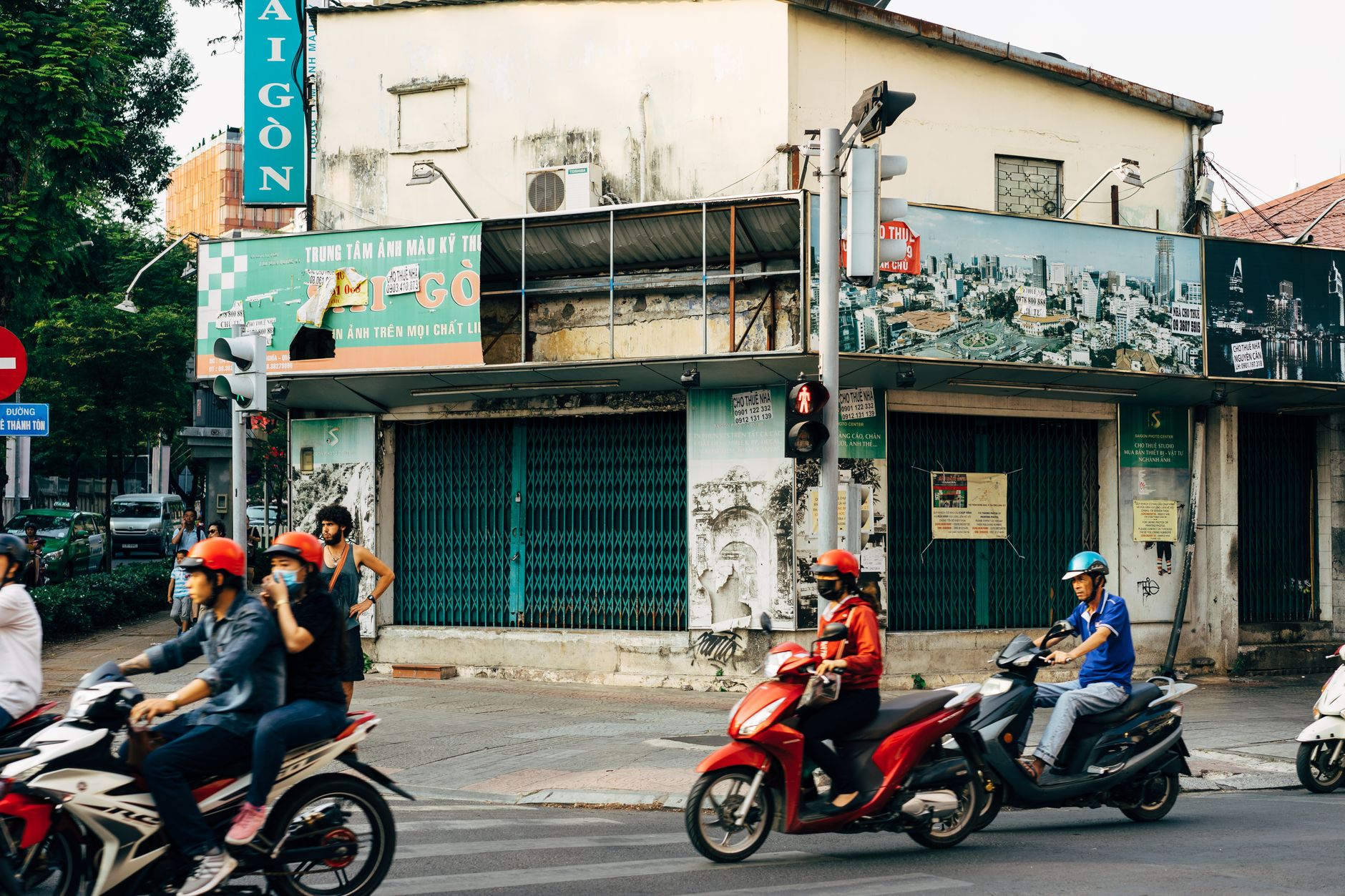
Photo by Vietnam Tri Duong Photographer on Pexels
What to Know Before You Eat
Hai Phong's best breakfast spots don't have signs in English, most don't take cards, and many are gone by 9am. The general rule: if there's a queue or a cluster of parked motorbikes outside, trust it.
Cash only is standard. Keep 20,000–50,000 VND notes on hand. Markets like Cho Sat and Cho Tam Bac are useful orientation points — vendors cluster around them in the early morning because that's where foot traffic is.
If you're in Hai Phong as a stopover, the breakfast window is genuinely the most interesting few hours in the city. The port character and the northern crab-cooking tradition combine in ways that don't exist anywhere else in Vietnam's food landscape.
Practical Notes
The morning food rush in Hai Phong peaks between 6am and 8am — arrive late and the best carts have sold out. Hai Phong is roughly 100km from Hanoi by road or rail, making it a manageable day trip, though staying the night means you can actually catch the early window. Budget 80,000–120,000 VND for a full breakfast including coffee.
Last updated · May 29, 2026 · independently researched, never sponsored.