Why Ca Mau Matters (and Why It Doesn't)
Ca Mau is at the bottom of the Mekong Delta (메콩 델타 / 湄公河三角洲 / メコンデルタ), literally the southernmost point of mainland Vietnam. The province is a sprawl of mangrove forests, narrow waterways, and aquaculture ponds. Most travellers skip it entirely, heading straight for the beach at Phu Quoc or the chaos of Can Tho. That's a mistake—but a strategic one. Ca Mau rewards patience and specific interests: if you care about birdwatching, mangrove ecosystems, or a close-up look at working fishing villages, it's worth a detour. If you want nightlife, beaches, or Instagram moments, it's not.
Top Sights
U Minh Mangrove Forest
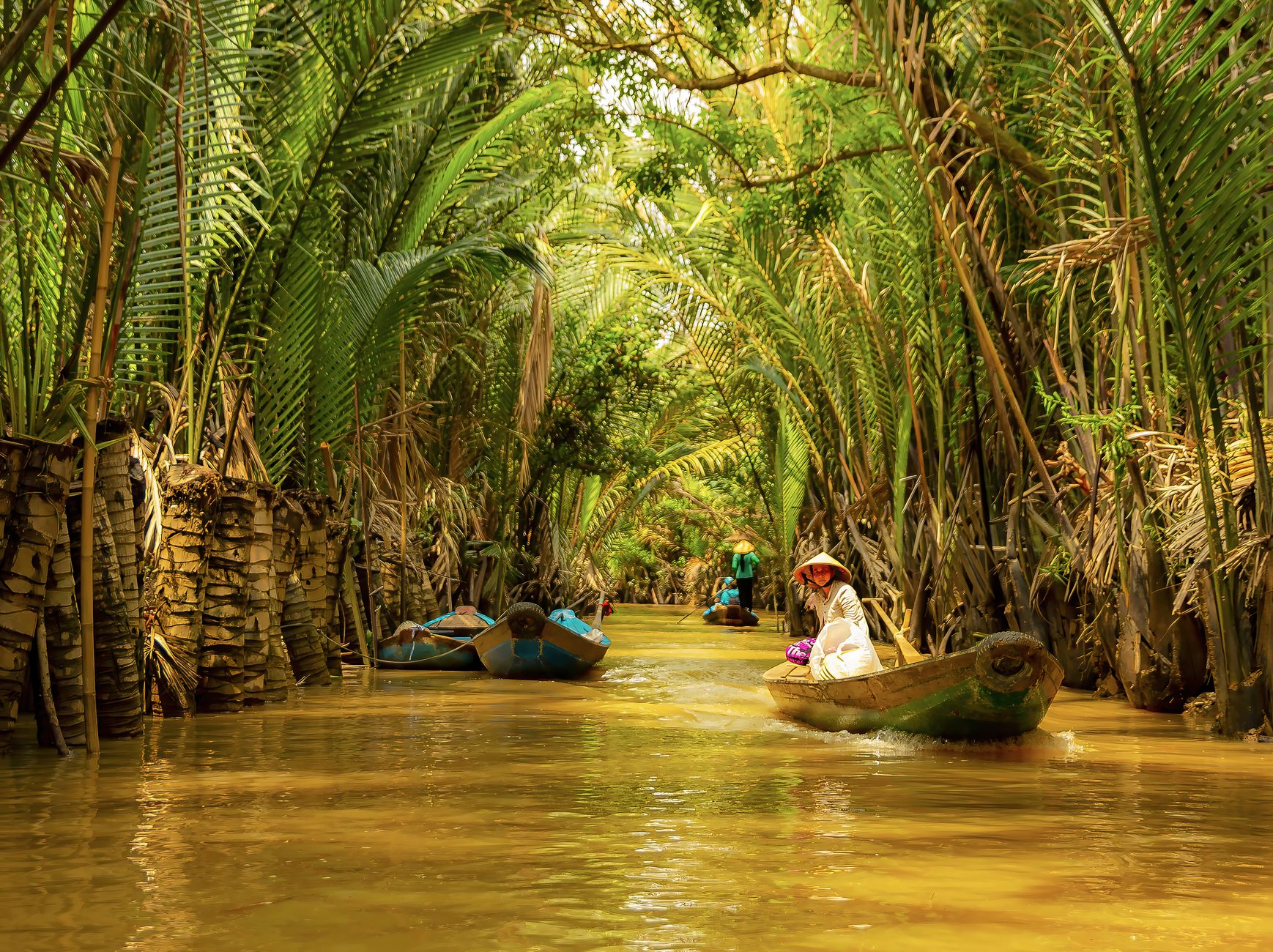
U Minh Ha (the eastern forest) is the main event. It's Vietnam (베트남 / 越南 / ベトナム)'s largest intact mangrove forest—over 40,000 hectares of twisted roots, brackish water, and herons. You can't walk it; you take a boat. Most tours depart from the U Minh Ha Eco-Lodge or local guides in the nearby town of Ngoc Hien (about 30 km north of Ca Mau city). Expect a 3–4 hour boat trip through channels just wide enough for a skiff, with occasional stops to spot birds and learn how locals trap fish and harvest crabs in the roots.
It's quieter than the Mekong's famous floating markets but harder to access. Budget 400,000–600,000 VND per person for a shared tour; private trips run double that. Go early morning for the best bird activity. Bring insect repellent and a hat—the sun reflects off the water relentlessly.
Ca Mau Cape (Mui Ca Mau)
The southernmost tip of Vietnam feels like you've arrived at the end of something. It's a sandbar peninsula where the Gulf of Thailand meets the East Sea, accessible by road about 25 km south of Ca Mau city. The landmark is a simple stone monument and a small pavilion; the real appeal is the landscape—vast, flat, and genuinely remote. Locals fish here; fishermen's houses on stilts dot the waterfront.
There are no facilities, no restaurants, no crowds. It's a 30-minute drive from the city; many visitors combine it with a visit to nearby fishing villages or a short mangrove tour. The sunset is worth the trip, though roads are rough and only passable in a motorbike or hired car.
Nui Cam (Cam Mountain)
Ca Mau is dead flat, so a small limestone hill called Nui Cam (about 10 km from the city) is a novelty. There's a temple on top, a staircase of about 100 steps, and views back over the delta. It's brief (20–30 minutes) and feels touristy compared to the mangroves, but if you're stuck in Ca Mau city and want a walk, it's serviceable. Entrance is free or a small donation.
Hidden Gems & Local Experiences
Fishing Village Homestays and Boat Tours
Small villages like Tam Giang and Dat Mun near the mangrove edge offer homestay programs where you can stay with fishing families, help with crab traps, and eat what they catch. It's less packaged than the floating markets of Can Tho. You'll work, eat simple meals (rice, fish, pickled vegetables), and sleep in basic but clean rooms. Tours usually cost 400,000–800,000 VND per person per night including meals. Email or phone ahead through local tour operators; walk-ins rarely find spots.
Tam Giang Bird Sanctuary
A lesser-known wetland reserve south of the mangroves that hosts migratory birds from November to March. It's less famous than Phu Quoc's bird-spotting circuits and attracts serious birders rather than casual tourists. Access is via local guides only; the sanctuary operates as a strict eco-project with limited visitor permits. Best for patient observers; bring binoculars and good field guides.
Ba Om Pond (Ao Ba Om) — Tidal Fish Traps
In the small town of Thoi Binh, about 15 km west of the city, local fishermen maintain traditional tidal traps called "ba om"—ingenious stone weirs and bamboo fences that funnel fish as the tides change. Visiting one is less famous than it should be. You can walk the shallow flats during low tide, see the traps up close, and chat with fishermen. No formal tour infrastructure; ask your hotel to arrange a local guide (200,000–300,000 VND) to take you and interpret.

Photo by VINVIVU ® on Pexels
Cultural & Outdoor Activities
Mangrove Kayaking
Instead of a motorized boat tour, rent a kayak or book a guided paddle through the narrower channels of U Minh. It's slower, quieter, and gives you a different relationship to the forest. Operators in Ngoc Hien or the lodge itself usually offer 2–4 hour kayak tours (500,000–900,000 VND). Better for fitness-conscious travellers; not suitable if you have mobility issues.
Crab & Shrimp Aquaculture Tours
Ca Mau is one of Vietnam's largest aquaculture zones. Several farms near the city offer morning tours where you can see how farmers manage saltwater ponds, harvest crabs and shrimp, and sometimes buy fresh catch. It's practical and unglamorous—a working look at how seafood gets to your plate. Usually free or a small tip if you purchase anything; many tours end with a small restaurant meal (150,000–300,000 VND). Ask your hotel for introductions to nearby farms.
Motorbike Tour of Backroads
Renting a motorbike and exploring the flat roads between villages, through rice paddies and aquaculture zones, is underrated. Stop at small markets, chat with locals, and feel the pace of life away from tourist centres. This only works if you're a confident rider on rough roads; hire a motorbike with a driver if you're not (500,000–800,000 VND for a half-day). Gas is negligible.
Day-Trip Ideas from Ca Mau City
U Minh & Mangrove Village Combo (Full Day)
Morning boat tour in U Minh (3–4 hours), lunch at a waterside shack near Ngoc Hien, afternoon visit to a small fishing village or fish farm. Budget 8–10 hours total; 600,000–1,000,000 VND per person including guide, boat, and lunch.
Ca Mau Cape & Fishing Village (Half to Full Day)
Drive to the cape (30 km, 45 minutes), walk around, visit a nearby fishing village (Dat Mun or Tam Giang), return by late afternoon. Easier logistically than a mangrove tour; good for those short on time. Can be done with a hired car (800,000–1,200,000 VND for the day including driver).
Can Tho Day Trip (Regional)
If you're based in Ca Mau and want a different vibe, Can Tho (about 90 km north, 2–3 hours by car) offers larger floating markets, better restaurants, and more tourism infrastructure. The drive is flat and uneventful. It's a valid escape if Ca Mau feels too quiet, but it's not a hidden gem—just a bigger, slightly busier delta town.

Photo by Long Bà Mùi on Pexels
What to Skip
Ca Mau City Centre
The city itself is functional but uninspiring—concrete buildings, traffic, a few temples and pagodas of minor architectural interest. Unless you have a specific reason (bank, administration, rest day), skip it. Most of its modest attractions are duplicated, better done, elsewhere: temples exist in every town; markets are less interesting than Hanoi's or Saigon's.
Artificial Attractions
A few tour companies have built small "eco-resorts" with swimming pools and tour packages that promise "jungle experiences." They're mediocre and overpriced; stick to real mangrove tours or homestays instead.
Long Beach Trips
Ca Mau has coastline, but the beaches are murky, lined with fishing nets, and lack the sand and clarity of Phu Quoc or Mui Ne. If beach is your goal, go elsewhere. The coast here is for fishermen, not swimmers.
Practical Notes
Ca Mau city has hotels (two-star and basic three-star, 300,000–600,000 VND/night), restaurants serving local seafood and pho, and ATMs. There's no airport; you'll arrive by bus from Can Tho (2–3 hours, 100,000–150,000 VND), Saigon (5–6 hours, 250,000–350,000 VND), or private car. English is less common than in bigger cities; learn a few Vietnamese phrases or hire a guide who speaks English. Best time to visit is November to March (cooler, dry); April to October is hot and wet. Malaria is historically present but uncommon in city areas; still, use repellent and consider prophylaxis if camping or spending nights deep in remote villages.
Last updated · May 29, 2026 · independently researched, never sponsored.