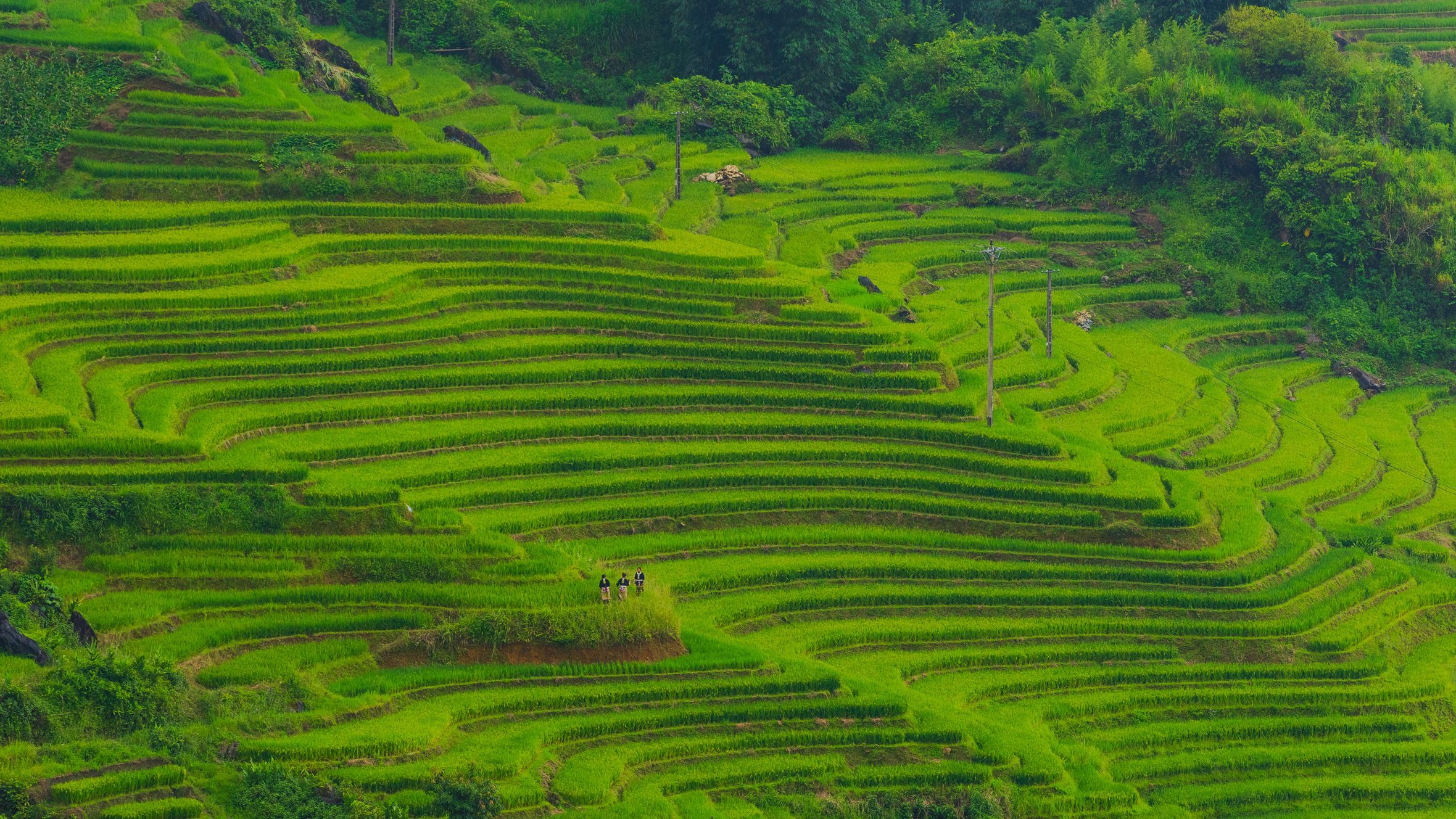
Most Saigon residents have never been to Can Gio, which is odd given that it sits inside HCMC's own city limits. UNESCO designated it a Man and Biosphere Reserve in 2000 — the first in Vietnam (베트남 / 越南 / ベトナム) — and it remains one of the largest restored mangrove ecosystems in Southeast Asia. A day trip from the city costs under 500,000 VND all-in if you're not wasteful about it.
Getting There
The standard route is self-drive or hired motorbike taxi south through Nha Be district, then a free car-and-passenger ferry across the Soai Rap River. The crossing takes about 10 minutes and runs frequently from roughly 4:00 to 22:30. From the ferry landing, the reserve entrance at Vam Sat is roughly 25 km further southeast. Total distance from central Saigon (사이공 / 西贡 / サイゴン): around 60 km.
If you don't ride, a handful of tour operators run minibus day trips from District 1 for 350,000–500,000 VND per person including ferry, entry, and a guide. These usually depart by 7:30 and return by 17:00. Solo travelers should book one of these rather than wrestling with the logistics; the roads past the ferry are confusing the first time.
A Grab car to Can Gio town runs 400,000–600,000 VND one way and some drivers will wait for you at a negotiated full-day rate around 1,000,000–1,200,000 VND, which is worth considering if there are two or three of you splitting the cost.
Vam Sat Eco-Park
Vam Sat is the main entry point for the reserve and covers around 1,600 hectares of dense mangrove channels. Entry is 60,000 VND per person. Inside, you hire a flat-bottomed boat — typically 200,000–250,000 VND for up to six people — to push through the narrow waterways under an almost complete canopy of Rhizophora and Avicennia trees. The light filtering through the aerial roots at mid-morning is worth the early start.
The park also has a bat cave (actually a grove of mangroves hosting an enormous bat colony that takes flight around dusk), a crocodile enclosure, and elevated walkways through the canopy. None of it is particularly polished, which is part of the appeal. You're not walking through a zoo — the ecosystem is real and actively managed for conservation.
Monkey Island
Locally called Dao Khi, Monkey Island sits about 3 km from Vam Sat and is accessible by boat for an additional 150,000–200,000 VND. The macaques here are wild but thoroughly habituated to tourists, which means they will absolutely grab food out of your hand or bag if you give them the chance. Keep backpacks zipped. The island itself is scrubby and not especially scenic, but watching several hundred macaques doing their own thing in the trees is genuinely entertaining for 30–40 minutes.
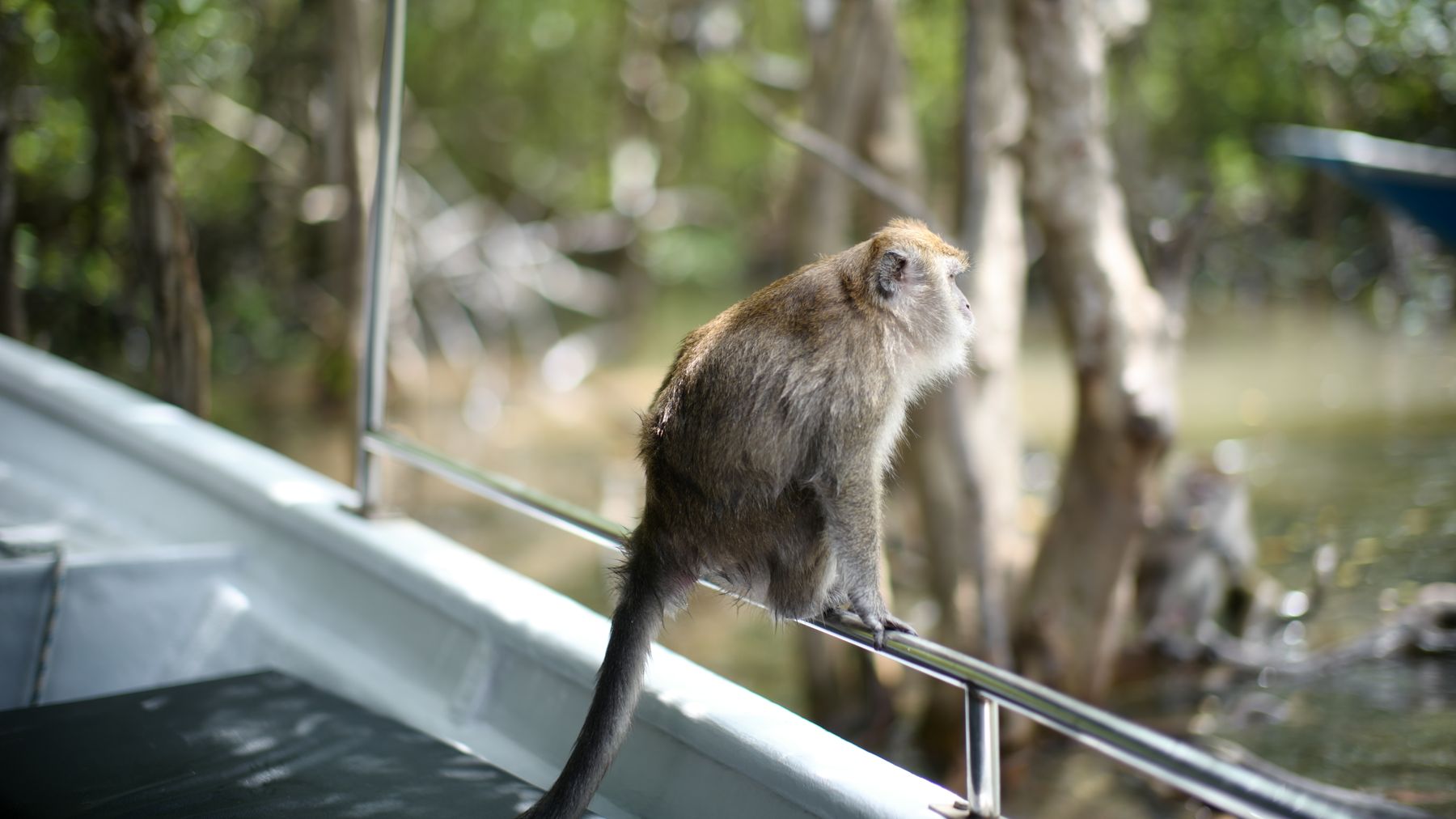
Photo by irwan zahuri on Pexels
War History at Rung Sac
Can Gio's mangroves were almost entirely destroyed during the war — Agent Orange defoliation and bombing reduced the forest to roughly 10% of its original cover. The replanting effort since the late 1970s is what makes the place remarkable: what you see today is largely the result of 40 years of ecological restoration. A small war remnants site near the reserve commemorates the Rung Sac Special Forces unit that operated out of the mangroves. It's modest — a few preserved bunkers and a monument — but adds real context to the landscape around you. Entry is nominal, around 20,000 VND.
Can Gio Town
The main settlement, Can Gio town, is about 15 km from Vam Sat along the coast. It has a decent seafood strip along the waterfront where a meal of grilled clams, steamed crab, and rice runs 150,000–250,000 VND per person depending on portions and season. The squid here — dried, then grilled over charcoal — is worth picking up as a bag snack for the drive back. There are no notable hotels worth staying in unless you specifically want a two-day trip, and most visitors return to Saigon the same day.

Photo by Long Bà Mùi on Pexels
Best Season
November through April is the dry season and the obvious choice: lower humidity, no rain delays, clearer water on the boat tours. May through October is wetter and the boat channels can look murkier, but visitor numbers drop significantly and the forest itself is lush. Avoid weekends and Vietnamese public holidays including Tet if you prefer a quieter experience — Can Gio is popular with local families, and Monkey Island in particular gets crowded.
What It Costs
Budget roughly 400,000–600,000 VND per person for a self-organized day trip covering transport, ferry, Vam Sat entry, boat hire, Monkey Island, lunch, and incidentals. A guided minibus tour comes in at a similar or slightly higher price but removes all logistical friction. Neither is expensive by any measure.
Practical Notes
Bring sunscreen and insect repellent — the mangrove channels breed mosquitoes, especially in the wet season. Can Gio has almost no ATMs reliably stocked, so carry cash from Saigon. The free ferry runs all day but queues can stretch 20–30 minutes on weekend mornings, so an early departure from the city (before 7:00) makes the whole trip more comfortable.
Last updated · May 26, 2026 · independently researched, never sponsored.








