Tra Vinh's Khmer community makes "com dep" once a year, and if you miss the season you wait another twelve months. It is one of those foods that barely travels — it softens fast, absorbs everything around it, and tastes best within hours of being made.
What Com Dep Actually Is
The name means flat rice. Young glutinous grains — harvested before they fully harden — are dry-roasted in a clay pot, then pounded in a stone or wooden mortar until each grain flattens into a thin, slightly chewy wafer. The green colour comes from the grain itself: immature rice still holds chlorophyll, and good com dep has a pale jade tint that fades to yellow-green as it dries.
This is not the same thing as "com" from the north. Hanoi's com — sold wrapped in lotus leaves around West Lake — comes from the same young glutinous rice idea, but the processing differs. Northern com is softer, more fragrant, often eaten straight or pressed into sticky cakes. Com dep from Tra Vinh is drier, flatter, slightly toasted, and built to be eaten with wet, fatty accompaniments that soften it back into something yielding.
The Ok Om Bok Connection
"Ok Om Bok" — the Khmer Moon-Worshipping Festival — falls on the fifteenth day of the tenth month of the Khmer lunar calendar, usually in November by the Gregorian calendar. It is the main harvest festival for the Khmer Krom community concentrated in Tra Vinh and Soc Trang provinces.
Com dep is the central ritual food of Ok Om Bok. Families prepare it at home and bring it to the pagoda as an offering to the moon. Children eat it while elders pray for rain, good harvests, and the well-being of the community. By morning the ritual portions are gone, and the rest gets eaten at home over the following day or two.
Outside of this festival window — roughly two to three weeks around the November full moon — fresh com dep is genuinely hard to find. Some families make small batches for Khmer New Year in April ("Chol Chnam Thmay"), but the November harvest batch is the main event.

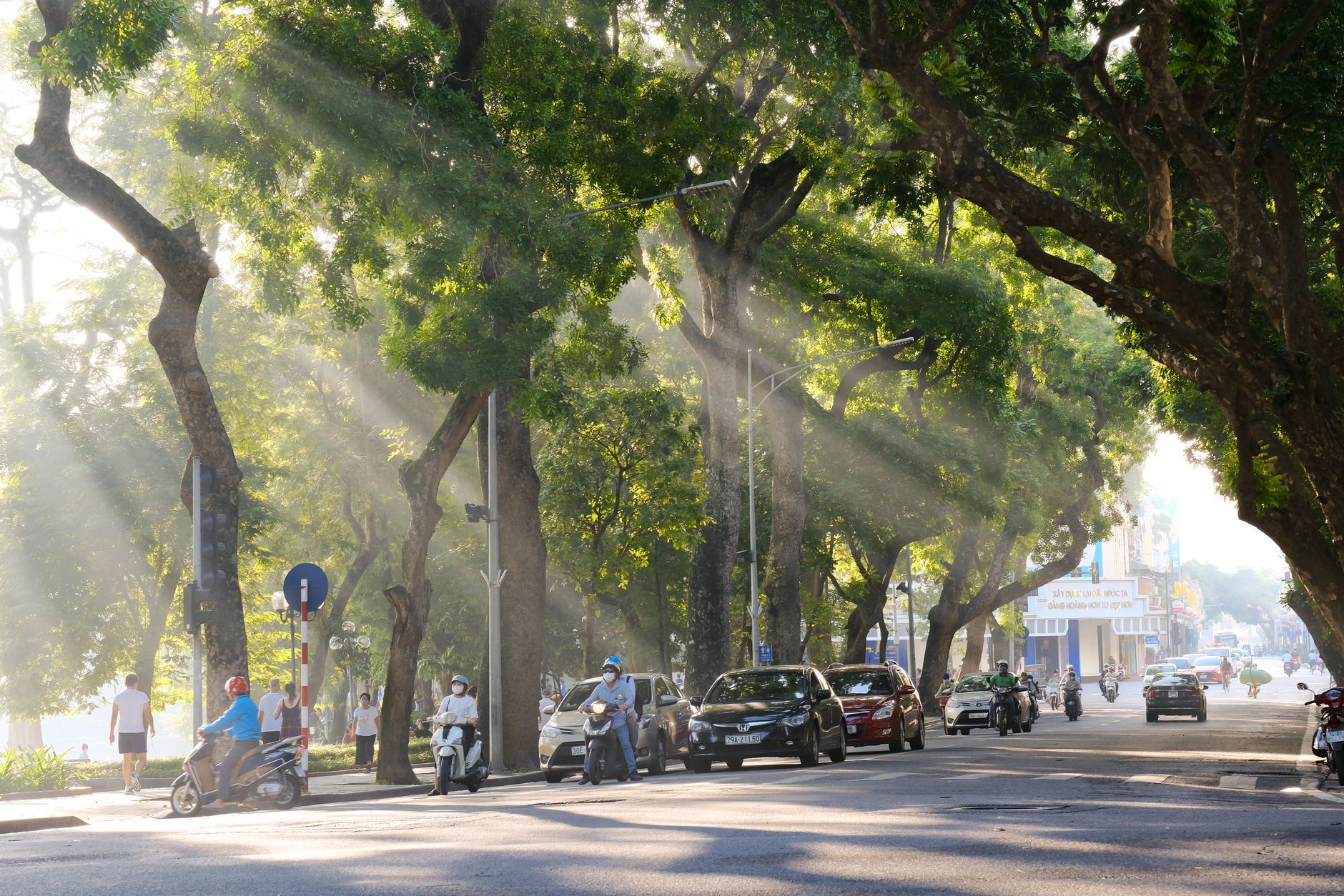
Photo by Vietnam Tri Duong Photographer on Pexels
How to Eat It
The standard pairing is fresh-grated coconut and ripe banana. The coconut adds fat and sweetness that the plain grain needs; the banana — usually the short, starchy "chuoi su" variety common in the south — gives it body. You mix a small handful of com dep with a spoonful of coconut, press a slice of banana against it, and eat in one go.
Some households add a drizzle of coconut milk reduced with a pinch of salt. Others use "nuoc duong thot not" — palm sugar syrup from the sugar palm trees that line Tra Vinh's roads — which has a mild caramel flavour noticeably different from cane sugar.
Do not expect a complex dish. Com dep is humble food: three or four ingredients, no heat, eaten at a low table. The pleasure is textural — the slight resistance of the flattened grain giving way against the fat of the coconut.
Where to Find It in Tra Vinh
During Ok Om Bok, the market stalls around Ang Pagoda (Chua Hang) and along Nguyen Thi Minh Khai street in Tra Vinh city sell fresh com dep by the bag. Prices run around 30,000–50,000 VND per 200g bag depending on quality and how early in the day you arrive. The first-pressed bags, still warm from pounding, go fastest.
Khmer villages in Chau Thanh and Tieu Can districts — both within 20–30 km of Tra Vinh city — are where most of the production actually happens. If you have a motorbike and arrive during festival week, following the smell of roasting rice in a village is not a bad strategy. Families selling from home will often have fresher stock than the town market.
Outside festival season, vacuum-sealed com dep appears in some specialty food shops in Tra Vinh and occasionally in Saigon's Ben Thanh Market area, but the texture suffers. The puffed-grain packaged versions sold as snacks year-round are a different product entirely — crunchier, drier, more like a rice cracker.

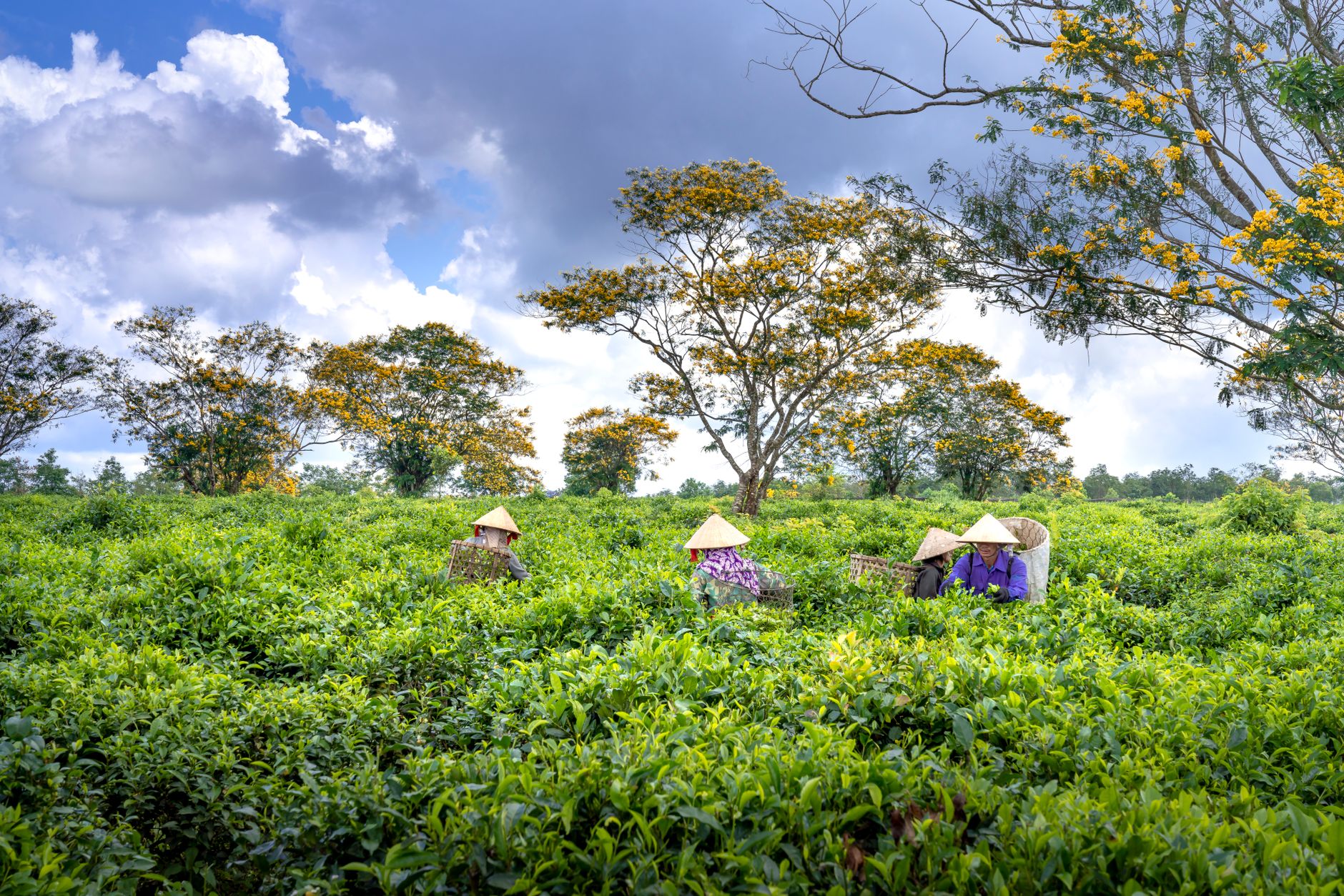
Photo by Nguyen Truong Khang on Pexels
Getting to Tra Vinh
Tra Vinh sits roughly 130 km from Saigon (사이공 / 西贡 / サイゴン). The most direct route goes via Vinh Long — either by bus from Mien Tay Bus Station in Saigon (around 3.5 hours, 100,000–130,000 VND) or by private car. There is no train. During Ok Om Bok the province gets genuinely busy with domestic visitors, so booking accommodation a few days in advance in Tra Vinh city is sensible. The festival itself centres on the Binh Long and Cung Hau stretches of the Co Chien River, where boat races run for two days.
Practical Notes
Com dep does not keep well — eat it the day it is made, or the next morning at the latest. If you are buying to bring home, the vacuum-sealed bags from specialty shops last a few weeks but are a lesser version of the real thing. Travel in November if you want the festival context; April works if you want Chol Chnam Thmay and a quieter province.
Last updated · May 26, 2026 · independently researched, never sponsored.