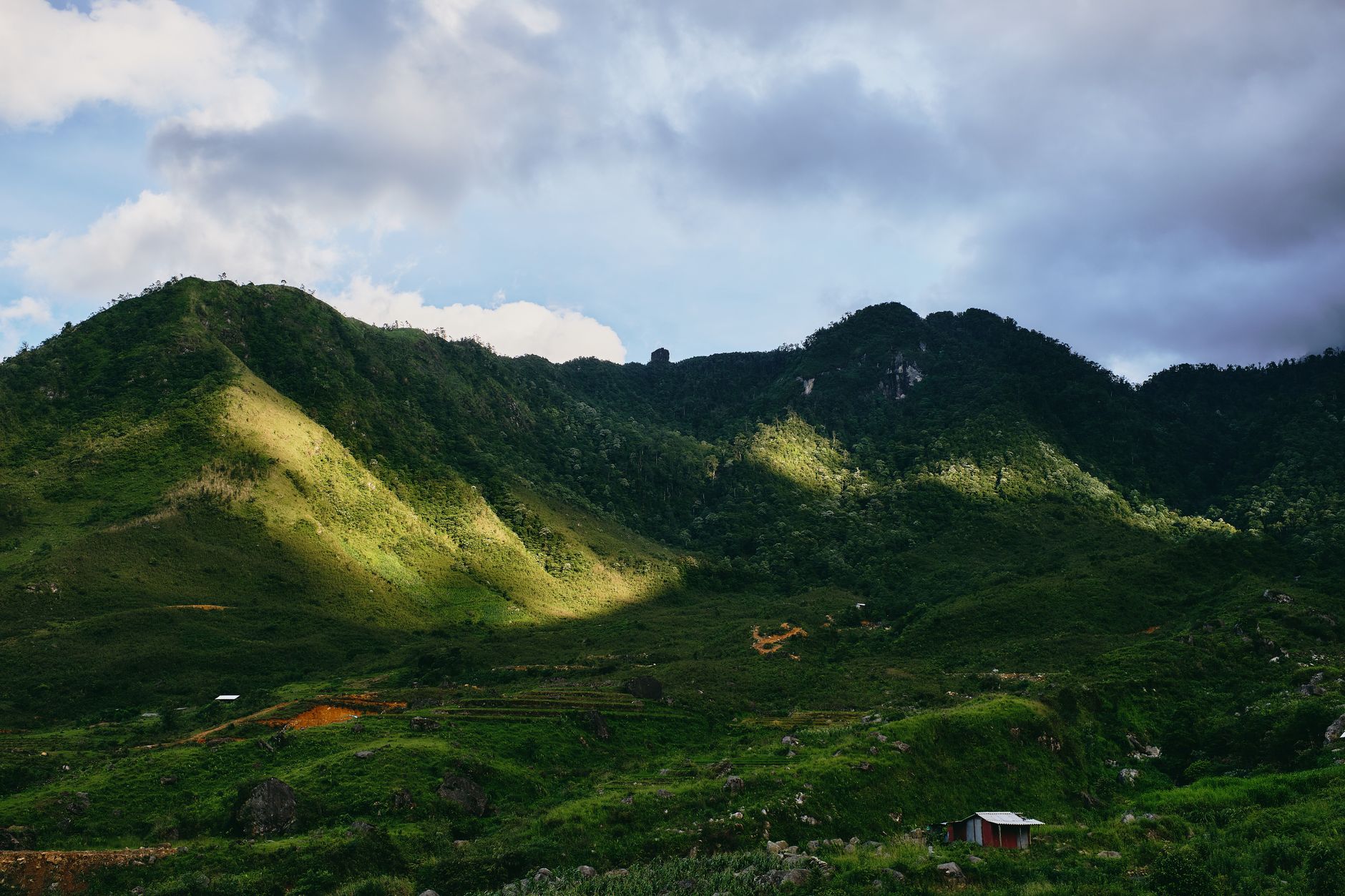
Tua Chua district sits about 1,500 meters above sea level in Dien Bien province, and its limestone karst plateau is one of those places in northern Vietnam (베트남 / 越南 / ベトナム) that rewards the effort it takes to reach. The landscape is raw — grey rock fields interrupted by corn terraces, H'Mong villages built into cliff edges, and roads that demand your full attention. It's not a resort destination. It's the kind of place you go when you want to see a part of Vietnam that hasn't been smoothed out for visitors.
What it is
Cao Nguyen Da Tua Chua (Tua Chua Stone Plateau) is a high-altitude karst region in the northwest corner of Vietnam, roughly 60 km northeast of Dien Bien Phu city. The plateau belongs to the same geological family as the more famous Dong Van Karst Plateau in Ha Giang, though it sees a fraction of the visitors. The terrain is defined by sharp limestone outcrops — some formations standing 15-20 meters tall — scattered across rolling highlands where ethnic H'Mong, Thai, and Kho Mu communities have farmed for generations.
The area was recognized as part of the broader northwestern highland geological heritage zone, and local authorities have slowly improved road access over the past decade. But "improved" is relative. This is still deep northwest Vietnam, and that's exactly the point.
Why travelers go
Most people who end up in Tua Chua are motorbike travelers doing a loop through the northwest — Hanoi to Son La to Dien Bien Phu to Lai Chau and back, or some variation. Tua Chua is a detour off that main circuit, and the detour filters out the casual crowd. What you get is genuine quiet: stone fields with no guardrails, village markets where you're the only foreigner, and mountain passes where the only traffic is a guy hauling firewood on a Honda Win.
Photographers come for the rock formations and terraced fields. Trekkers come for the valley trails around Tua Chua town and Sin Chai village. And some people come just because they looked at a map, saw a road that squiggled through the mountains, and couldn't resist.
Best time to visit
The sweet spot is September through November. Rice terraces are green or golden (depending on harvest timing), the rain has tapered off enough to keep roads passable, and temperatures hover around 18-24°C during the day. Mornings can drop to 10°C, so bring a layer.
March to May is the second window — dry, clear skies, and peach blossoms in the villages early in the season. The stone fields look their most dramatic under harsh spring light.
Avoid June through August if you're on a motorbike. Landslides are common on the mountain roads, fog reduces visibility to near zero on some passes, and river crossings can be unpredictable.

Photo by Quang Nguyen Vinh on Pexels
How to get there
The gateway is Dien Bien Phu city. From Hanoi (하노이 / 河内 / ハノイ), you have two realistic options:
- Flight: Vietnam Airlines operates daily Hanoi–Dien Bien Phu flights (about 1 hour, 800,000–1,500,000 VND one way depending on booking window). The airport is small and right outside town.
- Bus: Sleeper buses from My Dinh station in Hanoi run overnight to Dien Bien Phu (10-12 hours, 350,000–450,000 VND). Not glamorous, but it works.
From Dien Bien Phu city to Tua Chua town, it's roughly 60 km on National Road 12 and then provincial roads — about 2 to 2.5 hours by motorbike, longer if you stop (you will stop). The road climbs steadily and has some tight switchbacks. You can rent a motorbike in Dien Bien Phu for 150,000–200,000 VND per day. There's no regular public bus to Tua Chua that's practical for tourists, so a motorbike or hired car with driver (around 1,200,000–1,500,000 VND for a day trip) is the way.
What to do
Walk the stone fields at Tua Chua town
The karst formations are concentrated around Tua Chua town center and stretch toward Sin Chai and Ta Phin Ho communes. No ticket, no entrance gate — just park and walk. The rocks are sharp, so wear proper shoes, not sandals.
Visit Sin Chai village
About 8 km from Tua Chua town, Sin Chai is a H'Mong settlement perched on a ridge. The village is known for traditional hemp weaving and indigo-dyed textiles. If you visit on a non-market day, you'll likely find women working looms outside their homes. Be respectful — ask before photographing, and buy something small if you've spent time watching.
Ride the Ta Sin Thang pass
The road from Tua Chua toward Ta Sin Thang commune is one of the better mountain drives in Dien Bien province. It's about 20 km of curves with views down into deep valleys. Not technically difficult, but don't rush it.
Catch a local market
Tua Chua's weekly market (Sunday mornings) draws H'Mong, Thai, and Kho Mu traders from surrounding villages. It's a livestock-and-produce market, not a souvenir market. Expect pigs, chickens, medicinal herbs, and "thang co" — a sour organ meat stew that's the signature dish of highland markets across the northwest.
Explore Hua Pe and Pa Ham caves
Two limestone caves within 15 km of town. Neither is developed with walkways or lighting — bring a headlamp and expect to scramble. Ask locals for current access; trails shift after rainy seasons.
Where to eat
Restaurant options in Tua Chua are limited to a handful of "com binh dan" (everyday rice) shops along the main road in town. Meals run 30,000–50,000 VND.
Two things worth seeking:
- Thang co: the northwestern highland stew made from horse or buffalo organs, slow-cooked with cardamom, ginger, and local herbs. It's an acquired taste — sour, gamey, rich. Best tried at the Sunday market.
- Com lam: sticky rice cooked inside bamboo tubes over charcoal. Common in Thai villages around the district. Some roadside stalls sell it for 10,000–15,000 VND per tube.
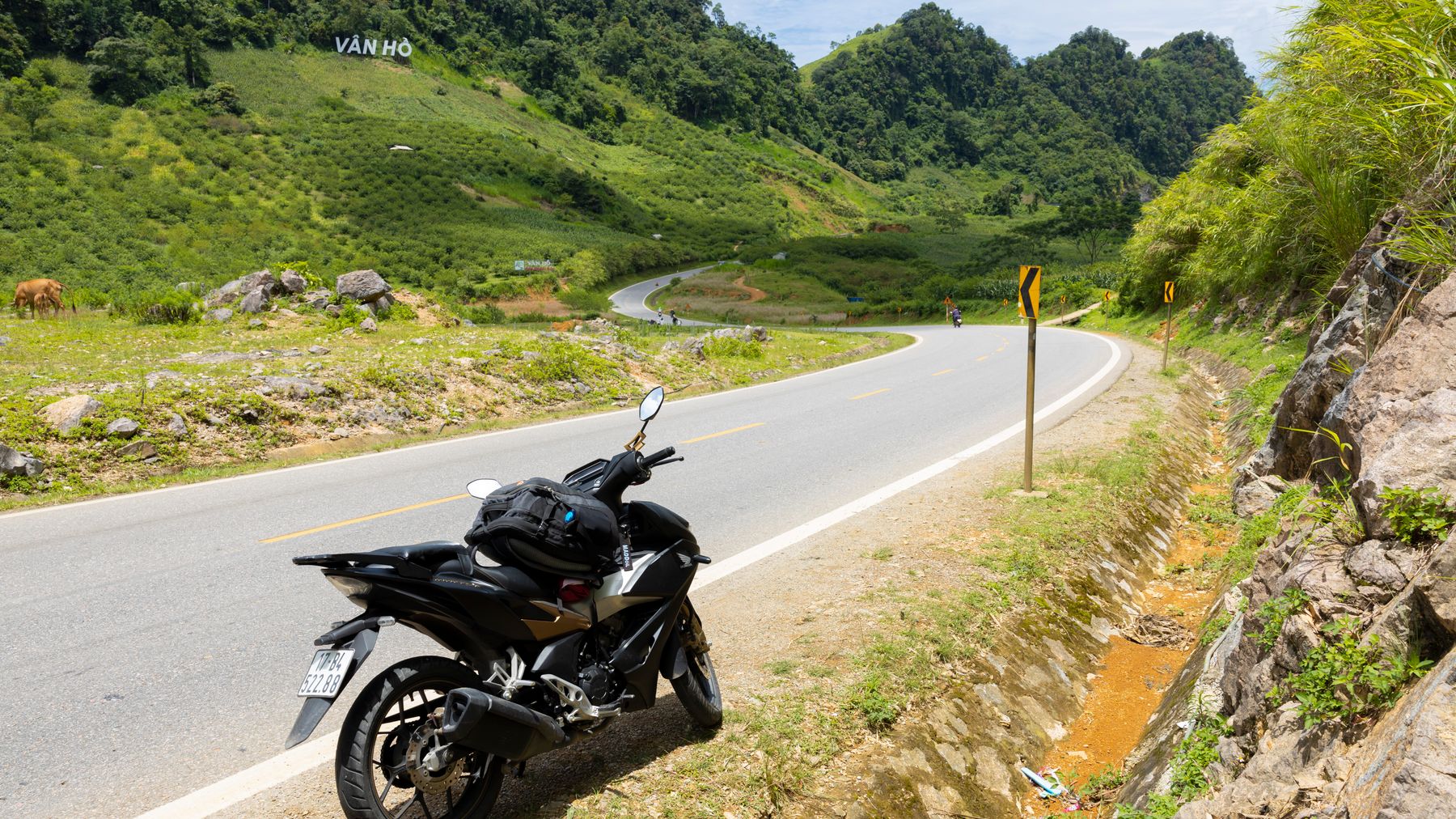
Photo by HONG SON on Pexels
Where to stay
Tua Chua town has a few basic guesthouses ("nha nghi") in the 150,000–300,000 VND range. Expect a bed, a fan or space heater depending on season, and hot water that works most of the time. No hotels with English-speaking staff.
Some travelers stay in Dien Bien Phu city (where you'll find proper hotels from 400,000–800,000 VND) and do Tua Chua as a long day trip. That works, but you'll miss the early morning light on the plateau, which is when the stone fields look their best.
Homestays in Sin Chai or nearby villages are occasionally possible — ask around in Tua Chua town, or contact Dien Bien tourism offices before your trip.
Practical tips
- Fuel up in Dien Bien Phu. There's a gas station in Tua Chua town, but don't count on it having fuel. Fill your tank before you leave the city.
- Cash only. No ATMs in Tua Chua district. Bring enough VND from Dien Bien Phu.
- Phone signal is patchy outside town. Viettel has the best coverage in the northwest; if you're picking up a SIM card in Hanoi, go with Viettel for this region.
- Language barrier is real. Almost no English spoken. Download Vietnamese phrases offline or use a translation app. Pointing and smiling gets you far.
Common mistakes
- Underestimating the road: 60 km sounds short, but mountain roads in Dien Bien province are slow. Don't start the ride at 3 PM thinking you'll make it before dark.
- Packing light on layers: The plateau is noticeably colder than Dien Bien Phu city, especially in the mornings from October onward. A packable down jacket earns its space.
- Expecting Ha Giang-level infrastructure: Tua Chua doesn't have the hostels, cafes, or motorbike rental shops that Ha Giang has developed. Plan accordingly — this is self-sufficient travel.
- Skipping the market: If your schedule allows, time your visit to catch the Sunday market. It's the single best window into daily life on the plateau.
Last updated · May 29, 2026 · independently researched, never sponsored.