Cao Bang is a small city. If you come here, you're likely heading to Ban Gioc waterfall or exploring karst limestone valleys — not for nightlife or urban tourism. That shapes where you should stay: near the city center for convenience and transport connections, or near the waterfall for proximity to the main attraction.
City Center (Nguyen Hue, Ngo Quyen)
The heart of Cao Bang sits around Nguyen Hue Street, running north-south through town. This is where you'll find most guesthouses, the bus station access, restaurants, and shops. It's a 2 km strip; nothing is far.
Why stay here: you can walk to food stalls, book tours to Ban Gioc, arrange onward transport to Ha Giang or Lang Son easily. Guesthouses are cheaper because supply is higher. The street has a low-key energy — fewer tourists than Sapa or Hanoi, but not abandoned.
What to expect: concrete facades, modest rooms, fans or basic AC, squat or sit toilets (improving). Many guesthouses are family-run. WiFi is standard now. Noise from street vendors at dawn is normal.
Ban Gioc Area
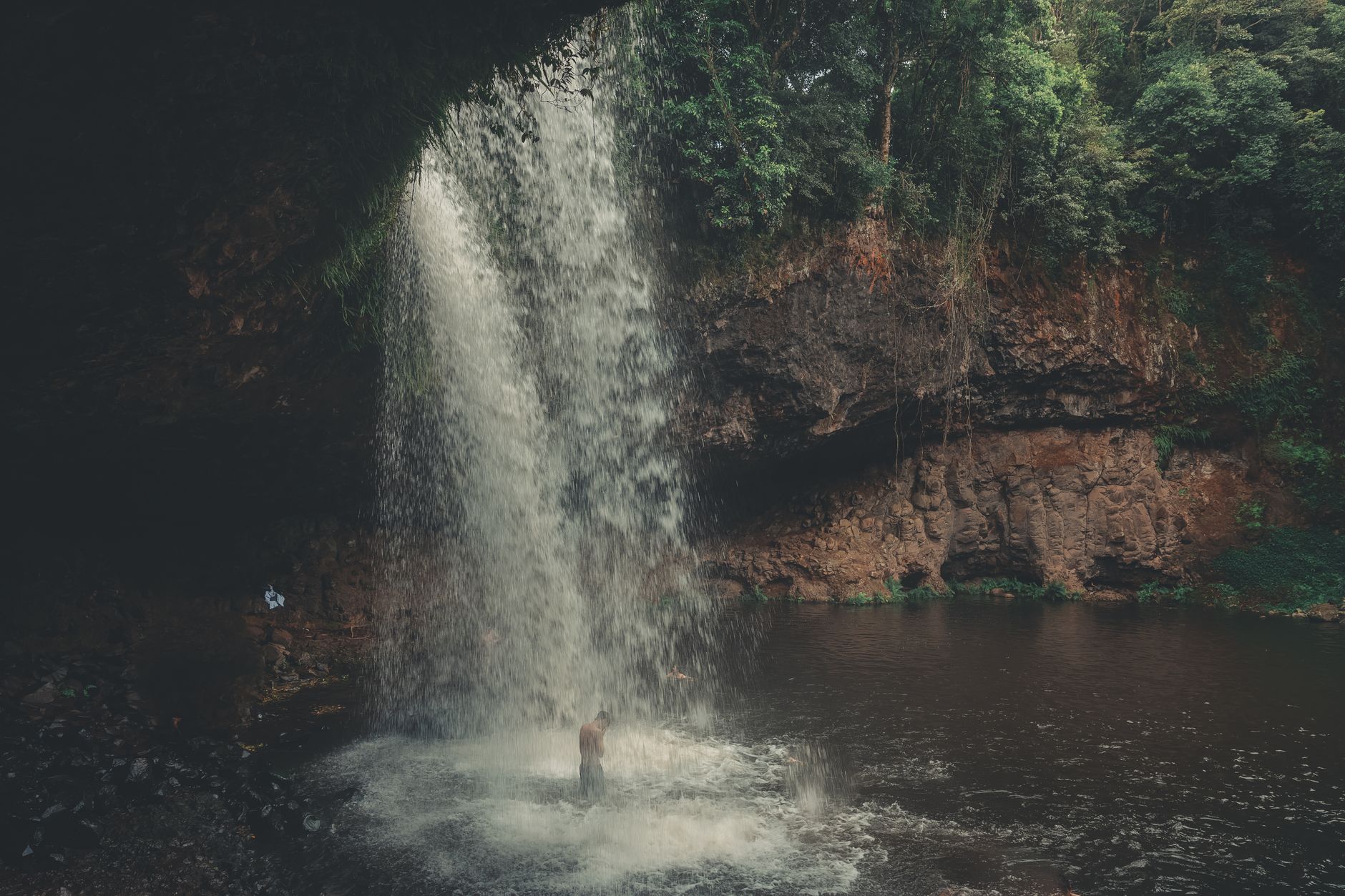
Ban Gioc waterfall is roughly 30 km north of the city. A handful of guesthouses and homestays have opened in the last few years in the village itself. This is the newer accommodation trend.
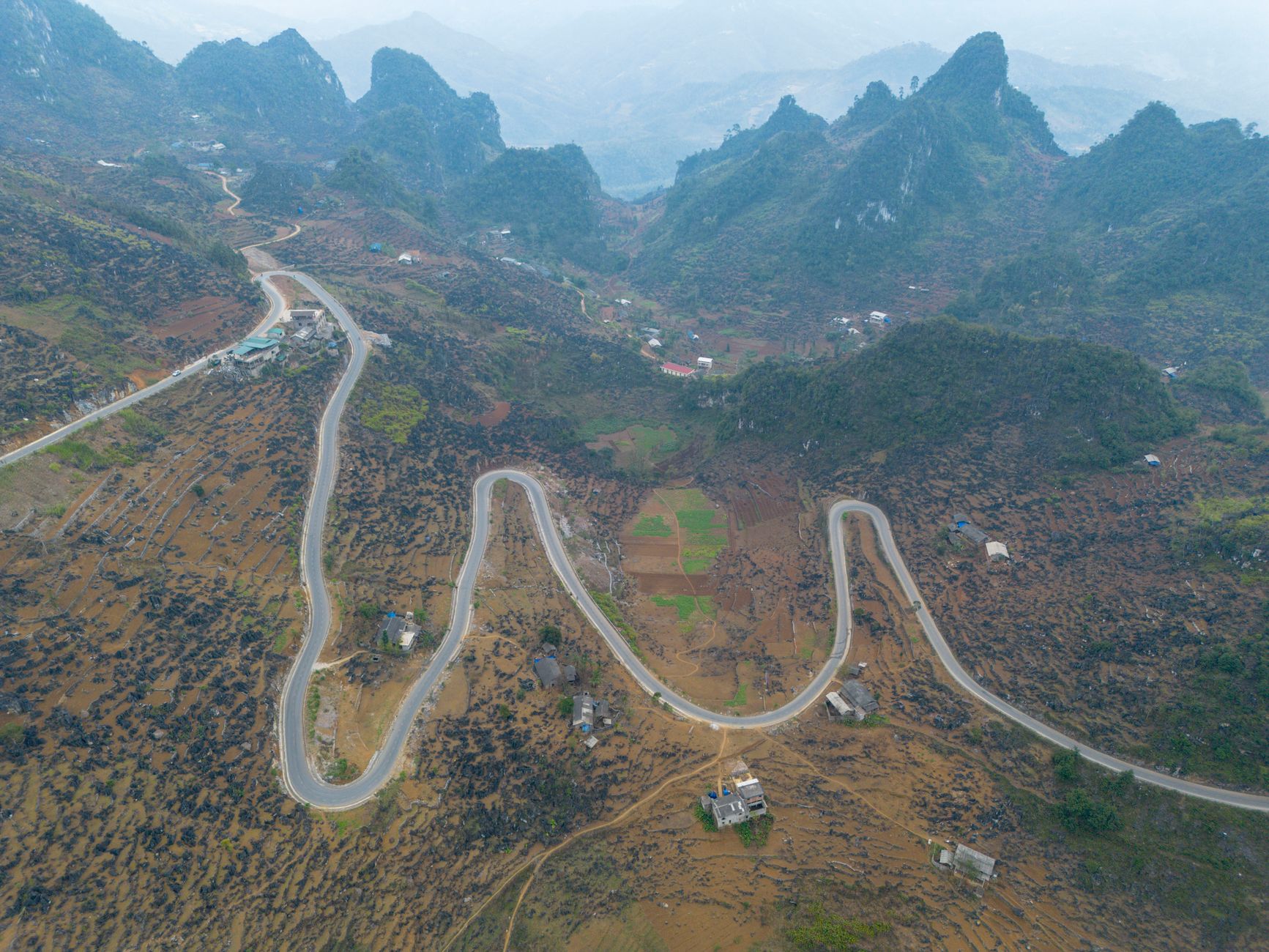
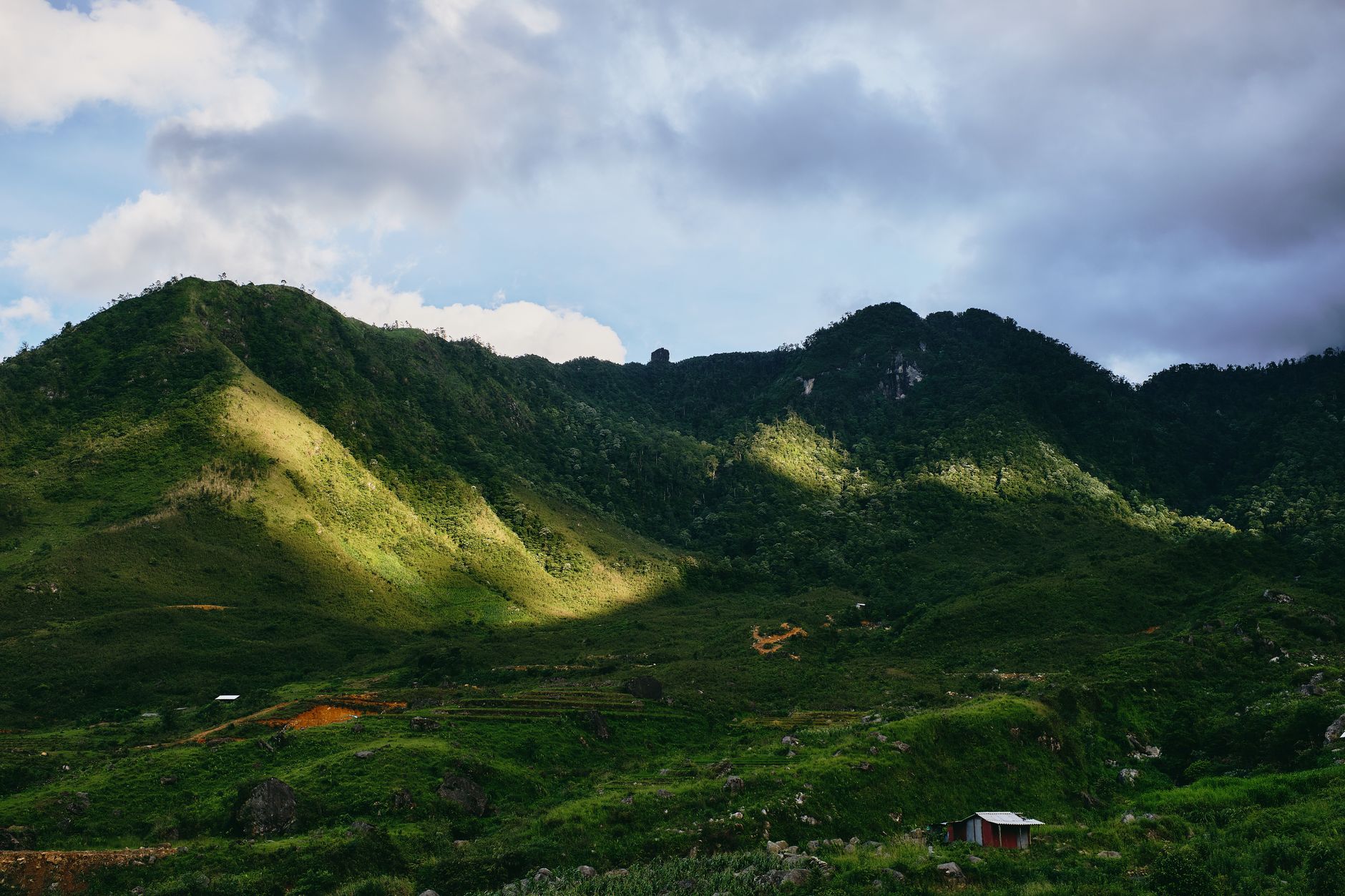
Why stay here: if you want to watch the waterfall at sunrise or sunset without a 1-hour drive each way. You're also closer to less-visited limestone valleys and minority villages. The landscape is dramatic — you wake up to karst views.
Trade-off: fewer dining and service options. You depend on your guesthouse for meals. Road to Ban Gioc can be muddy in monsoon (June–August). Tourist infrastructure is still basic.
Budget Options (300,000–500,000 VND / $12–20 USD per night)
Typical setup: fan rooms, shared or private bathroom, no frills. Many occupy narrow storefronts on Nguyen Hue (후에 / 顺化 / フエ). Breakfasts are basic (bread, instant noodles, coffee). Owners speak some English and can arrange Ban Gioc day trips (400,000–600,000 VND per person with guide).
Good for: backpackers, solo travelers on a tight schedule, anyone passing through en route to Ha Giang (하장 / 河江 / ハーザン). You sleep here and spend time outside.
Example price: a double room at a family guesthouse in the center runs 350,000 VND. AC might cost 50,000 VND extra.

Photo by Sergey Guk on Pexels
Mid-Range Options (500,000–1,000,000 VND / $20–40 USD per night)
These are newer, cleaner guesthouses and small hotels with private bathrooms, AC, hot water, and modest design touches. A few have cafes or small restaurants attached. Most still family-operated but with more infrastructure.
Why upgrade: you get privacy, reliable hot water, better WiFi, and owners who have time to chat or arrange personalized trips (to less-touristy sites, longer valley loops). Some offer "homestay" experiences in nearby villages — you stay in a minority family's guest room, eat dinner together.
Good for: couples, small groups, travelers who want comfort without excess. Common for 2–3 night stays.
Example price: a double AC room with hot water in a mid-range guesthouse, 700,000 VND. Some near Ban Gioc charge more (800,000–1,000,000 VND) because of location.
Luxury / Upper Mid-Range (1,000,000+ VND / $40+ USD per night)
Cao Bang has one or two upscale options — newer hotels with en-suite bathrooms, quality linens, air-con, and themed decor. Restaurant service, maybe a small pool or garden.
Why it's rare here: Cao Bang isn't a resort destination. Most luxury travelers stay in Da Nang, Hanoi, or Hue. But if you want a comfortable base for a 3–5 day exploration of the province, these exist and are still affordable by international standards.
Good for: families with kids, travelers who prioritize sleep quality after long hikes, anyone spending multiple days and willing to pay for a real hotel experience.
Example: a 4-star hotel room in central Cao Bang, 1,200,000–1,500,000 VND, includes breakfast and often a restaurant.
Photo by Sergey Guk on Pexels
Homestays and Rural Stays
Several guesthouses arrange overnight stays in minority villages (Tay, Nung, Dao ethnic groups live in Cao Bang province). You stay in a guest room attached to or within a family home, share meals, and meet locals.
Cost: 400,000–700,000 VND including dinner and breakfast. Transport from the city is usually arranged.
Reality check: it's genuine but not "untouched." Families do this for income; electricity and basic sanitation are usually present. The experience is real, but it's tourism — not immersion into pre-modern life. It's a good alternative to a guesthouse if you want to support a local family and see rural routines.
Practical Tips
Booking: most small guesthouses don't use Booking.com or Agoda. Ask your previous hotel to recommend and call ahead, or ask at the bus station. During Tet (late January / early February) and national holidays, rooms fill up — book 2–3 days ahead.
Noise and timing: Cao Bang city center has early-morning street food vendors. If you're noise-sensitive, ask for a back-facing room or stay near Ban Gioc. Most visitors are up by 6:30 am anyway (sunrise trips).
Transport from your guesthouse: minibuses to Ha Giang and Lang Son depart from near the main bus station (Ben Xe Cao Bang) around 6–7 am. Many guesthouses can book seats the night before. Ban Gioc is reachable by hired motorbike (with driver, ~400,000 VND for the day) or shared tour groups.
Bottom line
Stay in the city center if you want convenience and cheaper rates; stay near Ban Gioc if the waterfall and landscape are your main draws. Cao Bang doesn't have tourism "zones" — it's small enough that location barely matters. Pick a clean bed, chat with the owner about day trips, and spend your time outside.
Last updated · May 29, 2026 · independently researched, never sponsored.