Most people come to Cao Bang for the waterfall. The pagoda above it is what makes them stay longer than planned.
Chua Phat Tich Truc Lam Ban Gioc sits on Phia Nham hill, directly overlooking Ban Gioc Waterfall — one of the largest cascades in Southeast Asia. The pagoda belongs to the Truc Lam Zen school, the same Vietnamese Buddhist order behind well-known monasteries in Da Lat and Ha Long. It opened in 2014, so it lacks the centuries-old patina of temples in Hanoi or Hue. What it has instead is scale, silence, and a view that earns the climb.
What it is and why it matters
The pagoda complex covers roughly 3 hectares across a terraced hillside in Dam Thuy commune, Trung Khanh district. The main hall, bell tower, and Quan Am statue were built in a deliberate traditional northern style — curved tile roofs, dark timber columns, stone staircases carved with dragon motifs. The 9-meter Quan Am (Avalokitesvara) statue faces the valley, looking out over the Quay Son River and the falls below.
Unlike many newly built pagodas in Vietnam that lean heavy on concrete and gold paint, this one was designed with restraint. The materials — local stone, hardwood — feel like they belong on the hillside rather than being dropped onto it.
For travelers, the draw is straightforward: you get the waterfall view from a completely different angle, above the tourist crowds, with far fewer people around you. On weekday mornings, you might have the upper terraces entirely to yourself.
Best time to visit
The waterfall is fullest from June through October, when monsoon rains swell the Quay Son River. September and early October tend to offer the best combination of strong water flow and occasional clear skies. If you visit in the dry season (November through March), the falls thin out considerably — sometimes to a trickle — but the weather is cooler and the skies sharper, which makes the panorama from the pagoda more photogenic.
Avoid major Vietnamese holidays, especially Tet and the September 2nd national holiday weekend. The waterfall area gets packed, and the road from Cao Bang city backs up.
How to get there
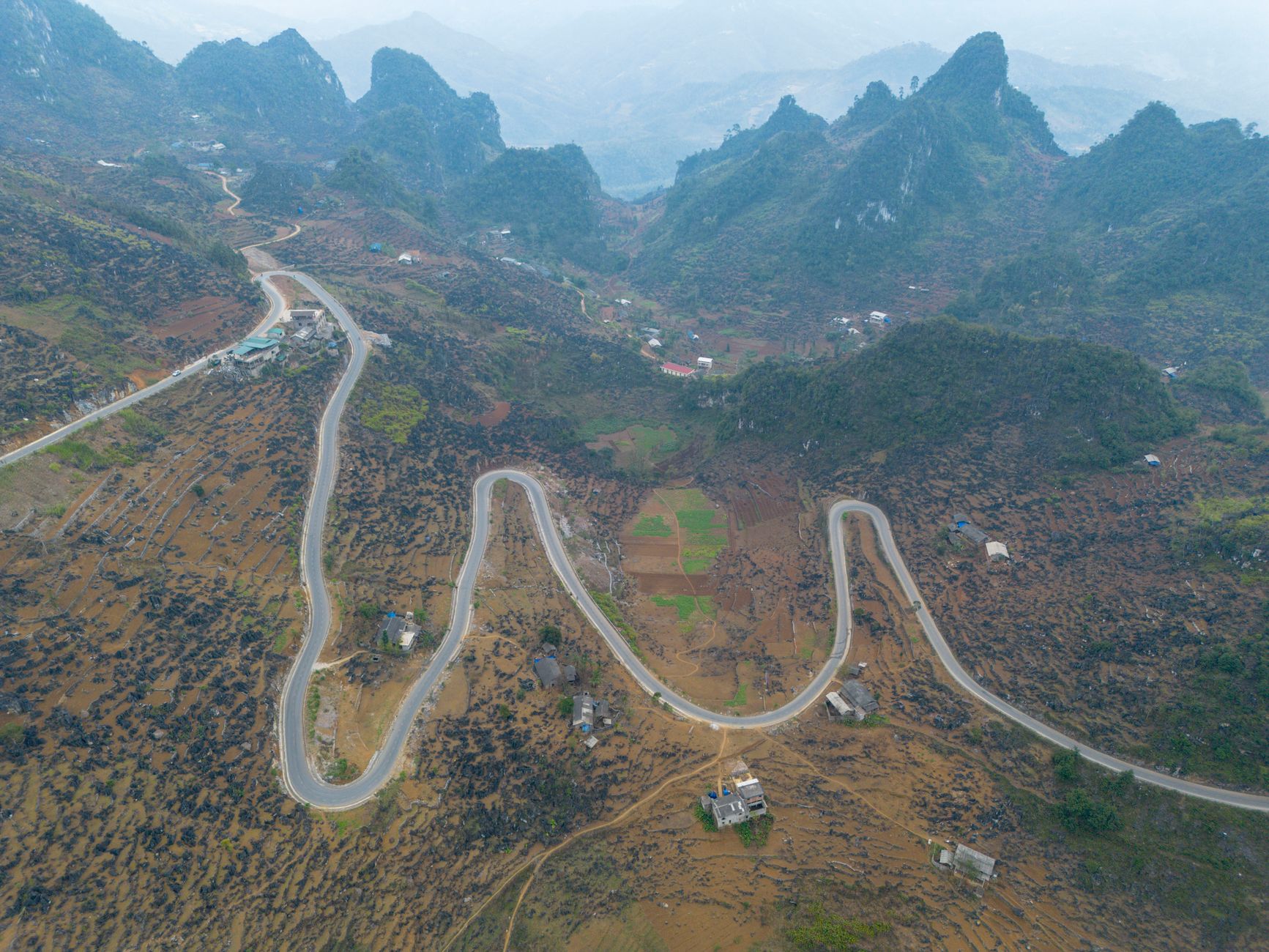
The pagoda is about 85 km north of Cao Bang city, a drive of roughly 2 to 2.5 hours depending on road conditions. The route follows QL3 north, then cuts onto DT206 toward Trung Khanh — a winding but well-paved mountain road through limestone karst and rice paddies.
From Hanoi (하노이 / 河内 / ハノイ) to Cao Bang city: Direct buses run from My Dinh and Nuoc Ngam stations. The ride takes 7-8 hours and costs around 250,000-350,000 VND. Overnight sleeper buses leave in the evening and arrive early morning, which saves a hotel night.
Cao Bang city to the pagoda: Rent a motorbike in Cao Bang city for around 150,000-200,000 VND per day. This is the most flexible option and lets you stop at Nguom Ngao Cave along the way. Alternatively, hire a car with driver for 800,000-1,200,000 VND for a day trip covering both the waterfall and pagoda. There are also local minibuses to Trung Khanh town, but from there you still need a xe om (motorbike taxi) the final 20 km to the falls area.
The pagoda entrance is separate from the waterfall ticket gate — look for a smaller road branching uphill about 500 meters before the main waterfall parking lot.

Photo by HONG SON on Pexels
What to do
Walk the full staircase
The stone staircase from the lower gate to the main hall runs about 300 steps. Take it slow. Each terrace level opens a wider view of the valley, and the intermediate landings have small shrines and rest spots. The climb takes 15-20 minutes at a relaxed pace.
Sit at the upper terrace
The viewing platform behind the main hall is the payoff. You look straight down at the full width of Ban Gioc Waterfall and the river valley stretching east. Bring water, find a bench, and stay a while. The sound of the falls carries up the hillside even from this height.
Ring the bell at the bell tower
The bronze bell tower near the main hall is open to visitors. Monks don't mind if you ring it once — just do it gently and with intention. It is a pagoda, not a playground.
Visit Nguom Ngao Cave on the way
About 3 km before you reach the waterfall area, Nguom Ngao Cave is a 2,144-meter limestone cave system with a well-lit walkway through about 900 meters of it. Entry is 40,000 VND. The cave is cool inside — a relief if you are visiting in summer heat — and the stalactite formations are genuinely impressive. Budget 45 minutes to an hour.
Combine with Ban Gioc Waterfall itself
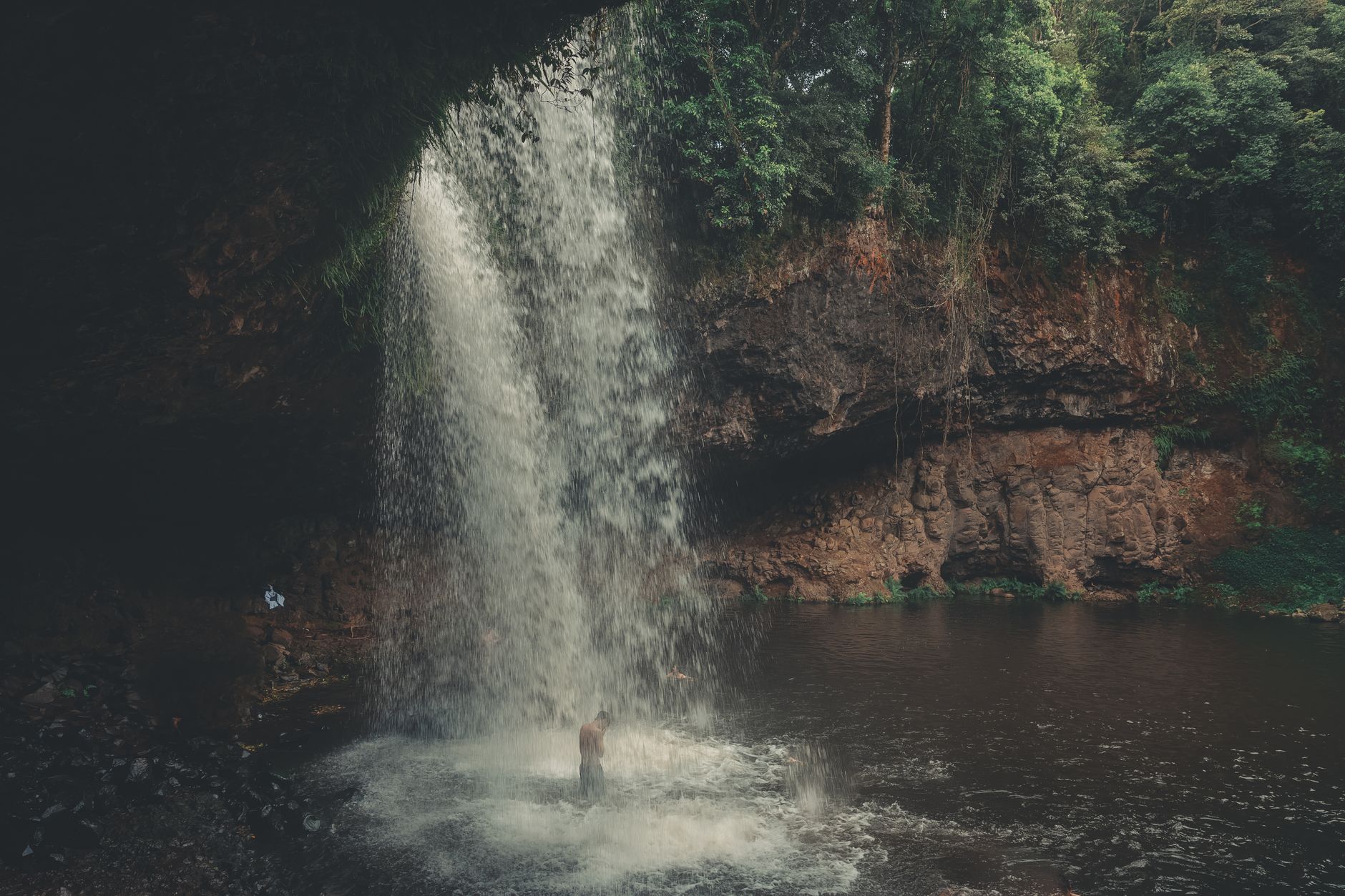
Obviously. The waterfall entrance fee is 45,000 VND. You can take a bamboo raft to the base of the falls for around 50,000 VND per person. Do the waterfall first in the morning when mist catches the light, then climb up to the pagoda after.
Where to eat nearby
The cluster of small restaurants near the waterfall parking lot serves standard Vietnamese fare — rice plates, "pho", grilled meat. Quality varies. For something more local, look for "banh cuon" Cao Bang style — rice crepe rolls filled with minced pork and wood ear mushroom, served with a distinctive bone broth dipping sauce rather than the fish sauce you get in Hanoi. Trung Khanh town, about 20 km back toward Cao Bang, has better food options and is known for roasted chestnuts in season (October through December).
Another local specialty worth tracking down is "vit quay" (roasted duck) — Cao Bang does it with mac mat leaves, giving the skin a fragrant, slightly citrusy flavor you will not find elsewhere. A half duck runs around 200,000-250,000 VND at local restaurants in Trung Khanh.
Where to stay
There is no accommodation at the pagoda itself. Your options:
- Near Ban Gioc Waterfall: A handful of guesthouses and homestays in Dam Thuy commune. Basic but clean rooms go for 200,000-400,000 VND per night. Ban Gioc Farmstay and Saigon (사이공 / 西贡 / サイゴン)-Ban Gioc Resort sit closer to the falls, with rooms from 500,000-1,200,000 VND.
- Trung Khanh town: More choices, slightly lower prices. Budget guesthouses from 150,000 VND.
- Cao Bang city: The widest range, from 200,000 VND budget hotels to 800,000 VND midrange options. Best if you are arriving late from Hanoi and heading to the falls the next morning.

Photo by Manh Pham on Pexels
Practical tips locals would tell you
- Wear proper shoes. The stone steps get slippery after rain, and flip-flops are a bad idea on the upper sections.
- Bring your own water and snacks. There are no vendors inside the pagoda complex.
- The pagoda is an active place of worship. Dress modestly — cover shoulders and knees. Remove hats before entering the main hall.
- If you are riding a motorbike from Cao Bang, fill your tank before leaving town. Fuel stops thin out past Quoc Toan.
- Bring cash. Card payment is essentially nonexistent in this area.
Common mistakes to avoid
- Skipping the pagoda entirely. Most tour groups hit the waterfall, buy a souvenir, and leave. The pagoda is a 20-minute detour that gives you the best aerial view of the whole valley.
- Arriving midday in summer. The climb is exposed to sun on the lower sections. Morning or late afternoon is far more comfortable.
- Trying to day-trip from Hanoi. The 7-hour drive each way makes this miserable as a single day. Spend at least one night in Cao Bang or near the falls.
- Not checking waterfall conditions in dry season. If you are coming primarily for the view from the pagoda, check recent photos online. A dry-season trickle is a different experience from the monsoon torrent.
Practical notes
No entrance fee for the pagoda as of early 2024. The waterfall ticket (45,000 VND) is separate. The whole area — pagoda, waterfall, Nguom Ngao Cave — fits comfortably into a single day from Cao Bang city, but an overnight near the falls lets you catch the morning light without rushing.
Last updated · May 26, 2026 · independently researched, never sponsored.