Why stay in Bac Ninh at all?
Bac Ninh sits 30 km northeast of Hanoi and draws travelers for one main reason: the ceramic villages of Bat Trang and the temples of Bai Dinh. It's not a beach resort or mountain retreat. The town itself is quiet, industrial in parts, but the surrounding countryside is where the value lives. Most visitors either base themselves here for 1–2 nights as a day trip from Hanoi, or use it as a slower alternative to the capital's chaos.
The upside: genuinely cheaper than Hanoi, easier to navigate, and close enough to explore on a motorbike or with a driver. The downside: fewer dining and nightlife options, and you'll be reliant on taxis or apps to get anywhere beyond the town center.
Bac Ninh city center (Nguyen Hue district)
This is the main town hub — where the bus station is, where most budget and mid-range hotels cluster. It's functional rather than charming. You'll find Vietnamese street food, local restaurants, and a few Western-friendly cafes. Getting to Bat Trang or Bai Dinh from here is doable by motorbike taxi ("xe om") or arranged driver, 20–40 minutes depending on the site.
Best for: travelers on a tight schedule, those without motorbike experience, or anyone who values being in an actual town with services.
Price reality: Budget hotels 150,000–300,000 VND/night. Mid-range 400,000–700,000 VND. Meals at local spots 30,000–80,000 VND.
Bat Trang village (outskirts, southwest)
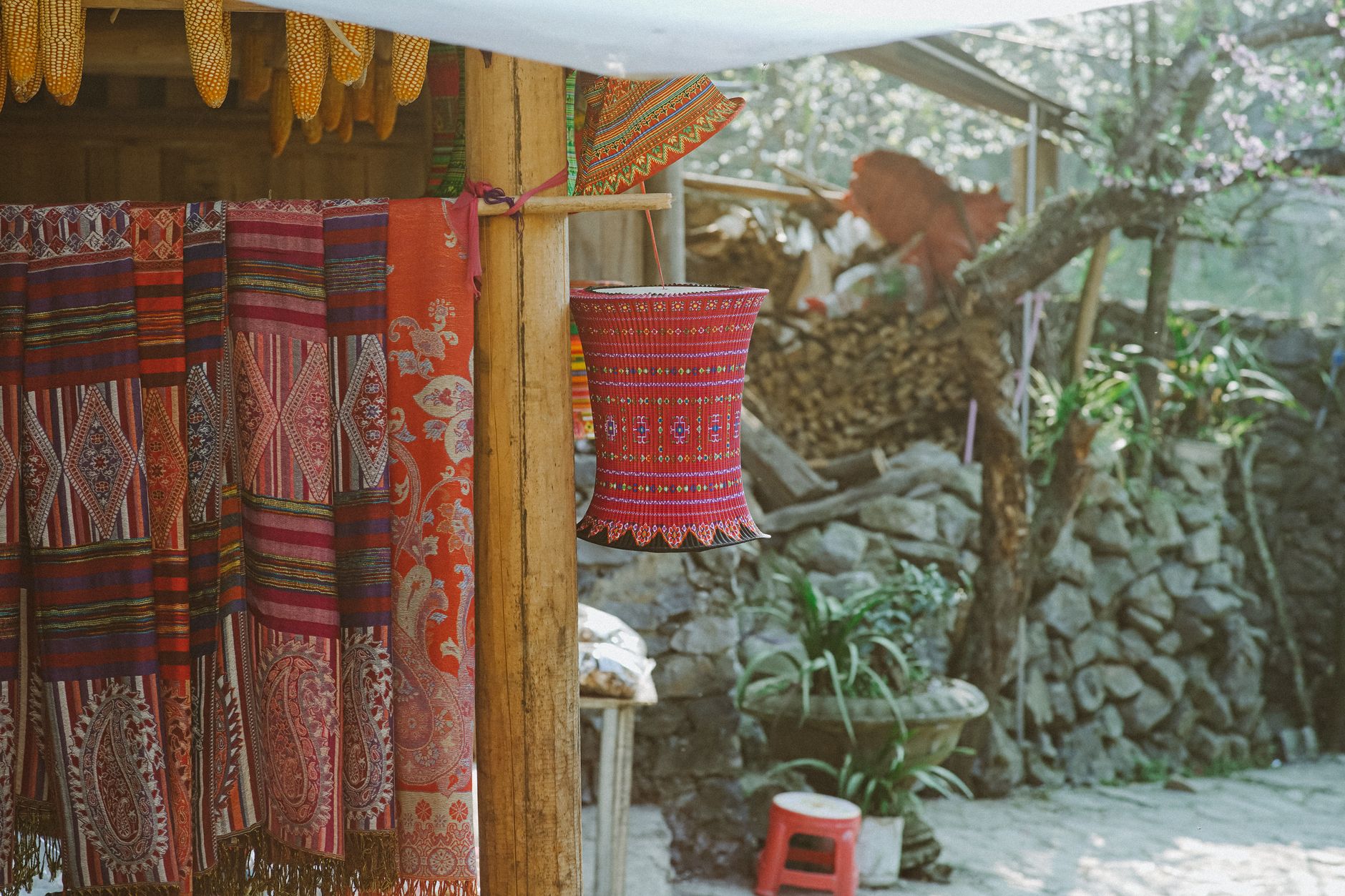
The ceramic heartland. Bat Trang is where potters have worked for centuries, and the village streets are lined with workshops, kilns, and small shopfronts. Staying directly in or very near the village puts you steps from the craft itself — you can walk into workshops in the early morning, watch firings, drink tea with makers. It's slower and more immersive than the town center.
The trade-off: almost no tourist infrastructure. One or two small guesthouses, minimal English, no fancy restaurants. You'll eat at family-run spots selling rice and simple dishes. It's quiet to the point of feeling isolated at night.
Best for: artisans, craft enthusiasts, travelers who speak some Vietnamese or are comfortable with zero English. Anyone seeking an off-the-beaten-path ceramics deep dive.
Price reality: Guesthouses 180,000–350,000 VND/night, often with breakfast. Meals 20,000–50,000 VND. Expect to pay cash; no ATM nearby.
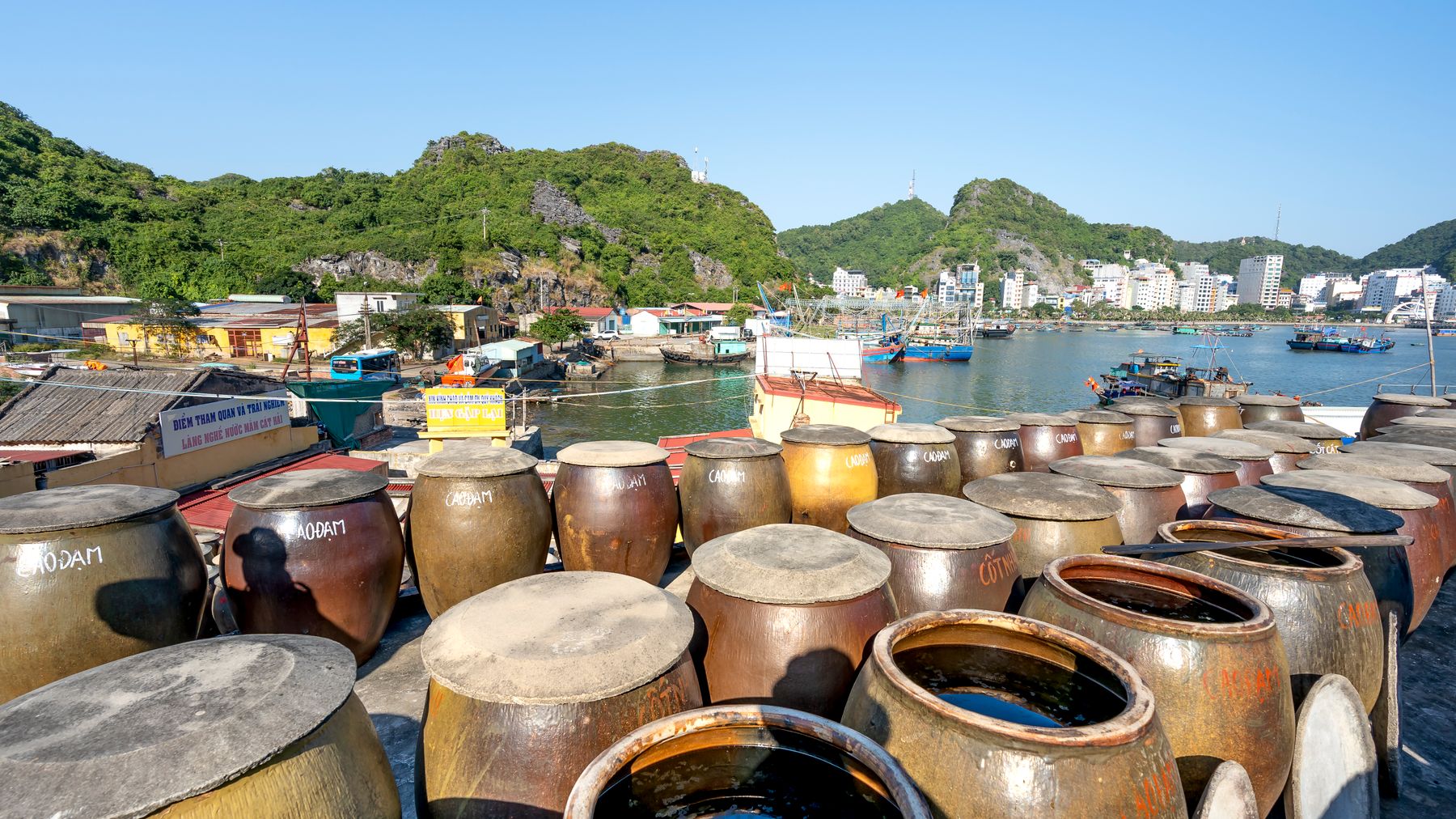
Photo by Quang Nguyen Vinh on Pexels
Bai Dinh area (northwest)
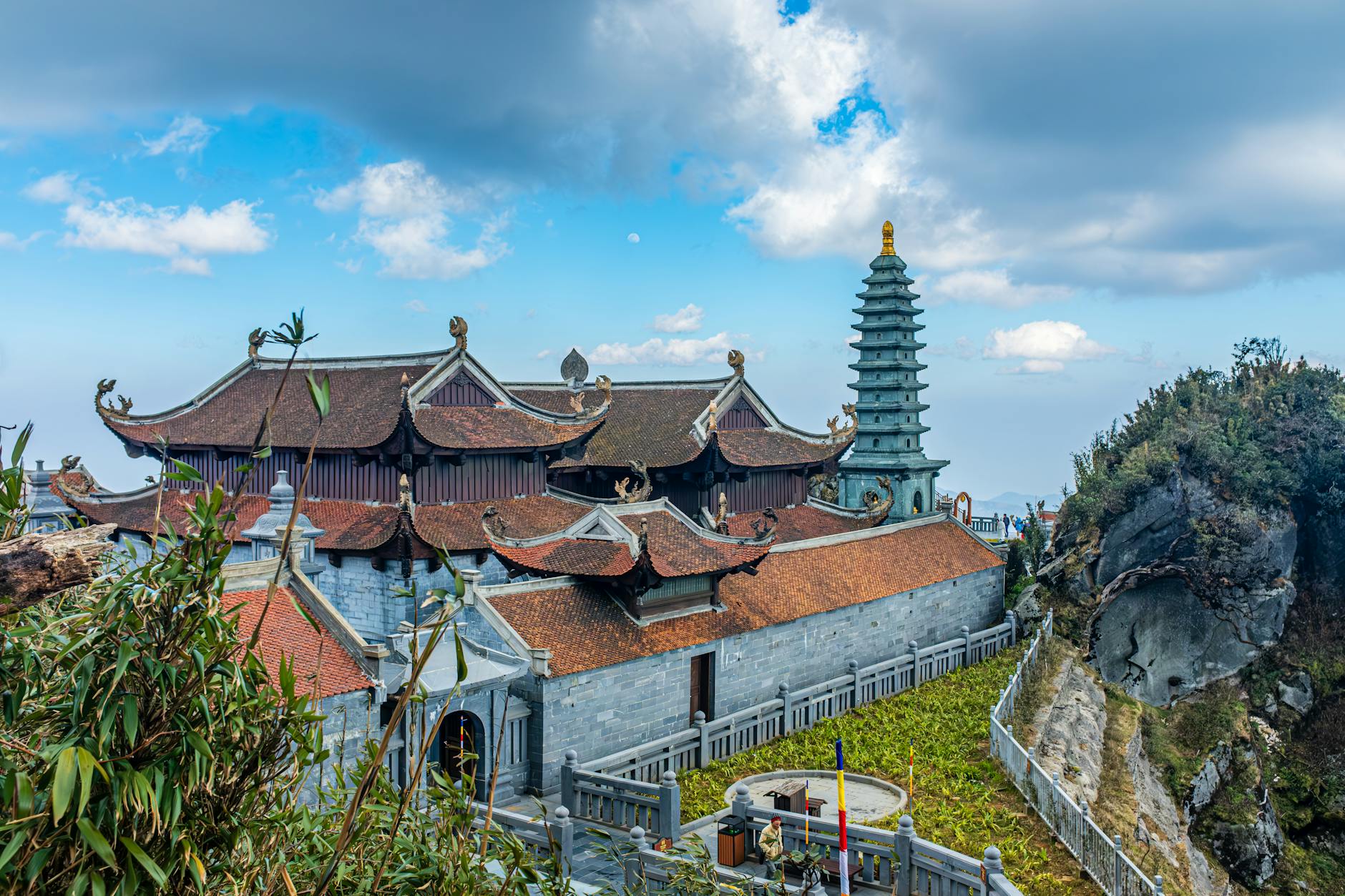
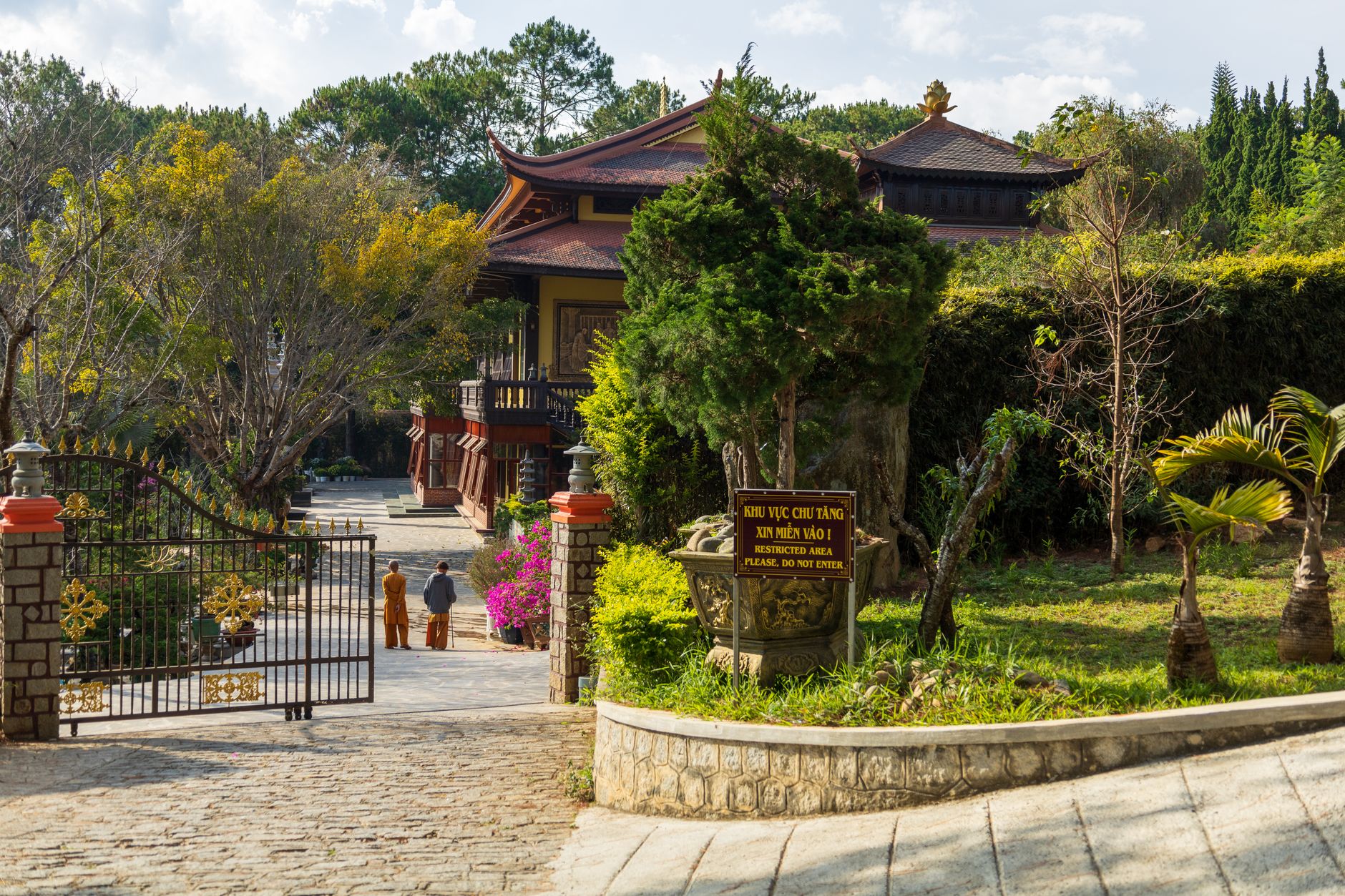
Bai Dinh is the massive temple complex on the outskirts. A handful of small hotels and guesthouses have opened to serve pilgrims and tourists. Staying here is the quietest option and puts you near the temples, but the village around it is even smaller than Bat Trang, and dining is limited to two or three family restaurants.
Best for: spiritual travelers, those doing a multi-day temple circuit, or anyone who wants to wake up and walk into Bai Dinh at dawn before crowds arrive.
Price reality: Simple guesthouses 150,000–280,000 VND/night. Meals at attached restaurant or local spot 30,000–60,000 VND.
Budget options (under 350,000 VND/night)
Bac Ninh city center:
- Small chain hotels and standalone guesthouses dominate this tier. Expect clean, basic rooms with fan or AC, en-suite bathroom, and maybe a small lobby. WiFi is standard. Breakfast usually means instant noodles or packaged pastries, or none at all.
- Look for places near Nguyen Hue or Tran Hung Dao streets — that's where the budget cluster is.
- Honestly assess: do you need a hot shower, a working WiFi, and a bed that isn't lumpy? You'll get that. Atmosphere and charm are not included.
Bat Trang village or Bai Dinh:
- A few family guesthouses, often run by ceramic makers or temple workers' relatives.
- Rooms are basic but usually spotless. Often include a small breakfast (pho, rice, tea).
- Booking is phone-only or through a local connection — you won't find them on major platforms. Show up and ask at a workshop, or email the local tourism office in advance.
Practical note: Budget places rarely have air-con in peak summer; fans are common. Expect squat toilets in the cheapest tier. WiFi speed is variable. Ask about it before committing.
Mid-range options (350,000–900,000 VND/night)
Bac Ninh city center:
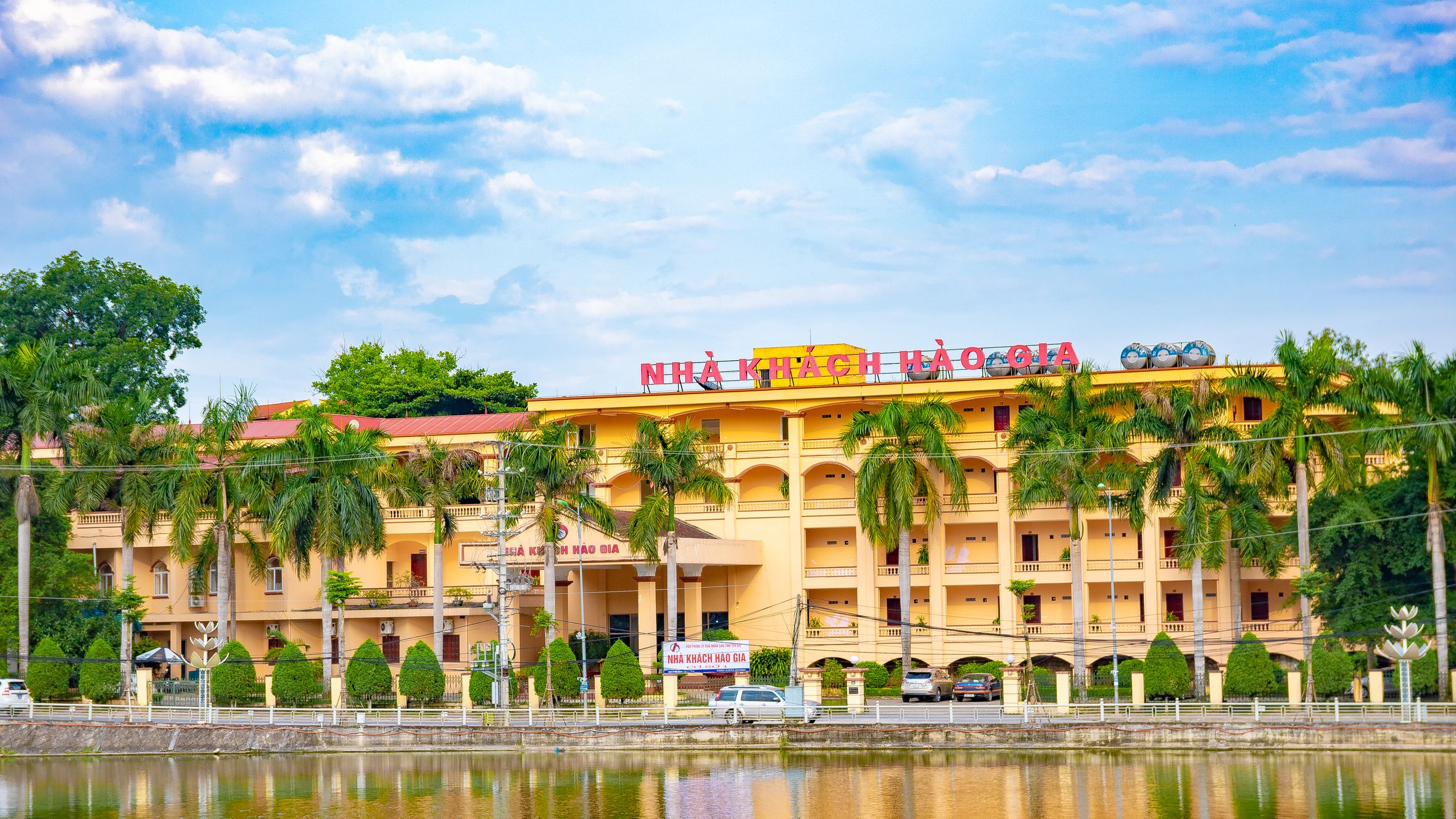
- Small 3-star hotels with proper AC, hot showers, maybe a small gym or desk. Rooms feel like a regional business hotel — functional, clean, quiet. Breakfast is usually a modest buffet (bread, coffee, fruit, eggs).
- These places cater to Vietnamese business travelers, so English is hit-or-miss at reception, but staff are professional.
- Popular chains: Hoang Anh Bac Ninh, Xuan Phuong Hotel (both mid-range standards).
- A small handful of newer boutique-ish places have opened, targeting tourists returning from Bai Dinh; expect similar pricing but with a bit more character (vintage decor, local art).
Why stay mid-range here: You get space, comfort, and a functional hotel restaurant. It's a comfortable base for day trips to either ceramic village or temple without feeling like you're camping. Many tourists do 1–2 nights mid-range in Bac Ninh, then loop back to Hanoi.
What you sacrifice: Hanoi's restaurant and bar scene. Nightlife beyond hotel lobby. Tourist-focused amenities (tour desk, city maps, curated experiences). You're in a quieter place and that's the whole point.
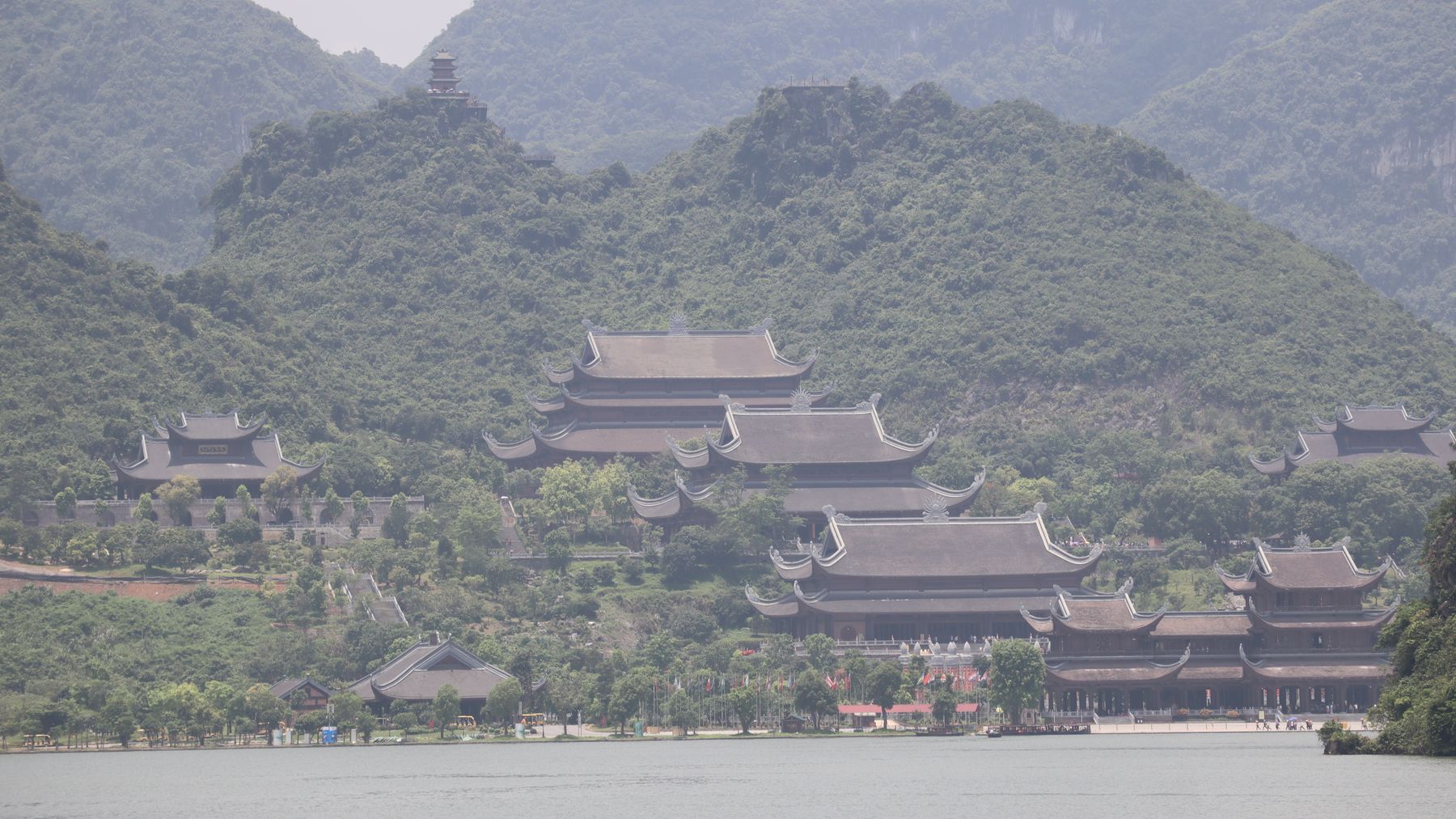
Photo by Hoàng Anh on Pexels
Luxury options (900,000+ VND/night)
Bac Ninh does not have a luxury hotel tier in the traditional sense. The highest-end option is a handful of upscale resorts and spa hotels positioned as "wellness retreats" near Bai Dinh or on the outskirts of the town. Prices hit 1,200,000–2,000,000 VND/night.
Realistically: If you want 5-star comfort, stay in Hanoi and day-trip to Bac Ninh. A Hanoi luxury hotel is 45 minutes by car and has far better infrastructure. Bac Ninh luxury is a niche play — marketed to wealthy domestic tourists doing a temple pilgrimage or ceramic collectors, not the typical foreign traveler.
If you do choose a high-end resort here, you're paying for quiet, manicured grounds, a spa, and good food — not for the town itself.
How to pick
Stay in town if: You're on a tight budget, don't speak Vietnamese, traveling by public transport, or want to maximize convenience. You'll handle a 30–40 minute motorbike ride to Bat Trang or Bai Dinh. This is the safest bet for most travelers.
Stay in Bat Trang if: You're genuinely interested in ceramics, have 2+ nights, speak some Vietnamese or are very independent, and want to drift through workshops. This is slow travel.
Stay near Bai Dinh if: You're doing a temple circuit, want to hike to multiple Buddhist sites, or arriving by private car with a driver. This is niche but rewarding if it fits your trip.
Stay in Hanoi and day-trip if: You're only 1 night in the region, want creature comforts, or aren't sure Bac Ninh will hold your interest. Hanoi has better hotels, food, and nightlife. A 45-minute drive each way is reasonable.
Practical notes
Booking: Agoda and Booking.com cover mid-range and town center. Budget guesthouses and village stays require phone calls or walk-ups. The local tourism office in Bac Ninh city (Bac Ninh Tourism Information Center, Nguyen Hue St.) can help with same-day bookings and driver recommendations. English is limited but they try. Payment: cards work at mid-range and up; budget places often prefer cash (VND). ATMs are in the town center on Nguyen Hue and Tran Hung Dao. Getting around: motorbike taxi is cheapest (20,000–50,000 VND to Bat Trang, 30,000–60,000 to Bai Dinh). Grab (the app) works but is pricier. Renting a motorbike yourself (200,000–300,000 VND/day) is viable if you're confident riding on busy roads.
Last updated · Jun 15, 2026 · independently researched, never sponsored.