What it is
Dinh Binh Thuy is a communal house ("dinh") on Le Hong Phong Street in Binh Thuy District, Can Tho. Built in 1844 and reconstructed in 1909, it's one of the oldest and best-preserved communal houses in the Mekong Delta (메콩 델타 / 湄公河三角洲 / メコンデルタ). The structure sits on the banks of the Can Tho River and honors Bui Huu Nghia, a 19th-century mandarin and playwright born in this neighborhood.
What makes Dinh Binh Thuy unusual isn't just age — it's the architectural collision. The exterior follows French colonial symmetry with tiled roofs, wrought-iron gates, and a European-influenced facade. Step inside and you're in a traditional Vietnamese worship hall: lacquered wooden pillars, gilded altars, carved dragons, and incense smoke curling toward the ceiling. That contrast is deliberate — this was the Delta's merchant class absorbing colonial aesthetics without abandoning local spiritual traditions.
The site earned wider recognition after appearing in the 1992 French film "L'Amant" (The Lover), based on Marguerite Duras's novel. Several interior scenes were shot here, and the movie connection still draws visitors.
Why travelers go
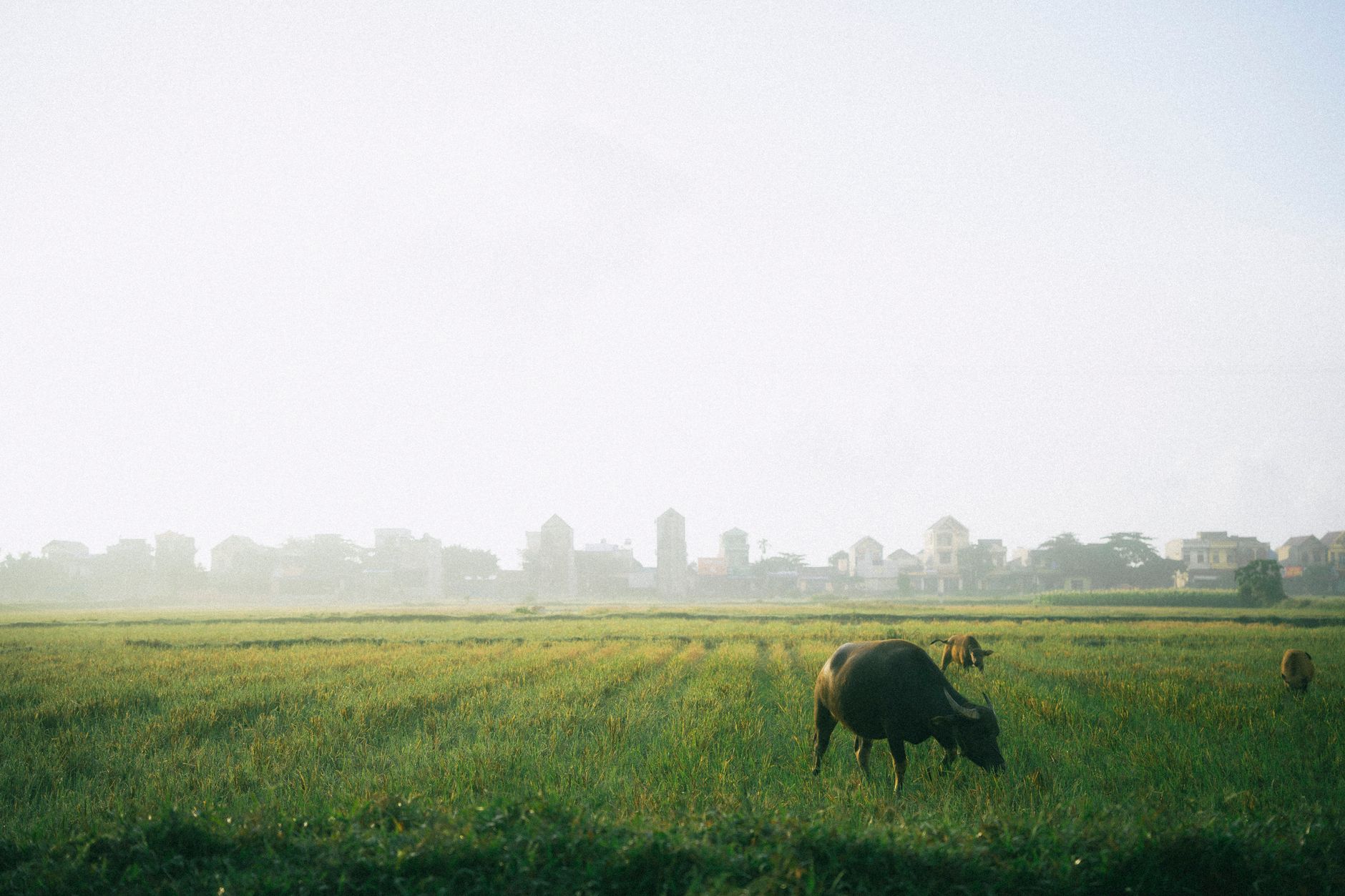
Most people visiting Can Tho (껀터 / 芹苴 / カントー) head straight for Cai Rang floating market, eat some "hu tieu", and leave. Dinh Binh Thuy offers a reason to slow down. It's genuinely atmospheric — the kind of place where you can stand in an empty courtyard at 9 AM and hear nothing but birds and the distant hum of motorbikes on the river road.
For architecture enthusiasts, the fusion of French and Vietnamese design is more coherent here than in many Saigon colonial buildings. For film fans, it's a modest pilgrimage site. For everyone else, it's a 45-minute stop that gives texture to a Can Tho trip beyond boats and noodles.
Best time to visit
The Mekong Delta is hot year-round, but the dry season (December–April) means you won't be dodging afternoon downpours. Visit early morning — between 7:00 and 9:00 AM — when the light hits the courtyard tiles at a low angle and the compound is nearly empty. By 10:30 AM, tour groups sometimes arrive.
If you time it with a local festival (the main ceremony is on the 12th–14th of the fourth lunar month, usually May), you'll see processions, offerings, and "don ca tai tu" performances in the courtyard. That said, the compound is open daily and doesn't require a festival to justify the trip.
How to get there
Dinh Binh Thuy sits at 36/6A Le Hong Phong Street, Binh Thuy Ward, Binh Thuy District. It's about 6 km north of Can Tho's city center (Ninh Kieu District).
From central Can Tho
- Grab bike: 15,000–20,000 VND, 12–15 minutes depending on traffic.
- Grab car: 40,000–55,000 VND.
- Bicycle: Flat terrain, 25 minutes along the river road. Some hotels in Ninh Kieu lend bikes free to guests.
From Saigon
Can Tho is roughly 170 km southwest of Saigon. Phuong Trang (FUTA) buses run every 30 minutes from Mien Tay station; the ride takes 3–3.5 hours and costs around 130,000 VND. From Can Tho bus station, Dinh Binh Thuy is a 15-minute ride.
If you're combining this with Cai Rang floating market, do the market at dawn, grab breakfast on the boat, then ride north to Binh Thuy mid-morning.

Photo by Duy Nguyen on Pexels
What to do
Walk the compound slowly. The main hall has three bays with ornate wooden carvings depicting dragons, phoenixes, and scenes from Chinese-Vietnamese folklore. Look up — the ceiling joinery is hand-fitted, no nails.
Check the side altars. Beyond the central shrine to Bui Huu Nghia, smaller altars honor local tutelary deities and ancestors. The incense holders and ceramic decorations are original 19th-century pieces.
Visit Nha Co Binh Thuy next door. This is the actual French-colonial house (often confused with the dinh itself) that appeared most prominently in "The Lover." It's a private home still occupied by the Duong family, who charge a small entry fee (around 20,000 VND) and sometimes offer guided tours. The two sites are a 2-minute walk apart — do both.
Photograph the facade. The front elevation, with its yellow wash and green shutters framed by tropical trees, is the money shot. Morning light from the east works best.
Where to eat
Binh Thuy District isn't a major dining zone, but a few spots within 1–2 km are worth knowing:
- Quan Bun Rieu Ba Lua (Bui Huu Nghia Street) — a local "bun rieu" stall, 35,000 VND a bowl. Tomato-and-crab broth, shrimp paste on the side.
- Com Tam Thanh Nhan (Cach Mang Thang Tam Street) — broken rice with grilled pork, 40,000–55,000 VND. Straightforward "com tam", nothing fancy, consistently good.
- Vietnamese coffee from any roadside stall on Le Hong Phong — iced "ca phe sua da" for 15,000–20,000 VND.
For a wider selection, ride back to Ninh Kieu and hit the waterfront strip near Ninh Kieu Wharf, where you'll find everything from "banh xeo" to river-fish hotpot.
Where to stay
Most travelers base themselves in Ninh Kieu District (central Can Tho). Options near the waterfront:
- Azerai Can Tho — boutique, riverside, around 2,500,000 VND/night. Best pool in the city.
- Kim Tho Hotel — mid-range, central, 500,000–700,000 VND. Clean, no frills, rooftop bar.
- Mekong My Tho Hostel — budget, 150,000–200,000 VND dorm beds.
There's no practical reason to stay in Binh Thuy District itself unless you're visiting family.
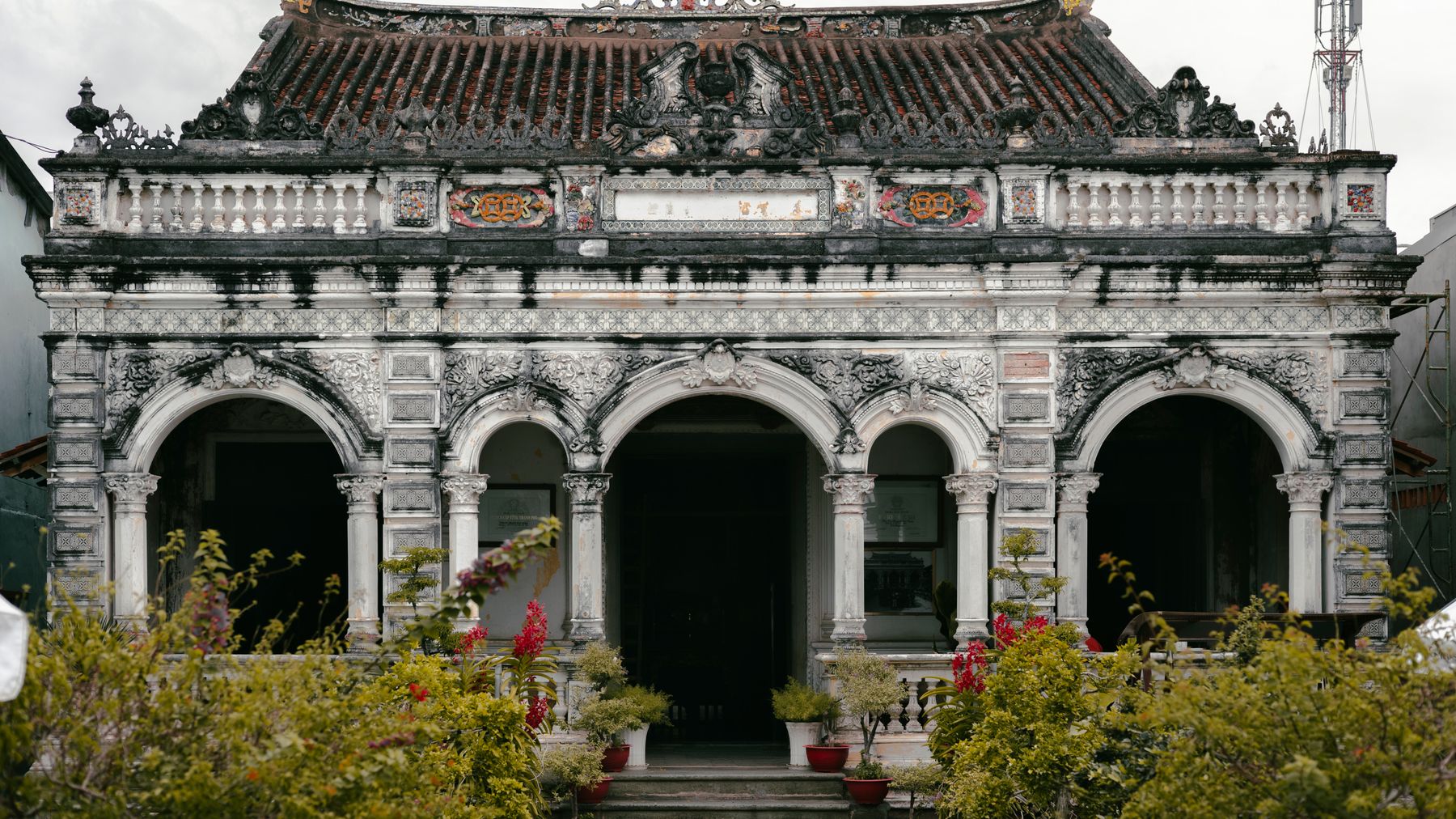
Photo by DUYTRG TRUONG on Pexels
Practical tips
- Entry fee: Dinh Binh Thuy itself is free. Nha Co Binh Thuy (the colonial house) charges 20,000 VND.
- Dress code: Shoulders and knees covered inside the worship hall. This is a functioning shrine, not a museum.
- Time needed: 30–45 minutes for the dinh alone; add 30 minutes for Nha Co Binh Thuy.
- Photography: Allowed in the courtyard and exterior. Ask before shooting inside the main hall during active worship.
- Language: Little English spoken. A few Vietnamese phrases help — or just smile and gesture respectfully.
Common mistakes
Confusing the two sites. Dinh Binh Thuy (the communal house) and Nha Co Binh Thuy (the colonial residence) are different buildings on the same street. Many travel blogs mix them up. The communal house is the spiritual site; the colonial house is the film location.
Arriving midday. Between 11:30 AM and 2:00 PM, it's brutally hot and the caretakers sometimes close the inner hall for lunch. Morning visits are better in every way.
Skipping it entirely. Can Tho gets reduced to "floating market + done" by most itineraries. Dinh Binh Thuy takes under an hour and gives you a genuine sense of Mekong Delta history that no boat ride can replicate.
Final note
Dinh Binh Thuy won't blow your schedule open — it's a quiet, focused stop. But in a region where most tourists stick to the same river loop, spending a morning in this 180-year-old courtyard is one of the more grounded things you can do in Can Tho.
Last updated · May 29, 2026 · independently researched, never sponsored.