What it is
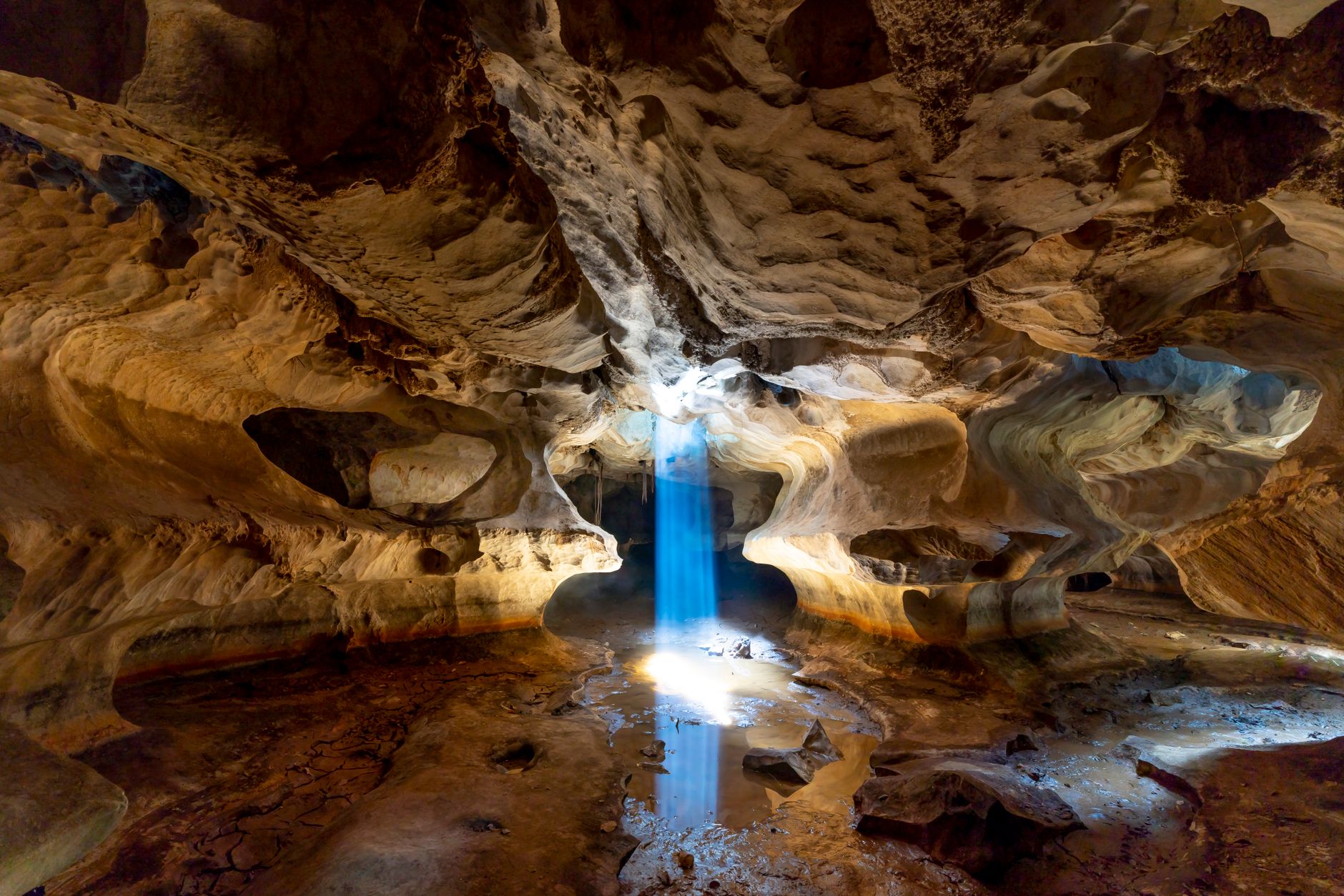
Suoi Khoang Nong Ban Mong is a natural hot spring complex about 8 km southeast of Son La city center, nestled in a narrow valley alongside the Mong village (Ban Mong) of the Thai ethnic minority. The springs surface at around 36–40°C year-round, fed by geothermal activity beneath the limestone karst that defines much of northwest Vietnam (베트남 / 越南 / ベトナム). Local Thai communities have bathed here for generations — long before anyone thought to pour concrete pools — and the site still has a rawer, less commercial feel than the hot springs you'll find near Sapa or Da Lat.
The provincial government invested in basic infrastructure in the early 2010s: tiled soaking pools, changing rooms, a parking area. It's not a luxury spa. It's a local hot spring with warm mineral water, surrounded by green hills and rice paddies, and that's precisely the appeal.
Why travelers go
Most visitors to Son La province are passing through on the Hanoi–Dien Bien Phu route or looping through the northwest highlands via Moc Chau and Mai Chau. Son La city itself doesn't hold people long — the old French prison museum takes an hour, and then what? Ban Mong hot springs give you a reason to stay an extra half-day or overnight. The draw is simple: soak in naturally heated mineral water, cool off in the adjacent stream, and sit somewhere genuinely quiet. No ticket queues, no selfie platforms, no crowds except maybe on weekend afternoons when local families show up.
For riders doing the northwest motorbike loop, it's also just good for the body. After 150 km of mountain switchbacks, lowering yourself into 38°C water does more for your back than any hotel pillow.
Best time to visit
The sweet spot is October through March. Cooler highland air — Son La sits at roughly 700 m elevation — makes the hot water feel genuinely therapeutic rather than redundant. November and December mornings can dip to 10–12°C, which turns a warm soak into something you actually don't want to leave.
April through June is fine but hot, and the springs feel less special when it's already 30°C outside. July through September brings heavy rain to the northwest; roads into Son La can be dicey, and the stream near the springs swells with muddy runoff. You can still visit, but it's not ideal.

Photo by Tho Ta on Pexels
How to get there from Hanoi
Son La city is roughly 310 km northwest of Hanoi (하노이 / 河内 / ハノイ). Your options:
Bus
Sleeper buses from Hanoi's My Dinh bus station run to Son La throughout the day. The ride takes about 5.5–6.5 hours depending on traffic through Hoa Binh province. Tickets run 200,000–280,000 VND one way. Hai Au and Hung Thanh are two operators that locals actually recommend.
From Son La bus station, Ban Mong is a 15-minute taxi or Grab ride (about 40,000–60,000 VND). You can also rent a motorbike in town for 120,000–150,000 VND per day and ride out yourself — the road is paved and flat.
Motorbike
If you're doing the northwest loop, Son La is a natural stop between Moc Chau (about 2 hours south) and Dien Bien Phu (about 4–5 hours northwest). The QL6 highway from Hanoi is mostly good two-lane road, though the stretch through Pha Din pass toward Dien Bien Phu requires solid riding confidence.
Private car
Hire through your hotel in Hanoi or a local travel agency. Expect 2,500,000–3,500,000 VND for a one-way transfer with driver.
What to do
Soak in the public pools. There are several concrete pools fed directly by the spring source, ranging from warm to properly hot. Entry is cheap — typically 30,000–50,000 VND per person. Bring your own towel; rental towels are available but thin.
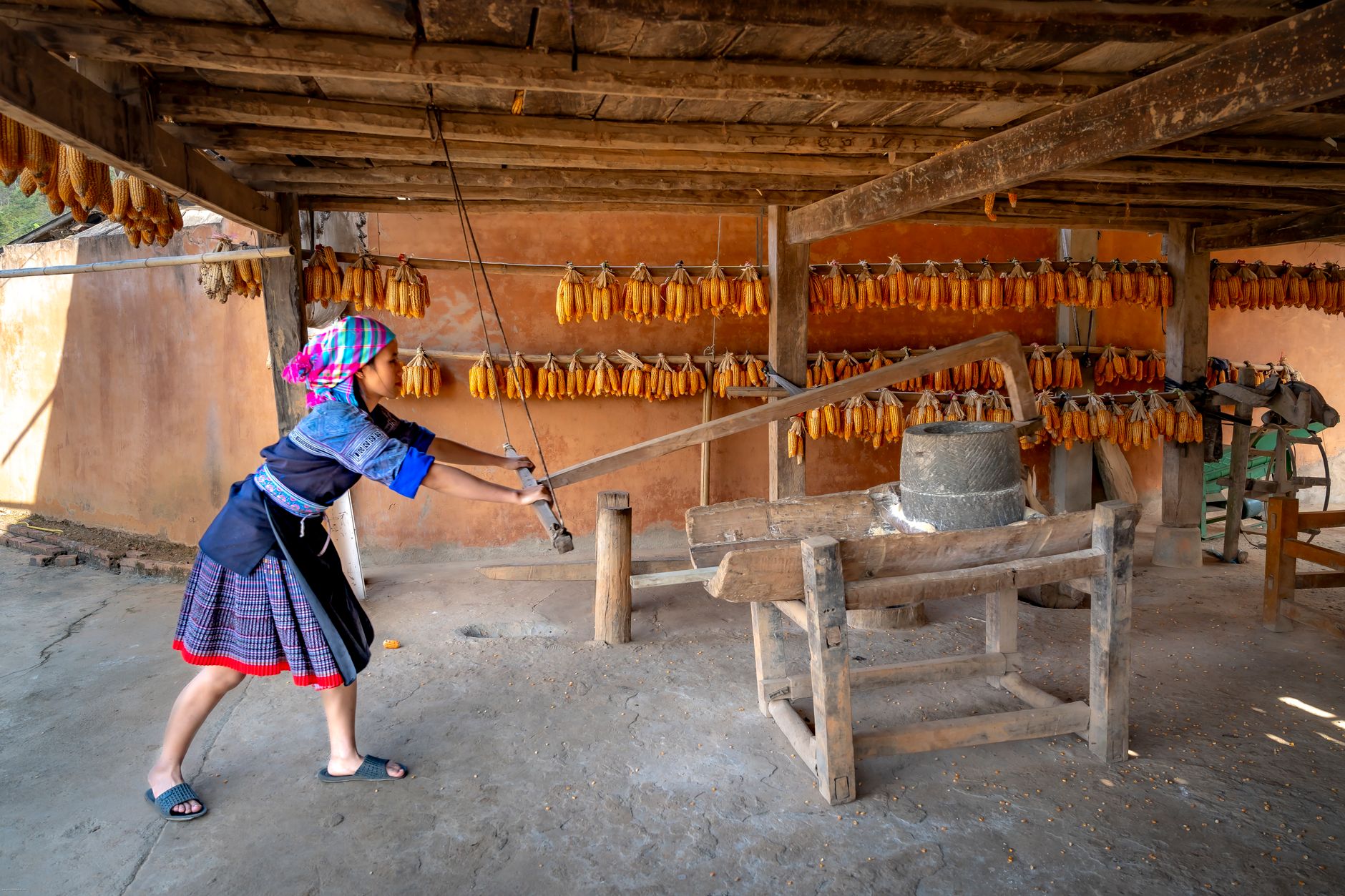
Walk through Ban Mong village. The Thai stilt houses here are lived-in, not staged. A short walk along the village path gives you a real sense of daily highland life — looms under houses, drying rice on tarps, kids chasing chickens. Be respectful, don't photograph people without asking, and a smile plus a "xin chao" goes a long way.
Swim in the stream. In the dry season (November–March), the stream beside the springs runs clear and cool. Locals alternate between the hot pools and the cold stream. It sounds basic because it is — and it works.
Catch the early morning. If you stay overnight nearby, visit the springs before 7 a.m. You'll likely have the pools to yourself. Mist lifts off the water into cold morning air, and the hills are dead quiet.
Ride to Ngoc Chien or the tea hills. If you have a motorbike and a full day, combine the hot springs with a ride south toward Moc Chau's tea plantations (roughly 90 minutes) or north into the terraced rice valleys around Muong La district. The scenery between Son La and these areas is the kind of riding people come to northern Vietnam for.
Where to eat nearby
Son La city has a solid food scene rooted in Thai and Hmong highland cuisine. Two things to seek out:
"Pa pinh top" — a whole freshwater fish stuffed with herbs, wrapped in banana leaf, and grilled over charcoal. It's a signature Black Thai dish, smoky and fragrant with "mac khen" (a local wild pepper). Look for it at the small restaurants along the road between the city center and Ban Mong, or at Nha Hang Hai Yen on the main road in town. Expect 80,000–150,000 VND per fish depending on size.
"Thit trau gac bep" — buffalo meat dried over a wood-burning kitchen hearth. Chewy, deeply smoky, served sliced thin as a drinking snack with rice wine. Available at most local eateries and at the Son La market. A portion runs about 60,000–100,000 VND.
If you need something familiar, there are "pho" and "bun" stalls throughout Son La city at the usual 30,000–40,000 VND range.

Photo by Quang Nguyen Vinh on Pexels
Where to stay
Son La city has decent budget and mid-range hotels. There's nothing fancy.
- Budget guesthouses (nha nghi): 150,000–250,000 VND per night. Basic rooms, hot water, Wi-Fi. Clustered near the bus station and along the main road.
- Mid-range hotels: 400,000–700,000 VND per night. Cleaner rooms, better beds, sometimes breakfast included. Trade Hotel and Duy Hung Hotel are both functional and centrally located.
- Homestays near Ban Mong: A few Thai stilt-house homestays exist in villages around the hot springs area. Prices are usually 200,000–350,000 VND per person including dinner and breakfast. Ask at the hot springs ticket booth or arrange through your hotel in Son La.
Practical tips
- Bring flip-flops for the pool area — the tile gets slippery.
- The springs have basic changing rooms, but no lockers. Don't bring valuables you can't keep on your person or leave with a trusted travel partner.
- ATMs are available in Son La city center but not at Ban Mong. Bring cash.
- If you're riding a motorbike, fill up in Son La city. The next reliable fuel stop toward Dien Bien Phu is Thuan Chau, about 35 km northwest.
- Mobile signal (Viettel) is fine at the springs. Mobifone can be spotty outside the city.
Common mistakes
- Visiting on a weekend afternoon. Local families flock to the springs on Saturday and Sunday from about 2–5 p.m. If you want a quiet soak, go early morning or on a weekday.
- Skipping Son La entirely. A lot of travelers treat the city as a gas-and-go stop. Spending one night gives you time for the springs, the prison museum, and the local food scene — and breaks up the long Hanoi–Dien Bien Phu haul.
- Expecting a resort. This is a community-level hot spring, not a polished wellness facility. The charm is in its simplicity, but if you're expecting robes and cucumber water, recalibrate.
Last updated · Aug 11, 2026 · independently researched, never sponsored.