Don Dong Khe sits on a hill above the small town of Dong Khe in Cao Bang province, about 45 km southeast of Cao Bang city. It's a French-built military fort from the colonial period, and it played a significant role in the Border Campaign of 1950 during the Franco-Viet Minh War. If you're already exploring the northeast, this is one of the more interesting stops between Cao Bang and Lang Son — a place where you can actually feel the weight of history without a crowd.
What It Is and Why It Matters
The French constructed Don Dong Khe in the early 20th century as part of a chain of fortifications along the Sino-Vietnamese border region. The fort's hilltop position gave it a commanding view over the surrounding valley and the road connecting Cao Bang to Lang Son — Route 4, which was a critical colonial supply line.
In September 1950, Viet Minh forces attacked and captured the fort, a battle that effectively cut French supply lines and forced the evacuation of Cao Bang. It was a turning point in the broader conflict. Today, the fort stands as a historical monument. Parts of the original walls, watchtowers, and bunker structures remain, along with a memorial and some interpretive signage.
This isn't a polished museum experience. It's a real ruin on a real hill in a quiet town, and that's what makes it worth the trip.
Why Travelers Go
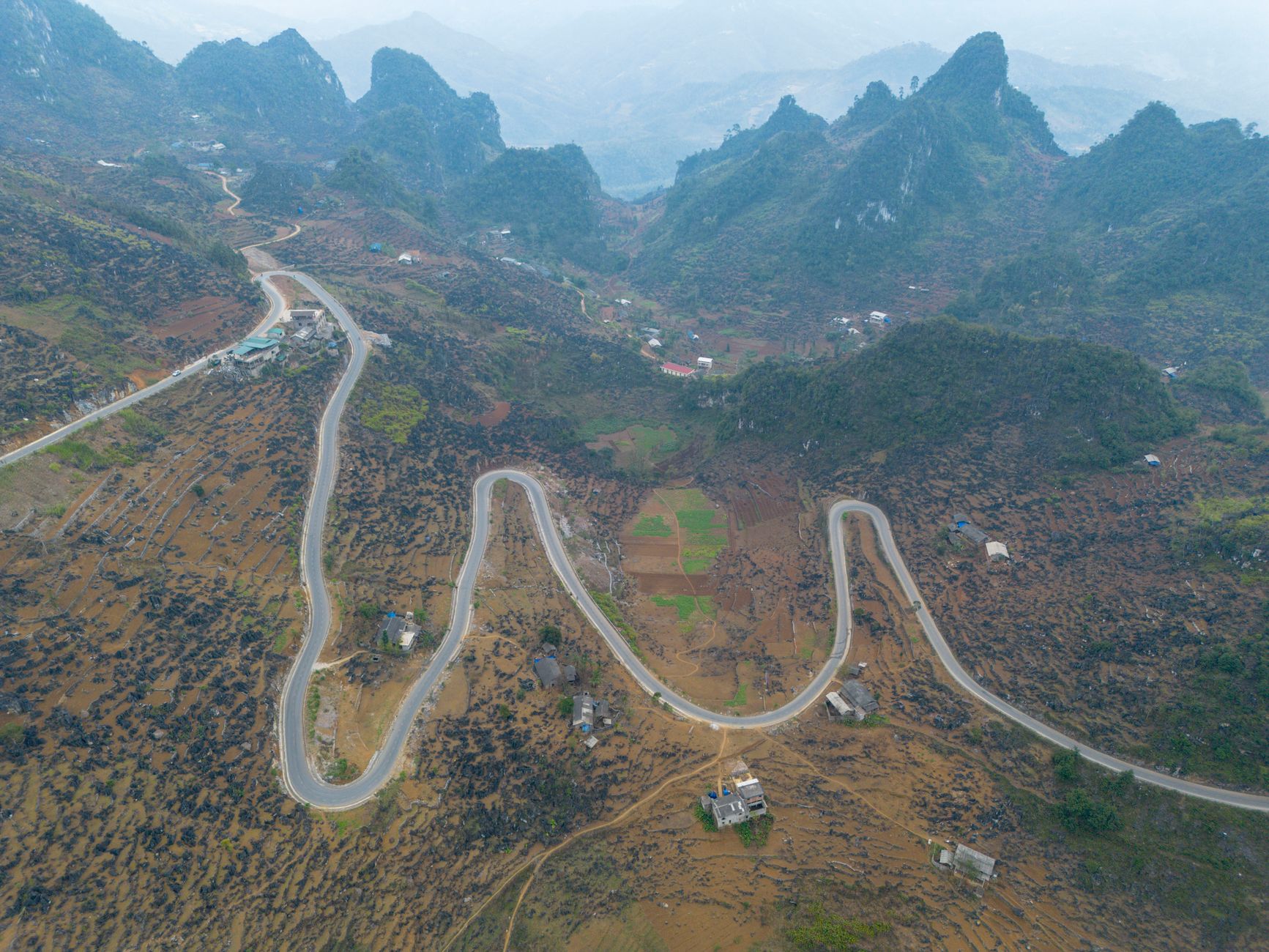
Most visitors come for the history — particularly those interested in Vietnam's 20th-century military past. But the setting itself is a draw. The fort overlooks terraced rice fields and limestone karst formations typical of Cao Bang province, and the town of Dong Khe is small enough that you'll likely be the only foreigner there. It's a contrast to the more-visited sites further south in Ninh Binh (닌빈 / 宁平 / ニンビン) or Ha Long Bay.
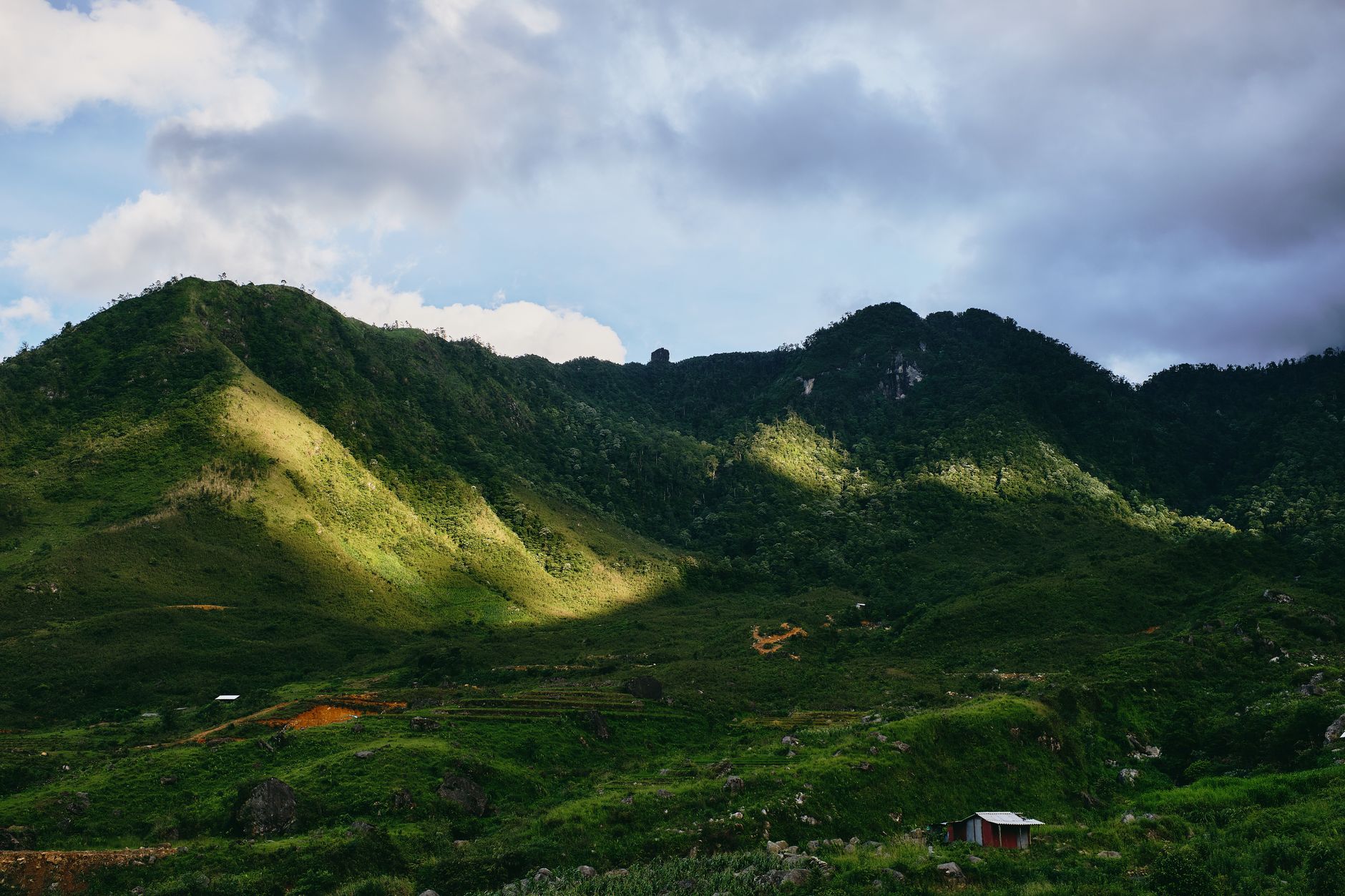
Photographers like the combination of crumbling colonial architecture against green mountain scenery. And if you're doing a motorbike loop through the northeast (Ha Giang to Cao Bang to Lang Son), Don Dong Khe is a natural stop along the way.
Best Time to Visit
September through November is ideal. The rice terraces around Dong Khe turn gold in late September and October, which makes the views from the fort especially good. The weather is cooler and drier than summer, and you avoid the foggy, cold months of December through February when visibility drops and the hilltop can be genuinely unpleasant.
March to May is a decent alternative — warm but not yet rainy. Avoid June through August if you can; the northeast monsoon brings heavy rain, muddy trails, and occasional road closures on the smaller routes.
How to Get There
From Cao Bang city, Dong Khe is about 45 km southeast along National Road 4A. The drive takes roughly 1 to 1.5 hours depending on road conditions.
- Motorbike: The most common option for independent travelers. Rentals in Cao Bang city run 150,000–200,000 VND per day for a semi-automatic. The road is paved but narrow in places, with some sharp curves through limestone passes.
- Local bus: There are minibuses from Cao Bang bus station heading toward That Khe and Lang Son that pass through Dong Khe town. Tickets cost around 40,000–60,000 VND. Departure times are irregular — ask at the station the day before.
- Hired car with driver: Around 800,000–1,200,000 VND for a half-day trip from Cao Bang city, depending on negotiation. Your hotel can usually arrange this.
From the town center, the fort is a short walk uphill — maybe 10 to 15 minutes on foot.

Photo by Thilina Alagiyawanna on Pexels
What to Do
Walk the Fort Ruins
The main structure includes remnants of thick stone walls, a watchtower base, and several partially collapsed bunkers. There's no entrance fee and no ticket booth — you just walk up. Give yourself 30 to 45 minutes to explore the site itself. Read the memorial plaques (some have English translations, most don't — a translation app helps).
Take in the View from the Hilltop
The fort was built here for a reason. From the top, you get an unobstructed view of the valley, the road below, and the karst mountains stretching toward the Chinese border. Mornings are best for photos before haze sets in.
Visit the Dong Khe Market
Dong Khe has a small daily market in the town center. It's a local affair — vegetables, dried goods, live poultry, and Tay ethnic-minority textiles. If you're there on a weekend morning, it's more active. Good for picking up snacks and seeing everyday life in a northeast border town.
Explore the Surrounding Countryside
The roads around Dong Khe wind through Tay and Nung minority villages with stilt houses and small rice paddies. A half-day motorbike ride on the back roads between Dong Khe and That Khe passes through some of the quietest, least-touristed landscape in the north.
Stop at Ban Gioc on the Same Trip
Ban Gioc Waterfall is about 85 km north of Cao Bang city. If you're making a multi-day loop, you can combine Don Dong Khe and Ban Gioc into a two or three-day itinerary based out of Cao Bang.
Where to Eat Nearby
Dong Khe town has a handful of "com binh dan" (everyday rice) shops along the main road. Don't expect menus — you point at what looks good.
Two things worth seeking out in the broader Cao Bang area:
- "Banh cuon" — Cao Bang's version uses thicker rice sheets than the Hanoi style, often stuffed with minced pork and wood ear mushroom, served with a lighter dipping sauce. Look for it at breakfast stalls in Dong Khe or Cao Bang city.
- Roast duck with "mac mat" pepper — a Cao Bang specialty. "Mac mat" is a local pepper with a citrusy, slightly numbing flavor. You'll find roast duck shops in Cao Bang city more easily than in Dong Khe itself.
Where to Stay
Dong Khe town has very limited accommodation — a couple of basic guesthouses ("nha nghi") in the 150,000–250,000 VND range. Expect a bed, a fan, and hot water if you're lucky. These are fine for one night but nothing more.
Most travelers base themselves in Cao Bang city, where there are more options:
- Budget: Guesthouses and mini-hotels from 200,000–400,000 VND per night.
- Mid-range: A few hotels around 500,000–800,000 VND with decent rooms, Wi-Fi, and breakfast.
- Homestays: Some Tay minority homestays exist in villages outside Cao Bang city, typically 250,000–350,000 VND including dinner. Ask at the Cao Bang tourism office or your hotel.
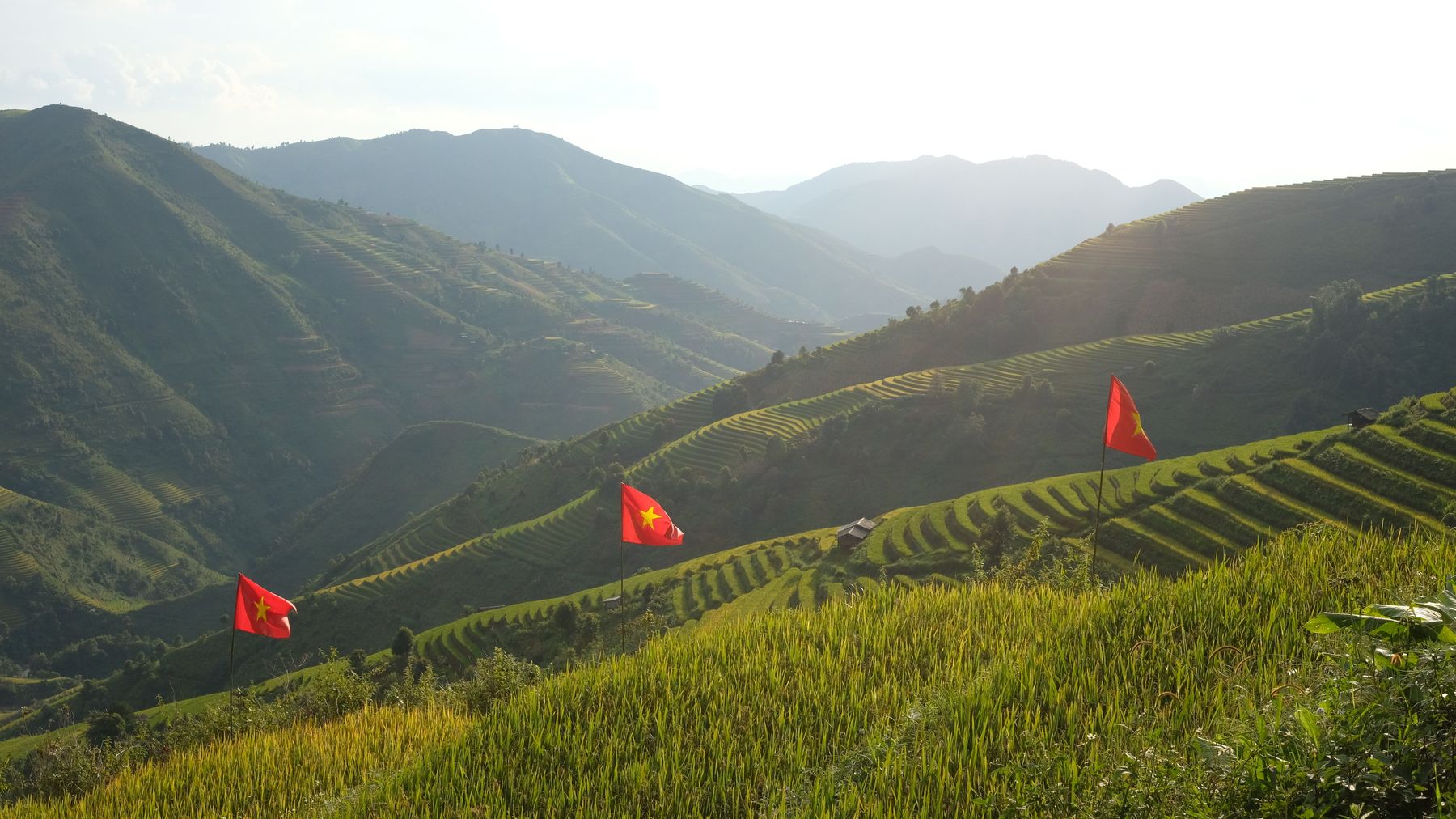
Photo by Sea Man on Pexels
Practical Tips
- Bring cash. There are no ATMs in Dong Khe town. The nearest reliable ATMs are in Cao Bang city — withdraw before you leave.
- Wear proper shoes. The path up to the fort is uneven and can be slippery after rain. Flip-flops won't cut it.
- Fuel up in Cao Bang. Petrol stations in Dong Khe exist but can be unreliable. Fill your tank before heading out.
- Learn a few phrases. Almost nobody in Dong Khe speaks English. Basic Vietnamese — "xin chao" (hello), "bao nhieu" (how much), "cam on" (thank you) — goes a long way. Many locals here speak Tay as their first language.
Common Mistakes to Avoid
- Rushing it as a day trip. You can technically do Dong Khe and back from Cao Bang in a half day, but the northeast rewards slower travel. Combine it with Ban Gioc or the drive down to Lang Son.
- Expecting signage or guides. There's no visitor center, no audio guide, no gift shop. Do your reading before you go.
- Skipping the town. Some travelers drive up to the fort, take photos, and leave. The town and surrounding villages are part of the experience — budget time for a meal and a wander.
Practical Notes
Don Dong Khe is not a major tourist site and probably never will be. That's the appeal. If you're doing the northeast loop through Ha Giang (하장 / 河江 / ハーザン), Cao Bang, and Lang Son, it's a worthwhile detour that adds historical depth to a region most travelers only see for its scenery. Just bring cash, good shoes, and some patience for the road.
Last updated · May 26, 2026 · independently researched, never sponsored.