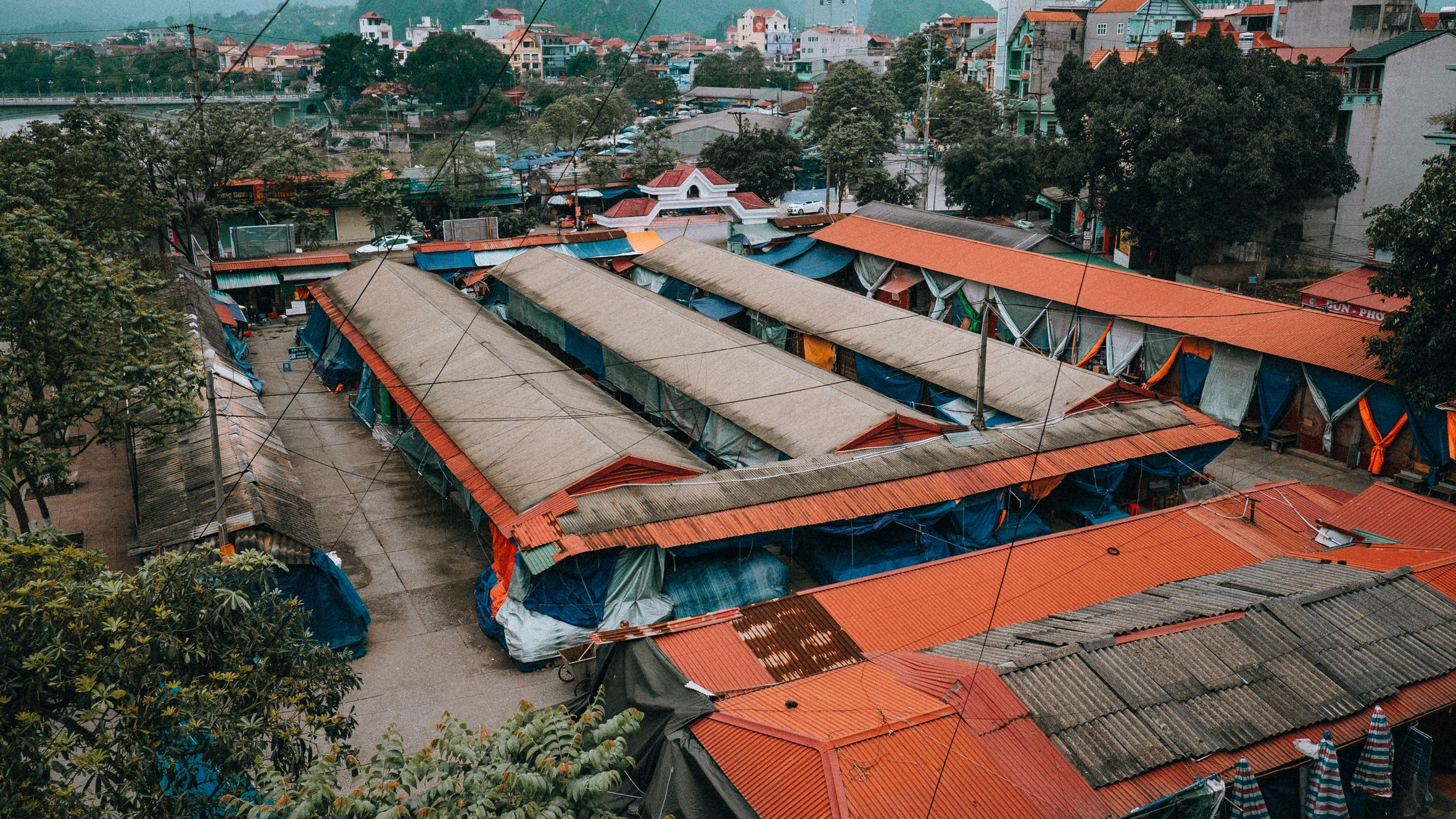
Cao Bang is the kind of place where the food makes more sense once you understand where you are — a limestone plateau town pressed against the Chinese border, shaped by Tay and Nung ethnic culture rather than the Kinh culinary mainstream. The two dishes that define breakfast here, "pho chua" and "banh cuon nong", are each a quiet argument for why regional Vietnamese food rewards the detour.
Pho Chua — Not What the Name Suggests
If you arrive expecting something like Hanoi's clear-broth pho (쌀국수 / 越南河粉 / フォー), slow down. "Pho chua" — literally sour pho — is a cold assembled dish, closer in spirit to a rice noodle salad than a soup. There is no steaming bowl. The noodles arrive at room temperature, draped over a base of sliced roast pork, fried tofu cubes, Chinese sausage, and crispy crackers, then doused with a sweet-sour sauce built on vinegar, a little sugar, and fermented liquid that varies by vendor. Peanuts and fresh herbs go on top. You mix it yourself.
The sourness is the point — it cuts through the fat of the pork and grounds the whole thing. It is a dish with clear cross-border DNA; you can taste influences from Guangxi across the frontier in the seasoning profile and the use of lap xuong (the cured sausage). That said, Cao Bang cooks have made it their own over generations, and what you find on the street here does not taste quite like anything on either side of the border.
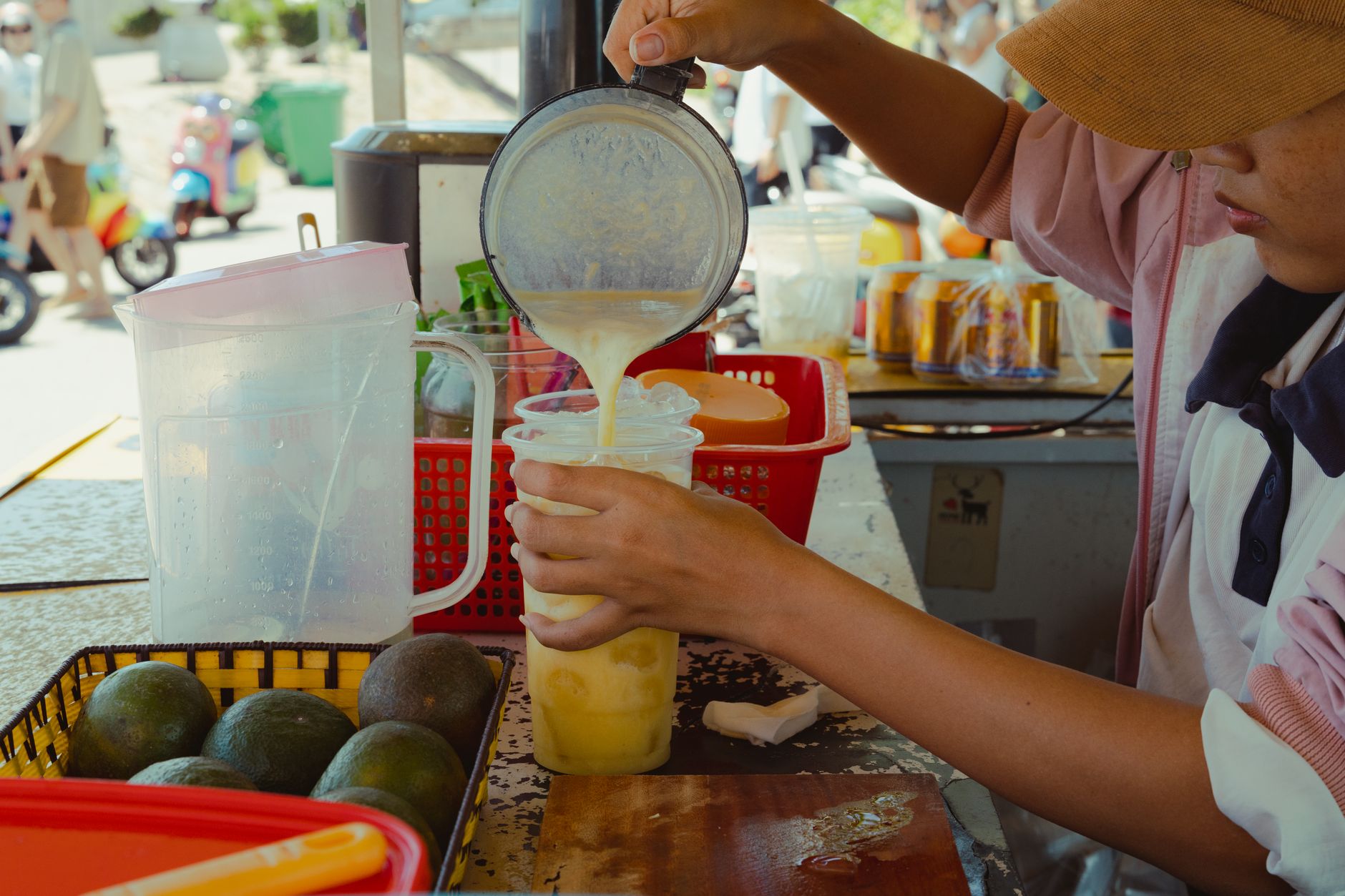
Street vendors set up from around 6 a.m. in the market area near Xuan Truong Street. A full portion runs 25,000–35,000 VND. Arrive before 8 a.m. if you want the best pork — vendors sell out of the prime slices early and start substituting by mid-morning. Ask for "it chua hon" (less sour) if you want to dial it back; most will adjust without fuss.
There is no single famous stall to pilgrimage to. The dish is democratic — most small breakfast spots in the central market district do a credible version. Walk past a few, look at what is prepped on the counter, and sit wherever the pork looks freshest.
Banh Cuon Nong — The Hot Version Matters
"Banh cuon (반꾸온 / 蒸米卷 / バインクオン)" exists across Vietnam, but the nong (hot) version in Cao Bang is worth separating out. In Hanoi, banh cuon tends to arrive already rolled, often lukewarm, sitting in a pool of dipping broth. Here, the vendor steams each thin rice sheet to order on a stretched cloth over a pot of boiling water, peels it off with a bamboo stick in one practiced motion, fills it with minced pork and wood ear mushroom, and rolls it while still hot. You eat it within minutes of it being made.
The textural difference between a just-steamed sheet and one that has been sitting is significant — the hot version is silkier, more delicate, and slightly sticky in a way that makes the dipping sauce cling rather than slide off. The dipping sauce in Cao Bang leans lighter than the Hanoi style, sometimes with a fermented element and less sweetness, which suits the more neutral flavor of the rice sheet.
A serving of four to six rolls costs 20,000–30,000 VND. Look for vendors operating from small carts with the characteristic cloth-covered steaming pot, usually parked near the market from early morning until around 10 a.m., when the rice batter runs out. Some spots reopen in the late afternoon for a second round.
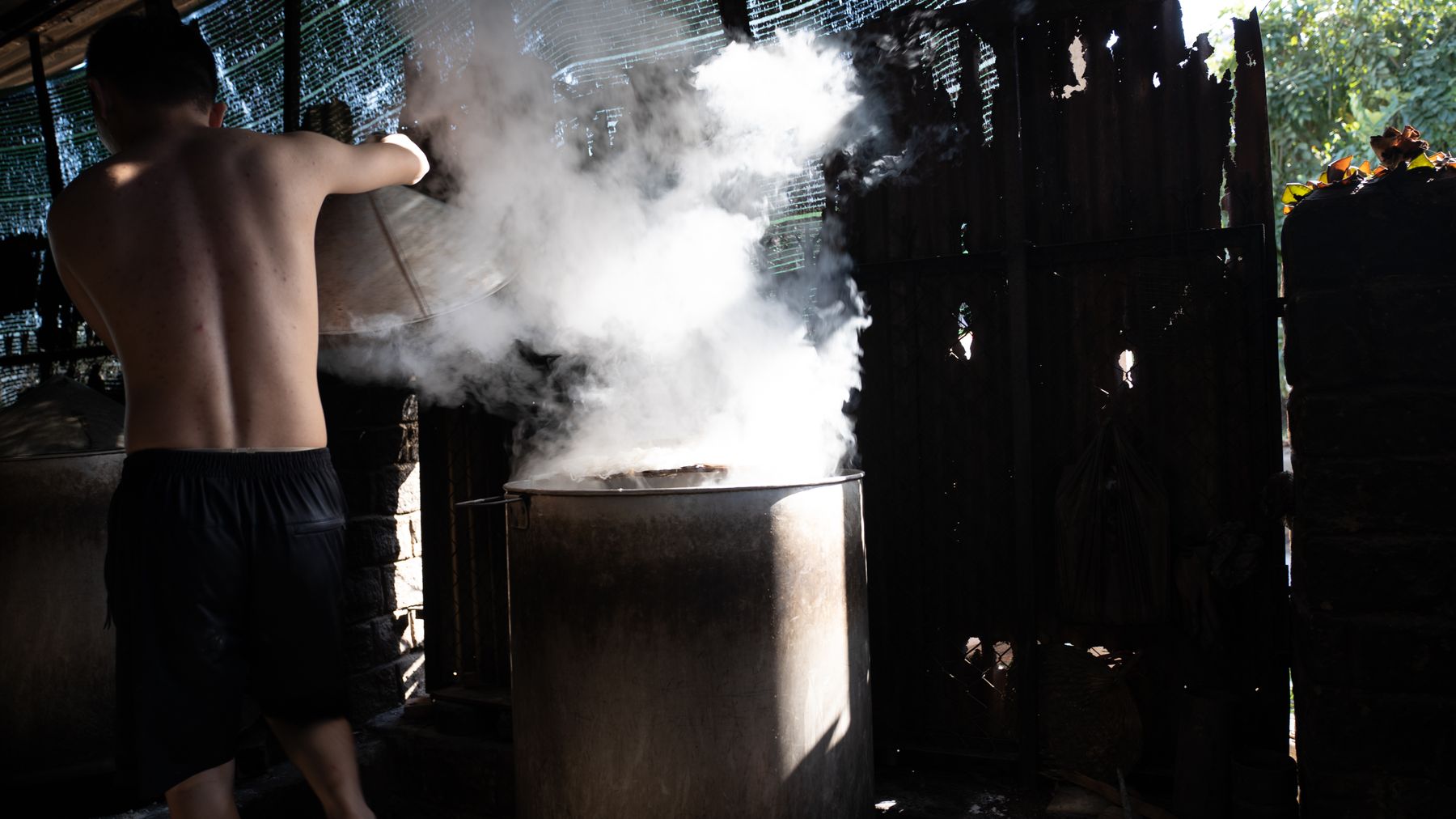
Photo by Quang Nguyen Vinh on Pexels
The Tay Food Context
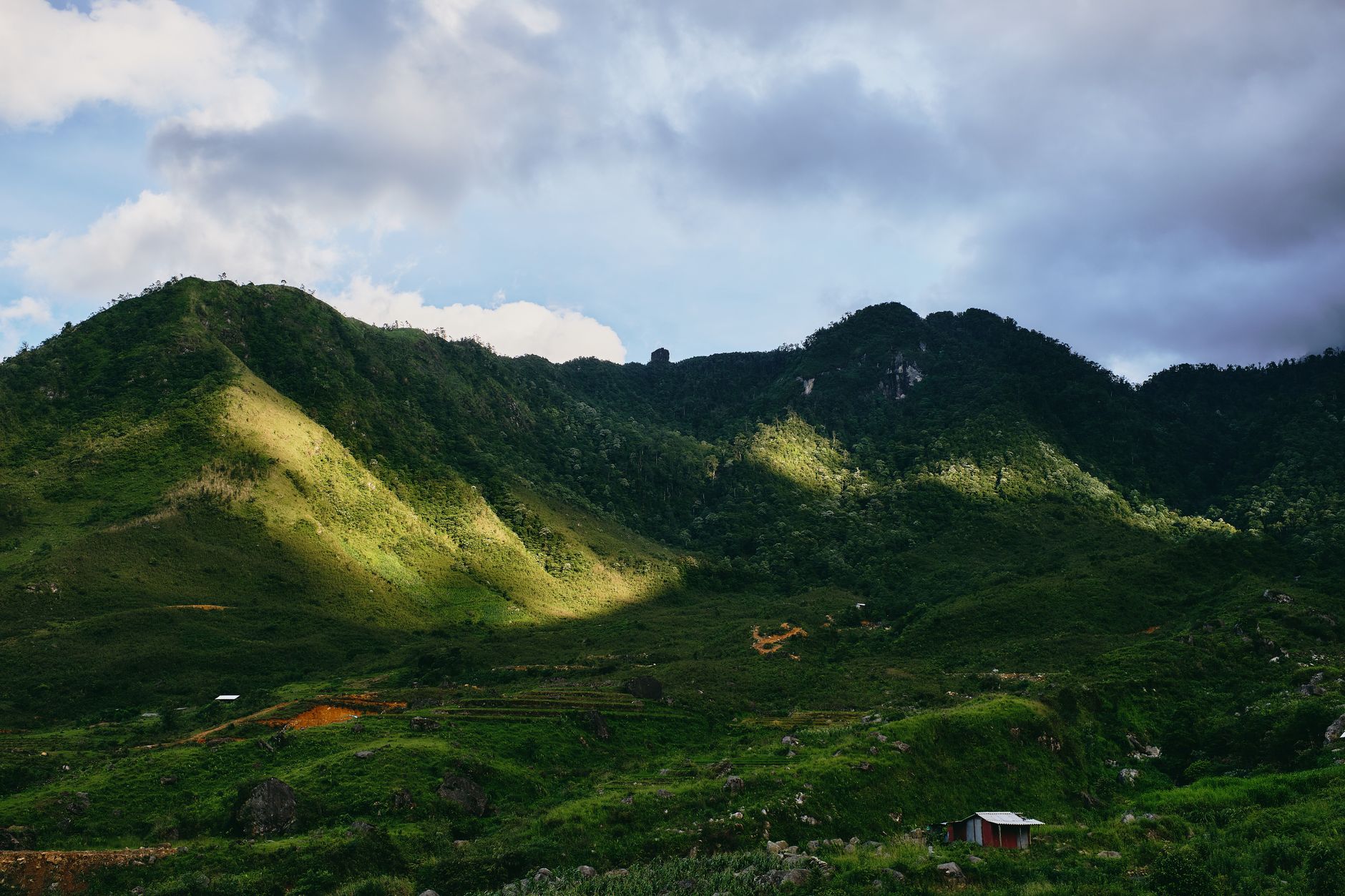
Cao Bang's Tay community — one of Vietnam's largest ethnic minorities, concentrated in the northeastern highlands — has shaped local food culture in ways that go beyond these two dishes. Tay cooking tends toward earthier, more fermented flavors and makes heavy use of locally foraged ingredients. The sour notes in pho chua are consistent with a broader Tay palate that values preserved and fermented ingredients as flavor anchors rather than just condiments.
The market in Cao Bang town is a good place to see this in wider context. Alongside pho chua vendors you will find stalls selling smoked buffalo meat, jars of fermented bamboo shoots, and wild greens that do not appear in any lowland market. It is not a curated heritage experience — it is just where people shop and eat. Show up on a weekend morning when the surrounding villages send traders in.
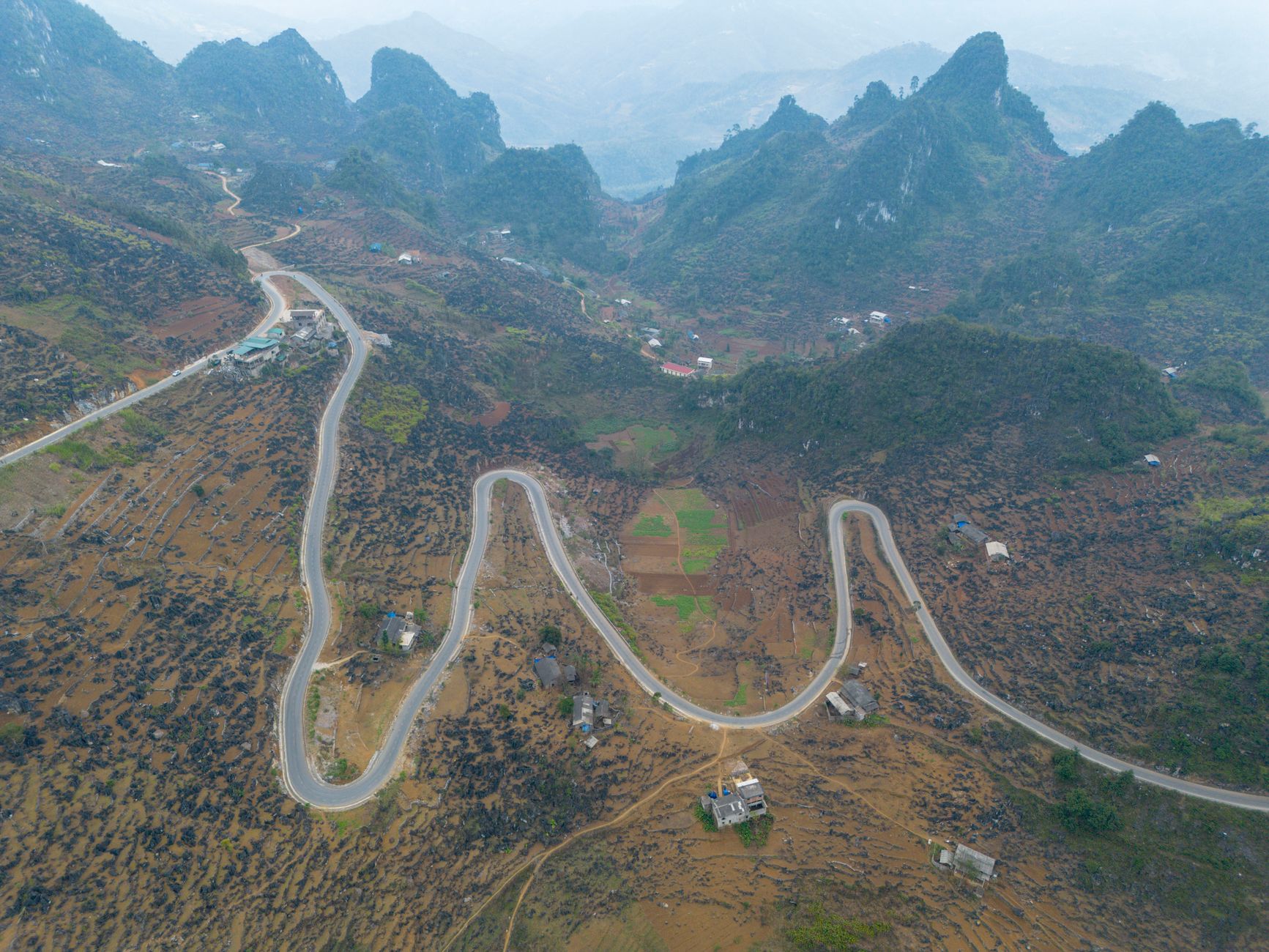
If you are building a wider trip through the northeast, Cao Bang pairs naturally with Ha Giang to the west and the Ban Gioc waterfall area about 90 km northeast of town. The food changes as you move — Ha Giang has its own distinct buckwheat and corn culture — but the northeastern highlands share a preference for direct, fermented, unfussy flavors that is a useful frame for understanding what you are eating.

Photo by Tuan Vy on Pexels
Practical Notes
Cao Bang town is roughly 270 km from Hanoi by road — allow six to seven hours by bus or car, longer if you take the scenic route through Bac Kan. Most pho chua and banh cuon nong action happens between 6 and 9 a.m., so plan your first morning accordingly. Neither dish is well-documented in English online, which means ordering by pointing and being willing to eat what arrives — both are safe bets.
Last updated · May 29, 2026 · independently researched, never sponsored.