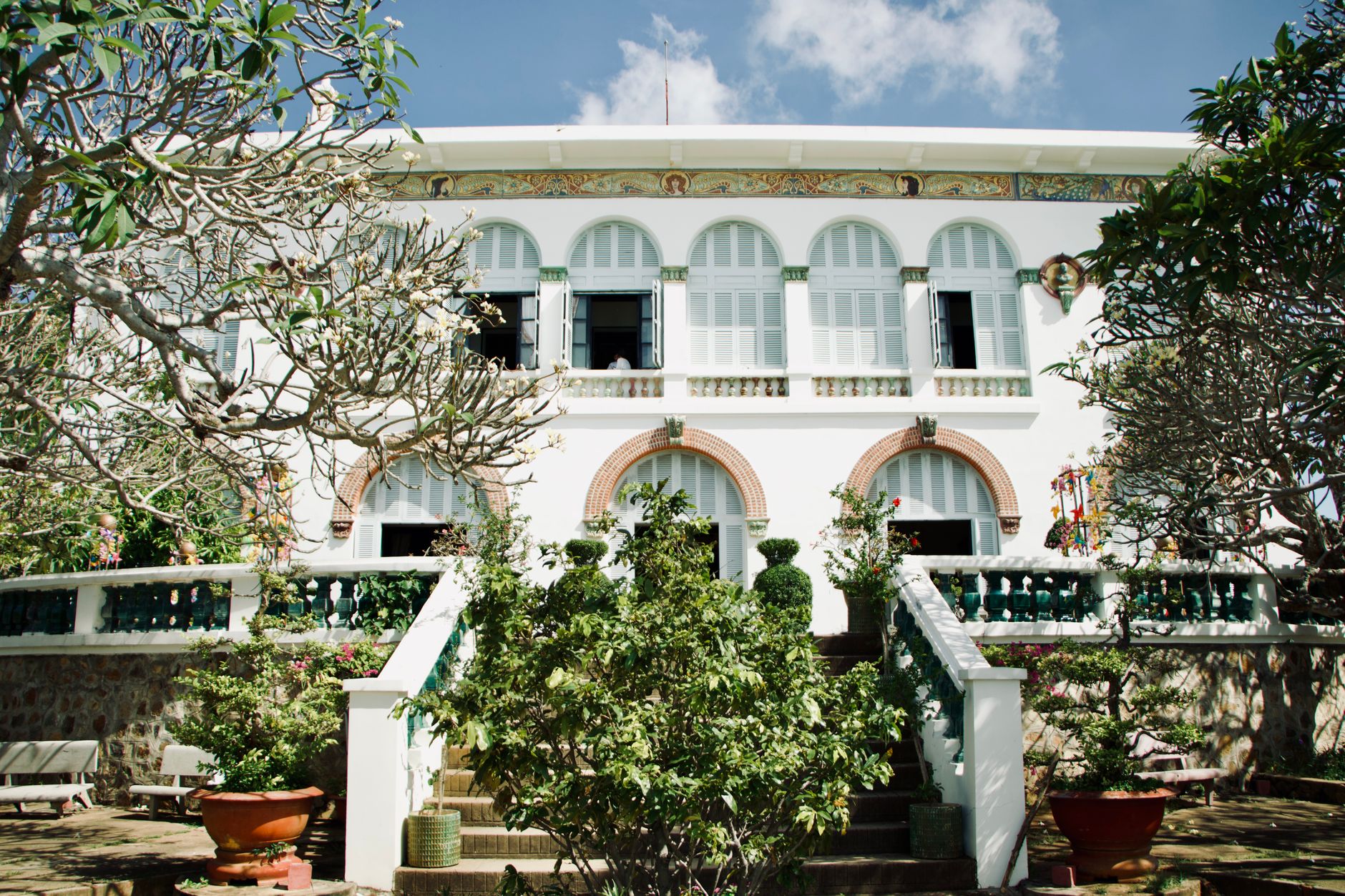
Quang Nam's food identity sits at a crossroads: Hoi An's heritage recipes, coastal seafood from Da Nang proximity, and inland mountain herbs and vegetables. The province stretches from the central highlands (중부 고원 / 中部高原 / 中部高原) down to the coast, so you're eating a compressed version of central Vietnam's entire food story in one place.
The best strategy is to separate Hoi An (호이안 / 会安 / ホイアン) (the tourist-heavy ancient town) from the rest of Quang Nam. Hoi An gets crowded and pricey; the surrounding markets and smaller towns deliver the same dishes at half the cost and with less Instagram posturing.
Cao Lau — The Signature Noodle
"Cao lau" is Hoi An's most famous export. It's chewy, crispy-edged noodles made with water from a specific well (locals will tell you this matters; it probably doesn't, but the lore is real), tossed with sliced pork, bean sprouts, and croutons, then drizzled with a light tamarind dressing.
The tourist version: 80,000–120,000 VND in the old town restaurants on Tran Phu Street. Portions are small, presentation is Instagram-ready, and you're paying for the table's view of a lantern-lit street.
The local version: 30,000–40,000 VND at market stalls near Hoi An Central Market (Bach Dang Street entrance). Same dish, bigger bowl, no markup. Sold from 10 a.m. until around 2 p.m., then gone. Go early.
Best local spot without hunting: Cao Lau Quang Hop, a small counter-service place on Nguyen Hue Street (just off the main tourist drag). 35,000 VND, no frills, locals eating elbow-to-elbow. The noodles are chewier than most tourist versions—they actually taste like they were made with intention.
Mi Quang — The Turmeric Noodle Soup
"Mi quang" is a turmeric-tinted broth with fresh herbs, pork or shrimp, and a scatter of roasted peanuts. It's messier to eat than cao lau (the noodles are thinner, the broth splashes), and it's less photogenic, which is why tourists often skip it. Mistake.
Quang Nam versions lean heavily turmeric-forward and often include local fish cakes. You'll find it at any morning market: 25,000–35,000 VND for a full bowl. Hoi An's old town charges 50,000–70,000 VND for the same thing in a ceramic bowl.
Go to An Hoi Market on the western edge of the old town (not the Central Market—it's less touristy). Morning only, before 10 a.m. Get there at 7:30 a.m. if you want your pick of vendors. The mi quang stall near the vegetable section (ask anyone) makes it with a bone broth that's been simmering since 4 a.m.
Banh Xeo — The Sizzling Crepe
"Banh xeo" is a crispy, turmeric-yellow crepe folded around pork, shrimp, and bean sprouts. The sizzle comes from the cast-iron pan; the ritual comes from wrapping it in lettuce and herbs and dipping it in fish sauce.
Central Vietnam's banh xeo is lighter and greasier than southern versions—you'll notice the difference if you've eaten it in Saigon. Quang Nam's often includes pork offal (liver, heart) in addition to the standard muscle meat, which deepens the flavor.
Tourist restaurants in Hoi An: 50,000–80,000 VND for one crepe. Local market stalls: 20,000–30,000 VND for two. The difference in taste is nonexistent; the difference in your wallet is significant.
Banh Xeo 190 (190 Nguyen Duy Hinh Street, near Hoi An market) is a small, no-frills shack where locals eat breakfast. 25,000 VND per crepe. The owner cooks about 200 a morning and closes by 10 a.m. No English menu; point at what looks good.
Goi Cuon and Cha Gio — The Hand Rolls and Spring Rolls
"Goi cuon" (fresh summer rolls) are a safe, light lunch option: rice paper, shrimp, herbs, pork, wrapped fresh to order. Quang Nam's versions usually include more peppermint and less mint than you might expect. 15,000–25,000 VND for 3 rolls in markets; 40,000–60,000 VND in tourist restaurants.
"Cha gio" (crispy fried rolls) are porkier and heavier, often made with crab as a binder in coastal Quang Nam. Crispier shells here than in the north. 20,000–30,000 VND for 3 at stalls; 50,000+ in restaurants.
Don't hunt for these specifically—they're everywhere. Every market has a cha gio vendor; every restaurant has both. Grab them as sides to other meals rather than as standalone dishes.

Photo by HONG SON on Pexels
Com Tam — The Broken-Rice Staple
"Com tam" is a lunch staple made from broken jasmine rice (cheaper, nuttier than whole grains), usually served with grilled pork, a fried egg, and pickled vegetables. It's peasant food that tastes like someone's grandmother cooked it.
Quang Nam's com tam leans toward sweet pork—marinades often include a touch of honey or rock sugar. Coastal areas add dried shrimp powder to the rice itself.
30,000–40,000 VND at lunch-time stalls. Vanishes by 1:30 p.m. Go midday, not evening.
Around Hoi An Bus Station (about 2 km southwest of the old town, near the market), there's a row of com tam stalls operating from 11 a.m.–1:30 p.m. Prices are 28,000–35,000 VND. The pork is charred on the outside, soft inside. This is where locals eat lunch before catching a bus to Da Nang or Tam Ky.
Seafood — Fresh and Cheap Near the Coast
Hoi An sits about 30 km from the coast; Tam Ky and Chu Lai are closer. If you take a motorbike ride to Cua Dai Beach (5 km east of Hoi An) or the small fishing port at Cua Dai, seafood prices drop 40–50% compared to restaurants in town.
Grilled fish, prawns, squid, crab—all sold by the kilogram at market rates. A whole grilled snapper (cá vược): 100,000–150,000 VND depending on size. In Hoi An's old town, the same fish costs 250,000–350,000 VND.
Local beach restaurants (just shacks with plastic tables on the sand) will cook fish you buy at the market for a small fee (usually 15,000–25,000 VND per dish). Bring cash; most don't have card machines.
Markets Where Locals Actually Eat
Hoi An Central Market (Cho Hoi An): Open 5 a.m.–6 p.m., busiest 6–9 a.m. Pho, banh mi, com tam, goi cuon, cha gio, mi quang all available. A full breakfast of pho and coffee for two people: 50,000–70,000 VND. Prices listed in Vietnamese; no English signage. Point and nod.
An Hoi Market: Smaller, less touristy than Central. Better for mi quang and regional specialties. Morning only, 5–10 a.m.
Tam Ky Central Market (if you venture 40 km north to Tam Ky): Larger, busier, less geared toward tourists. Fish and seafood are cheaper. Worth the motorbike ride if you're staying a few days.
Banh Mi and Pho — The Everyday Stuff
You'll find decent "banh mi" and "pho" everywhere. Neither is a regional signature, but Quang Nam's versions are solid. Banh mi here often includes Vietnamese ham (gio) rather than the French-style pâté you might expect. Pho is usually pork-based if beef is unavailable.
20,000–30,000 VND for banh mi. 25,000–40,000 VND for pho. No surprises.

Photo by Pragyan Bezbaruah on Pexels
Drinks: Coffee and Beyond
Central Vietnam's coffee is strong and sweet, usually served as "ca phe sua da" (iced coffee with sweetened condensed milk). Quang Nam's coffee culture is less famous than Da Lat's (the highland region south of here), but it's everywhere and consistently good.
15,000–20,000 VND for a cup at a street stall. 35,000–50,000 VND at a sit-down café. Egg coffee (a Hanoi specialty) is harder to find here, but some cafés in Hoi An offer it now (50,000+ VND).
"Bia hoi" (fresh draft beer) is ubiquitous. 10,000–15,000 VND per glass at a bia hoi stall. Evening time, starting around 4 p.m., local men gather for a beer and chat. Tourists are welcome; join a table if you see one with space.
Cost Expectations
Market stall meal (street food, banh mi, pho, com tam): 30,000–50,000 VND per person.
Casual local restaurant (family-run place, plastic chairs, no English menu): 50,000–100,000 VND per person for a full meal.
Tourist restaurant in Hoi An's old town: 150,000–300,000 VND per person for similar food.
Upscale restaurant (nice decor, English menu, wine list): 300,000–600,000 VND per person.
The gap between "market food" and "old town restaurant" is enormous. The gap in quality is minimal. Eat where locals eat.
How to Avoid Tourist Traps
If it has a laminated menu with photos on the street, walk past it. Those restaurants exist solely to trap tourists. Prices are inflated 3–5x; quality is mediocre.
Avoid restaurants on Tran Phu Street in Hoi An's old town after 6 p.m. Tourist crowds create a supply-demand mismatch. Prices spike; portions shrink. Eat earlier or eat elsewhere.
Don't order "set menus" designed for foreign tourists. They're expensive and portion-controlled. Order individual dishes and share.
Coffee in the old town costs double what it does in a local café 500 meters away. The location premium is real. Walk.
Street vendors selling grilled seafood near the old town entrance are overpriced. Go to the actual market or to Cua Dai Beach instead.
Practical Notes
Most street food vendors and market stalls don't speak English; they expect cash (VND). Download Google Translate's camera function for reading Vietnamese signage. Breakfast and lunch stalls operate early and close by mid-afternoon; dinner requires sitting restaurants. Tap water in Hoi An is generally safe to drink; ice in street drinks is usually made from filtered water, but if you're cautious, stick to hot beverages or bottled water.
Last updated · May 29, 2026 · independently researched, never sponsored.