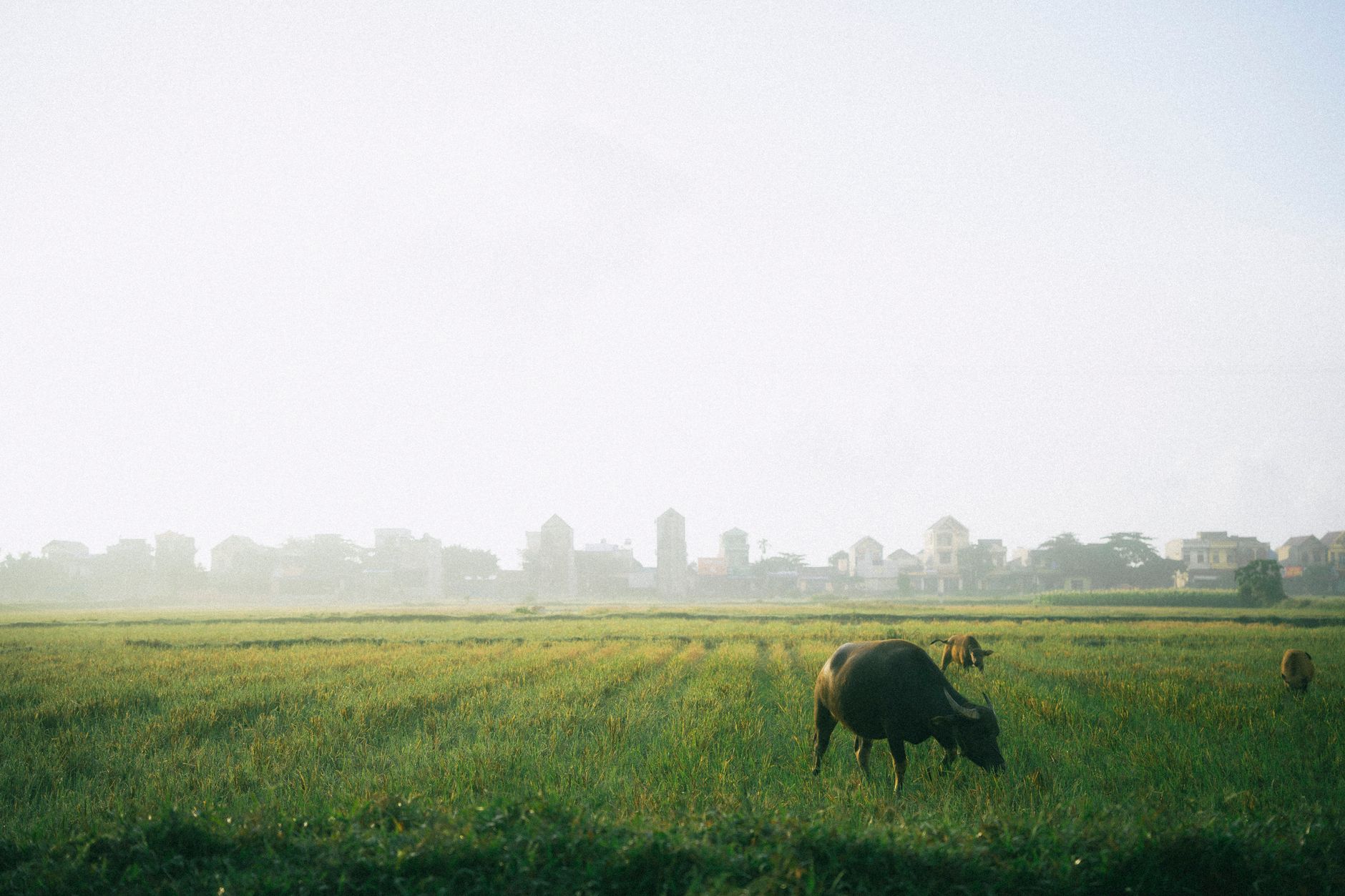
Phu Quoc has fish sauce, pepper farms, and sim wine, but locals will tell you the dish that actually separates the island from everywhere else is "goi ca trich" — a raw herring salad that only works when the fish comes off the boat that morning.
What Ca Trich Actually Is
Ca trich is a small coastal herring, silvery and finger-length, found in the Gulf of Thailand. It's oilier and richer than the lean white fish used in most Vietnamese raw preparations, which is exactly why it holds up to the bold dressing. The flesh is thinly sliced — sometimes shaved — and hit immediately with lime juice, which firms it up and starts a brief cure. Left too long and the texture turns chalky. Done right, you get something between sashimi and a proper dressed salad: yielding, clean, faintly sweet from the fish fat.
The salad itself layers those cured slices with shredded young coconut, crushed roasted peanuts, sliced shallots, Vietnamese coriander (rau ram), and sometimes thin-cut green banana or unripe mango. The dressing is simple — lime, fish sauce, a little sugar, fresh chili. No mayonnaise, no sesame oil, nothing imported. The coconut shreds do the work a Western cook might assign to a creamy element: they soften the acidity and give each bite some body.
Why Freshness Is Non-Negotiable
Most Vietnamese raw fish dishes tolerate fish that's a few hours old. Goi ca trich does not. The herring starts to lose its clean flavour within hours of being caught, and any hint of fishiness in the flesh makes the whole salad unpleasant — the lime can't fix it, the herbs can't mask it. This is why the dish is essentially local. You won't find a reliable version in Saigon or even in the tourist restaurants clustered around Duong Dong market. The supply chain is too long.
At the fishing villages, the fish comes in from small inshore boats, and the kitchens process it the same morning. That proximity is the point.
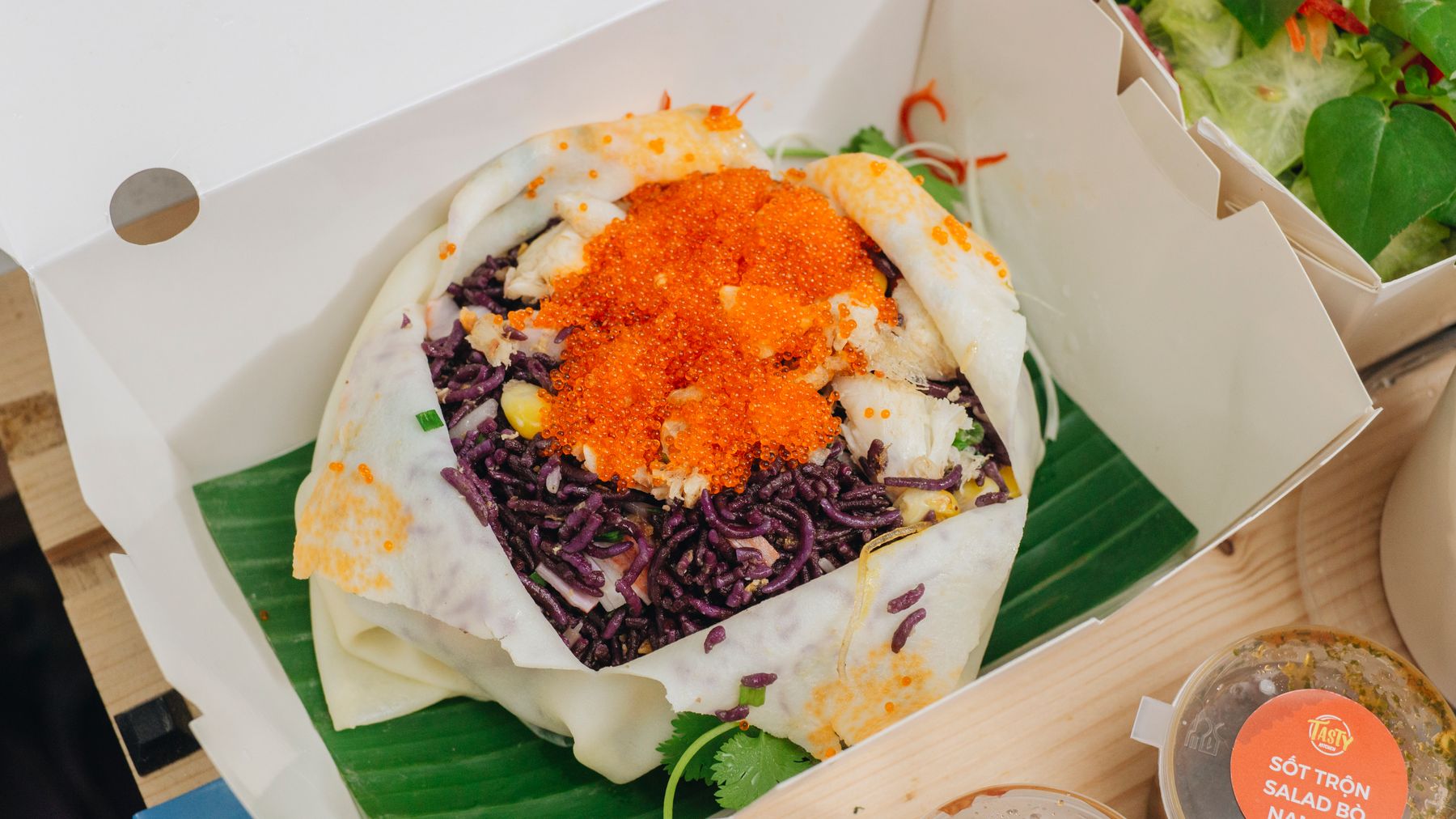
Photo by FOX ^.ᆽ.^= ∫ on Pexels
Where to Eat It
Ham Ninh is the village most associated with goi ca trich. It sits on the east coast of the island, about 25 km from Duong Dong, on a shallow bay that smells like drying seafood and low tide. The waterfront has a row of raised wooden restaurants on stilts above the water — basic plastic furniture, no English menus, prices written on chalkboards. A full plate of goi ca trich with rice paper, herbs, and dipping sauce runs about 80,000–100,000 VND. Order grilled clams and a cold Saigon (사이공 / 西贡 / サイゴン) beer alongside it and you've got a proper meal.
Cua Can, a fishing and farming village on the north end of the island roughly 17 km from the main town, also serves it well. The atmosphere is quieter than Ham Ninh — fewer tourists, more locals eating lunch — and the fish quality is equally good because the boats work the same waters. A handful of small com nha (home-cooking restaurants) near the Cua Can River market offer it from around 10am until the fish runs out, usually early afternoon.
In Duong Dong itself, a few seafood places near the night market carry it, but ask specifically how fresh the ca trich is before ordering. If the answer is vague, skip it.
How to Eat It
The standard method is the rice paper wrap. Dried rice paper sheets (banh trang) come on a plate alongside a bundle of fresh herbs — lettuce, mint, rau ram, sometimes shiso — and a small bowl of sweet-sour dipping sauce (nuoc cham). You tear off a sheet of rice paper, lay a piece of lettuce flat on it, add a spoonful of the herring salad with coconut and peanuts, tuck in a couple of herb leaves, roll it loosely, and dip.
The rice paper wrap isn't just a delivery mechanism — the starchy chew of the wrapper slows you down and lets the flavours settle between bites. Eating the salad straight from the plate feels rushed by comparison. Some tables also bring prawn crackers (banh phong tom) as an alternative crunch vehicle, which works fine but misses some of the textural point.
If you're eating at Ham Ninh, pace yourself. It's easy to order two rounds without realising it.

Photo by Quang Nguyen Vinh on Pexels
A Note on the Island Context
Phu Quoc (푸꾸옥 / 富国岛 / フーコック)'s food identity leans heavily on its fishing economy and its isolation from the mainland supply chain, which historically forced cooks to work with whatever came off local boats. Goi ca trich is a direct product of that: a dish invented to showcase an abundant local fish at the precise moment it's best. It's not Phu Quoc's only specialty — the island's fish sauce (nuoc mam Phu Quoc) has a protected designation, and the black pepper from Ha Tien Road farms shows up in nearly everything — but it's the one that requires you to actually be there to eat it properly.
If you're building out your time on the island around food, pair a morning at Ham Ninh fishing village with an afternoon at one of the pepper farms and you'll cover two of the island's most distinctive flavours in a single day.
Practical Notes
Ham Ninh is accessible by motorbike or taxi from Duong Dong in about 40 minutes. Most stilt restaurants are open from roughly 9am to 4pm; arrive before 1pm for the best fish selection. Cua Can is a shorter ride north and suits an early lunch if you're exploring that end of the island.
Last updated · Apr 20, 2026 · independently researched, never sponsored.