What it is
Ham De Castries is the underground command bunker used by French Colonel Christian de Castries during the 1954 Battle of Dien Bien Phu. It sits right in the center of modern-day Dien Bien Phu city, on Muong Thanh Field — the valley floor where the entire siege played out. The bunker has been preserved and partially reconstructed as a memorial site, and it's the single most-visited historical attraction in the province.
The structure itself is modest: a series of low-ceilinged rooms reinforced with timber, corrugated steel, and sandbags. Inside, you'll find maps, a radio room, de Castries' desk, and period displays showing how the command post operated during the 56-day siege. It's compact — you can walk through the whole thing in 15 minutes — but it anchors a much larger complex of battlefield monuments, trenches, and hilltop positions scattered across the valley.
Why travelers go
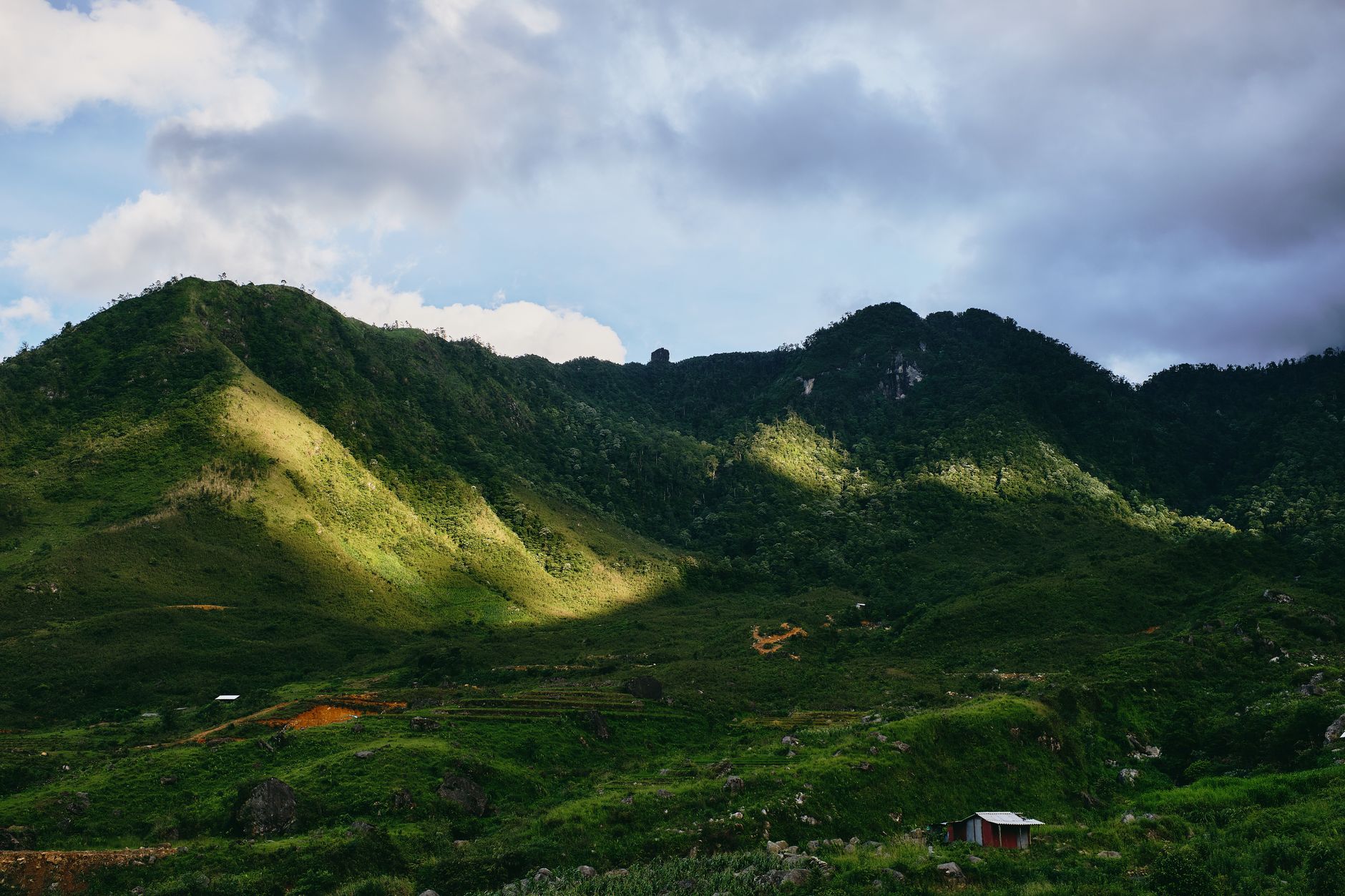
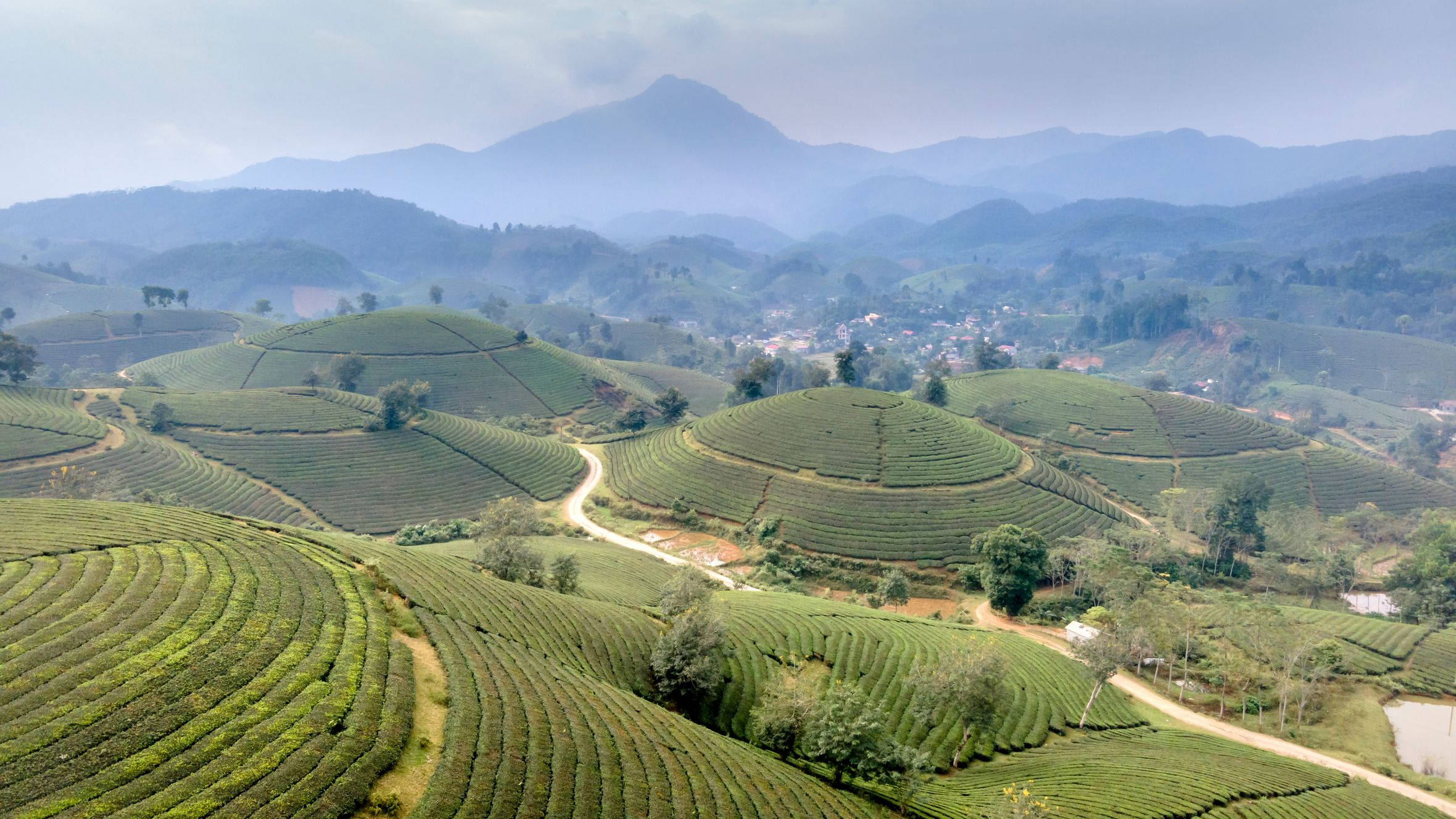
Dien Bien Phu doesn't get the foot traffic of Hanoi or Sapa, and that's part of the appeal. Ham De Castries draws history-minded travelers, but the surrounding valley — ringed by green mountains, dotted with rice paddies, and home to Thai and Hmong communities — is worth the trip on its own. The bunker gives you a focal point and context for understanding the landscape. Standing on Muong Thanh Field, you can look up at Hill A1 (Eliane 2) and the surrounding ridgelines and actually grasp the geography of the battle in a way no textbook delivers.
For travelers already exploring the northwest — coming from or heading to Sapa (사파 / 沙坝 / サパ), Mu Cang Chai, or the Son La loop — Dien Bien Phu is a logical overnight stop rather than a detour.
Best time to visit
The dry season from October through March is the most comfortable window. December and January can get surprisingly cool in the valley, especially at night — bring a light jacket. March is when the city hosts its annual commemoration of the battle (around May 7, but preparations start early), and you'll find the site better maintained and more animated.
Avoid July and August if you can. The northwest gets heavy rain, and the roads in from Lai Chau or Son La can be slow going with fog and occasional landslides.

Photo by chiến bá on Pexels
How to get there
Dien Bien Phu has a small domestic airport (code: DIN) with daily flights from Hanoi on Vietnam (베트남 / 越南 / ベトナム) Airlines. Flight time is about 75 minutes, and one-way tickets typically run 1,200,000–1,800,000 VND if booked a couple of weeks ahead. It's the fastest option by a wide margin.
By road from Hanoi, the most common route runs through Son La on National Highway 6, then QL279 into Dien Bien — roughly 470 km and 9–11 hours depending on conditions. Sleeper buses operated by Hai Van or Hung Thanh depart from My Dinh bus station nightly around 8–9 PM, arriving early morning. Tickets cost around 350,000–450,000 VND.
If you're riding a motorbike through the northwest loop, Dien Bien Phu fits naturally between Sapa (via Lai Chau, about 190 km) and Son La (about 160 km). The Lai Chau–Dien Bien stretch on QL12 is one of the more scenic mountain roads in the north.
From the city center, Ham De Castries is walkable — it's on Vo Nguyen Giap Street, about 1 km from most guesthouses. A "xe om" (motorbike taxi) costs 15,000–20,000 VND.
What to do
At the bunker
Entry costs 20,000 VND. There's a small exhibit room at ground level before you descend into the bunker proper. Signage is in Vietnamese and French, with some English panels. Give yourself 20–30 minutes inside, then walk the perimeter of the site, where you'll see reconstructed trenches and a few tanks and artillery pieces on display.
Nearby sites
The battlefield complex extends well beyond the bunker. Hill A1 is about 800 meters east — it's a short but steep climb with a tunnel entrance at the top where Viet Minh forces detonated a massive mine. The Dien Bien Phu Museum, about 500 meters from the bunker, is worth an hour. It houses a large collection of photographs, weapons, and a detailed diorama of the valley during the siege. Entry is 20,000 VND.
The Dien Bien Phu Cemetery, where Vietnamese soldiers are buried, sits quietly on the western edge of the field. It's a contemplative place, well-kept and uncrowded.
If you have a second day, rent a motorbike and ride out to Pa Khoang Lake, about 20 km west of the city. The road passes through Thai villages and the lake itself is peaceful — good for a half-day escape. The round trip takes 2–3 hours with stops.
Where to eat
Dien Bien Phu isn't a culinary destination, but you'll eat well enough. The local specialty is "com lam" — sticky rice cooked inside bamboo tubes, usually served with grilled pork or chicken. You'll find it at small restaurants along Tran Dang Ninh Street near the market.
For "pho", try the stalls on Hoang Van Thai Street near the bus station — they open early and serve a northwestern-style beef pho with wider noodles and a cleaner, less sweet broth than what you'd get in Hanoi. A bowl runs 35,000–45,000 VND.
The night market area near Him Lam bridge has grilled meat skewers, "banh mi", and local rice wine. Budget 80,000–120,000 VND for a filling dinner with drinks.

Photo by James L on Pexels
Where to stay
Accommodation is basic but affordable. Muong Thanh Hotel (the big one on the main road) is the most well-known option — clean rooms, hot water, and breakfast for around 500,000–700,000 VND per night. Him Lam Hotel and A1 Hotel are solid budget picks at 250,000–400,000 VND. Homestays exist in surrounding villages, especially near Pa Khoang Lake, but availability is inconsistent — ask at the tourism office on Nguyen Chi Thanh Street.
Practical tips
- Bring cash. ATMs exist in the city center (Agribank, BIDV) but card payment is rare outside the larger hotels.
- The bunker and museum close at 11:30 AM for lunch and reopen at 1:30 PM. Plan accordingly.
- If you're combining Dien Bien with a northwest motorbike loop, carry rain gear and a basic repair kit. Fuel stations are spaced 30–50 km apart on the mountain roads.
- Vietnamese SIM cards (Viettel has the best coverage up here) work in the city but signal drops on rural roads.
Common mistakes
Showing up without enough time is the biggest one. Travelers often pass through for just a few hours, see the bunker, and leave. The valley deserves at least one full day — ideally two if you want to visit Hill A1, the museum, and Pa Khoang Lake without rushing.
Another mistake: assuming Dien Bien Phu is remote and difficult to reach. The flights from Hanoi make it genuinely easy. You can leave Noi Bai in the morning and be standing in the bunker by lunch.
Finally, don't skip the museum. It's better curated than most provincial museums in Vietnam, and the context it provides makes the bunker visit significantly more meaningful.
Last updated · May 29, 2026 · independently researched, never sponsored.