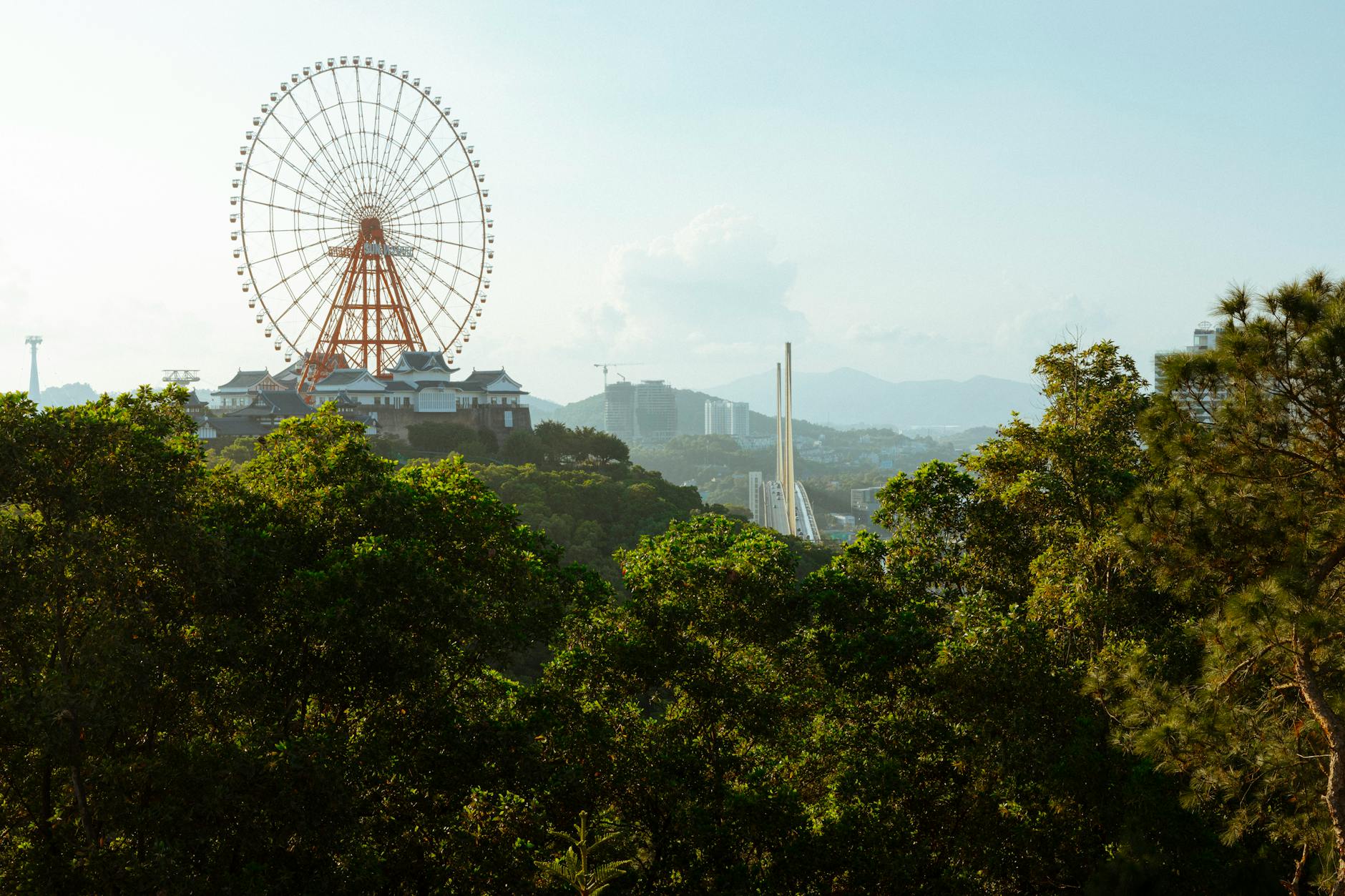
Hang Dau Go — Wooden Stakes Cave — sits on Dau Go Island in Ha Long Bay, and it's one of the biggest grottoes in the entire bay system. If you're already planning a Ha Long Bay trip, this cave deserves a spot on your route, not as a detour but as a highlight.
What it is and a bit of history
Hang Dau Go is a limestone cave roughly 25 meters above sea level, spread across three main chambers that go deeper and wider as you walk in. The name translates to "Wooden Stakes Cave," tied to a 13th-century story: General Tran Hung Dao allegedly stored sharpened wooden stakes here before driving them into the Bach Dang River to sink Mongol ships. Whether the stakes were actually stored in this exact cave is debated, but the name stuck.
French colonists called it Grotte des Merveilles — Cave of Wonders — when they explored it in the 1890s. The cave has been open to tourists for decades and remains one of the most visited grottoes in Ha Long Bay (하롱베이 / 下龙湾 / ハロン湾), partly because of its size and partly because tour boats pass right by Dau Go Island on standard routes.
Why travelers go
The three chambers inside Hang Dau Go are genuinely large. The first chamber gets natural light filtering through the entrance, which makes the stalactites and stalagmites easier to photograph than in darker caves. The second chamber opens up into a space big enough to feel cavernous — formations here have been shaped by water over millions of years into columns, curtains, and shapes that locals have named after animals and figures. The third chamber, deepest inside, has a small natural well.
It's not a wild spelunking adventure. There are concrete steps, handrails, and colored lighting installed throughout. But the scale of the formations is real, and you don't need to be a geology enthusiast to appreciate walking through a space that took a few hundred million years to form.
Best time to visit
October through December is the sweet spot. The summer heat has broken, humidity drops, and Ha Long Bay gets fewer foggy days than in the January-March stretch. Visibility matters here — on heavy fog days, the boat ride out is atmospheric but the cave interior lighting competes with moisture in the air.
Avoid major Vietnamese holidays if you can. During Tet and summer weekends (June-August), Hang Dau Go gets packed. The steps inside the cave are narrow in places, and a crowd of 50 people shuffling through the second chamber turns a 30-minute visit into an hour of standing in line.
How to get there from Hanoi
Hanoi to Ha Long Bay is about 160 km, roughly 2.5-3 hours by car depending on traffic past Bac Ninh.
- Bus: Limousine buses run from My Dinh bus station to Bai Chay (Ha Long City) for around 150,000-250,000 VND one way. The ride takes about 3.5 hours including a rest stop. From Bai Chay, you'll board a cruise or day-trip boat.
- Private car: A one-way transfer runs around 1,200,000-1,500,000 VND for a 4-seater. Faster and more flexible.
- Day cruise / overnight cruise: Most Ha Long Bay cruises include Hang Dau Go or neighboring Thien Cung Cave on their standard itinerary. Day cruises from Tuan Chau Marina or Bai Chay start at roughly 600,000 VND per person for budget options, going up to several million VND for mid-range boats with lunch included.
You cannot visit Hang Dau Go independently by kayak from shore — you need a licensed tour boat to enter the bay.
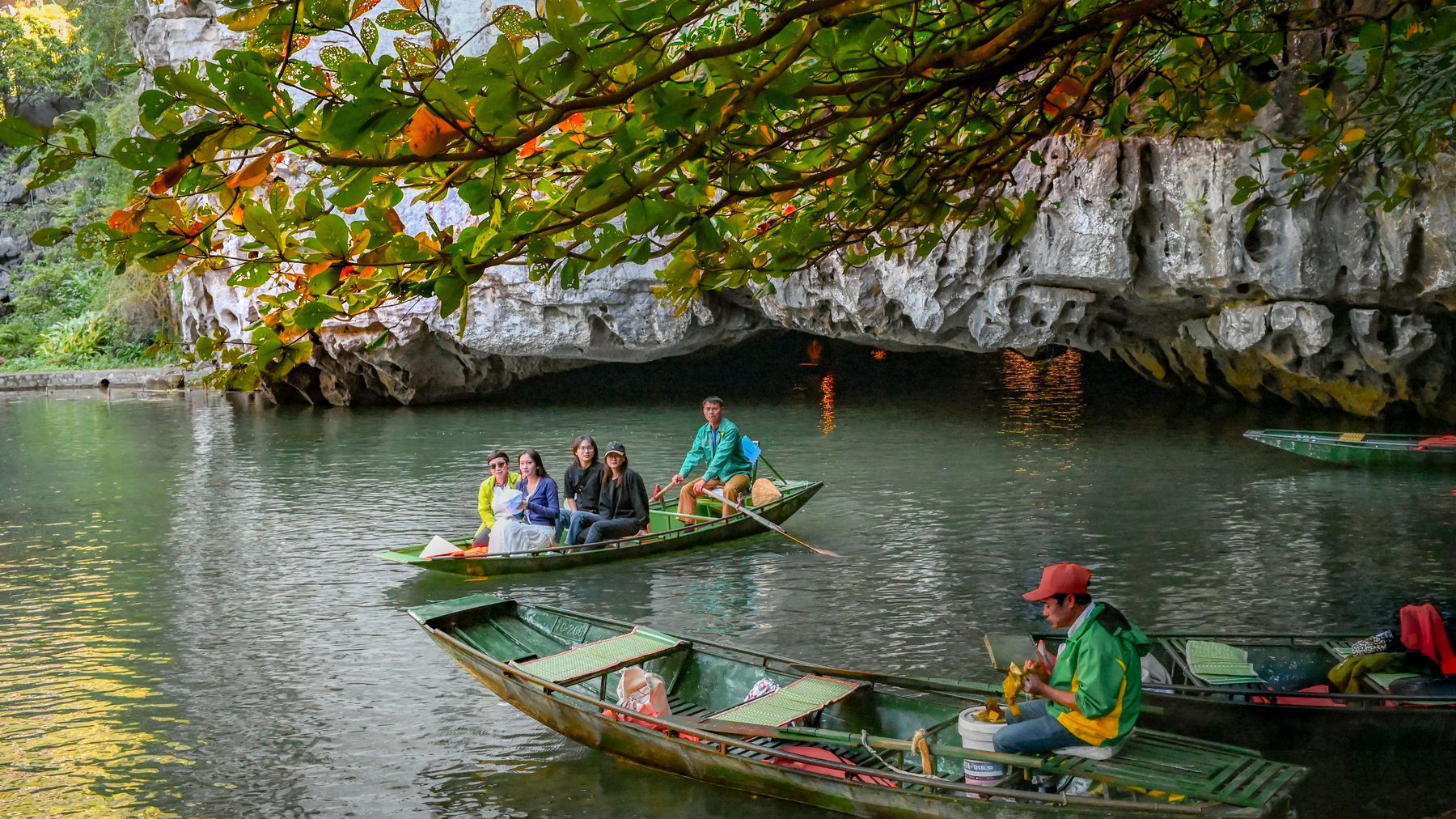
Photo by Nguyen Ngoc Tien on Pexels
What to do
Walk all three chambers
Don't stop at the first chamber and turn around, which some rushed tour groups do. The second and third chambers are where the cave gets interesting. Budget 40-50 minutes to walk the full route without feeling hurried.
Visit Thien Cung Cave next door
Thien Cung (Heavenly Palace Cave) is on the same island, about 10 minutes' walk from Hang Dau Go's entrance. Most boat tours combine both. Thien Cung is narrower but has denser formations — the two caves complement each other well.
Photograph from the boat on approach
The view of Dau Go Island from the water, with the cave entrance visible partway up the limestone cliff, is one of the more recognizable angles of Ha Long Bay. Shoot this from the boat deck before docking, not after — you'll be facing the wrong direction on the way out.
Climb the viewpoint above the cave entrance
There's a short trail with steps leading to a lookout above the grotto entrance. The bay view from here, looking out across the karsts, is worth the five-minute climb. Not every guide mentions it, so ask your tour leader.
Where to eat nearby
You won't find restaurants at the cave itself — eating happens either on your cruise boat or back in Ha Long City.
In Ha Long City, look for "cha muc" (squid cake), the local specialty. Vendors around Bai Chay night market fry these fresh — crispy outside, chewy inside, served with dipping fish sauce. A plate runs about 80,000-120,000 VND. If your cruise includes lunch, expect a seafood spread: steamed clams, grilled prawns, and morning glory stir-fried with garlic. Nothing fancy, but the ingredients are local and fresh.
If you're back in Hanoi the same evening, reward yourself with a bowl of "pho" or a plate of "bun cha" — you'll have earned it after a long day on the water.
Where to stay
Most travelers base themselves in Ha Long City (Bai Chay ward) or on an overnight cruise.
- Budget hotels in Bai Chay: 300,000-500,000 VND/night. Basic, clean, close to the marina.
- Mid-range hotels: 800,000-1,500,000 VND/night. Better views, breakfast included.
- Overnight cruise (mid-range): 1,500,000-3,000,000 VND/person for one night on the bay. This is the most convenient option if you want to visit Hang Dau Go early before the day-trip boats arrive.

Photo by HONG SON on Pexels
Practical tips locals would tell you
- Wear shoes with grip. The steps inside the cave get slippery from condensation, especially in the deeper chambers. Sandals are a bad idea.
- Bring a light layer. The cave interior is cooler than outside, noticeably so in summer. Not cold, but enough to feel the difference after sweating on the climb up.
- The colored lighting inside is heavy-handed — greens, purples, blues. If you want more natural-looking photos, shoot toward the cave entrance where daylight comes in, or adjust your white balance.
- Ha Long Bay entrance fees are separate from your boat ticket. As of recent pricing, the bay fee is around 250,000 VND per adult, often included in cruise packages but not always in budget day trips. Confirm before you board.
Common mistakes to avoid
- Booking the cheapest day cruise without checking the itinerary. Some budget boats skip Dau Go Island entirely and go to less interesting stops. Confirm Hang Dau Go is on the route before paying.
- Visiting only Hang Dau Go and calling it a day. The cave is good but it's one piece of Ha Long Bay. Combine it with kayaking, Thien Cung, or Ti Top Island to justify the trip from Hanoi (하노이 / 河内 / ハノイ).
- Arriving midday on a weekend. The cave is busiest between 11:00 and 14:00 when day-trip boats converge. Overnight cruise passengers who visit at 08:00-09:00 often have the chambers nearly to themselves.
Practical notes
Hang Dau Go is a straightforward addition to any Ha Long Bay itinerary — no special permits, no difficult terrain, and most tour operators include it by default. The key is timing: go early, go in the cooler months, and don't rush through the back chambers. It's a cave that rewards the people who slow down.
Last updated · May 26, 2026 · independently researched, never sponsored.