What is Dao Ngoc Vung?
About 40 km southeast of Ha Long Bay, Dao Ngoc Vung is a small inhabited island in the Van Don archipelago that most foreign travelers have never heard of. It covers roughly 30 square kilometers — big enough for a motorbike loop, small enough that you can see most of it in a day.
The island has a long history as a pearl-harvesting center, which is how it got its name ("ngoc" means pearl). During the Tran Dynasty, it served as a trading port, and you can still find the remains of a Tran-era well near the main village. Today, about 3,000 people live here, mostly fishing families and a handful of homestay operators who've started welcoming the trickle of domestic tourists arriving on weekends.
This isn't a resort island. There's no ATM, no 7-Eleven, no cocktail bar. That's the point.
Why travelers go
People come to Dao Ngoc Vung for one reason: to be somewhere genuinely quiet. The beaches — particularly Bai Dat and Bai Nhat on the island's eastern side — are long, flat stretches of sand where you might be the only person for hundreds of meters. The water is calm and shallow, good for swimming from May through September.
If you've been through the tourist circuit of Ha Long Bay (하롱베이 / 下龙湾 / ハロン湾) and found it too crowded or too packaged, Dao Ngoc Vung feels like the antidote. No kayak convoys, no floating souvenir shops. Just a fishing island with good sand and cold beer.
Best time to visit
The sweet spot is May through September, when the water is warm enough to swim and the days are long. June through August gets the most sun, but also occasional afternoon storms — they blow through fast and the evenings are usually clear.
Avoid December through February. The northeast monsoon makes the crossing rough, some ferry services reduce frequency, and the island feels grey and windswept. March and April are transitional — pleasant on land but the sea can still be choppy.
Weekends in July and August bring domestic visitors from Hanoi. If you want the beaches to yourself, aim for a Tuesday or Wednesday.
How to get there
From Hanoi (하노이 / 河内 / ハノイ), the journey takes about 5-6 hours total.
Step 1: Hanoi to Cai Rong port
Take a bus from My Dinh or Gia Lam station to Cai Rong town in Van Don district. Limousine-style minibuses run this route daily, cost around 250,000-350,000 VND, and take about 4 hours. If you're driving, it's roughly 230 km via the Ha Long - Van Don expressway.
Step 2: Cai Rong to Dao Ngoc Vung
From Cai Rong port, a public ferry departs once or twice daily (usually morning, around 7:00-8:00 AM — confirm locally, schedules shift). The ride takes 1.5-2 hours and costs around 70,000-100,000 VND per person. Speedboats are occasionally available for 150,000-200,000 VND but run less reliably.
Bring your ticket money in cash. There's no online booking for this route.

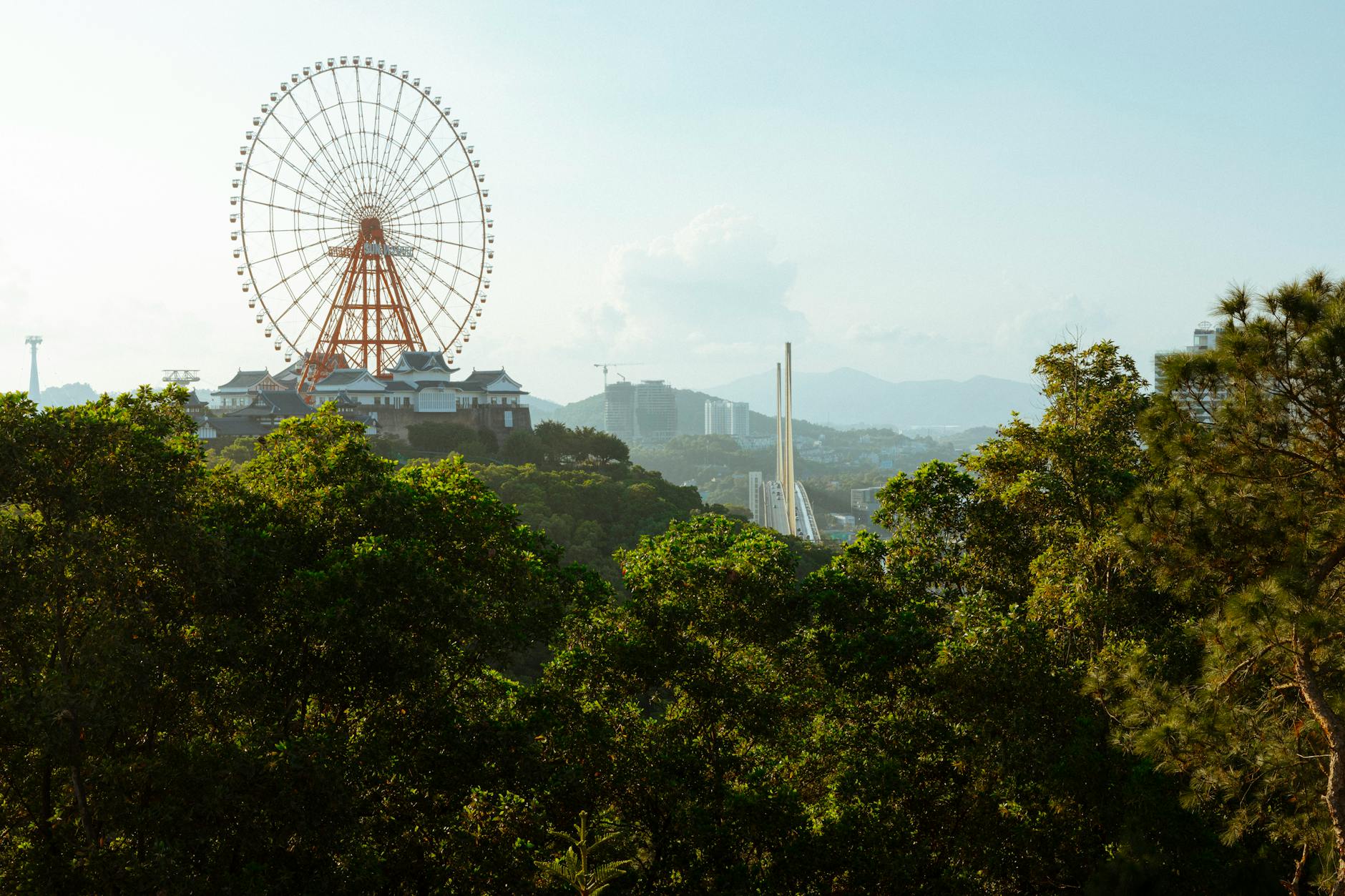
Photo by Quang Nguyen Vinh on Pexels
What to do
Walk or ride the island loop. Rent a motorbike from your homestay (100,000-150,000 VND/day) and circle the island. The road is mostly paved, passes through the main village, along coastal stretches, and through patches of forest. The full loop is about 15 km — an easy morning ride with stops.
Swim at Bai Dat. The biggest beach on the island, facing east. The sand is coarse but the water is clean, and the slope is gentle enough to wade out 50 meters. No loungers or umbrellas for rent — bring a mat or towel.
Visit the Tran Dynasty well. Near the village center, this ancient stone well is one of the few historical artifacts on the island. It's modest — don't expect a museum — but it's a reminder that this was once a significant stop on medieval trade routes.
Watch the squid boats at night. After dark, the fishing boats head out with bright green lights to attract squid. From the beach, the horizon fills with these glowing dots. It's one of those simple, unrepeatable things that stays with you.
Hike to the island's peak. A trail leads to the highest point on the island (around 200 meters). The path is rough in places — wear proper shoes, not flip-flops. From the top, you get a wide view across the Van Don archipelago.
Where to eat
There are no restaurants in the way you'd find in Hanoi or Ha Long. Meals come from your homestay or from a couple of small eateries near the port.
The seafood is the draw. Ask your host to prepare whatever came in that morning — typically grilled "muc" (squid), steamed clams, or fried fish with rice. A full seafood spread for two runs about 300,000-500,000 VND depending on what's in season. The "sam" (horseshoe crab) salad is a local specialty in the right months, though it's an acquired taste.
Bring snacks and instant coffee from the mainland. The island has a few small shops stocking basics, but selection is limited and prices are marked up.
Where to stay
Accommodation is almost entirely homestays. Expect a clean room with a fan or basic air conditioning, shared or private bathroom, and meals included or available on request.
- Budget homestays: 200,000-350,000 VND/night per room. Simple, functional. Your host probably speaks limited English — download a translation app.
- Mid-range homestays: 400,000-600,000 VND/night. Slightly newer rooms, possibly sea-facing. A few have opened in the last couple of years catering to the Hanoi weekend crowd.
There are no hotels or resorts. Book ahead on weekends during summer — options are limited and the better places fill up.

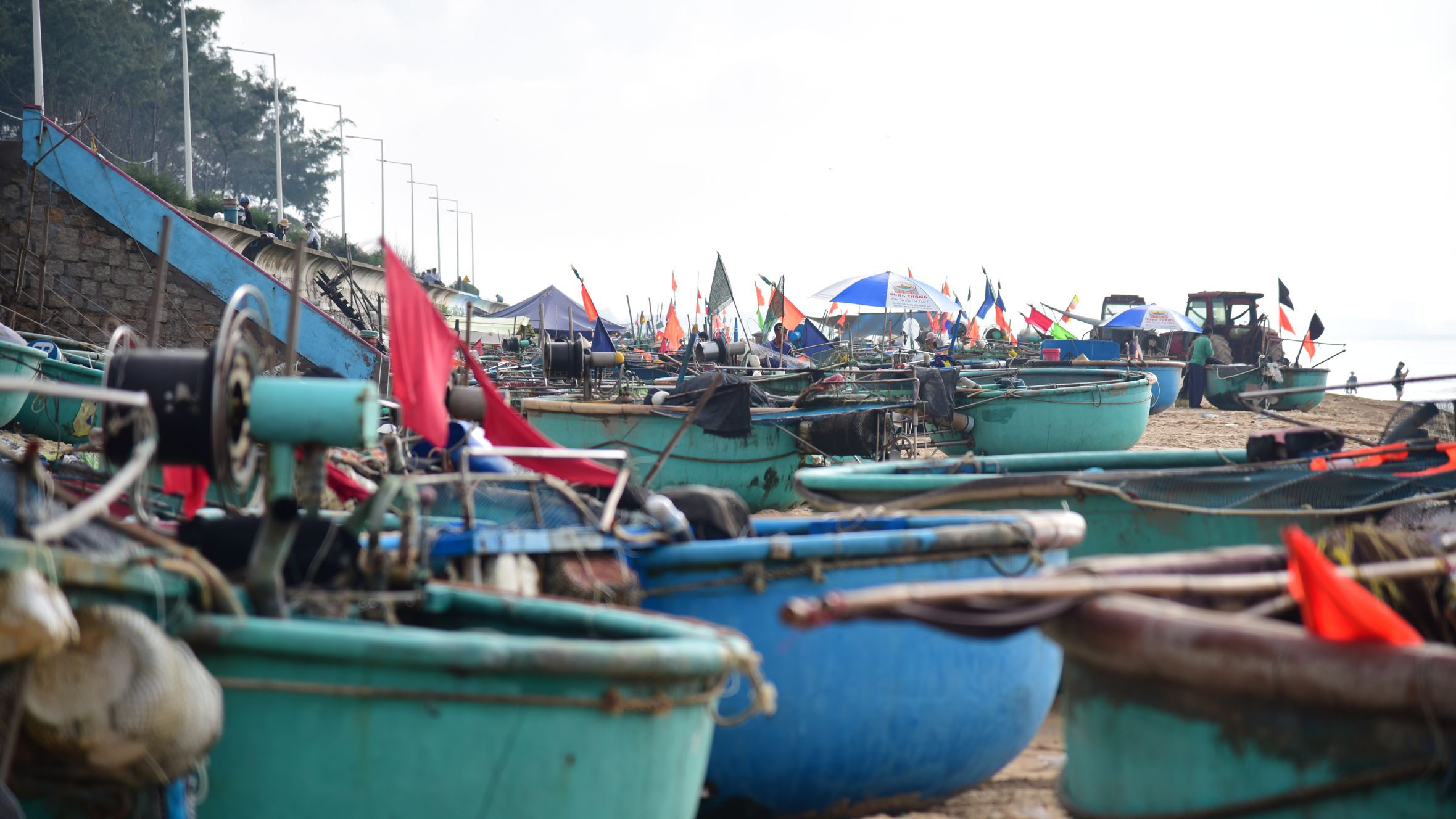
Photo by Quang Nguyen Vinh on Pexels
Practical tips locals would tell you
- Bring cash. No ATMs on the island. Cards are not accepted anywhere. Bring more than you think you'll need.
- Pack light but pack smart. Sunscreen, insect repellent, a basic first-aid kit, and a headlamp are all worth their weight. There's no pharmacy.
- Charge your devices before you go. Power on the island is reliable but homestays may have limited outlets.
- Confirm ferry times the day before. Schedules change with weather and season. Ask at Cai Rong port or call your homestay host.
- Learn a few Vietnamese phrases. Almost nobody on the island speaks English. "Bao nhieu tien" (how much?) and "cam on" (thank you) go a long way.
Common mistakes to avoid
Arriving without a plan to leave. If you miss the morning ferry back to Cai Rong, you may be stuck until the next day. Know the return schedule before you land.
Expecting Ha Long Bay infrastructure. This is not Cat Ba. There's no nightlife, no tour desk, no Western food. If that sounds boring to you, this isn't your island.
Skipping the motorbike. Walking the island is possible but slow and hot. The motorbike rental is cheap and makes the day dramatically better.
Practical notes
Dao Ngoc Vung works best as a 2-night trip — one full day on the island plus two half-days for travel. Pair it with a night in Ha Long Bay or Cat Ba on the way back if you want contrast between the busy tourist circuit and the quiet fringe. The island rewards anyone willing to trade convenience for peace.
Last updated · May 26, 2026 · independently researched, never sponsored.