Da Nang doesn't overthink its "mi Quang". While Hoi An versions can lean tourist-polished, the Da Nang bowl is a working lunch: a shallow puddle of turmeric-stained broth, thick rice noodles, a mix of shrimp and pork or chicken, crushed peanuts, a sesame rice cracker balanced on top, and a pile of raw herbs and banana blossom on the side. You eat it fast, you pay under 40,000 VND, and you go back to work.
Here's where locals actually eat it.
What Makes Da Nang Mi Quang Different
The key difference from Hoi An or Tam Ky versions is restraint in the broth. Da Nang (다낭 / 岘港 / ダナン) bowls are almost dry — just enough turmeric-laced pork bone broth to coat the noodles, not pool at the bottom. Toppings run to shrimp-and-pork combos more often than the frog or snakehead fish you'll see inland. The "banh trang" (sesame rice cracker) is non-negotiable, and the herb plate usually includes fresh banana blossom, mint, and sawtooth coriander. Skip the cracker and a table of regulars will notice.
Quan Mi Quang Ba Mua
Address: 19 Truong Thi, Thanh Khe District Hours: 6:30am – 12:30pm Price: 30,000–40,000 VND
This is the one people in Da Nang send their relatives to. Ba Mua has been operating off Truong Thi since the early 1990s and the setup hasn't changed — plastic stools, communal tables, and a rotation of shrimp-pork and chicken bowls. The broth here is darker and richer than most, the peanuts are always freshly crushed, and the quail eggs (an optional add-on for 5,000 VND) are worth it. Arrive before 11am or you'll find the good cuts gone.
Mi Quang 1A
Address: 1 Hai Phong, Hai Chau District Hours: 7am – 2pm Price: 35,000–45,000 VND
Mi Quang (미꽝 / 广南面 / ミークアン) 1A is the most name-dropped spot in the city for a reason — it's consistent, clean, and centrally located near the Han River. The shrimp-and-pork bowl is their standard, and the broth-to-noodle ratio leans slightly wetter than elsewhere, which makes it an easier entry point if you're new to the dish. Herb plates come restocked without asking. A little more touristy than the options below, but the quality hasn't slipped.

Photo by Pew Nguyen on Pexels
Quan Mi Quang O Beo
Address: 68 Ong Ich Khiem, Hai Chau District Hours: 6am – 11am Price: 25,000–35,000 VND
If you want the cheapest honest bowl in the city, this is it. O Beo is a morning-only operation run from a house front on Ong Ich Khiem. The chicken version — "mi Quang ga" — is what you order here. Poached chicken, torn into strips over yellow noodles, topped with peanuts and a scattering of fried shallots. Nothing fancy. The broth is subtle enough that the chicken actually tastes like chicken. Closes by 11am on most days and earlier on weekends when they sell out.
Mi Quang Thi Thi
Address: 346 Hung Vuong, Thanh Khe District Hours: 7am – 1pm Price: 30,000–40,000 VND
Thi Thi sits in a residential block in Thanh Khe, the district where most Da Nang people actually live. The bowls here trend toward a darker turmeric base and they use pork ribs alongside the standard sliced pork shoulder, which adds a little more body to each mouthful. The owners are fast and no-nonsense — point at the sign, get your bowl in under three minutes. Bring cash, no English menu.
Quan Mi Quang Ba Viet
Address: 109 Nguyen Chi Thanh, Son Tra District Hours: 6:30am – 12pm Price: 30,000–40,000 VND
Ba Viet is the pick for the Son Tra side of the river — useful if you're staying near My Khe beach or exploring that side of Da Nang. The shrimp here are noticeably fresher than average, probably because the shop is closer to the landing docks. The herb plate is generous, and the proprietor will push you toward adding a half-boiled quail egg whether you ask or not. Say yes.

Photo by Kirandeep Singh Walia on Pexels
Skip This Place
There are a handful of mi Quang stalls near the Dragon Bridge and the tourist strip on Bach Dang that look the part — signage in English, photos on the menu, prices starting at 60,000 VND. The bowls aren't terrible but they're not authentic either: thinner noodles, less peanut, watery broth, and the sesame cracker is often replaced with a regular rice cracker. You're paying for location, not quality. The locals eating mi Quang on Bach Dang are eating somewhere else entirely.
What to Order and How
Most shops offer two or three variations: shrimp and pork ("mi Quang tom thit"), chicken ("mi Quang ga"), or occasionally fish ("mi Quang ca"). Point at what the table next to you has if the menu isn't clear. Always dress your bowl yourself — add herb leaves, banana blossom, and a squeeze of lime before stirring everything together. The cracker goes in last, broken over the top, so it softens slightly but keeps some crunch.
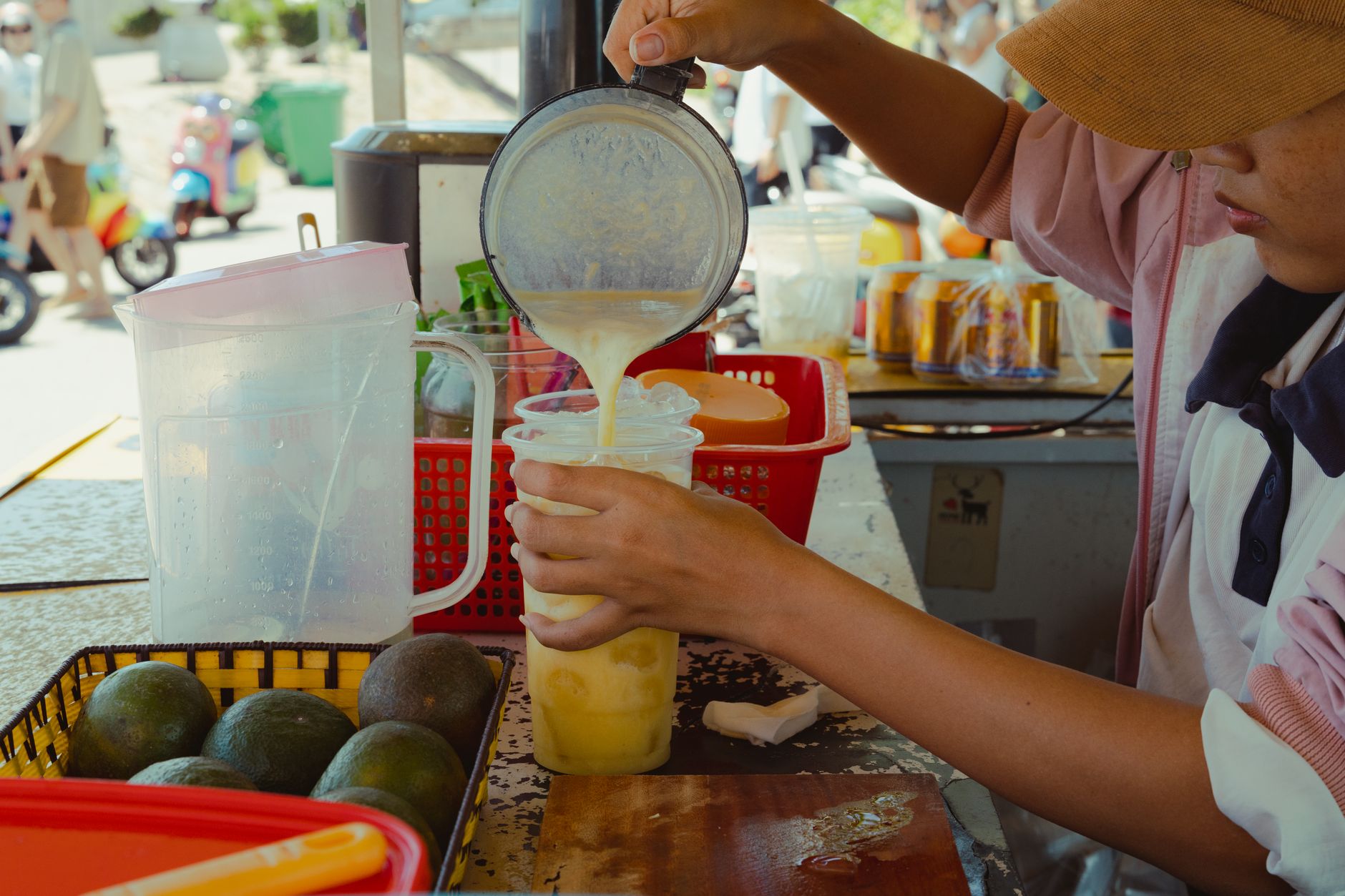
Pair it with an iced "ca phe sua da" from the cart outside and you've eaten the way half of Da Nang eats every single weekday morning.
Practical Notes
Most of these shops open early and close by early afternoon — if you're showing up after 1pm, call ahead or you'll find shuttered doors and a hand-written "het hang" (sold out) sign. Prices have nudged up slightly since 2022 but a solid bowl still sits between 30,000 and 45,000 VND at the places listed here. Cash only at every spot on this list.
Last updated · May 26, 2026 · independently researched, never sponsored.